Elbow joint subluxation is a partial dislocation where the bones of the elbow — the humerus, radius, and ulna — shift out of their normal alignment without completely separating. Unlike a full dislocation, the joint surfaces still maintain some contact, but the disruption is enough to cause significant pain, restricted ROM, and functional loss. Most cases resolve with conservative care, and many patients never require imaging beyond an X-ray.
What Is Elbow Joint Subluxation?
The elbow is a hinge joint stabilized by the medial and lateral collateral ligaments, the annular ligament surrounding the radial head, and several muscle groups including the brachialis, biceps brachii, and triceps. A subluxation occurs when mechanical stress exceeds the ligament's ability to hold joint surfaces in proper position — partially displacing one or more bones without complete separation.
Elbow joint subluxation symptoms typically include localized pain at the joint line, swelling within 30–60 minutes of injury, and a noticeable loss of full extension or flexion. Some patients report a "giving way" sensation or hear a pop at the moment of injury.
Common elbow joint subluxation symptoms to recognize:
- Sharp pain at the lateral or medial elbow
- Swelling around the olecranon or radial head
- Limited ROM — particularly loss of full extension past 15–20 degrees
- Tenderness directly over the joint line
- Weakness when gripping or lifting
- Visible deformity (less common than in full dislocation)
- Numbness or tingling if the ulnar nerve is involved
You cannot reliably "walk off" a partial elbow dislocation. Continuing activity on an unstabilized joint risks converting a subluxation into a complete dislocation or causing ligament avulsion.
Subluxation vs. Full Dislocation: What's the Difference?
The difference between elbow subluxation and dislocation is a matter of degree — and it matters clinically because the treatment protocols, recovery timelines, and risk of neurovascular injury differ significantly.
Feature Subluxation (Partial) Full Dislocation Joint surface contact Partially maintained Completely lost Visible deformity Mild or absent Usually obvious Ligament damage Partial sprain or stretch Significant tearing likely Neurovascular risk Low to moderate Higher — brachial artery, median/radial nerve Reduction required Often self-reduces or manual reduction Always requires reduction Conservative care eligible Yes, in most cases After reduction — may need immobilization Typical recovery 2–6 weeks 6–12 weeksA subluxation confirmed by X-ray with no fracture and intact neurovascular status is almost always manageable without surgical intervention.
Common Causes of Elbow Subluxation
Elbow pain and limited range of motion from subluxation typically trace back to three mechanisms: acute trauma, repetitive stress loading, or underlying joint hypermobility.
Acute Trauma
A fall on an outstretched hand (FOOSH) is the most common single-event cause. The force transmits through the radius into the radiocapitellar joint, and if the annular ligament stretches beyond its elastic limit, the radial head partially displaces. Contact sports — football, wrestling, martial arts — produce similar mechanisms through valgus stress on the medial elbow.
Repetitive Stress and Overuse
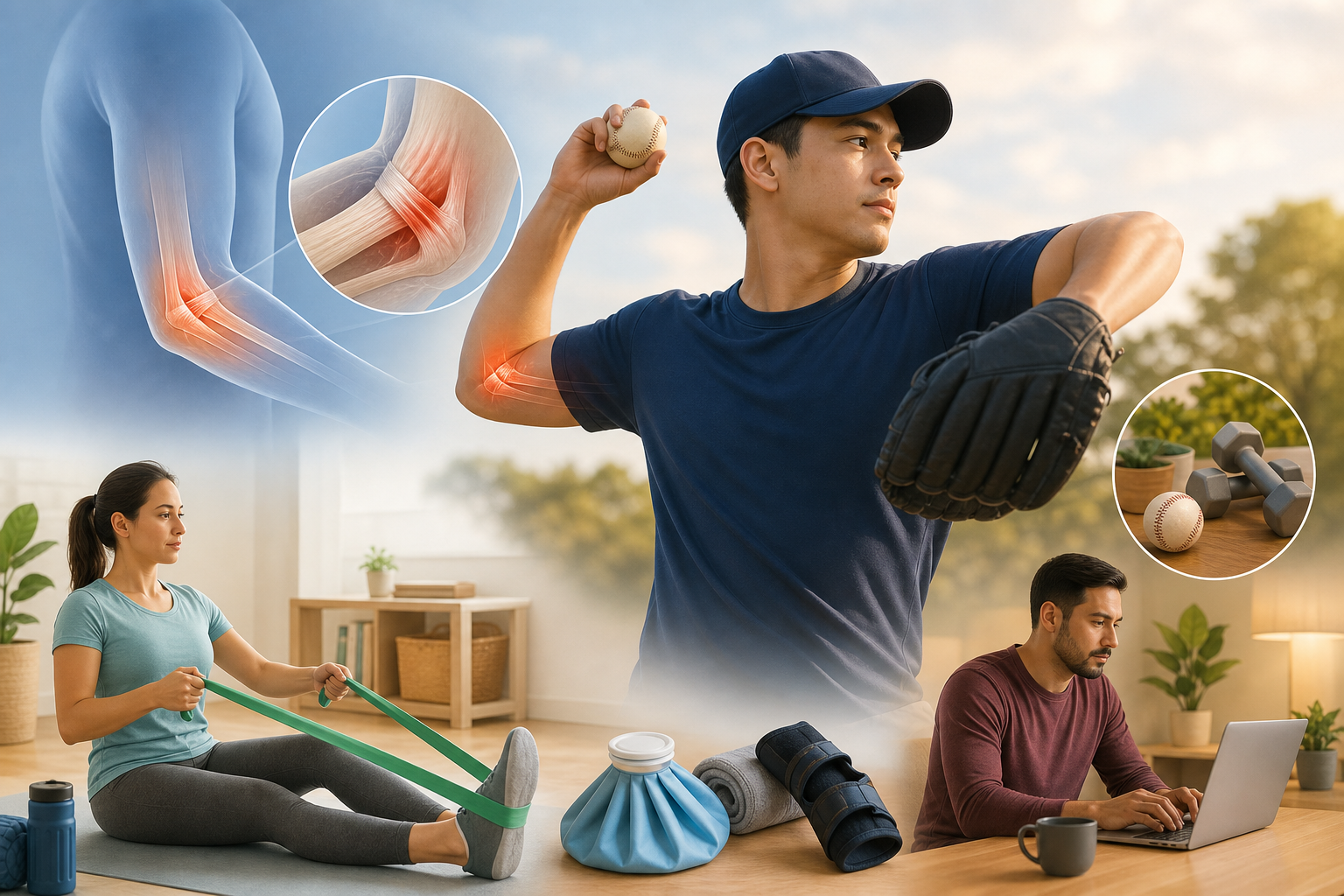
Overhead athletes (pitchers, volleyball players, tennis players) accumulate repetitive valgus load on the medial collateral ligament complex. Over time, this leads to ligamentous laxity that allows episodic subluxation during high-demand movements. This pattern often overlaps with conditions like lateral epicondylitis (tennis elbow), which shares similar biomechanical contributors.
Joint Hypermobility
Patients with generalized ligamentous laxity — including those with hypermobility spectrum disorders — are at elevated risk for recurrent elbow subluxation. The annular ligament and lateral ulnar collateral ligament provide less passive restraint in hypermobile joints, making the radial head prone to positional instability.
Nursemaid's Elbow: Radial Head Subluxation in Young Children
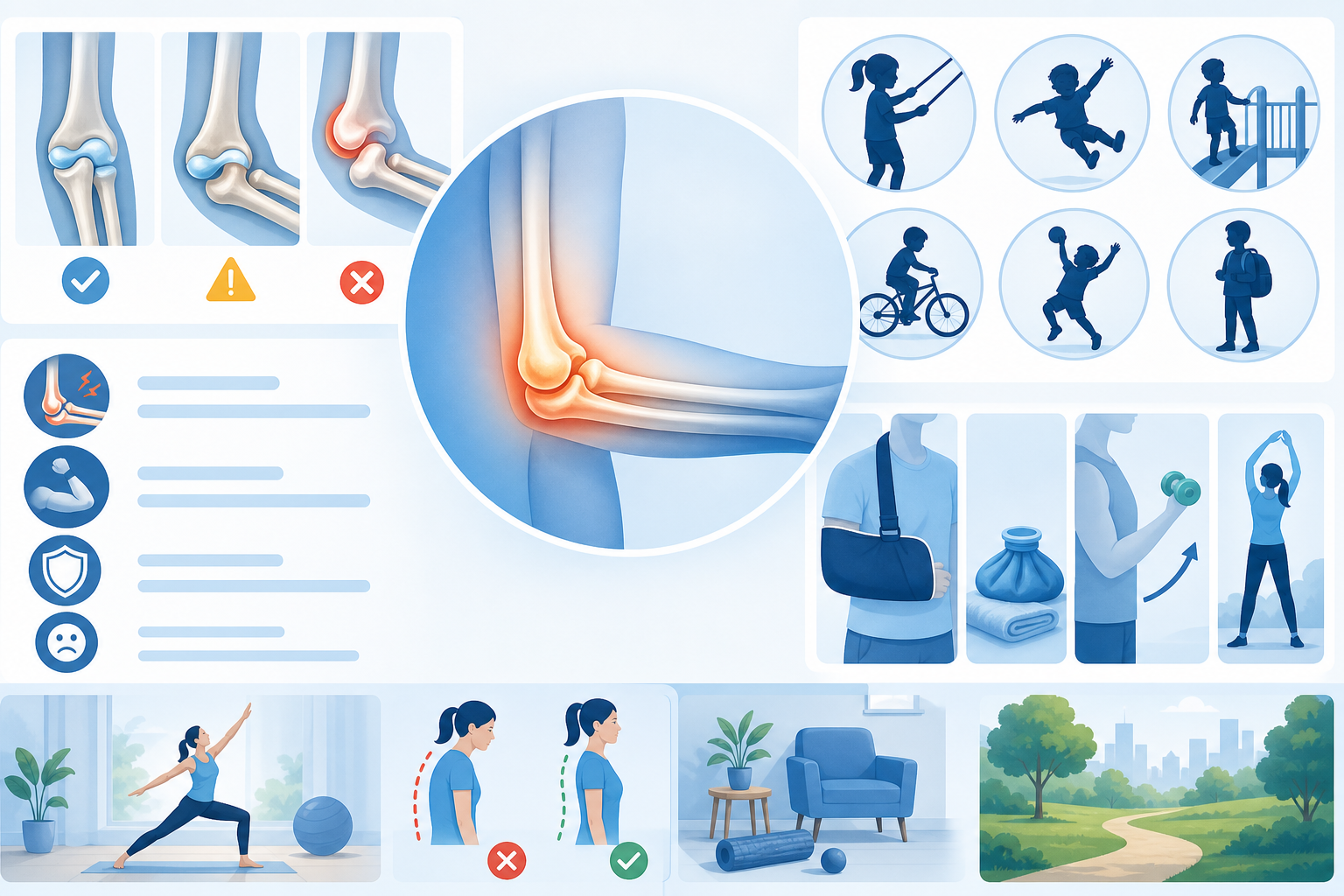
Nursemaid's elbow (radial head subluxation) is the most common elbow injury in children under 6. It occurs when a sudden axial traction force — a caregiver pulling a child by the hand, swinging them by the arms, or catching them mid-fall — causes the radial head to slip partially through the annular ligament.
Recognizing Nursemaid's Elbow
The classic presentation: a toddler whose arm won't move after being pulled or lifted. The child holds the arm slightly flexed and pronated, refuses to use it, and cries when the elbow is touched or moved. There is typically no swelling, no bruising, and no obvious deformity — which is why parents sometimes assume the shoulder is injured instead.
Key signs in a child:
- Arm held at the side, slightly bent, palm facing down
- Refusal to reach, lift, or use the arm
- Pain with supination (turning the palm upward)
- No significant swelling or deformity
- History of a pulling or lifting event
Reduction is typically performed by a provider using a supination-flexion or hyperpronation technique. Most children resume normal arm use within minutes of successful reduction. Recurrence occurs in approximately 25–30% of cases before age 6 as the annular ligament matures and tightens.
Who Treats Elbow Subluxation?
The right provider depends on injury severity and whether the joint has already been reduced. For uncomplicated subluxation with no fracture or neurovascular compromise, three provider types are appropriate:
- Chiropractors — trained in joint mobilization and manipulation of peripheral joints including the elbow; evaluate biomechanical contributors and provide soft tissue therapy alongside joint care. A chiropractic evaluation for elbow subluxation typically includes orthopedic testing (valgus/varus stress tests, lateral pivot shift), ROM measurement, and palpation of the annular ligament, lateral collateral ligament complex, and radiocapitellar joint.
- Physical therapists — focus on restoring ROM, strengthening the dynamic stabilizers (brachialis, supinator, wrist extensors), and functional rehabilitation through a structured 4–8 week program.
- Orthopedic specialists — indicated when fracture, complete ligament rupture, or neurovascular injury is suspected, or when conservative care fails after 6–8 weeks.
For nursemaid's elbow specifically, a pediatrician, chiropractor, or emergency provider can perform the reduction maneuver. Imaging is typically not required unless the mechanism or presentation is atypical.
Conservative Treatment Options for Elbow Subluxation
Elbow subluxation recovery without surgery follows a predictable progression when managed correctly. The goal is to restore joint mechanics, reduce ligamentous stress, and rebuild the dynamic muscle support that prevents recurrence.
Phase 1: Acute Management (Days 1–7)
- Rest and activity modification — avoid lifting, carrying, or overhead use
- Ice applied for 15 minutes every 2 hours during the first 48–72 hours to manage swelling
- Gentle ROM exercises within a pain-free range starting at 48–72 hours
- Soft tissue therapy to the brachialis and forearm flexor/extensor groups to reduce guarding
Phase 2: Mobilization and Strengthening (Weeks 2–4)
- Joint mobilization of the radiocapitellar and humeroulnar joints to restore glide mechanics
- Progressive resistance exercises: wrist curls, pronation/supination with resistance band, biceps curls
- Proprioceptive training — weight-bearing through the arm on an unstable surface (e.g., foam pad)
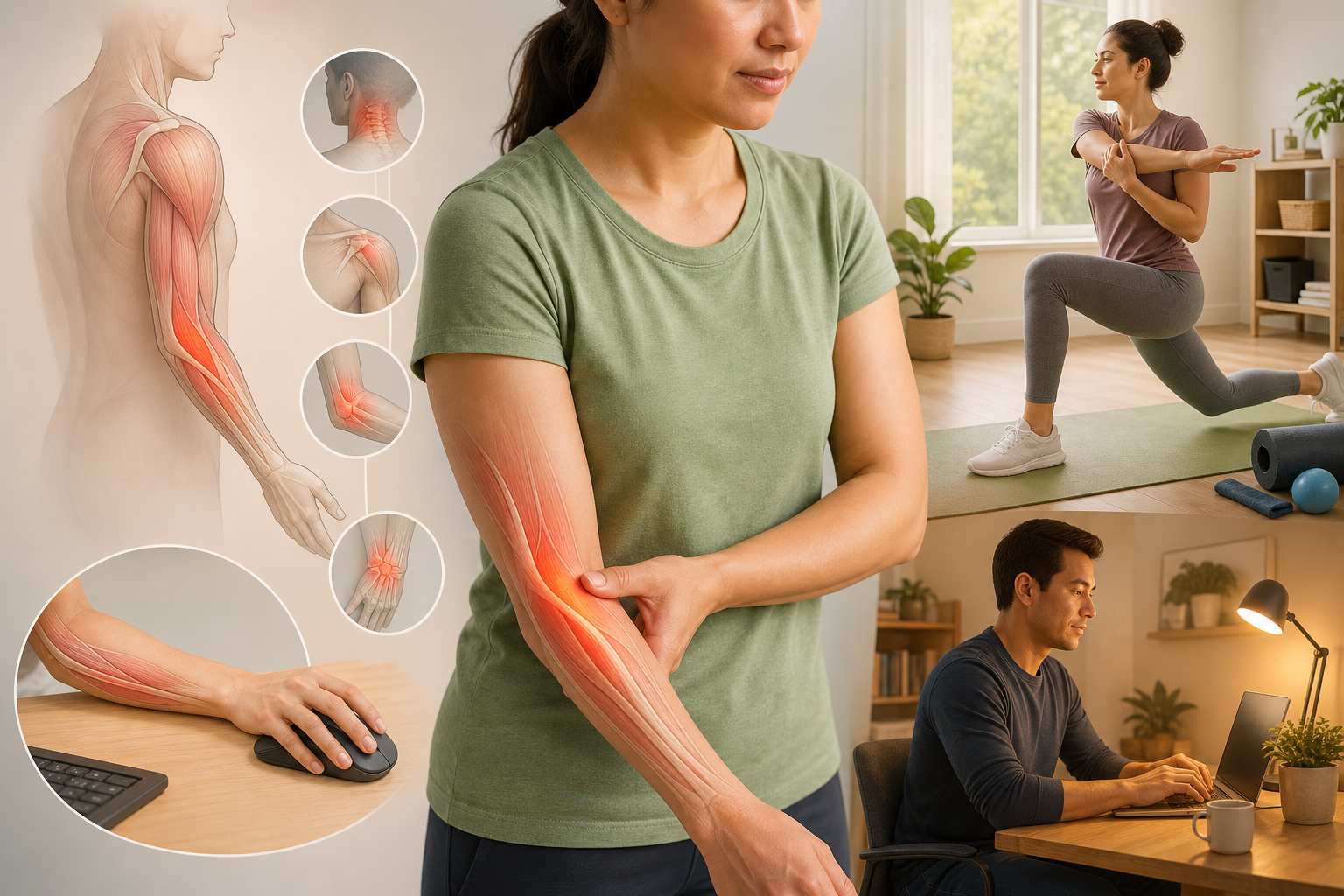
- Correction of any contributing cervical or shoulder dysfunction — elbow instability often involves compensatory patterns up the kinetic chain
Phase 3: Functional Return (Weeks 4–8)
Sport-specific or work-specific loading begins once full pain-free ROM is restored and strength is within 80–90% of the uninjured side. Overhead athletes typically require 6–8 weeks before return to throwing or serving.
A home exercise to begin in Phase 2: Supination/Pronation with Resistance. Hold a light resistance band anchored at waist height. With the elbow bent to 90 degrees, slowly rotate the forearm palm-up (supination) and palm-down (pronation) through full range. Perform 3 sets of 15 repetitions, twice daily. This directly targets the supinator and pronator teres muscles that stabilize the radial head.
How Long Does Elbow Subluxation Take to Heal?
Recovery timelines depend on whether the ligament sustained a grade I, II, or III sprain alongside the subluxation:
- Grade I (ligament stretch, no tearing): 2–3 weeks with conservative care
- Grade II (partial ligament tear): 4–6 weeks with structured rehabilitation
- Grade III (complete tear with subluxation): 8–12 weeks; orthopedic consultation recommended
Nursemaid's elbow in children: immediate resolution after reduction in most cases, with full function restored within 30 minutes. Recurrent cases may take 2–3 weeks of activity modification between episodes.
Preventing Recurrence
How to prevent elbow subluxation from coming back centers on three targets: ligament conditioning, neuromuscular control, and load management.
- Strengthen dynamic stabilizers: The brachialis, biceps brachii, and wrist extensors act as active restraints when the ligaments are under stress. Consistent resistance training reduces reliance on passive structures.
- Correct throwing or lifting mechanics: Valgus overload in pitchers and overhead workers is technique-dependent. A provider or sports rehab specialist can identify and correct the fault pattern.
- Address hypermobility: Patients with joint laxity benefit from a long-term strengthening program emphasizing joint compression and stability over end-range flexibility.
- Avoid high-risk activities during recovery: No contact sports, heavy lifting, or overhead reaching until full ROM and strength are confirmed.
- For children: Lift under the armpits, not by the hands or wrists, to eliminate the traction mechanism that causes nursemaid's elbow.
Understanding how subluxation connects to broader joint instability patterns is useful — similar principles apply to upper cervical subluxation, where ligamentous laxity and joint mechanics interact in comparable ways.
What to Do Next
If you have elbow pain with limited range of motion following a fall, pull, or repetitive activity, seek evaluation within 24–48 hours. Do not attempt to self-reduce a suspected subluxation.
Seek emergency care immediately if you have:
- Obvious deformity or bones visibly out of position
- Numbness, tingling, or weakness in the hand or fingers (possible median, radial, or ulnar nerve involvement)
- Absent or diminished pulse at the wrist (brachial artery compromise)
- Severe swelling within minutes of injury
- A child who will not use their arm at all after a pulling event
For routine evaluation (no red flags above): A chiropractor or physical therapist can assess joint mechanics, confirm the subluxation has reduced, and begin a structured rehabilitation plan. Most uncomplicated cases are managed entirely with conservative care over 3–6 weeks.
Find a chiropractor near you who treats elbow and joint conditions, or browse all providers on Medximity to connect with a specialist in your area. If you are managing other musculoskeletal conditions alongside elbow pain — including foot and lower extremity issues or referred pain patterns — a provider who evaluates the full kinetic chain will produce the best outcomes.
For more condition guides, explore the Medximity health library.