Does Personal Injury Protection cover auto accident treatment? What patients need to know is that PIP, when available under an auto insurance policy, may help pay for reasonable and medically necessary care after a crash. Coverage rules vary by state and policy, but PIP often applies before health insurance and may cover evaluation, diagnostic services, chiropractic care, physical therapy, rehabilitation, and related medical expenses within the policy limits.
If you are dealing with neck pain, back pain, headaches, stiffness, or reduced mobility after a collision, it is reasonable to schedule an evaluation with a qualified provider. Symptoms can appear immediately or develop over the next several days. A clinician can assess your injuries, document findings, recommend conservative treatment when appropriate, and help you understand what information your insurer may request.
Medximity helps patients search for conservative care providers after an auto accident, including chiropractors who treat car accident injuries and physical therapy providers near you. This article is educational and not a coverage determination. Your insurance carrier, policy documents, and state law control what PIP may pay.
What Is Personal Injury Protection?
Personal Injury Protection is a type of auto insurance benefit sometimes called no-fault coverage. In states and policies where it applies, PIP may help pay certain accident-related expenses regardless of who caused the crash. That can include medical bills for the policyholder, passengers, and sometimes pedestrians or household members, depending on the policy language.
Patients often ask, what does personal injury protection cover? The answer depends on where you live and what your policy includes. In many cases, PIP may cover accident-related medical evaluation and treatment, a portion of lost wages, mileage to appointments, replacement services, or funeral expenses. Some policies have deductibles, copays, coverage limits, provider rules, or deadlines for seeking care.
Because PIP is an insurance benefit rather than a medical diagnosis, it does not decide whether you are injured. It may only determine whether a bill is payable under the policy. A provider evaluates your condition; the insurer reviews whether the service meets policy requirements.
Does PIP Cover Car Accident Treatment?
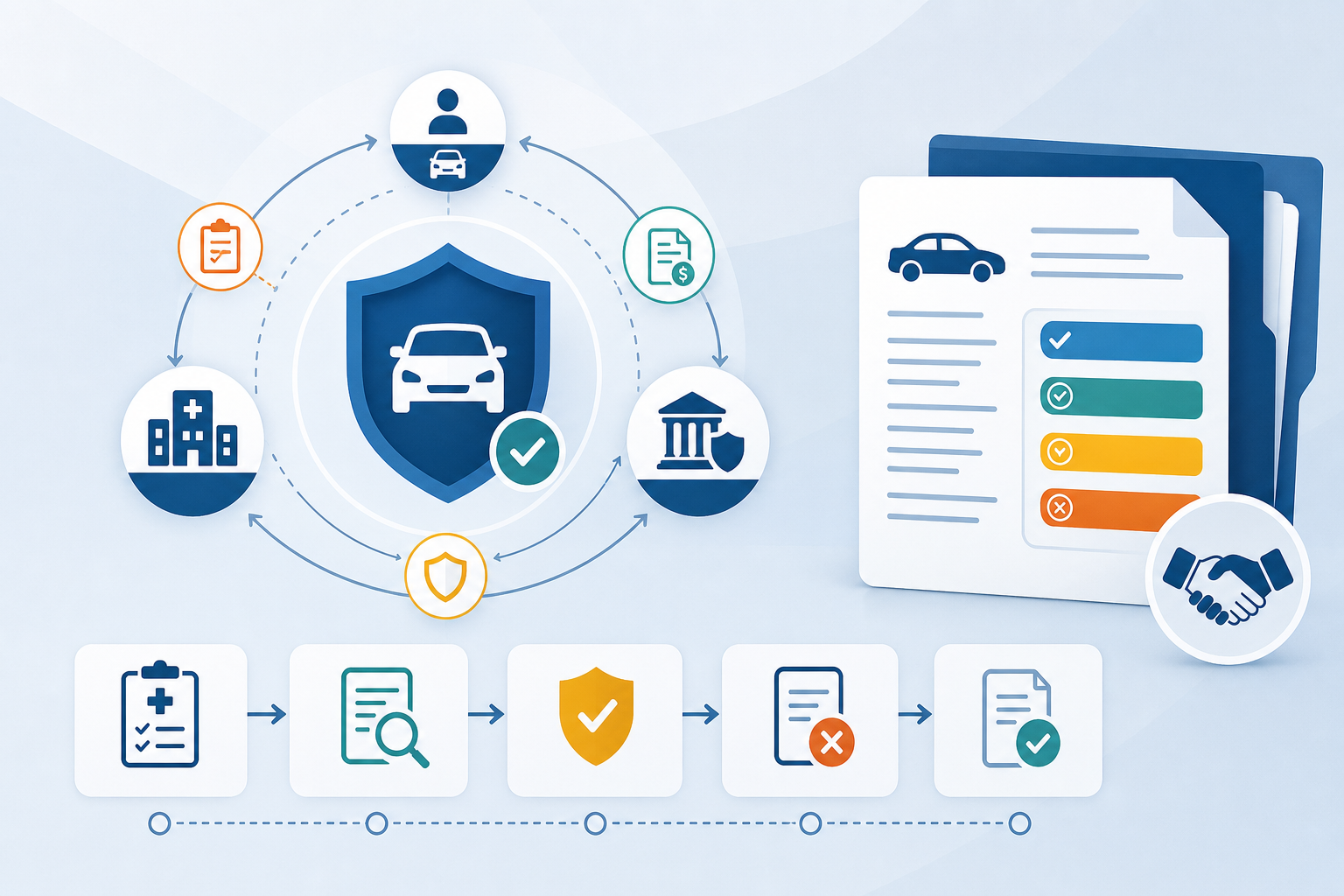
In many policies, PIP may cover car accident treatment when the care is related to the crash, medically necessary, properly documented, and submitted within the policy requirements. Covered treatment may include an initial exam, follow-up visits, chiropractic treatment, physical therapy, rehabilitation exercises, imaging ordered by an appropriate clinician, durable medical equipment, and other services allowed by the policy.
Coverage is not automatic for every visit or every type of care. Insurers may review whether the treatment is reasonable for the diagnosis, whether progress is documented, whether the care plan changes as the patient improves, and whether the billed services are allowed under the policy. Some states also allow independent medical examinations or utilization review, which may affect whether future visits are paid.
If you are searching for auto accident treatment near me PIP, ask the provider's office whether they commonly work with auto insurance claims and whether they can verify benefits before care begins. Verification does not guarantee payment, but it may help you understand policy limits, claim numbers, required forms, and billing expectations.
What Types of Auto Accident Treatment May Be Covered?
Auto accident treatment can include several types of conservative care. The right plan depends on your symptoms, examination findings, medical history, and how you respond over time. A qualified provider should explain the purpose of each service and update the plan based on measurable progress.
Chiropractic care after an accident
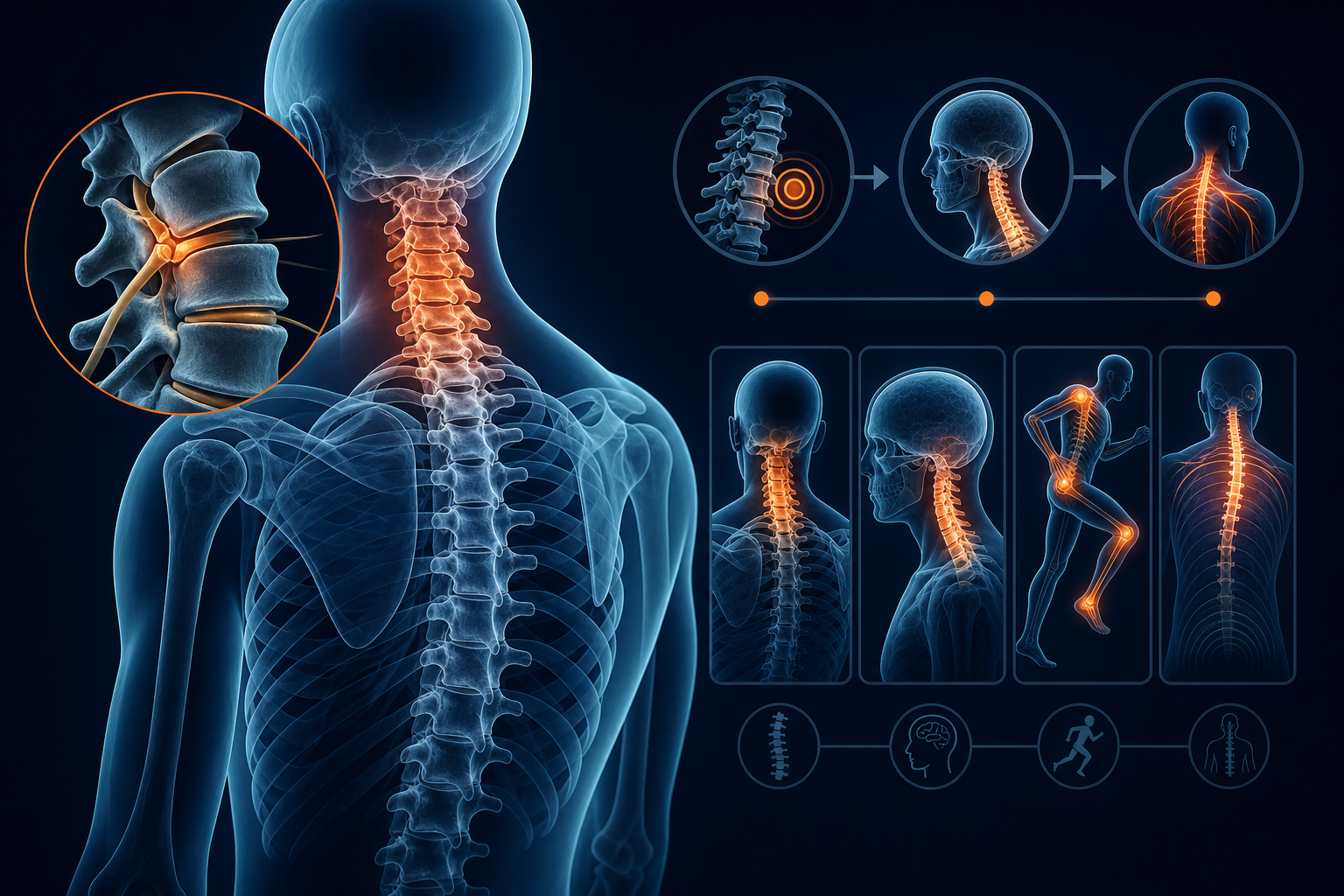
PIP chiropractic care after accident cases commonly involve neck pain, back pain, headaches, shoulder discomfort, muscle spasm, and restricted range of motion. Chiropractic treatment may include spinal or extremity adjustments, gentle mobilization, soft-tissue therapy, therapeutic exercise, posture guidance, and home-care recommendations. For patients with whiplash-type symptoms, care may focus on restoring comfortable motion, reducing guarding, and improving function.
Chiropractic care is not appropriate for every injury, and a chiropractor should screen for red flags before treatment. If symptoms suggest a fracture, neurological issue, concussion concern, or other condition that requires additional medical evaluation, the provider may refer you for appropriate care. To learn more about common neck injuries after a crash, visit Medximity's guide to whiplash symptoms and conservative care.
Physical therapy and rehabilitation
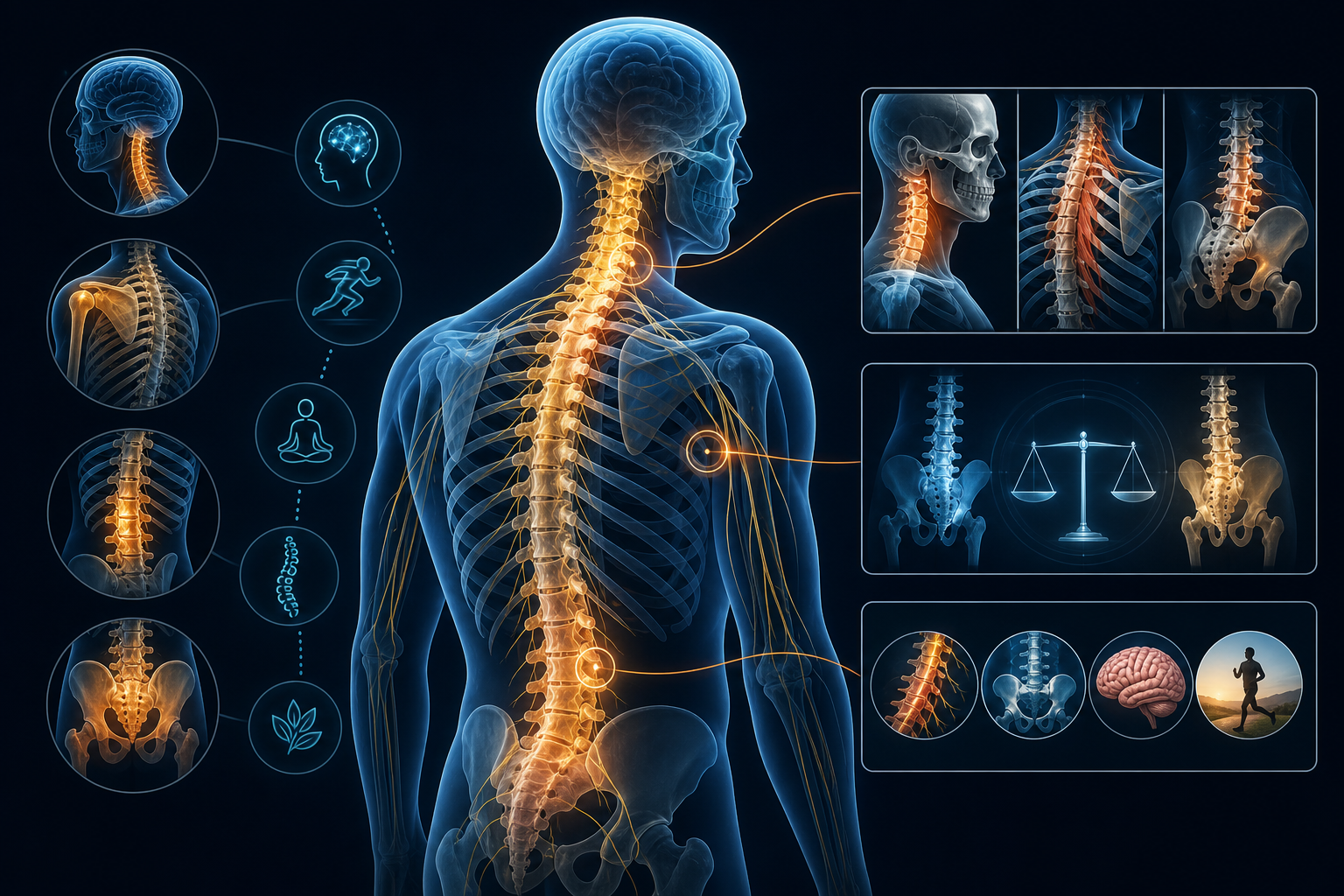
Physical therapy covered by PIP insurance may be available when therapy is medically necessary and connected to the collision. Physical therapy may include movement assessment, mobility work, strengthening, balance training, neuromuscular re-education, manual therapy, and a home exercise program. Rehabilitation is often used for neck, back, shoulder, hip, knee, and ankle injuries after a crash.
Physical therapy can be especially helpful when pain limits daily activities such as driving, working, lifting, walking, or sleeping. Treatment plans often progress from symptom control and gentle mobility to strengthening and return-to-activity work. Patients can search Medximity for physical therapy treatment options and local providers.
Back and neck pain care
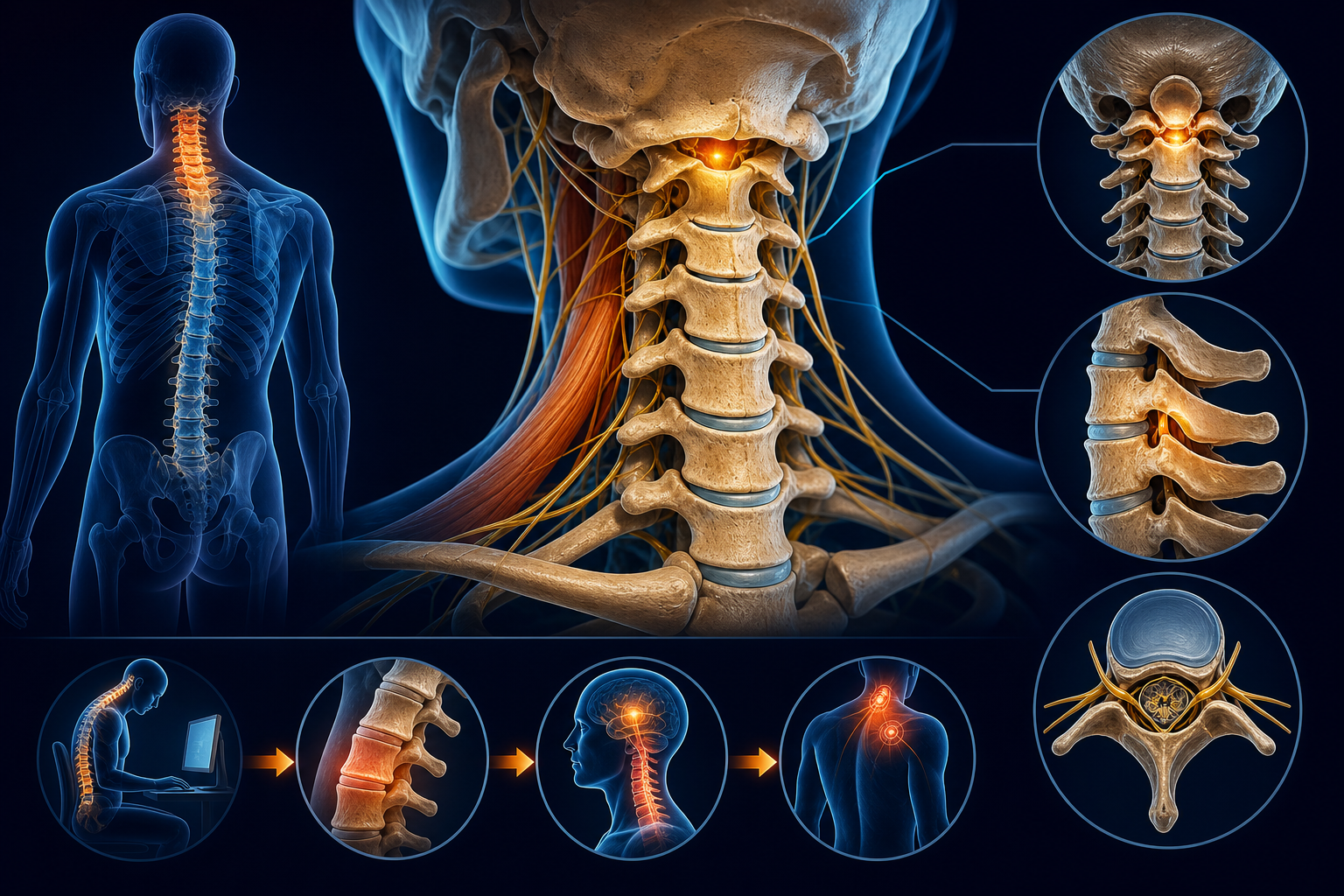
Neck and back pain are among the most common reasons patients seek care after a crash. Sudden acceleration and deceleration can strain muscles, irritate joints, and aggravate discs or nerves in some patients. Car accident neck pain treatment PIP and back pain after accident PIP coverage questions usually depend on whether the provider documents a clear accident-related assessment and a reasonable treatment plan.
Back pain after a collision should be evaluated if it persists, worsens, travels into the leg, causes numbness or weakness, or limits normal movement. Conservative care may include chiropractic treatment, physical therapy, stretching, strengthening, activity modification, and ergonomic recommendations. Medximity's back pain resource explains common causes and when to seek professional evaluation.
Initial evaluation and documentation
The first visit after an auto accident is often the most important documentation visit. Your provider may ask how the crash occurred, when symptoms began, what makes symptoms better or worse, whether you had prior injuries, and how pain affects daily function. The exam may include posture, range of motion, orthopedic testing, neurological screening, palpation, strength testing, and functional movement assessment.
This documentation helps establish medical necessity. It may also help the provider create a treatment plan that is specific rather than generic. For patients using PIP, accurate records can matter because insurers often review clinical notes before paying bills.
When Should You See a Provider After a Car Accident?
You should consider seeing a provider promptly if you have pain, stiffness, headaches, dizziness, numbness, tingling, weakness, trouble walking, difficulty sleeping, or symptoms that interfere with work or daily activities. You should seek urgent medical attention for severe symptoms, chest pain, trouble breathing, loss of consciousness, confusion, worsening neurological symptoms, or any symptom that feels emergent.
Even when symptoms seem mild, an evaluation may be useful if pain does not improve within a short time or if it affects your ability to move normally. Some soft-tissue injuries are more noticeable after adrenaline wears off. Early evaluation may help identify the involved tissues, reduce unnecessary guesswork, and create a plan for safe activity.
Insurance policies may also include notice requirements or treatment deadlines. These deadlines vary by state and policy, so patients should review their policy documents and contact their carrier for claim-specific information. If legal questions arise, consult a licensed attorney in your jurisdiction.
What to Expect When Using PIP for Chiropractic Care or Physical Therapy
If you schedule care using PIP, the provider's office may ask for your auto insurance carrier, claim number, adjuster contact information, date of accident, health insurance details, and any attorney information if you have representation. The office may also ask you to complete intake forms that describe your symptoms and how the accident happened.
At the first appointment, the provider should perform an evaluation and discuss whether conservative care appears appropriate. If treatment begins, the plan may include a recommended visit frequency, goals, home exercises, and reassessments. Good care should not be open-ended. Your provider should track progress, modify care when needed, and explain what improvement would look like for your condition.
Billing may be sent directly to the auto insurer when the provider accepts PIP billing. Some offices require payment at the time of service if coverage cannot be verified or if PIP is exhausted. Ask about financial policies before care begins so there are no surprises.
PIP vs MedPay for Accident Treatment
Patients often compare PIP vs MedPay for accident treatment. Both may help pay medical expenses after a crash, but they are not the same. PIP is usually broader and may include medical expenses plus other benefits, such as wage loss or replacement services, depending on the state and policy. MedPay, or medical payments coverage, generally focuses on medical bills and may be available in some states as optional coverage.
MedPay may apply regardless of fault, but policy limits are often lower than PIP limits. PIP may be required in some no-fault states and optional or unavailable in others. Coordination between PIP, MedPay, health insurance, and other coverage can be complicated, so patients should confirm how benefits apply before assuming a bill will be paid.
If you do not know which coverage you have, ask your auto insurance carrier for a declarations page and claim explanation. The declarations page usually lists coverage types and limits, but it may not explain every restriction. The policy itself controls the details.
Can You Get Car Accident Treatment Without Health Insurance?
Car accident treatment without health insurance may still be possible if you have applicable PIP or MedPay benefits. In some situations, a provider may bill the auto insurer directly. If PIP is available and the treatment is covered, health insurance may not be the first payer.
However, PIP has limits. Once benefits are exhausted, denied, or unavailable, patients may be responsible for bills unless another payer applies. Some providers offer self-pay options, payment plans, or referrals to community resources, but policies vary by office. Before beginning care, ask how the practice handles PIP claims, what happens if the insurer delays payment, and whether you could owe a balance.
Medximity can help you compare providers who offer conservative care, including chiropractic care for musculoskeletal injuries. When calling, mention that your visit is related to an auto accident and ask what claim information the office needs.
How Long Does PIP Pay Medical Bills?
How long does PIP pay medical bills depends on the policy, state rules, and available benefit limits. Some policies include a dollar limit, a time limit from the accident date, a deductible, or a requirement that initial care begin within a certain period. In other cases, PIP may pay until the policy limit is reached or until the insurer determines that additional care is no longer covered under the policy.
For example, a patient may have an available PIP limit that applies to all covered accident-related services. Each exam, therapy session, chiropractic visit, imaging charge, or other covered bill may reduce that remaining limit. Once the limit is exhausted, future bills may not be paid by PIP even if care is still medically recommended.
Ask your insurer for the current remaining PIP balance and whether any bills are pending. Ask your provider's billing office how often they receive payment updates. This can help you avoid continuing care under the mistaken belief that benefits remain available.
Why PIP May Deny Chiropractic or Physical Therapy Bills
Why PIP denied physical therapy bills or chiropractic bills is a common and frustrating question. Denials may occur for administrative reasons, coverage reasons, or medical-necessity reasons. A denial does not always mean the treatment was inappropriate; it may mean the insurer needs more information or believes a policy requirement was not met.
Common administrative reasons
Administrative denials may involve missing claim numbers, incomplete forms, late submission, incorrect billing codes, lack of accident details, exhausted benefits, or failure to verify coverage. These issues may sometimes be corrected by submitting additional information, depending on policy rules.
Common medical-necessity reasons
Medical-necessity denials may involve insufficient documentation, lack of measurable progress, treatment that continues beyond what the reviewer considers reasonable, or services the policy excludes. Insurers may ask for clinical notes, exam findings, treatment plans, progress reports, or discharge summaries.
What patients can ask
If a bill is denied, ask the insurer for a written explanation of benefits and the specific reason for denial. Ask the provider's billing team whether additional documentation was requested and whether the denial can be reviewed. If the dispute involves legal rights or state-specific insurance rules, speak with a licensed attorney in your area. Medximity cannot determine coverage or provide legal advice.
How to Find an Auto Accident Provider Who Accepts PIP
When searching for the best PIP chiropractor near me or an auto accident physical therapist, focus less on slogans and more on fit. Look for providers who evaluate accident-related injuries, document functional limitations, communicate clearly about billing, and explain the expected plan of care. Ask whether the office works with PIP claims, whether they verify benefits, and whether they provide progress notes when insurers request them.
Useful questions include:
- Do you treat patients after auto accidents?
- Do you bill PIP or MedPay directly?
- What information should I bring to the first visit?
- How do you document progress and medical necessity?
- What happens if my PIP benefits are exhausted or denied?
- Will I receive a written treatment plan?
You can begin with Medximity's chiropractor search or physical therapy provider search. For a broader overview of post-crash care steps, see Medximity's article on what to do after a car accident injury.
Preparing for Your First Appointment
Bring your photo ID, auto insurance card, claim number if available, adjuster contact information, health insurance card, accident date, list of symptoms, medications and medical conditions, and any prior imaging or discharge paperwork. If you have pain that changes throughout the day, write down what activities aggravate it, what helps, and whether symptoms travel into an arm or leg.
Be honest about prior injuries. A previous neck or back issue does not mean your current symptoms are unrelated to the crash. It simply helps the provider compare baseline function with new symptoms and document the case accurately. Good documentation is specific, consistent, and clinically grounded.
During the visit, ask what findings were noted, what treatment options may help, what activities to modify, and when reassessment should occur. You should understand why each service is recommended and what goals the provider is tracking.
Key Takeaway: PIP May Help, But Details Matter
Personal Injury Protection may cover auto accident treatment, including chiropractic care and physical therapy, when the care is accident-related, medically necessary, and allowed by the policy. But PIP coverage varies widely by state and insurer. Limits, deadlines, deductibles, documentation, and medical-necessity reviews can all affect payment.
If you have new or worsening symptoms after a crash, consult a qualified healthcare provider for an evaluation. If you have coverage questions, contact your auto insurer. If you have legal questions about benefits, deadlines, or disputes, speak with a licensed attorney in your jurisdiction. To find conservative care near you, start with Medximity's provider directory.
FAQs About PIP and Auto Accident Treatment
Does PIP cover chiropractic care after a car accident?
PIP may cover chiropractic care after a car accident if the treatment is related to the crash, medically necessary, properly documented, and allowed by your policy. Coverage rules vary by state and insurer.
Does PIP cover physical therapy?
PIP may cover physical therapy when therapy is prescribed or recommended as part of an accident-related care plan and the services meet policy requirements. The insurer may review treatment notes and progress reports.
Can I use PIP if I do not have health insurance?
You may be able to use PIP for covered accident-related medical bills even if you do not have health insurance. However, PIP has limits, and you may be responsible for bills if benefits are unavailable, exhausted, or denied.
How soon should I see a provider after a car accident?
Consider seeing a provider promptly if you have pain, stiffness, headaches, numbness, tingling, weakness, or difficulty with daily activities. Seek urgent medical care for severe, worsening, or emergency symptoms.
Why did PIP deny my physical therapy or chiropractic bill?
PIP may deny a bill because of missing paperwork, late submission, exhausted benefits, policy exclusions, insufficient documentation, or a dispute about medical necessity. Ask for a written explanation and speak with the provider's billing office.
Is PIP the same as MedPay?
No. PIP and MedPay may both help with accident-related medical bills, but PIP is often broader and may include additional benefits depending on the state and policy. MedPay usually focuses on medical expenses.