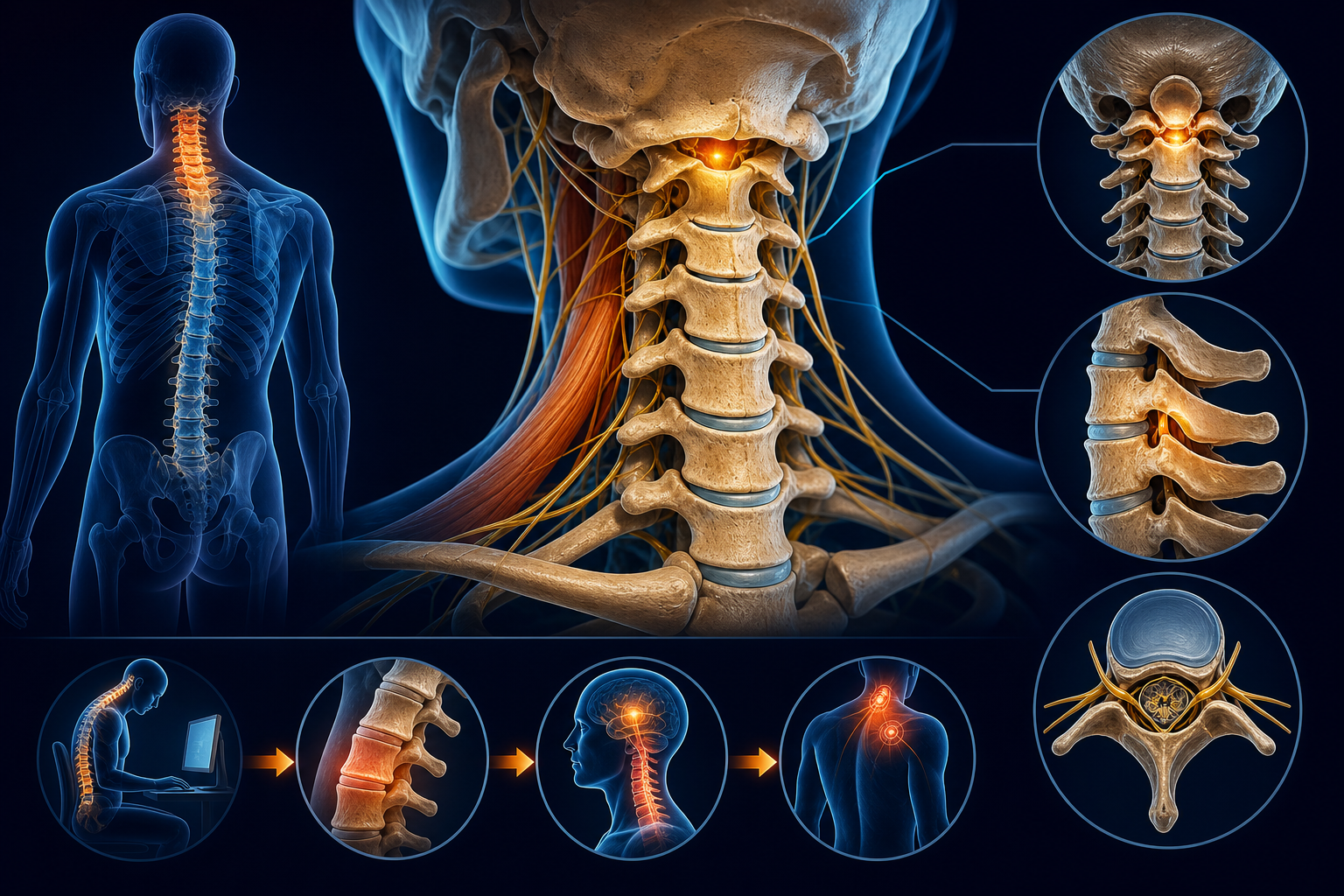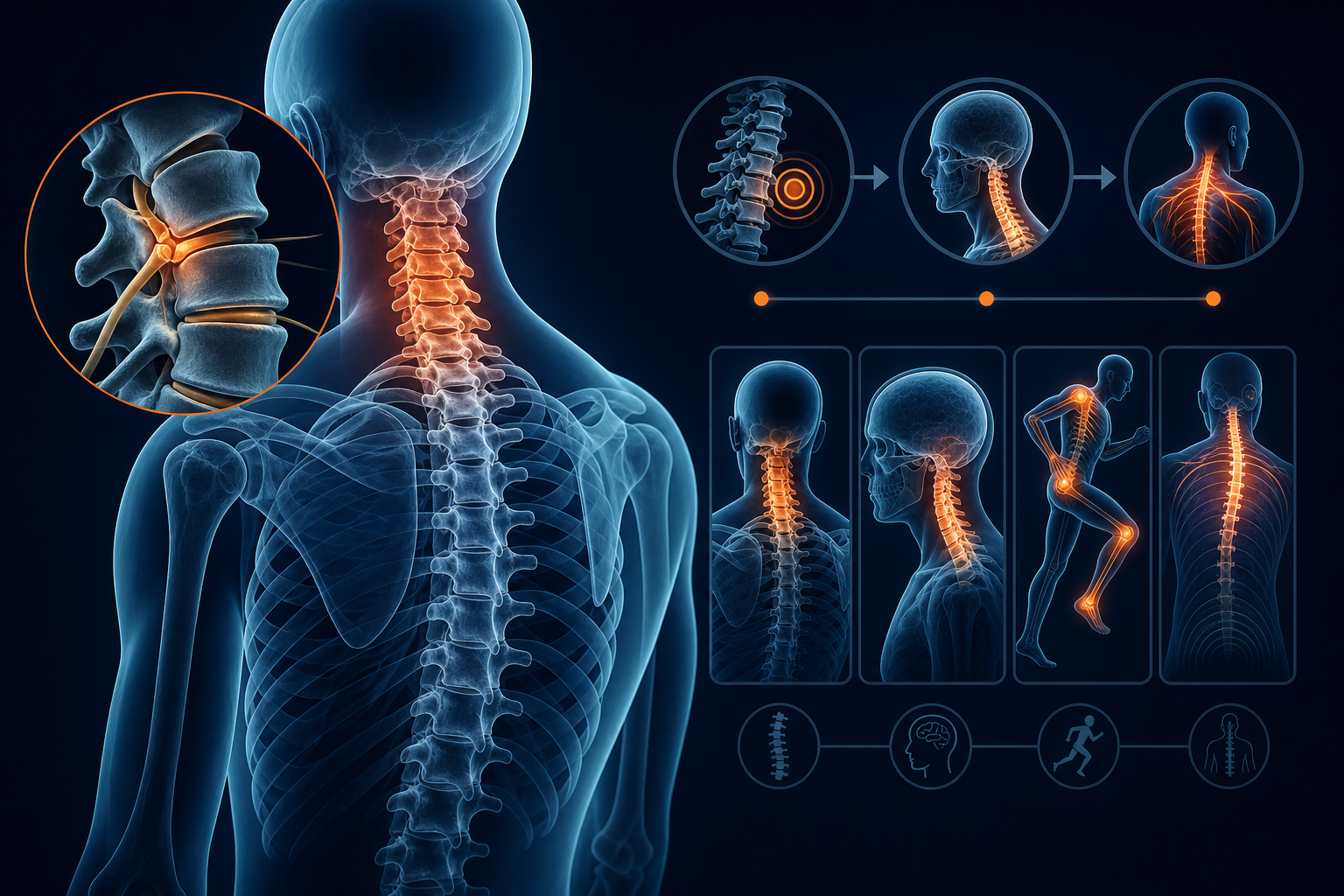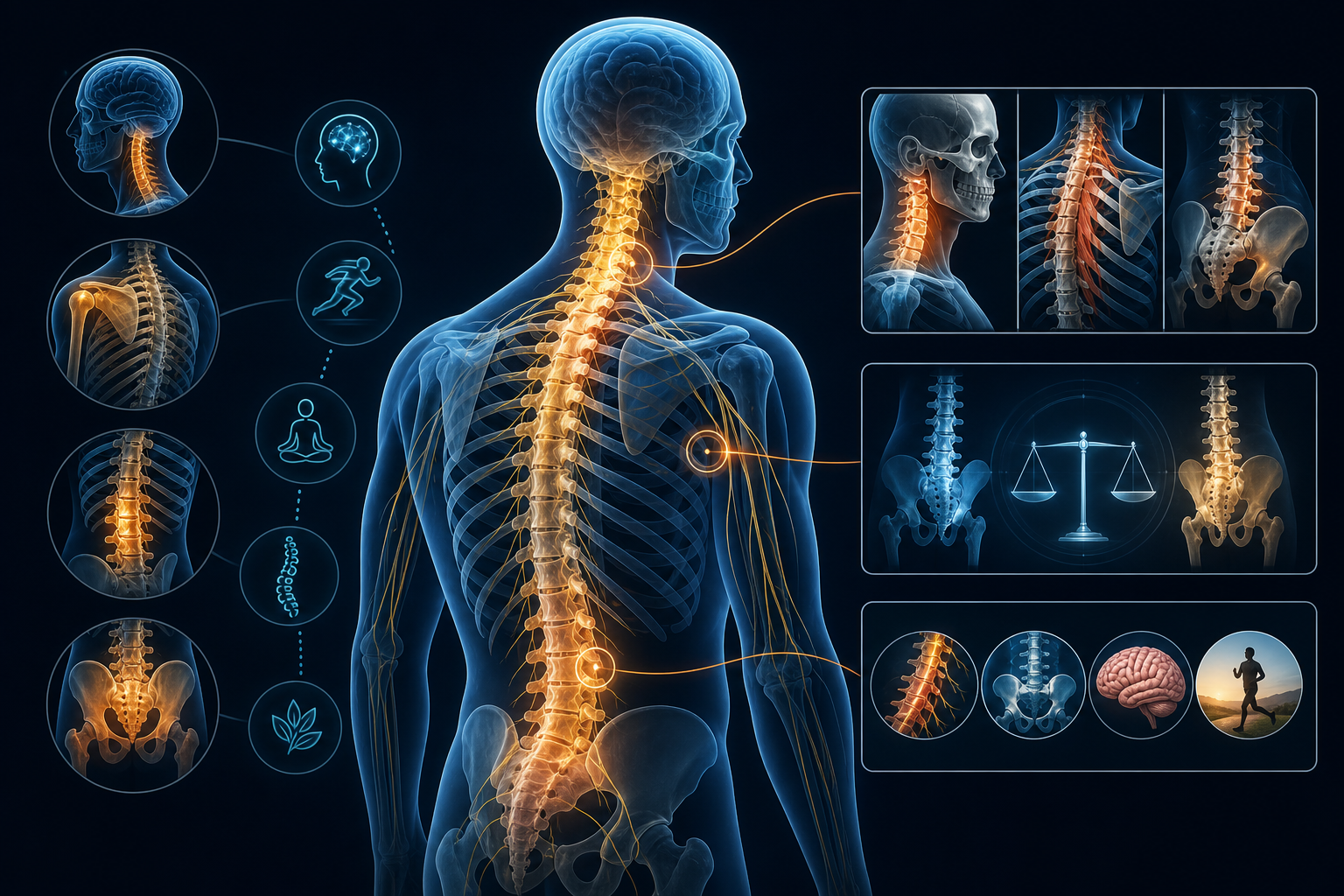
A chiropractor in Sarasota, FL can address back pain, neck stiffness, sciatica, and a range of musculoskeletal complaints using hands-on spinal manipulation — no referral needed in most cases. Whether you're dealing with a herniated disc, chronic lower back tightness from desk work, or radiating pain down your leg, chiropractic care offers a non-invasive starting point. This guide covers what actually happens during treatment, which conditions respond well, and how to pick the right provider in the Sarasota area.
What Chiropractic Care Actually Involves
So what does a chiropractor do for back pain — specifically? A Doctor of Chiropractic (DC) uses controlled force applied to spinal joints that are restricted or misaligned. The goal is restoring normal motion to the facet joints, reducing nerve irritation, and improving function in the surrounding muscles and connective tissue. The most common technique is high-velocity, low-amplitude (HVLA) thrust manipulation — the adjustment that often produces an audible pop (that's gas releasing from the joint capsule, not bones cracking).
But adjustments are only one tool. Most chiropractors in Sarasota also use:
- Flexion-distraction — a gentle, pump-like motion on a segmented table, particularly effective for lumbar disc issues
- Instrument-assisted techniques (Activator, ArthroStim) for patients who prefer lighter force
- Soft tissue mobilization — manual pressure on the piriformis, erector spinae, or upper trapezius to break adhesions
- Therapeutic exercises prescribed for between-visit strengthening
- Ergonomic and postural coaching — especially relevant if you sit 8+ hours a day
A typical treatment plan runs 6–12 visits over 3–6 weeks for an acute complaint, though many patients notice meaningful relief within the first 2–3 sessions. Chronic conditions may require a longer course with gradual spacing of visits. If you're curious whether chiropractic care can help with specific sports-related issues, this breakdown of chiropractic sports therapy covers the performance angle.
What Conditions Do Chiropractors in Sarasota Treat?
Sarasota's population skews active — golf, tennis, pickleball, boating, running. That produces a predictable set of complaints that walk through chiropractic offices here every week.
Back and Lumbar Spine
Pain in the lower back and legs when sitting is one of the most common reasons people seek a chiropractor. That pattern — worse with sitting, better with walking — usually points to lumbar disc involvement, often at the L4-L5 or L5-S1 segment. Disc bulges can compress the sciatic nerve, sending pain, tingling, or numbness down the posterior thigh and into the calf. A chiropractor for herniated disc cases in Sarasota, Florida will typically use flexion-distraction combined with specific McKenzie extension exercises to centralize the pain — meaning push it out of the leg and back toward midline. Most disc-related sciatica cases respond within 4–8 weeks of conservative care.
If you're experiencing leg numbness alongside your back pain, that warrants prompt evaluation rather than a wait-and-see approach.
Neck and Cervical Spine
Chiropractic adjustment for neck pain is the second most frequent service in Sarasota practices. Restricted motion at the C5-C6 or C6-C7 segments produces stiffness, headaches, and sometimes radiating pain into the shoulder blade or arm. Cervical adjustments typically use less force than lumbar work — many providers apply a cervical drop technique or seated diversified approach. Patients with chronic neck tension often benefit from concurrent treatment of trigger points and muscle knots in the upper trapezius and levator scapulae.
A 2017 study in the Annals of Internal Medicine found spinal manipulation combined with exercise produced better outcomes for acute neck pain at 12 weeks than either alone — with effects persisting at one year.
Other Conditions That Respond Well
- Tension-type and cervicogenic headaches — often traced to the suboccipital muscles and upper cervical joints. For more on headache patterns involving the back of the skull, see this guide to occipital neuralgia and chiropractic treatment.
- Thoracic outlet syndrome — compression of nerves between the scalene muscles and first rib
- SI joint dysfunction — common in runners and postpartum patients
- Shoulder impingement and limited ROM
- Plantar fasciitis — addressed through gait analysis and extremity adjustments
What to Expect at Your First Chiropractic Visit in Sarasota
Your first appointment runs 45–60 minutes. Subsequent visits typically take 15–25 minutes. Here's the sequence at most Sarasota chiropractic practices:
- Health history intake — pain location, onset, aggravating/relieving factors, prior imaging, and any existing diagnoses
- Orthopedic and neurological exam — ROM testing, reflex checks, muscle strength grading, and provocative tests (straight leg raise for disc involvement, Spurling's test for cervical radiculopathy)
- X-rays if indicated — not every patient needs them; your provider should explain the clinical rationale
- Report of findings — diagnosis, proposed treatment plan, expected number of visits, and cost estimate
- First treatment — many providers adjust on the first visit if no imaging is needed
Wear comfortable clothing. You won't need to change into a gown for most visits. Arrive 15 minutes early to complete paperwork, or check if the practice offers digital intake forms.
How Do You Choose the Right Chiropractor in Sarasota, FL?
Knowing how to choose a chiropractor near Sarasota means looking past the Google star rating (though that matters too). Focus on these specifics:
- Technique match — if you want gentle, instrument-based care, confirm the provider offers it before booking. If you prefer manual HVLA adjustments, same thing.
- Condition-specific experience — a chiropractor who primarily treats auto-accident whiplash may not be the best fit for a runner's IT band issue, and vice versa
- Evidence-based approach — look for providers who prescribe home exercises, set measurable goals (pain scale reduction, ROM improvement), and discharge you when you're better rather than locking you into indefinite maintenance plans
- Credentials — all DCs must hold a Doctor of Chiropractic degree and pass national board exams. Additional certifications like DACBSP (sports), CCSP, or CCEP (extremities) indicate advanced training
- Insurance and billing transparency — ask about in-network status, per-visit cost, and whether the practice handles pre-authorization
For a deeper walkthrough, this article on finding the right chiropractor covers the evaluation process step by step.
Chiropractic Care vs. Other Conservative Treatment Options
When comparing chiropractic care vs physical therapy for sciatica or other conditions, the distinction is less about "better or worse" and more about mechanism and timing. Both are conservative, non-invasive, and evidence-supported. They often work best together.
Factor Chiropractic Care Physical Therapy Massage Therapy Primary mechanism Joint mobilization and spinal adjustment Targeted exercise and movement retraining Soft tissue release and circulation Best for Joint restriction, acute pain, nerve impingement Post-injury rehab, strength deficits, balance Muscle tension, stress-related pain, recovery Typical visit count 6–12 visits over 3–6 weeks 8–16 visits over 4–8 weeks 4–8 sessions, variable frequency Referral needed? No (direct access in FL) No (direct access in FL since 2006) No Insurance coverage Most plans cover; verify limits Most plans cover; verify limits Limited coverage; often cash-payIs chiropractic safe without resorting to more invasive interventions for back pain? For the vast majority of mechanical back pain — yes. A 2018 analysis in JAMA Network Open found that patients who saw a chiropractor first for low back pain had significantly lower odds of needing escalated interventions within 30 days compared to those who started with other entry points. Spinal manipulation carries a low risk profile when performed by a licensed DC; the most common side effect is mild post-adjustment soreness lasting 12–24 hours.
When to See a Chiropractor — and When to Seek Additional Care
How long does chiropractic treatment take to work? Most patients with acute mechanical back or neck pain report noticeable improvement within 2–4 visits. If you've completed 4–6 visits with zero change in symptoms, your chiropractor should reassess the diagnosis — not simply extend the plan.
When Should You See a Chiropractor vs. Another Provider?
When trying to decide whether you should see a chiropractor vs. an orthopedic specialist, use this framework:
- Start with chiropractic if your pain is mechanical (worse with certain movements, better with others), there's no recent trauma, and you have no neurological red flags
- Seek immediate medical evaluation if you experience loss of bladder or bowel control, rapidly progressive leg weakness, saddle-area numbness (inner thighs, groin), or pain following a significant fall or accident — these suggest cauda equina syndrome or fracture
- Consider co-management if symptoms persist beyond 6–8 weeks of consistent conservative care, or if imaging reveals structural findings requiring specialist review
Timing matters too — early intervention for acute episodes typically produces faster resolution than waiting weeks to see if it resolves on its own.
A Simple Home Exercise for Acute Lower Back Stiffness
Before or between visits, try this basic prone press-up (McKenzie extension):
- Lie face down on a firm surface, hands positioned under your shoulders as if preparing for a push-up
- Slowly press your upper body up, straightening your arms while keeping your hips and pelvis flat on the surface
- Hold at the top for 2–3 seconds, then slowly lower back down
- Repeat 10 times, every 2–3 hours during the acute phase
- Stop immediately if pain increases in the leg — that indicates this direction of movement isn't right for your specific disc issue, and you need professional assessment
What to Do Next
If you're looking for the best chiropractor in Sarasota, FL accepting new patients, start by confirming the provider's technique, experience with your specific condition, and insurance acceptance. Most Sarasota chiropractors offer same-week appointments, and many can see you within 1–2 days for acute pain.
Find a chiropractor in Sarasota, FL through the Medximity directory — you can filter by specialty focus, insurance accepted, and patient reviews. Each provider profile includes credentials, services offered, and direct contact information so you can book without a runaround.
If your pain involves numbness, weakness, or bowel/bladder changes, skip the directory and go to your nearest emergency department. For everything else, a chiropractor is a strong first step.
Explore more health topics on the Medximity blog for condition-specific guides, provider selection tips, and evidence-based wellness information.