If you searched for back in motion fountain inn hours, you are probably trying to answer a practical question: is the office open today, and can you be seen for back pain, neck stiffness, or another movement-related concern? Clinic schedules can change for holidays, staff training, weather, or provider availability, so the safest approach is to confirm hours directly through the practice’s current listing or by phone before you drive over.
This guide explains how to check whether Back in Motion in Fountain Inn is open today, how to find directions and phone information when available, and what to expect if you are planning a chiropractic or physical therapy visit in Fountain Inn, South Carolina. It also covers common reasons patients seek conservative care, including lower back pain when standing and waking up unable to move the neck comfortably after sleeping.
How to Check Back in Motion Fountain Inn Hours
Because clinic hours are subject to change, Medximity does not recommend relying on old screenshots, social media comments, or third-party listings that may not be updated. If you need Back in Motion Fountain Inn hours, look for the most current provider listing and confirm directly with the office whenever possible.
Ways to verify whether Back in Motion is open today
- Check the clinic’s current provider profile. A directory listing may show posted office hours, appointment options, address details, and the Back in Motion Fountain Inn phone number if the practice has made it available.
- Call before visiting. If you are wondering, “Is Back in Motion open today?” calling is often the most reliable way to confirm same-day availability, lunch closures, or holiday changes.
- Use the address from a current listing for directions. For Back in Motion Fountain Inn directions, confirm the exact address first, especially if you are using a navigation app or coming from outside Fountain Inn.
- Ask about appointment type. Some offices offer chiropractic care, physical therapy, rehabilitation, or a mix of services. Availability may differ by provider and service.
If you are comparing options while searching for a chiropractor near me in Fountain Inn, Medximity can help you review local provider options in one place. Patients who are specifically interested in rehab or exercise-based care can also explore physical therapists in Fountain Inn, SC.
When to See a Provider for Back or Neck Pain
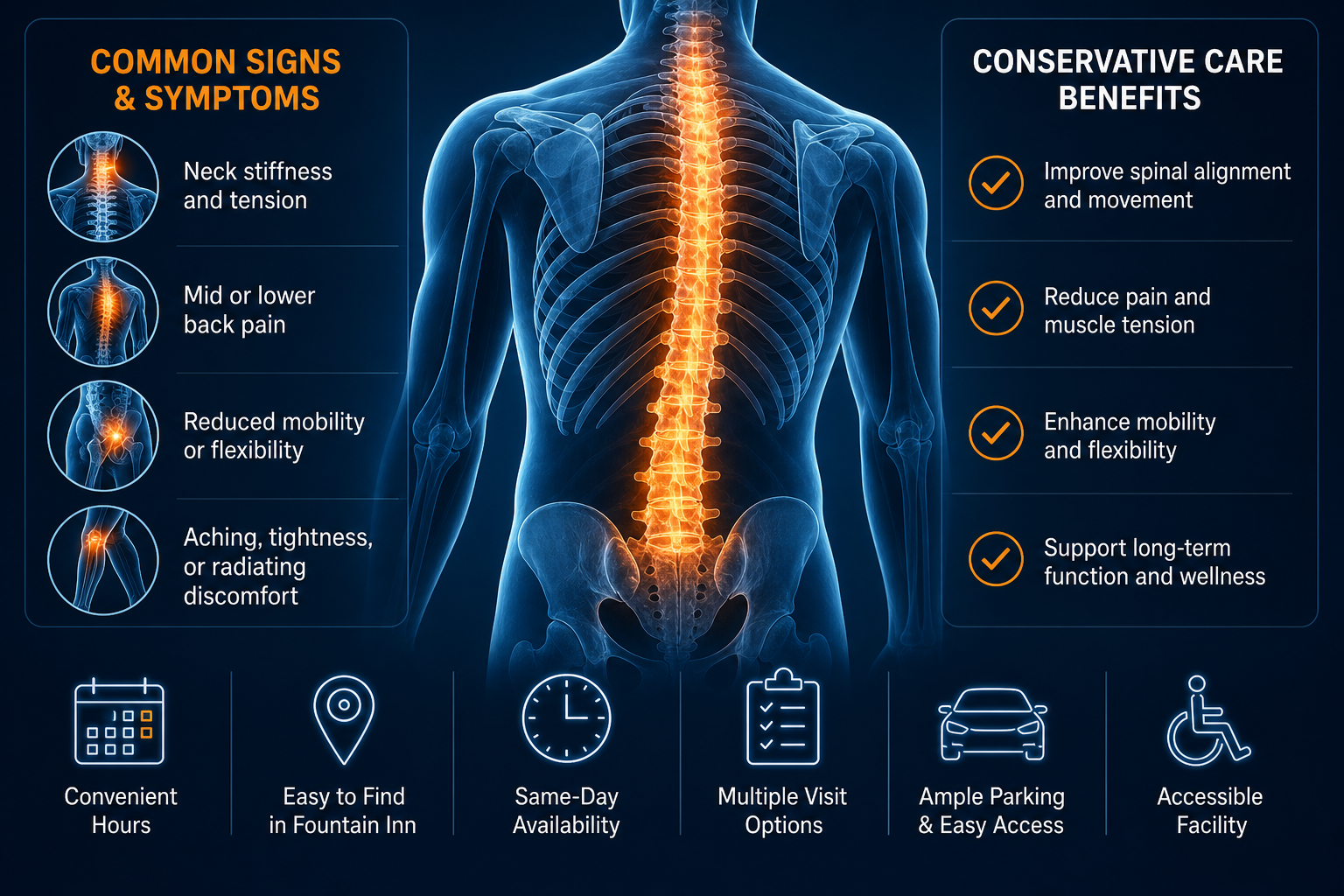
Many people first search for clinic hours after a sudden flare-up: a stiff neck after sleeping, low back pain after standing at work, or pain that returns when lifting, sitting, bending, or driving. Conservative providers such as chiropractors and physical therapists often evaluate musculoskeletal pain, movement limitations, joint stiffness, and function-related symptoms.
Back pain treatment in Fountain Inn
Back pain treatment in Fountain Inn may involve a careful history, movement assessment, hands-on care, therapeutic exercise, posture or ergonomics coaching, and a home plan. The goal is usually to reduce irritation, improve mobility, build tolerance to daily activities, and help patients understand what may be contributing to their symptoms.
Back pain can come from many sources, including irritated joints, muscle strain, disc-related sensitivity, nerve irritation, workload changes, prolonged sitting, or repeated bending and lifting. A provider cannot determine the likely source without an exam, but they can often help identify movement patterns and functional limitations that may be addressed with conservative care. To learn more about common causes and care options, visit Medximity’s guide to back pain.
Lower back pain when standing
Lower back pain when standing may be associated with posture, hip stiffness, core or glute endurance, spinal joint irritation, or tolerance to sustained positions. Some patients notice relief when sitting or bending forward, while others feel worse after a long work shift, waiting in line, or standing on hard surfaces. A chiropractor or physical therapist may assess how your spine, hips, pelvis, and legs move together and may recommend specific mobility or strengthening exercises based on your exam.
Can’t move neck after sleeping
Waking up thinking, “I can’t move my neck after sleeping,” can be unsettling. In many cases, sudden morning neck stiffness is related to muscle guarding, joint irritation, sleep position, pillow height, or a recent activity that stressed the neck. Conservative care may include gentle range-of-motion work, soft tissue techniques, mobility exercises, and education on sleep positioning. If symptoms are severe, worsening, or associated with numbness, weakness, fever, significant trauma, severe headache, dizziness, or other concerning symptoms, seek prompt medical evaluation.
For more general information, Medximity’s neck pain resource explains common patterns and conservative care considerations.
What Chiropractic Care and Physical Therapy May Include
Patients searching for best physical therapy Fountain Inn SC or chiropractic care often want to know what kind of treatment is appropriate. The right approach depends on your symptoms, exam findings, health history, goals, and provider recommendations.
Chiropractic care
Chiropractic care commonly focuses on the spine, joints, muscles, and nervous system as they relate to movement and function. Depending on the provider’s findings, care may include spinal or extremity adjustments, mobilization, soft tissue work, stretching, exercise instruction, posture coaching, and activity modification. Chiropractic treatment may help some patients with pain, stiffness, and mobility limitations, but outcomes vary and should be discussed with a qualified provider.
You can learn more about what this type of care involves in Medximity’s overview of chiropractic care.
Physical therapy without surgery in Fountain Inn
Many patients search for physical therapy without surgery Fountain Inn because they want conservative options before considering more invasive paths. Physical therapy often emphasizes guided exercise, mobility work, balance, strength, gait training, education, and progressive return to activity. It may be used for back pain, neck pain, sports injuries, postural strain, work-related movement issues, and recovery after certain injuries or procedures.
Physical therapy does not replace medical evaluation when red flags are present, and it is not a guarantee that surgery can always be avoided. However, for many musculoskeletal conditions, an individualized rehabilitation plan may help improve function and confidence. Medximity’s physical therapy guide explains how treatment plans are typically structured.
How Long Is a First Chiropractic Visit?
If you are calling to ask about Back in Motion Fountain Inn hours, it is also smart to ask how long to reserve for your first appointment. The answer varies by clinic, provider, and the complexity of your symptoms, but many initial chiropractic or physical therapy visits take longer than follow-up appointments because the provider needs time to understand your history and perform an evaluation.
Typical first-visit steps
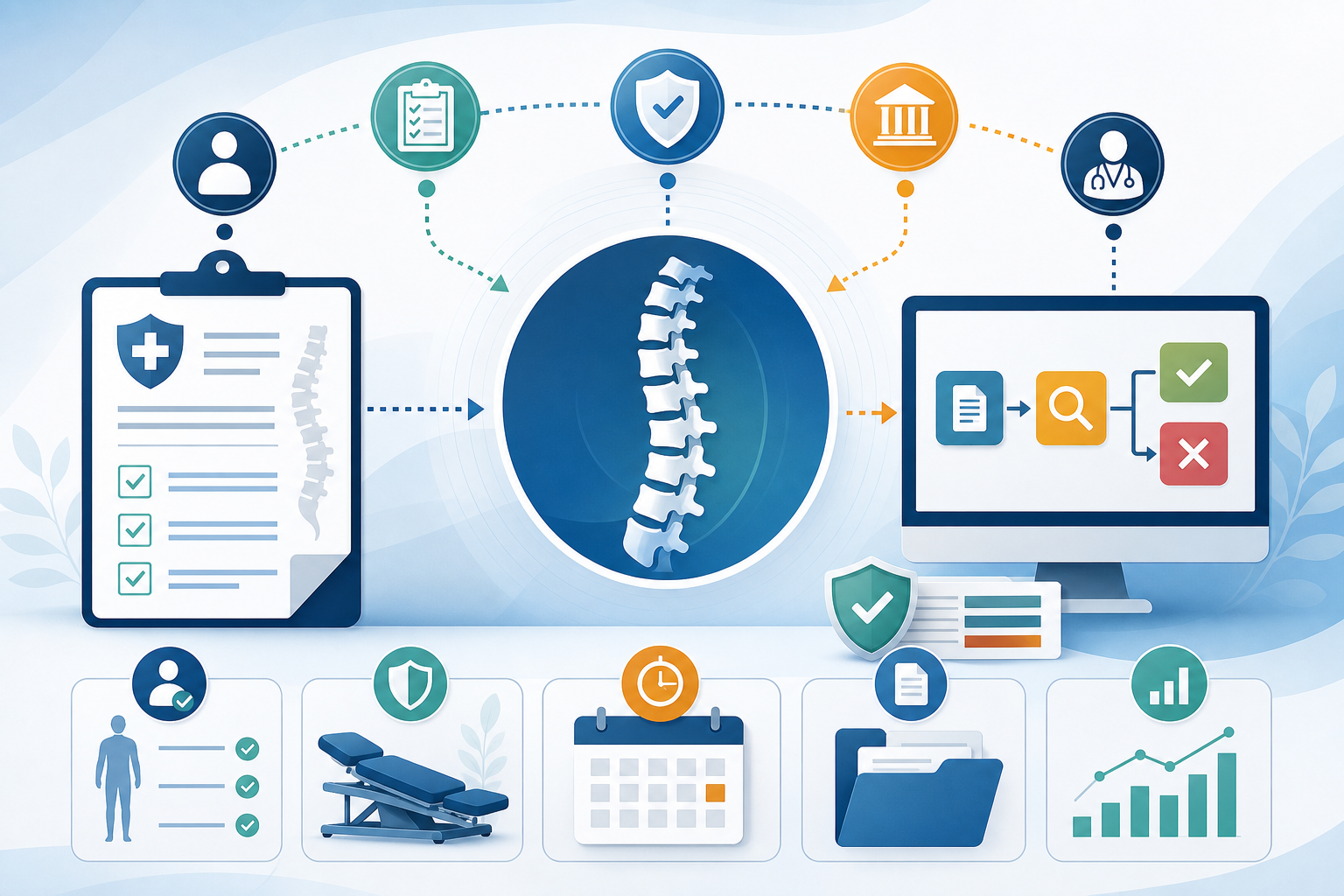
- Intake paperwork. You may be asked about your symptoms, medical history, medications, prior injuries, surgeries, work duties, exercise habits, and goals.
- Consultation. The provider will usually ask when symptoms started, what makes them better or worse, and how they affect daily life.
- Movement and orthopedic testing. This may include range of motion, strength, reflexes, posture, gait, joint motion, or special tests depending on your complaint.
- Plan discussion. The provider may explain likely contributing factors, whether conservative care seems appropriate, and what treatment options may be considered.
- Initial care, if appropriate. Some patients receive treatment at the first visit, while others may need imaging referral, medical clearance, or additional evaluation before treatment begins.
So, how long is a first chiropractic visit? A practical estimate is to allow enough time for both paperwork and evaluation, and to ask the office directly when scheduling. If you are trying to fit an appointment into a workday, ask whether you should arrive early and whether new-patient forms can be completed before your visit.
What to Bring to a Chiropractic or Physical Therapy Appointment
Knowing what to bring to a chiropractic appointment can make the first visit smoother. Requirements vary by office, but most patients benefit from bringing accurate information and clothing that allows comfortable movement.
Helpful items for your first visit
- A photo ID and insurance card, if you plan to use insurance
- Any referral, authorization, or medical records the office requested
- A list of medications and supplements
- Recent imaging reports, if you already have them and the office asks for them
- Comfortable clothing and shoes suitable for movement testing
- Notes about when symptoms started, what aggravates them, and what helps
- Your work, sport, or daily activity goals, especially if pain limits specific tasks
If your concern involves radiating leg pain, numbness, tingling, or symptoms that may be related to sciatica, you may also want to read Medximity’s overview of sciatica and related leg pain before your visit. This can help you describe your symptoms more clearly, though it should not be used to self-diagnose.
Getting Directions and Planning Your Trip in Fountain Inn
Before driving to any appointment, confirm the address, parking details, and entrance location. This is especially useful if you are seeking Back in Motion Fountain Inn directions from a mobile search result or if you are visiting a clinic for the first time. Ask whether the office is located in a standalone building, medical plaza, or shared suite, and whether there are accessibility considerations such as ramps, stairs, or reserved parking.
If you are in pain, give yourself extra time. Rushing, walking long distances, or sitting in traffic can make some symptoms feel worse. If standing or walking is difficult, ask the office whether there is nearby parking or whether someone can help you identify the easiest entrance.
Choosing a Chiropractor or Physical Therapist in Fountain Inn
Finding the right provider is not only about hours. Availability matters, but so do communication style, services offered, clinical approach, insurance or payment options, and experience with your type of concern. When comparing clinics, consider asking:
- Do you treat my type of back, neck, or mobility concern?
- Do you offer chiropractic care, physical therapy, rehabilitation, or a combination?
- How long is the first visit, and what happens during the evaluation?
- What should I bring to the appointment?
- Do I need a referral or prior authorization?
- What are your current hours, and are you open today?
Medximity can help you compare local options, including chiropractors in South Carolina and physical therapists in South Carolina. If you are unsure which type of provider fits your needs, start with the service that best matches your goals: chiropractic care often emphasizes spinal and joint mobility, while physical therapy often emphasizes rehabilitation, strengthening, and functional progression. Many patients benefit from an approach that includes both movement assessment and active home care.
When Symptoms Need Prompt Medical Attention
Most back and neck pain is not an emergency, but some symptoms should be evaluated promptly. Seek urgent medical care if you have new or worsening weakness, loss of bowel or bladder control, numbness in the groin or saddle area, severe pain after significant trauma, fever with spinal pain, unexplained weight loss, chest pain, difficulty breathing, or severe headache with neurological symptoms. These signs do not always mean something serious is present, but they should not be ignored.
For non-emergency concerns, a qualified chiropractor, physical therapist, or other healthcare provider can help determine whether conservative care is appropriate for your situation.
Bottom Line: Confirm Hours, Then Prepare for a Productive Visit
If your main question is back in motion fountain inn hours, the best next step is to verify the office’s current schedule and phone information through a current listing or by contacting the practice directly. Once you know whether the clinic is open today, prepare for the visit by gathering your health information, wearing comfortable clothing, and thinking through the activities you want to return to with less pain or better movement.
Whether you are looking for back pain treatment in Fountain Inn, help with neck stiffness after sleeping, or conservative physical therapy without surgery, an individualized evaluation is the right starting point. A provider can help you understand what may be contributing to your symptoms and discuss care options that fit your goals.
This article is for educational purposes only and is not a substitute for professional medical advice, diagnosis, or treatment. Always consult a qualified healthcare provider about your specific condition. If you may be experiencing a medical emergency, call 911 or seek emergency care immediately.