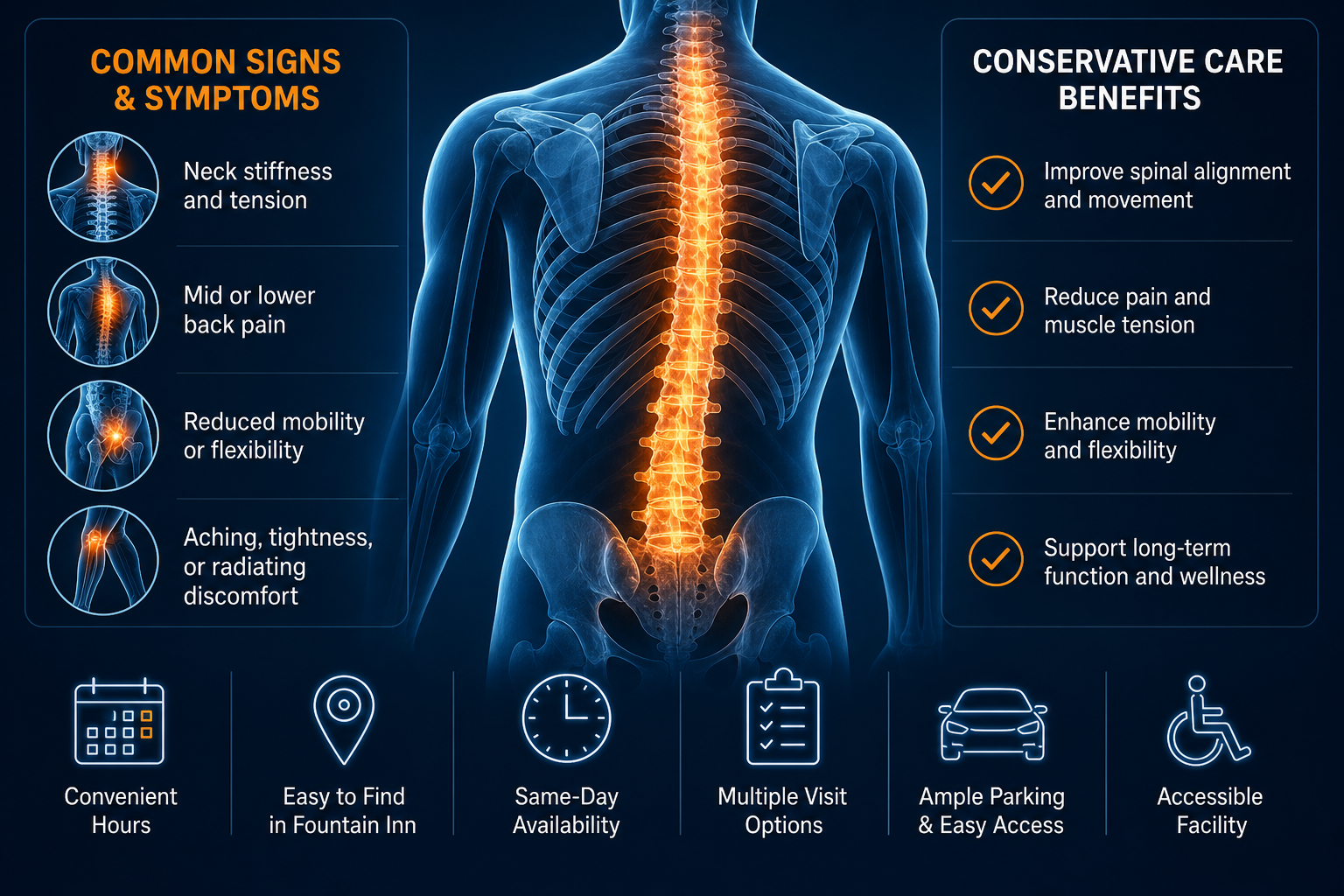
If you are searching for a physical therapy provider directory, you are probably trying to answer a practical question: who near me can help with pain, movement problems, recovery after an injury, or rehabilitation after a procedure? A good directory should make that search easier by helping you compare providers, locations, specialties, accepted insurance information when available, and appointment options in one place.
Medximity is designed to help patients find conservative care providers, including physical therapists, chiropractors, and rehabilitation-focused clinicians. You can start with the Medximity physical therapy directory or search directly for physical therapists near you.
What Is a Physical Therapy Directory?
A physical therapy directory is an online resource that lists physical therapy providers and clinics so patients can compare care options. If you have searched “what is a physical therapy directory” or “physical therapy provider directory near me,” the goal is usually to find a licensed professional who treats your type of concern and is convenient to visit.
Directories may include clinic names, provider profiles, addresses, phone numbers, specialties, patient focus areas, and insurance or payment details when supplied by the practice. Some directories also help you filter by location or type of care, such as orthopedic rehabilitation, sports injury rehab, balance therapy, post-surgical rehabilitation, back pain care, shoulder pain therapy, or knee pain treatment.
The value is not just finding a name. It is being able to narrow your options before you call. For example, someone with pain when walking may look for a physical therapist who commonly works with gait, hip, knee, ankle, or balance concerns. Someone who cannot move a shoulder comfortably may want a provider experienced in shoulder mobility, rotator cuff-related pain, or post-injury rehabilitation.
When Should You See a Physical Therapist?
Physical therapy may help when pain, stiffness, weakness, balance problems, or limited mobility is affecting daily life. A physical therapist can evaluate movement, strength, flexibility, posture, gait, and functional limitations, then build a plan that may include therapeutic exercise, manual therapy, mobility work, balance training, education, and home exercises.
Consider searching a physical therapy provider directory if you are dealing with:
- Back pain that makes sitting, standing, lifting, or sleeping difficult
- Knee pain with stairs, squatting, walking, or exercise
- Shoulder pain or stiffness, including difficulty reaching overhead
- Pain when walking, limping, or feeling unsteady
- Recovery after a sprain, strain, fracture, or surgery
- Recurrent sports or work-related movement problems
- Weakness or deconditioning after illness or inactivity
You should seek urgent medical care for severe symptoms such as sudden loss of strength, loss of bowel or bladder control, chest pain, shortness of breath, major trauma, signs of infection, or rapidly worsening neurological symptoms. For non-emergency concerns, a qualified provider can help you decide whether physical therapy is appropriate for your situation.
How to Choose a Physical Therapist
If you are wondering how to choose a physical therapist, start with fit. The “best physical therapy providers near me” are not always the closest office or the clinic with the most ads. The best fit is usually a provider whose experience, communication style, treatment approach, location, and insurance options match your needs.
1. Match the provider to your condition or goal
Look for a provider who commonly treats the type of issue you are experiencing. If you are looking for physical therapy for back pain near me, review whether the clinic offers spine rehabilitation, core strengthening, mobility work, posture education, and activity modification. You can also read Medximity’s overview of back pain treatment options.
For treatment for knee pain physical therapy, look for experience with strength deficits, gait mechanics, patellofemoral pain, arthritis-related limitations, ligament or meniscus recovery, or return-to-sport programs. Medximity’s knee pain resource explains common conservative care considerations.
For shoulder concerns, physical therapy may help improve range of motion, strength, scapular control, and tolerance for daily activities. If you are searching “physical therapy without surgery for shoulder pain” or “can’t move shoulder physical therapy,” it is especially important to be evaluated so the provider can determine whether your symptoms are appropriate for conservative care. You can learn more in Medximity’s shoulder pain guide.
2. Consider location and schedule
Physical therapy often works best when the plan is realistic. A clinic that is easy to reach from home, work, or school may make it easier to attend consistently. When using a directory, compare office hours, parking, accessibility, and whether the clinic offers early, late, or weekend appointments.
3. Ask about insurance and costs
Many patients search “physical therapy accepts insurance near me.” Coverage varies by plan, provider network, referral requirements, deductible status, and visit limits. A directory may show insurance information, but it is still wise to confirm directly with the clinic and your insurance plan before your first visit. Ask whether the clinic is in-network, whether a referral is needed, and what your estimated out-of-pocket cost may be.
4. Review communication style
A good physical therapist should be able to explain what they are evaluating, why certain exercises or techniques are used, and how your home program supports your goals. You should feel comfortable asking questions and discussing changes in symptoms. If you want a step-by-step comparison process, Medximity’s article on how to choose a physical therapist can help you prepare.
What to Expect at Your First Physical Therapy Visit
Your first visit usually begins with a conversation about your symptoms, medical history, daily activities, goals, and any prior imaging or diagnoses you have been given. The physical therapist may ask when symptoms started, what improves or worsens them, and what activities you want to return to.
The evaluation may include posture observation, range-of-motion testing, strength testing, balance assessment, walking or movement analysis, and functional tasks such as squatting, reaching, bending, or climbing a step. The therapist may also screen for signs that another type of medical evaluation is needed.
Treatment varies by patient, but a plan may include:
- Therapeutic exercises for strength, mobility, and endurance
- Manual therapy such as joint or soft-tissue techniques when appropriate
- Gait training for pain when walking or balance limitations
- Posture, ergonomics, and body mechanics education
- Home exercises to support progress between visits
- Activity pacing and safe return-to-work or return-to-sport guidance
Physical therapy should be individualized. Two people with the same diagnosis may need different plans based on age, health history, irritability of symptoms, job demands, activity goals, and response to treatment.
Physical Therapist vs Chiropractor for Pain
Many patients compare physical therapist vs chiropractor for pain. Both are conservative care providers, but their training and treatment emphasis can differ. Physical therapists often focus on restoring movement, strength, balance, and function through exercise-based rehabilitation, manual therapy, and education. Chiropractors commonly focus on the spine, joints, nervous system, and musculoskeletal pain, often using adjustments or mobilization along with supportive care.
For some patients, one type of provider may be more appropriate than the other; in other cases, both may play a role at different stages of recovery. If you are comparing options, you can browse Medximity’s chiropractic provider directory or search for chiropractors near you. A qualified provider can help you understand whether your symptoms fit within their scope or whether referral to another clinician is needed.
How Long Does Physical Therapy Take?
If you are asking how long does physical therapy take, the honest answer is that it depends. Some mild strains or movement limitations may improve over a few visits. More complex issues, long-standing pain, post-surgical rehabilitation, neurological conditions, or significant weakness may require a longer plan. Frequency also varies; some patients attend once or twice per week, while others need a different schedule based on their condition and goals.
Progress is usually measured by function, not just pain level. Your therapist may track range of motion, strength, walking tolerance, ability to climb stairs, work capacity, sleep comfort, or return to specific activities. If symptoms are not improving as expected, the plan may be adjusted or the therapist may recommend that you follow up with another medical provider.
Using Medximity to Find a Physical Therapy Provider Near You
A physical therapy provider directory can reduce the guesswork in finding care. Start by searching your area, then compare providers based on condition focus, location, scheduling options, and insurance information when available. Read profiles carefully and call the clinic with specific questions before booking.
Whether you are looking for help with back pain, knee pain, shoulder stiffness, pain when walking, or recovery after an injury, Medximity can help you find providers who offer conservative, movement-focused care. Begin with the physical therapy provider directory near you and choose a clinic that feels like the right fit for your goals.
FAQs About Physical Therapy Provider Directories
What is a physical therapy provider directory?
A physical therapy provider directory is an online listing of physical therapists and clinics. It helps patients compare local providers, services, locations, and available practice information before scheduling an appointment.
How do I find the best physical therapy providers near me?
Look for a provider who treats your type of concern, accepts your insurance if that matters to you, has a convenient location, and communicates clearly. The best fit depends on your goals, condition, schedule, and comfort with the clinic.
Can physical therapy help with back pain?
Physical therapy may help some people with back pain by improving mobility, strength, posture, lifting mechanics, and activity tolerance. A therapist can evaluate your movement and create a plan based on your symptoms and goals.
Should I see a physical therapist if I have pain when walking?
Pain when walking can come from many possible causes, including muscle, joint, balance, or gait-related issues. A physical therapist may assess walking mechanics, strength, flexibility, and balance to determine whether conservative care is appropriate.
Can I try physical therapy without surgery for shoulder pain?
Many shoulder problems are first managed with conservative care when appropriate. Physical therapy may help improve motion, strength, and function, but you should be evaluated by a qualified provider to understand what is safe for your situation.
Does physical therapy accept insurance?
Many physical therapy clinics accept insurance, but coverage depends on your plan, network, referral requirements, deductible, and visit limits. Confirm benefits with both the clinic and your insurance company before your first visit.
This article is for educational purposes only and is not a substitute for professional medical advice, diagnosis, or treatment. Always consult a qualified healthcare provider about your specific condition. If you may be experiencing a medical emergency, call 911 or seek emergency care immediately.