Find a provider 社区论坛
For providers 面向律师
登录 律师

了解神经根病:症状、病因与治疗

了解神经根病:症状、病因与治疗

要点摘要

  • Radiculopathy occurs when a nerve root in the spine is compressed or irritated, producing pain, numbness, tingling, or weakness that travels along the affected nerve's pathway — commonly described as a pinched nerve.
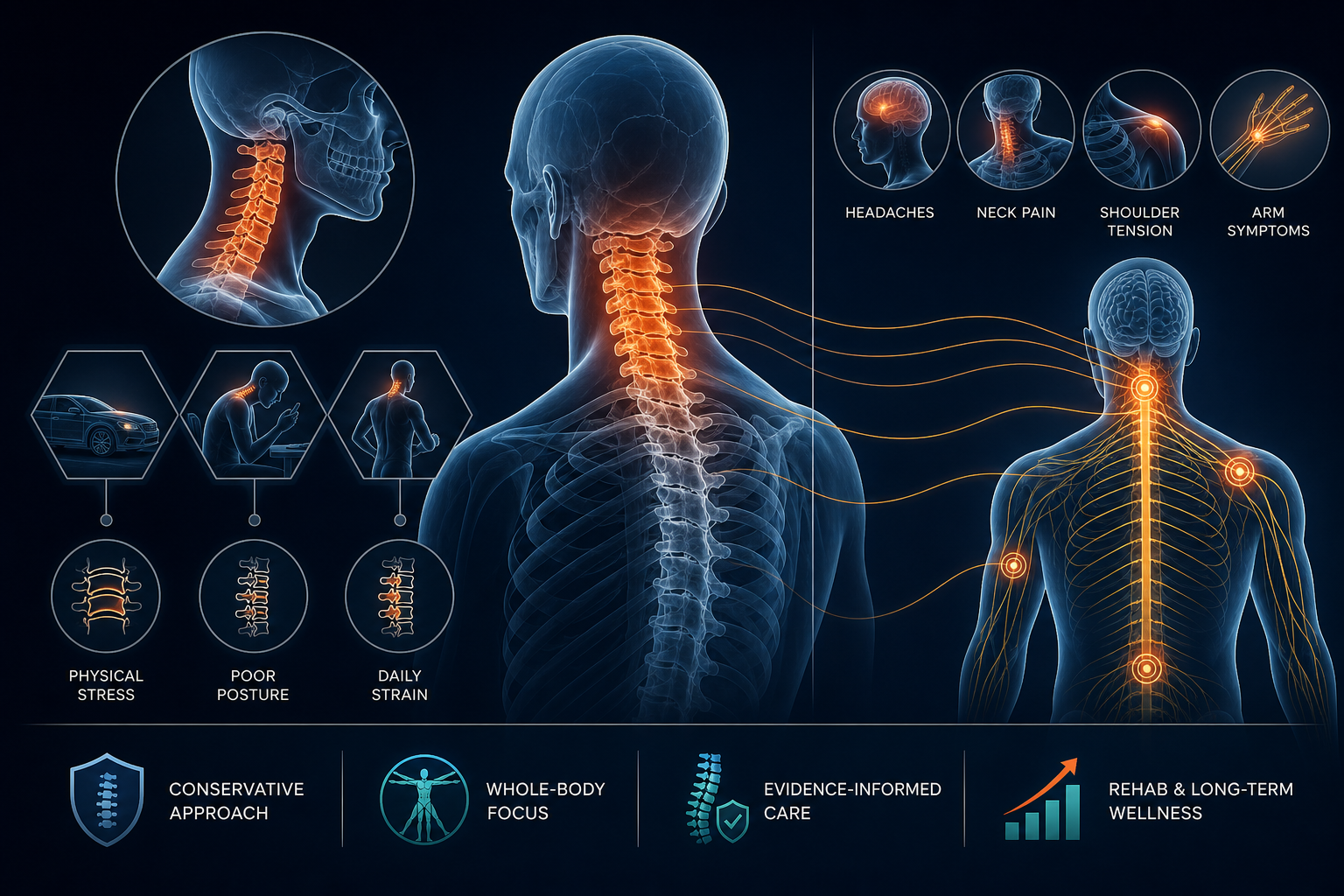
  • The location of nerve root compression determines the symptom pattern: cervical radiculopathy affects the neck, shoulder, arm, and hand, while lumbar radiculopathy commonly produces symptoms into the hip, leg, and foot, including the sciatica pathway.
  • Primary causes include herniated or bulging discs, degenerative changes such as bone spurs and foraminal stenosis, and acute trauma from events such as auto accidents, workplace injuries, or falls.
  • Conservative care approaches — including chiropractic adjustment, physical therapy, rehabilitative exercise, spinal decompression, and soft-tissue therapy — may help reduce nerve root irritation and support functional recovery without invasive intervention.
  • Early evaluation after injury or symptom onset may support both clinical outcomes and thorough documentation, which can be relevant for patients navigating personal injury circumstances alongside their recovery.

什么是神经根病?

神经根病是一个临床术语,指起源于脊柱受压或受刺激的神经根、并沿该神经所支配路径传导的疼痛、麻木、刺痛或无力症状。患者或医护人员有时将其简单描述为脊柱神经受压。这种感觉通常表现为剧烈的刺痛、电击感或灼烧感——并可沿非常特定的路径传导,例如疼痛向下放射至腿部,或麻木感放射至手臂和手指。

这是患者就诊于脊椎指压治疗师和物理治疗师的常见原因之一,在许多情况下,保守的非手术治疗效果良好。如果您正在经历上述症状,合格的医疗服务提供者可以对您的脊柱进行评估,并帮助查明根本原因。在 Medximity 上搜索附近的医疗服务提供者,获取个性化评估。

神经根病的常见症状

由于神经根病属于神经根问题,其症状与普通肌肉酸痛有所不同。患者常描述以下症状:

  • 向手臂或腿部放射的剧烈刺痛或电击样疼痛
  • 手臂、手部、腿部或足部的麻木或刺痛感
  • 受累肢体的肌肉无力
  • 在特定体位下疼痛加重——例如长时间坐立或站立时疼痛
  • 肢体比平时更频繁出现"麻痹"感

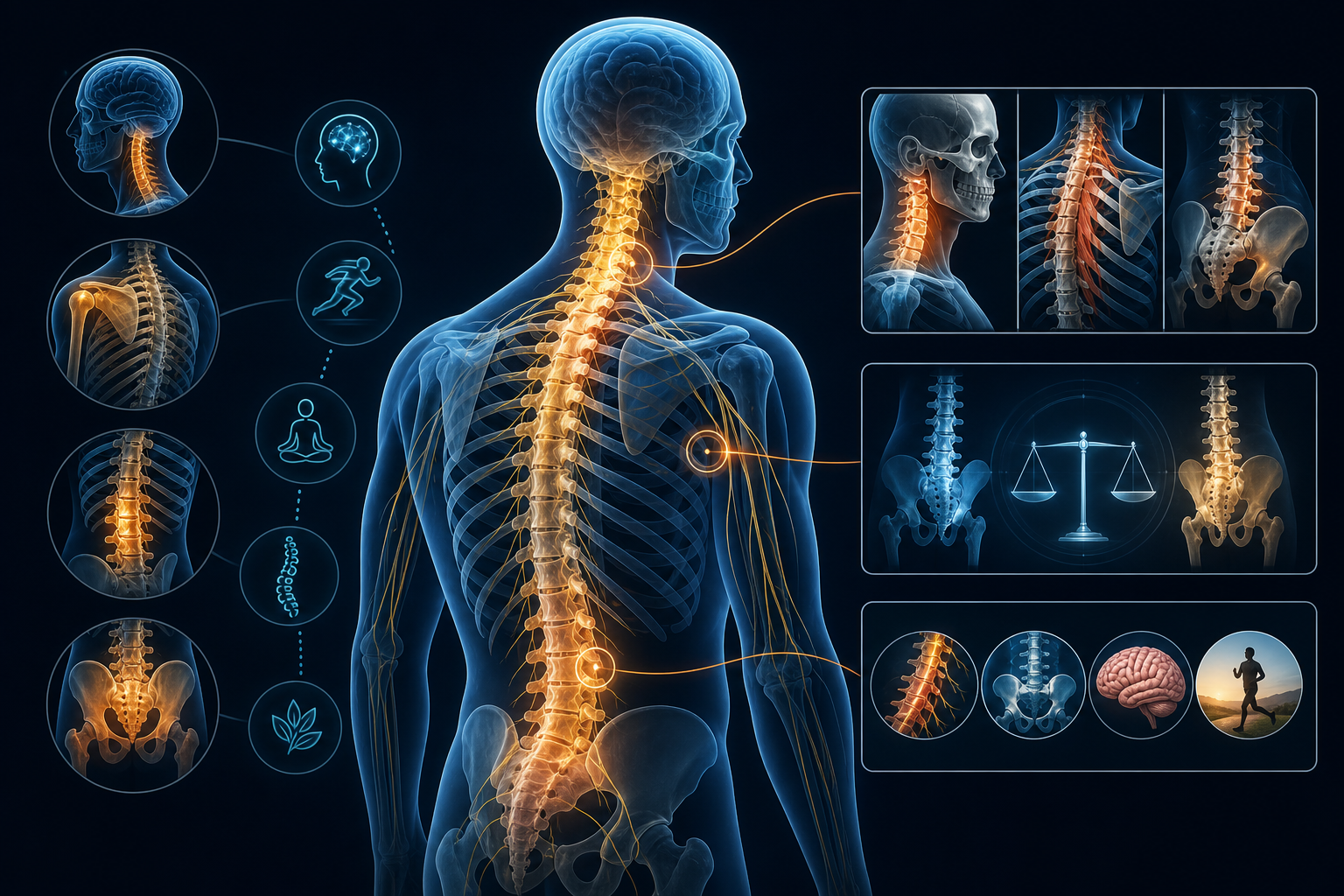
症状因神经根受累的脊柱位置不同而有所差异。最常见的两种类型为颈椎神经根病和腰椎神经根病。

颈椎神经根病:颈部和手臂症状

颈椎神经根病涉及颈椎(颈段脊柱)受压的神经根。典型症状包括手臂、前臂或手指的麻木或刺痛、握力减弱,以及转头时疼痛可能加重。许多颈椎神经根病症状患者会将手臂疼痛误认为肩部或肩袖问题——医疗服务提供者的评估有助于明确疼痛来源。

腰椎神经根病与坐骨神经痛

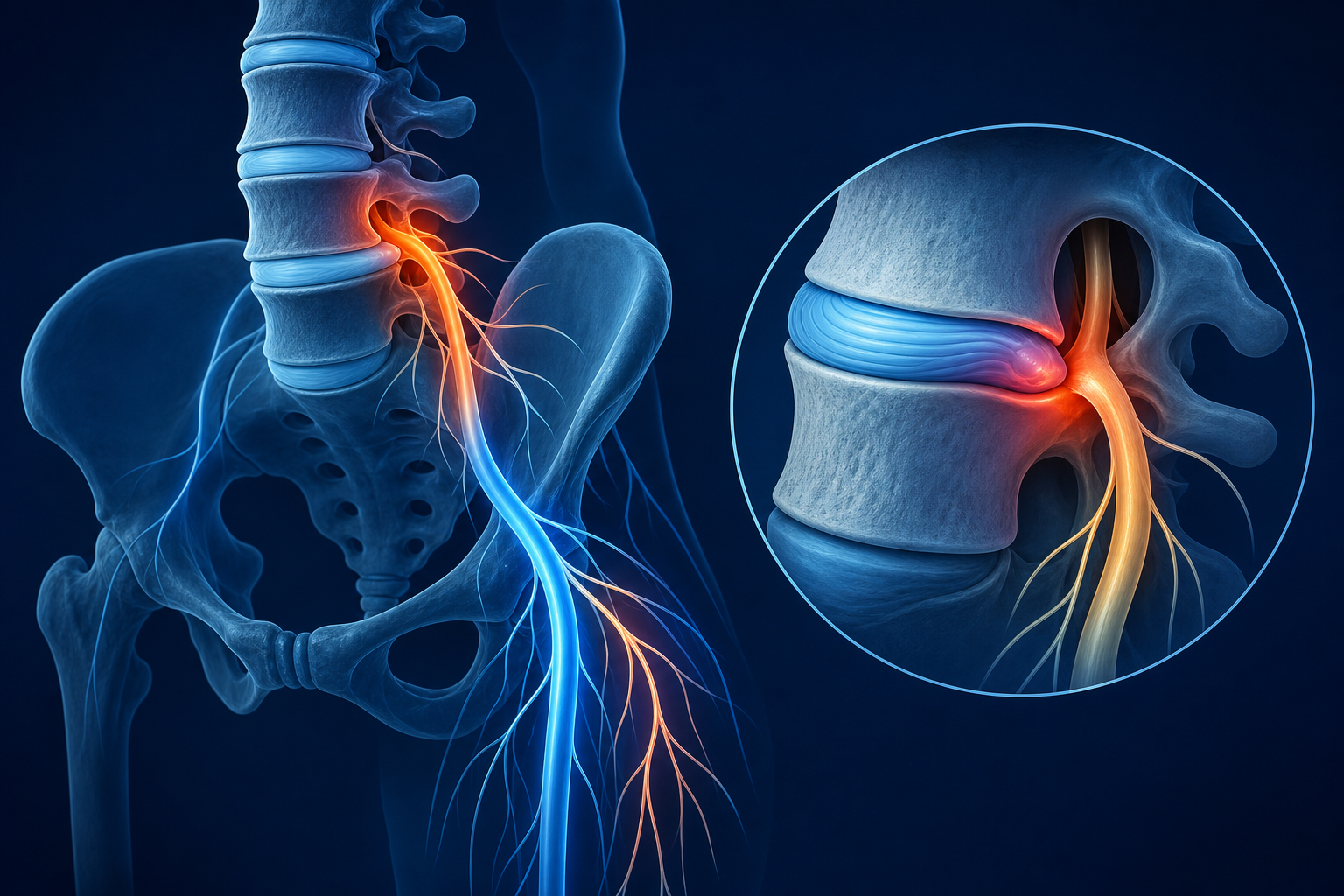
腰椎神经根病影响下背部,可产生向腿部放射的神经性疼痛——当坐骨神经受累时,通常称为坐骨神经痛。患者常会疑惑:"腿部出现放射性疼痛正常吗?"偶发的肌肉痉挛与真正的神经根病有所不同,但从臀部沿腿部后侧延伸至足部的持续性刺痛或灼烧感,则需要专业评估。欲了解更多信息,请参阅我们的相关指南坐骨神经痛与腰椎神经根病

神经根病的病因(神经受压详解)

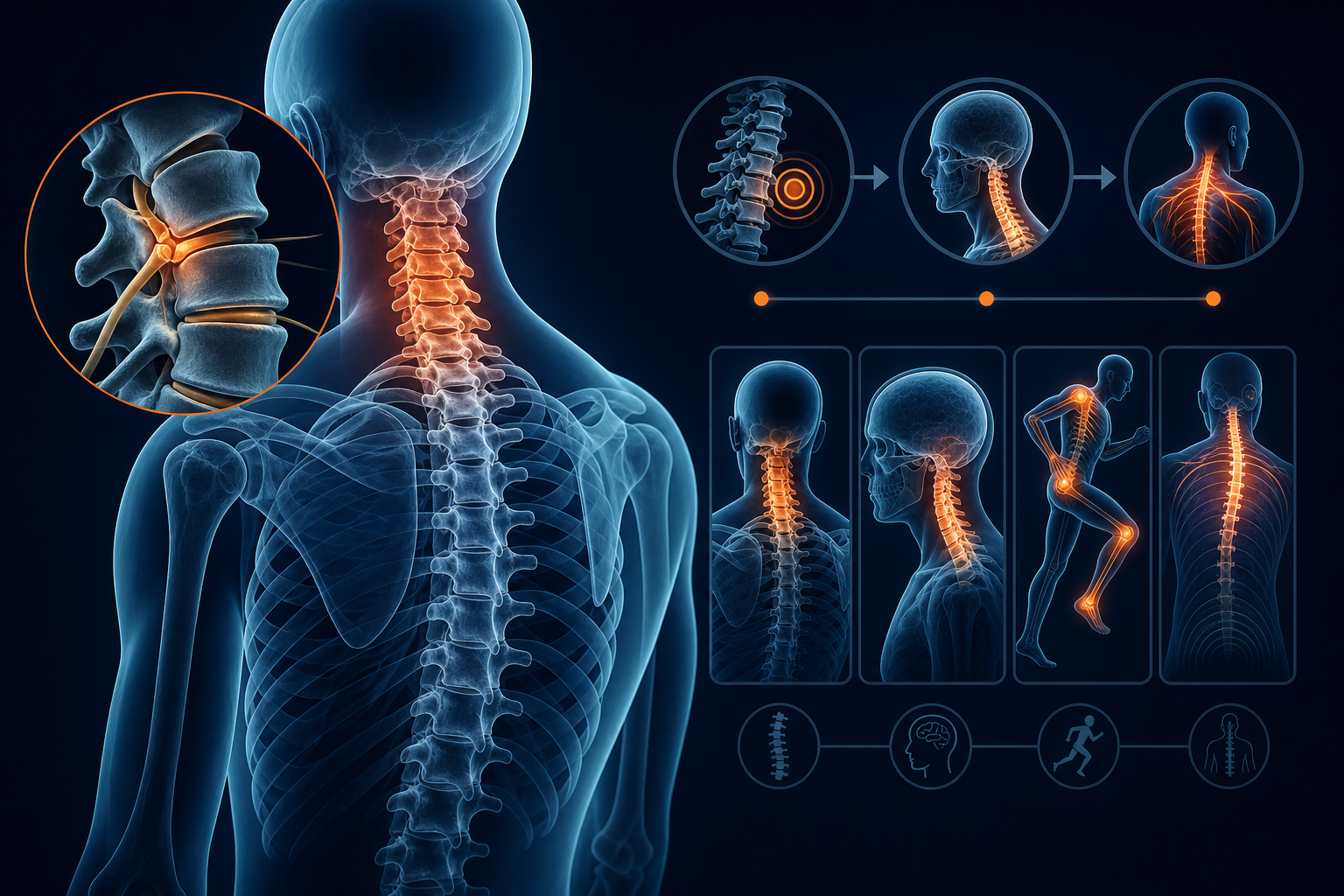
脊柱由椎骨叠加而成,椎间盘在椎骨之间起缓冲作用,神经根从两侧的小孔穿出。当某种因素使该空间变窄并压迫神经根时,即可发生神经根病。最常见的原因包括:

  • 椎间盘突出或膨出:当椎间盘内部的柔软物质向外突出时,可直接压迫邻近的神经根。这也是患者常常询问神经根病与椎间盘突出之间关系的原因——椎间盘突出是神经根病的主要病因之一,而非独立疾病。
  • 退行性椎间盘病变或骨赘:随着年龄增长,椎间盘逐渐变薄,骨赘(骨质增生)可形成并侵占神经根通道。
  • 椎管狭窄:椎管狭窄可压迫多条神经根,通常产生双侧或更弥漫性的症状。
  • 不良姿势与重复性劳损:长时间久坐、重体力搬运或反复扭转动作可增加椎间盘压力,加速神经根刺激。

神经根病的非手术治疗

许多患者通过保守的非手术治疗获得显著缓解。治疗效果因严重程度和病因而异,但研究普遍支持在考虑更具侵入性干预措施之前,先采取逐步保守治疗的方案。神经根压迫性疼痛的自然疗法可能包括:

脊椎指压治疗缓解神经受压

脊椎指压治疗师采用的脊柱手法和松动技术旨在恢复正确的脊柱对位,减少关节受限,并缓解受累神经根所承受的机械性压力。部分患者在接受一个疗程的脊椎指压治疗后,报告放射性疼痛和活动能力有显著改善。在附近搜索专注于脊柱神经疾病的脊椎指压治疗师,探讨该方法是否适合您的情况。

神经根病的物理治疗训练

物理治疗师可为患者制定个性化的拉伸、强化及神经松动训练方案,有助于减轻神经根刺激并预防复发。核心稳定训练、温和的麦肯基力学疗法伸展运动及神经滑动技术是常用的治疗策略。在 Medximity 上搜索具有神经根病治疗经验的物理治疗师

支持性与生活方式策略

工作站的人体工学调整、临时性活动调整、针对性拉伸,以及热敷或冰敷,可在专业治疗的同时辅助康复。这些措施最好作为医疗提供者指导的补充,而非替代。

神经根病需要多长时间才能痊愈?

康复时间因人而异,差异显著。由近期椎间盘刺激引起的轻度神经根病,在坚持保守治疗的情况下,可能在数周内改善。涉及退行性改变的慢性病例可能需要数月的治疗和持续管理。医疗提供者可根据您的影像学结果、症状持续时间及对初始治疗的反应,为您提供切实的预后评估。核心信息是:早期干预通常与更好的预后相关,因此症状持续加重时请勿拖延就医。

何时就医

如出现以下任何情况,请及时寻求专业医疗:

  • 手臂或腿部进行性无力
  • 膀胱或肠道控制功能丧失(需立即急诊评估)
  • 症状在休息后仍迅速恶化
  • 外伤后出现疼痛

对于持续存在但非急症的症状——如手臂或腿部放射性疼痛、持续麻木,或坐立时感到不适——预约脊椎指压治疗师或物理治疗师是合理且有充分依据的第一步。使用 Medximity 医疗提供者目录,查找您附近擅长脊柱疾病的专科医生。

神经根病常见问题解答

神经根病与椎间盘突出有何区别?

椎间盘突出是一种结构性发现——椎间盘内部组织突破了正常边界。神经根病则是指当突出——或其他原因——压迫神经根时所产生的一系列症状(疼痛、麻木、无力)。您可能存在椎间盘突出但无神经根病症状,神经根病也可由骨刺或椎管狭窄等其他原因引起,而非仅由椎间盘突出所致。

腿部放射性疼痛一定是坐骨神经痛吗?

不一定。虽然累及坐骨神经的腰椎神经根病是腿部疼痛的常见原因,但放射性疼痛也可能源于梨状肌综合征、骶髂关节功能障碍或其他疾病。需要进行临床评估——通常包括体格检查和影像学检查——以确定具体病因并制定适当的治疗方案。

神经根病可以不经治疗自行痊愈吗?

轻度病例有时可通过休息和时间自行改善,尤其是由近期轻微椎间盘刺激引起者。然而,持续的神经根压迫若未得到处理,可能导致持久性无力或感觉改变。在许多情况下,保守治疗与更快、更完全的康复相关,这也是通常建议早期评估的原因。

脊椎指压治疗对神经根病安全吗?

对于大多数因椎间盘或关节原因导致颈椎或腰椎神经根病的患者,脊椎指压治疗在经执照临床医生进行适当评估后实施,被认为是安全的保守治疗选择。您的脊椎指压治疗师在推荐具体手法前,会全面了解您的病史及影像学资料。某些情况——如严重不稳定或神经系统症状快速进展——可能需要采取不同的治疗方案,医疗提供者可与您详细讨论。

哪些物理治疗练习对神经根病有帮助?

练习内容取决于神经根受压的部位和原因,但通常包括神经滑动或神经松动技术、核心稳定性训练,以及方向特异性运动(例如针对某些腰椎病例的麦肯基伸展法)。物理治疗师会在制定训练方案前评估您的具体情况——未经评估的自主训练计划有时可能加重症状。
医疗免责声明: 本文仅供参考,不构成医疗建议、诊断或治疗。请务必咨询合格的医疗服务者以获得个性化的医疗指导。如果您正在经历医疗紧急情况,请立即拨打 911 或您当地的紧急电话。

Frequently asked questions

What is the difference between radiculopathy and a herniated disc?
A herniated disc is a structural finding — disc material that has pushed beyond its normal boundary. Radiculopathy is the clinical syndrome that results when that displaced material, or another structure, compresses or irritates a nearby nerve root. Not every herniated disc produces radiculopathy, and radiculopathy can arise from other causes such as bone spurs or foraminal narrowing. A qualified provider can help clarify the relationship between any structural finding and your specific symptoms.
How long does radiculopathy typically take to improve?
Recovery timelines vary considerably depending on the severity of nerve root involvement, how long symptoms have been present, the underlying cause, and individual factors such as age and overall health. Some patients experience meaningful symptom relief within a few weeks of beginning conservative care, while others with chronic or more significant compression may follow a longer course. A conservative care provider can give you a more individualized sense of what to expect based on your examination findings.
Can chiropractic care or physical therapy help with radiculopathy?
Research suggests that conservative approaches including chiropractic spinal manipulation, targeted physical therapy exercise, and spinal decompression techniques may help reduce nerve root irritation and improve functional movement in many patients with radiculopathy. These approaches are often used in combination rather than in isolation. Whether a particular approach is appropriate depends on your specific presentation, and a qualified provider should evaluate your situation before a care plan is established.
What does cervical radiculopathy feel like?
Patients with cervical radiculopathy often describe sharp, burning, or electric pain that begins in the neck and radiates into the shoulder, arm, or hand. Numbness or tingling in specific fingers is also common, and some patients notice weakness in the arm or grip. The exact distribution of symptoms tends to correspond to which nerve root is affected — for example, involvement of the C6 nerve root is often associated with symptoms into the thumb and index finger.
Is radiculopathy the same as sciatica?
Sciatica is a commonly used term for symptoms — pain, numbness, or tingling — that travel along the sciatic nerve pathway from the lower back into the buttock, leg, and sometimes the foot. Lumbar radiculopathy affecting the L5 or S1 nerve root is a frequent underlying cause of what patients call sciatica. The two terms overlap significantly in practice, though radiculopathy is the broader clinical term covering nerve root compression anywhere in the spine.
When should I see a provider for radiculopathy symptoms?
Any new or worsening radiating pain, numbness, or tingling that follows a spinal nerve pathway warrants evaluation by a qualified provider, particularly when symptoms follow an accident or injury. Prompt evaluation is especially important if you experience progressive muscle weakness, or any changes in bladder or bowel function, as these patterns suggest a more urgent level of nerve involvement. Early assessment generally supports better clinical outcomes and more complete documentation of your condition.

来源

  1. Cervical Radiculopathy: A Review — Journal of the American Academy of Orthopaedic Surgeons (2015)
  2. Spinal Manipulation for Low-Back Pain and Radiculopathy: A Systematic Review — Spine Journal (2019)
  3. Clinical Practice Guidelines for the Management of Radiculopathy — North American Spine Society Evidence-Based Clinical Guidelines (2020)
  4. Physical Therapy for Lumbar Radiculopathy: Evidence and Clinical Recommendations — Physical Therapy Journal (2018)

我们使用第一方 Cookie 来运行本网站并了解患者如何找到我们。 隐私