查找医疗服务提供者 社区论坛
面向医疗服务提供者 律师专区
登录

Common Conditions Treated by Obstetricians & Gynecologists

Common Conditions Treated by Obstetricians & Gynecologists

要点总结

  • OB/GYN providers manage a broad range of reproductive health conditions across every life stage, from adolescence through menopause.
  • Common gynecological conditions include polycystic ovary syndrome (PCOS), endometriosis, uterine fibroids, and irregular menstrual cycles.
  • Obstetric care covers prenatal monitoring, gestational diabetes, preeclampsia, and other pregnancy-related conditions requiring specialist oversight.
  • Pelvic floor dysfunction and hormonal imbalances are frequently managed by OB/GYN providers and may overlap with other specialties such as physical therapy.
  • Patients should schedule an OB/GYN appointment for any new pelvic pain, missed periods, abnormal bleeding, or when planning or confirming a pregnancy.

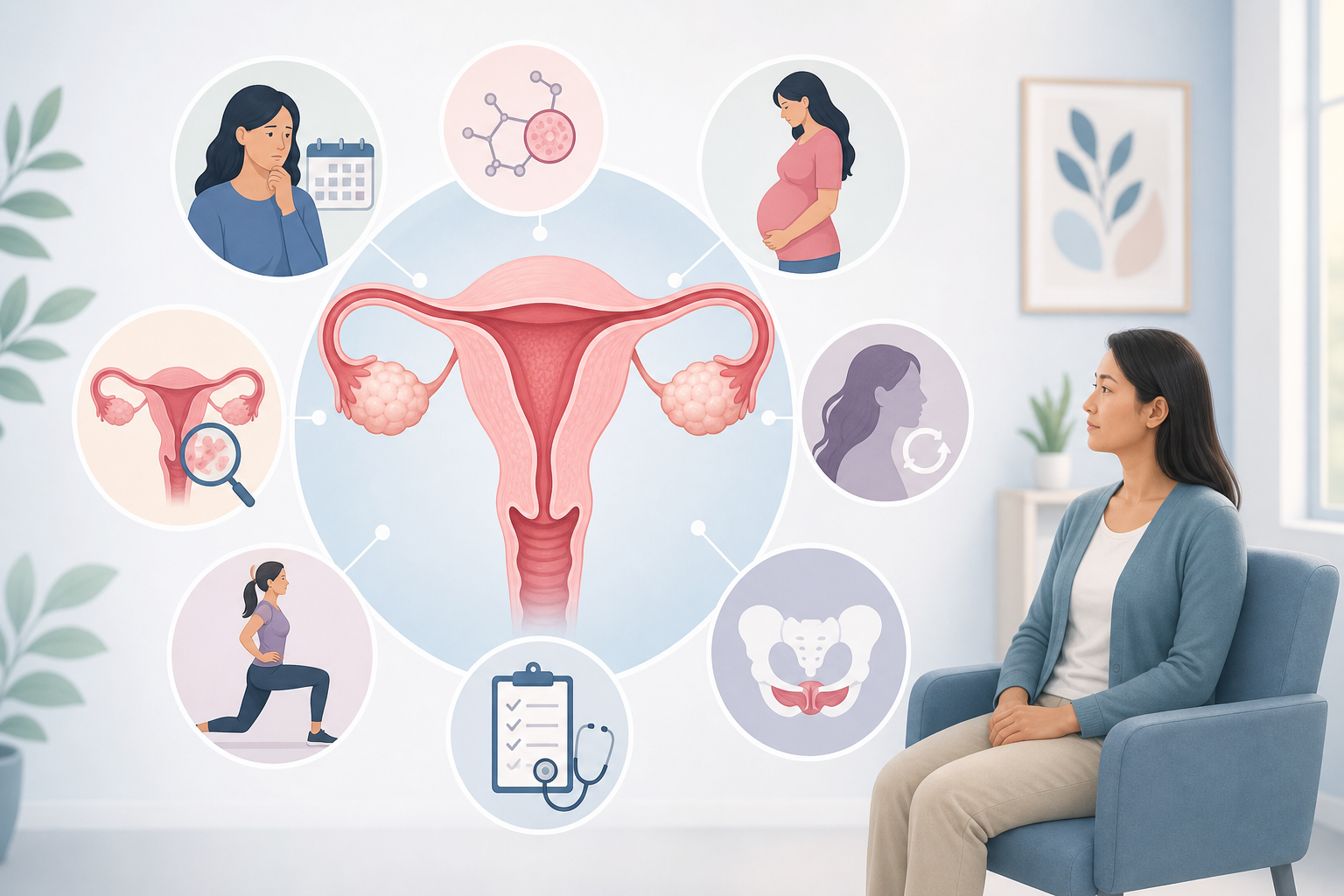
妇产科医生(OB/GYN)诊断和管理影响女性生殖系统的多种疾病,从青春期到更年期,并覆盖妊娠的各个阶段。无论您正在经历月经不规律、盆腔疼痛,还是正面对第一次怀孕,了解哪些情况属于妇产科医生的诊疗范围,都能帮助您更快获得合适的护理。

什么是妇产科医生?

妇产科医生在获得医学学位后,还需完成为期四年的产科和妇科住院医师培训。该专科分为两个不同的临床领域:产科负责妊娠、分娩和产后护理;妇科负责非妊娠状态下的女性生殖系统,包括子宫、卵巢、输卵管、宫颈和阴道。

许多医疗提供者同时从事这两方面的工作。有些人在接受额外的专科进修培训后,会进一步专攻母胎医学、生殖内分泌学或泌尿妇科学。

盆腔和激素相关疾病常与肌肉骨骼不适重叠——下背痛、髋关节功能障碍,以及脊椎按摩师可治疗的疾病,例如骶髂关节刺激,可能与妇科诊断同时存在。OB/GYN与肌肉骨骼医疗提供者之间的协同护理,往往能带来最佳结果。

OB/GYN常治疗的常见妇科疾病

激素和月经障碍

多囊卵巢综合征(PCOS)影响估计每10名育龄女性中的1名。其特点是雄激素升高、排卵不规律,且卵巢上常出现多个小的卵泡囊肿。症状包括月经不规律或闭经、痤疮、多毛,以及受孕困难。

子宫内膜异位症是指类似子宫内膜的组织生长在子宫外,最常见于卵巢、输卵管和盆腔腹膜。它约影响10%的育龄女性,是慢性盆腔疼痛和不孕的重要原因。诊断通常需要临床评估和影像检查;最终确诊以组织学检查为准。

子宫肌瘤是子宫壁的良性平滑肌肿瘤。到50岁时,多达70%–80%的女性会出现肌瘤。许多患者没有症状;另一些则会因大小和位置不同而出现月经过多、盆腔压迫感或尿频。

  • 痛经——疼痛性月经,可为原发性(无结构性病因)或继发性(由子宫内膜异位症、肌瘤或子宫腺肌病引起)
  • 闭经——既往月经规律的女性连续3个月以上无月经来潮
  • 异常子宫出血(AUB)——超出正常月经范围的不规则、量多或持续时间过长的出血
  • 卵巢早衰(POI)——40岁前卵巢正常功能丧失

感染和宫颈健康

盆腔炎性疾病(PID)是上生殖道感染,包括子宫、输卵管和卵巢,通常由宫颈向上蔓延。未经治疗的PID是输卵管性不孕和慢性盆腔疼痛的重要原因。

常规宫颈癌筛查(Pap涂片和HPV联合检测)属于妇科预防保健范畴。美国预防服务工作组建议,21–65岁女性每3年进行一次Pap检查,30岁起可每5年进行一次Pap与HPV联合检测。

孕期常见的产科疾病管理

产科护理从确认妊娠开始,一直持续到产后期——通常为分娩后6至12周。

疾病 妊娠阶段 主要特征 妊娠期糖尿病 在24–28周筛查 妊娠期间出现的胰岛素抵抗;通过饮食、监测,以及必要时使用胰岛素进行管理 子痫前期 20周后,第三孕期最常见 高血压合并蛋白尿或靶器官受累;需要密切监测,且可能需要提前分娩 前置胎盘 在妊娠中期超声检查中发现 胎盘部分或完全覆盖宫颈内口;会引起无痛性阴道出血 妊娠剧吐 第一孕期,8–10周达高峰 严重恶心和呕吐导致脱水和体重下降;程度超过普通晨吐 早产 妊娠37周前 规律子宫收缩伴宫颈变化;需要立即评估

肌肉骨骼症状——尤其是颈痛、下背痛和骨盆带疼痛——在妊娠期间非常常见。OB/GYN常与熟悉产前护理的物理治疗师和脊椎按摩师共同管理这些问题。

盆底和激素健康相关疾病

盆底功能障碍

盆腔器官脱垂是指由于盆底支撑减弱,膀胱、直肠或子宫下降至阴道内或超出阴道管道。大约50%的经阴道分娩女性会受到影响,但许多人没有症状。症状包括盆腔压迫感、下坠感,以及泌尿或肠道功能障碍。

压力性尿失禁——即在咳嗽、打喷嚏或用力时不自主漏尿——源于尿道支撑减弱。盆底物理治疗是针对脱垂和尿失禁的首选、且有循证支持的干预措施。

绝经与围绝经期

绝经在连续12个月无月经后即可确认,通常发生在45–55岁之间。过渡期(围绝经期)可提前4–10年开始,并伴随雌激素水平波动,导致:

  • 血管舒缩症状:潮热、盗汗
  • 绝经泌尿生殖综合征(GSM):阴道干燥、尿急、反复尿路感染
  • 情绪变化、睡眠中断和认知迟钝
  • 骨密度加速流失——是骨质疏松症的直接风险因素

围绝经期的激素变化也会影响结缔组织松弛和关节稳定性。若女性在这一过渡期出现新发关节疼痛,除了接受 OB/GYN 管理外,也可能从脊椎护理治疗关节炎相关症状中受益。

哪些危险信号症状需要紧急 OB/GYN 评估?

大多数妇科就诊属于常规检查。以下症状需要当天或紧急评估:

  • 突然出现严重盆腔或腹痛——可能提示宫外孕、卵巢扭转或囊肿破裂
  • 阴道大量出血,连续两小时每小时浸透超过一片卫生巾
  • 盆腔疼痛伴发热超过101°F——可能为盆腔炎(PID)或输卵管卵巢脓肿
  • 妊娠第三孕期胎动减少
  • 妊娠期间突然出现剧烈头痛、视力改变或右上腹疼痛——可能为重度子痫前期
  • 妊娠中期或晚期阴道出血

如果你出现以上任何一种情况,请立即前往急诊或马上联系你的 OB/GYN。不要等到预约好的门诊时间。

什么时候应安排常规 OB/GYN 预约?

建议所有女性从21岁开始每年进行一次妇女健康检查,无论是否有性生活。如果出现以下情况,请尽早预约:

  • 月经不规律、漏经或经量异常大,持续超过3个月
  • 持续超过一个月经周期的盆腔疼痛
  • 疑似妊娠
  • 新出现或反复出现伴有异味或刺激感的阴道分泌物
  • 显著影响日常生活的围绝经期症状
  • 有卵巢癌或宫颈癌家族史,需要更早或更频繁筛查

纤维肌痛和慢性广泛性疼痛综合征这类情况在女性中更常见,并且可能与妇科诊断并存——尤其是子宫内膜异位症和 PCOS。如果你正在处理重叠的疼痛问题,协调不同专科之间的照护,通常比将每种情况分开处理能带来更好的结果。

下一步该怎么做

如果你在上述任何情况中认出了自己的症状,最明确的下一步就是预约持证 OB/GYN 进行评估。首次就诊时,通常会进行健康史回顾、盆腔检查,并根据症状需要安排影像学检查或实验室检查。请带上你的月经日期记录,以及你注意到的任何症状规律。

对于紧急症状——严重盆腔疼痛、大量出血或妊娠相关警示信号——请立即寻求急诊医疗,不要延误。

对于伴随激素或盆腔问题出现的肌肉骨骼症状——下背痛、髋部疼痛、骨盆带不适——有女性健康经验的物理治疗师或脊椎按摩师可以与你的 OB/GYN 协同工作。许多患者寻求脊椎护理,正是因为这些重叠的症状。浏览 Medximity 健康博客了解更多疾病指南,或搜索附近的医疗提供者,为你的需求找到合适的专科医生。


医疗免责声明: 本文仅供参考,不构成医疗建议、诊断或治疗。如需个性化医疗指导,请务必咨询合格的医疗服务提供者。如遇医疗紧急情况,请立即拨打911或当地急救电话。

常见问题

What types of conditions does an OB/GYN treat?
OB/GYN providers diagnose and manage conditions affecting the female reproductive system, including irregular periods, endometriosis, PCOS, uterine fibroids, ovarian cysts, pelvic pain, and sexually transmitted infections. They also provide prenatal care, manage pregnancy complications, and support patients through menopause. Routine preventive care such as Pap smears and pelvic exams also falls within their scope.
What is the difference between an obstetrician and a gynecologist?
A gynecologist focuses on the health of the female reproductive system outside of pregnancy, treating conditions like endometriosis, PCOS, and menstrual disorders. An obstetrician specializes in pregnancy, labor, and postpartum care. Most providers hold dual training as OB/GYNs, meaning they are qualified to manage both reproductive health conditions and pregnancy-related care.
When should I see an OB/GYN instead of my primary care provider?
You should see an OB/GYN when experiencing pelvic pain, abnormal or missed periods, unusual vaginal discharge, or symptoms that may indicate a reproductive health condition. OB/GYNs are also the appropriate provider for pregnancy confirmation and prenatal care, fertility concerns, menopause management, and annual gynecological exams including Pap smears and breast exams.
Can an OB/GYN help with pelvic floor problems?
Yes. OB/GYN providers frequently evaluate pelvic floor dysfunction, including pelvic organ prolapse and urinary incontinence. They often coordinate care with pelvic floor physical therapists, who use non-invasive techniques such as targeted exercises and manual therapy to restore pelvic floor function. A combined approach between OB/GYN and physical therapy is common for these conditions.
What pregnancy conditions does an OB/GYN manage?
OB/GYNs monitor and manage a range of obstetric conditions including gestational diabetes, preeclampsia, placenta previa, preterm labor risk, and hyperemesis gravidarum. They provide routine prenatal visits to track fetal development and maternal health throughout all three trimesters, and they coordinate postpartum care following delivery.
Is PCOS treated by an OB/GYN?
Yes. Polycystic ovary syndrome (PCOS) is one of the most common conditions managed by OB/GYN providers. It involves hormonal imbalance and irregular ovulation, and it can affect menstrual cycles, fertility, and metabolic health. OB/GYNs typically evaluate symptoms, order relevant lab work, and develop a management plan that may include lifestyle guidance and coordination with other specialists.

参考来源

  1. Polycystic Ovary Syndrome (PCOS): Practice Bulletin — American College of Obstetricians and Gynecologists (ACOG) (2023)
  2. Endometriosis: Diagnosis and Management — American College of Obstetricians and Gynecologists (ACOG) (2022)
  3. Pelvic Floor Disorders: A Clinical Review — Journal of Obstetrics and Gynaecology Research (2021)
  4. Gestational Diabetes Mellitus: Clinical Practice Guidelines — American Diabetes Association — Diabetes Care (2023)

We use first-party cookies to run this site and understand how patients find us. Privacy