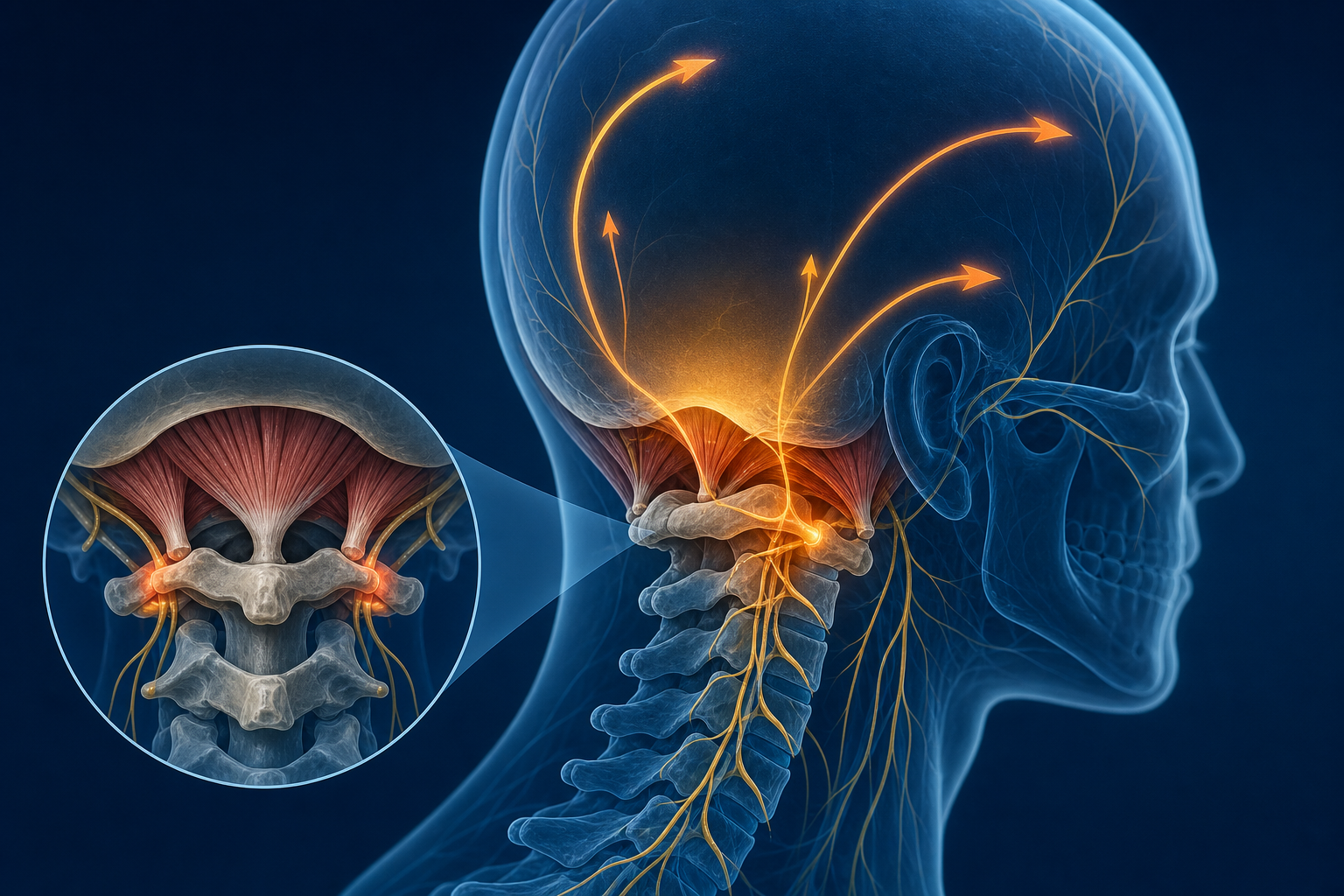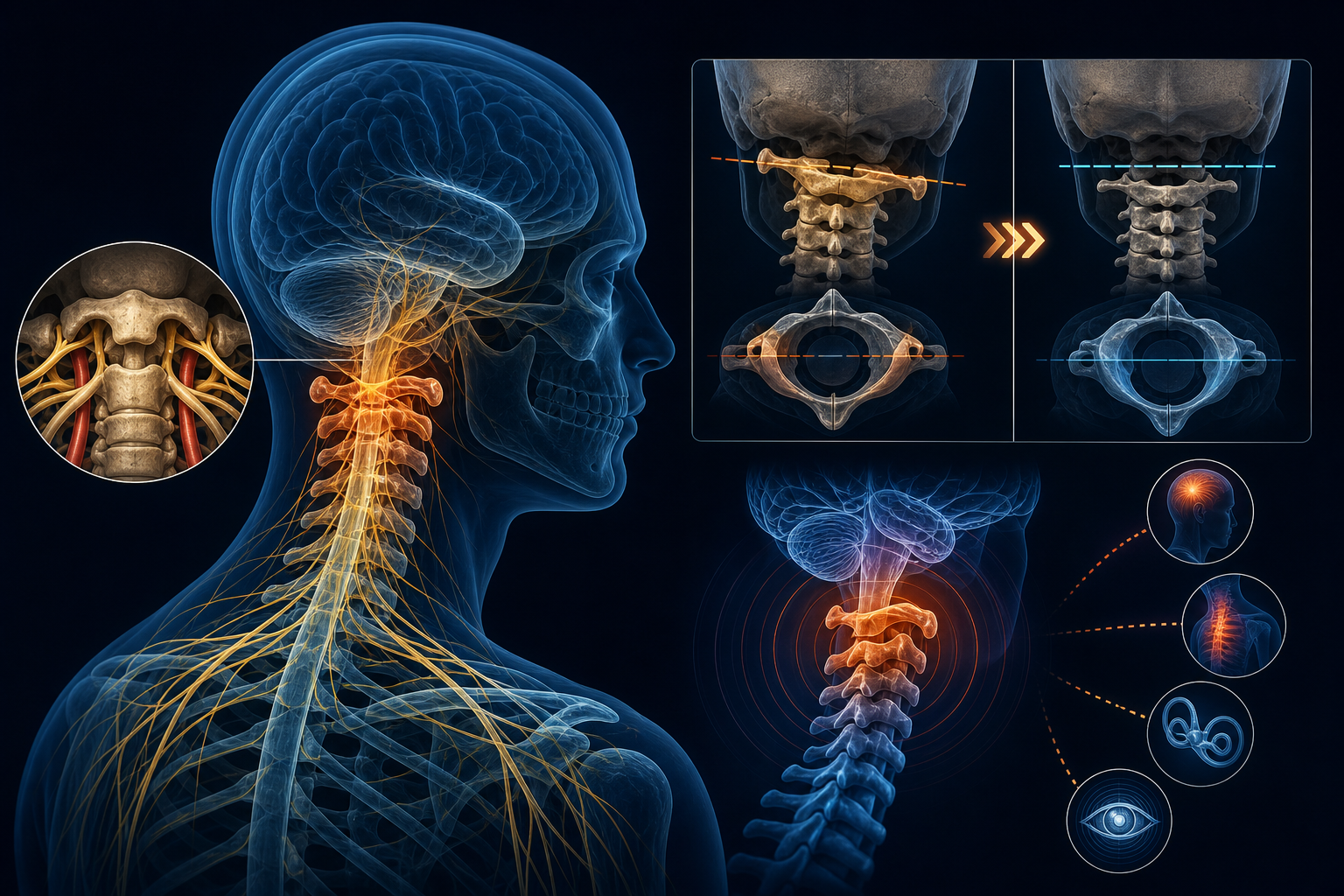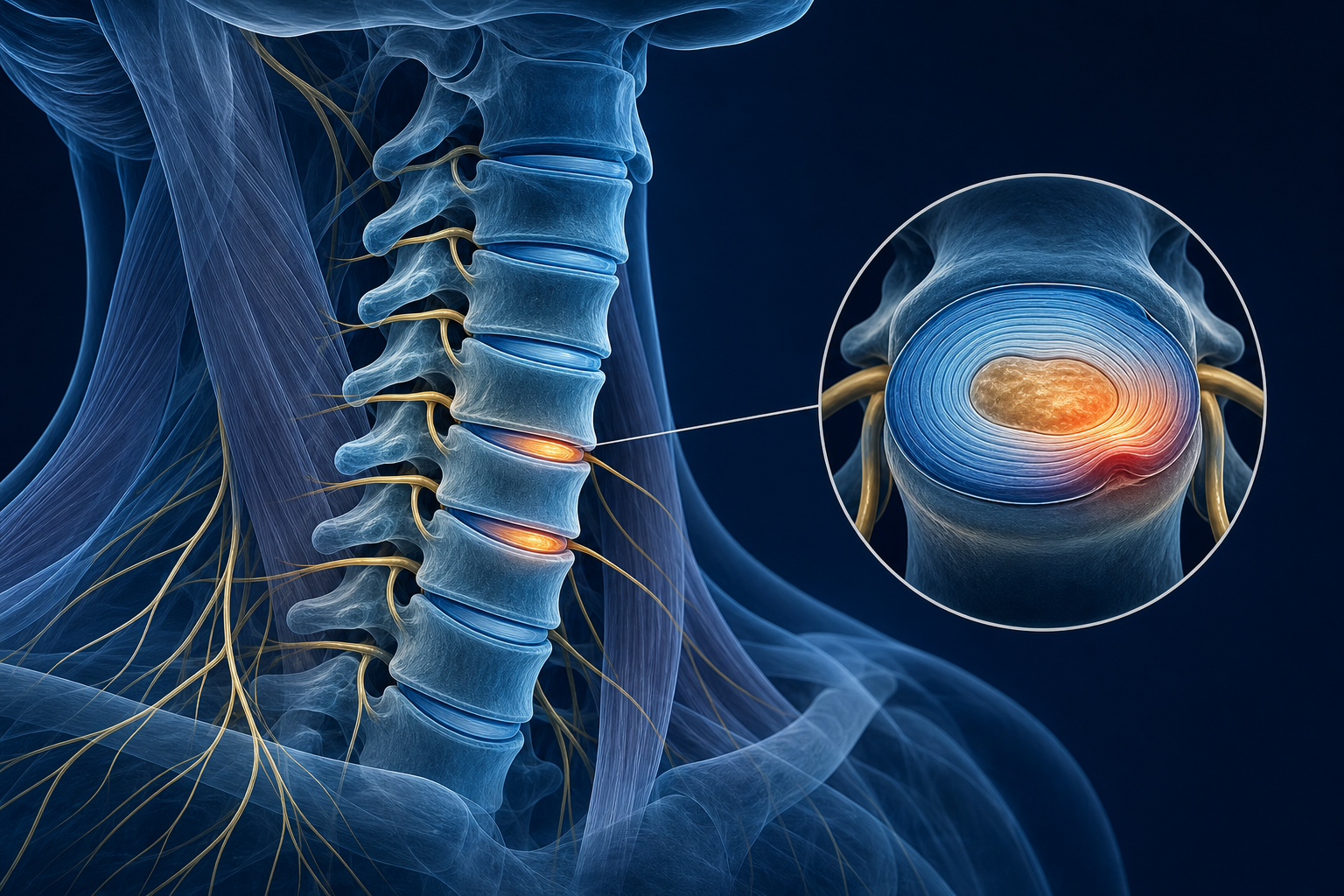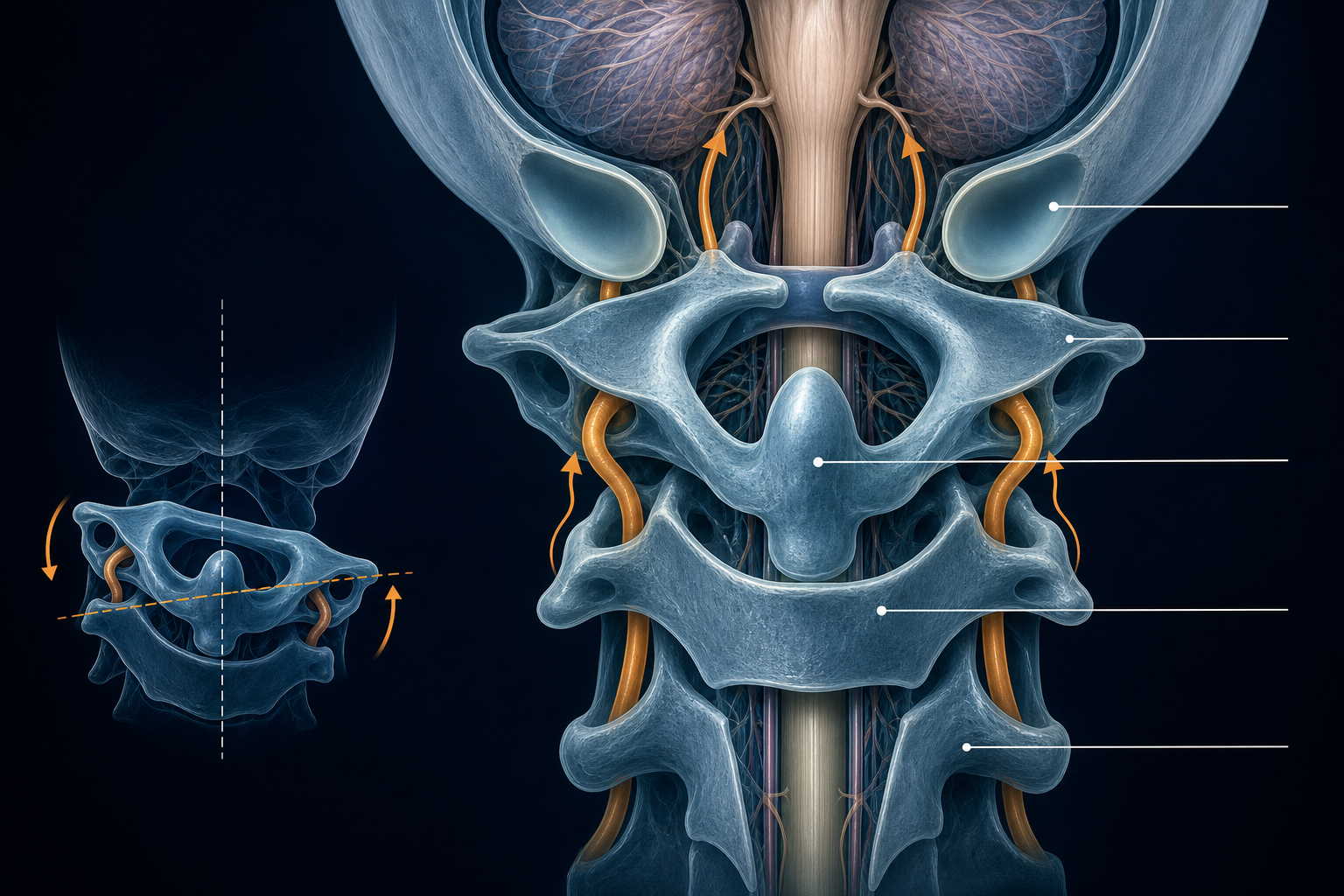
If you've been living with chronic migraines, persistent neck pain, unexplained dizziness, or headaches that seem to start at the base of your skull, you may have heard someone mention upper cervical chiropractic care. This specialized branch of chiropractic focuses on a very small but structurally important area: the top two vertebrae of your spine, called the atlas (C1) and axis (C2). Misalignments here can have a cascading effect on your nervous system, posture, and overall health.
For residents of Dickson, Tennessee and the surrounding communities, finding a qualified upper cervical chiropractor in Dickson, TN is the first step toward understanding whether this approach might be right for your situation. This article explains the care itself, the most common techniques, what your first visit might involve, and the questions worth asking before you book an appointment.
Ready to find a provider now? Search upper cervical chiropractors near Dickson, TN on Medximity.
What Is Upper Cervical Chiropractic Care?
Upper cervical chiropractic is a precise, low-force discipline that concentrates exclusively on the relationship between the uppermost vertebrae and the brainstem. Unlike general chiropractic care — which addresses the entire spine, hips, and surrounding musculature — upper cervical work zeroes in on the atlas-axis junction where the skull meets the spine.
The atlas and axis are unlike any other vertebrae. They have no intervertebral disc between them, they rotate and tilt in ways no other spinal joint does, and they sit in direct proximity to the brainstem and upper spinal cord. When these vertebrae shift even a few millimeters out of their optimal position, research suggests this can influence nerve signaling, blood flow, cerebrospinal fluid dynamics, and postural compensation patterns throughout the body.
Upper cervical chiropractors use detailed imaging — often cone-beam CT scans or precision X-rays taken at specific angles — to measure the exact degree and direction of any misalignment before making a correction. The adjustment itself is typically gentle and does not involve the twisting or audible popping most people associate with chiropractic care.
How Is Upper Cervical Different from Regular Chiropractic?
General chiropractic adjustments treat multiple spinal segments and often use manual manipulation that produces that familiar "crack." Upper cervical care is more like precision carpentry: the provider measures everything carefully, makes a small targeted correction, then re-evaluates to confirm the spine has responded before proceeding. Many patients report that upper cervical chiropractic feels gentler than traditional adjustments, which is one reason it appeals to people who have been hesitant about cracking or twisting maneuvers.
Another distinction is frequency. Upper cervical practitioners often encourage the body to hold its correction rather than scheduling adjustments at fixed intervals regardless of need. Some patients hold a correction for weeks; others need more frequent visits initially. The care plan is driven by objective measurement, not a standard template.
Curious about how general chiropractic care compares? Read our guide on what to expect at your first chiropractic appointment.
Common Upper Cervical Techniques: NUCCA, Blair, and Atlas Orthogonal
Several distinct upper cervical techniques exist, each with its own imaging protocol and adjustment method. When searching for an upper cervical chiropractor near Dickson, TN, you may encounter any of the following:
NUCCA (National Upper Cervical Chiropractic Association)
NUCCA uses a series of precise X-rays taken at specific angles to calculate the exact vector of misalignment. The correction is applied by hand to the side of the atlas with a light, controlled contact — no rotation, no high-velocity thrust. The goal is to restore the head-neck-spine alignment without the body's protective muscle guarding interfering with the correction.
Blair Upper Cervical Technique
The Blair technique also relies on specialized imaging, but it goes a step further by taking individualized joint-specific views of the atlas-axis articulation on each side. Because the geometry of these joints varies from person to person, Blair practitioners argue that individualized views produce a more accurate correction vector. The adjustment is made with a light contact, similar to NUCCA, but the specificity of the pre-imaging is a distinguishing feature.
Atlas Orthogonal Chiropractic
Atlas orthogonal chiropractic treatment — widely practiced in Tennessee and throughout the Southeast — uses a percussion instrument to deliver a precise, reproducible impulse to the atlas. The instrument is calibrated based on X-ray analysis, and the contact is so light that many patients initially wonder whether anything happened at all. This technique is particularly popular among patients who prefer instrument-assisted care or who have conditions that make manual contact less comfortable.
All three approaches share a common philosophy: measure precisely, correct specifically, and verify the change before the patient leaves. If you're unsure which technique a provider uses, asking ahead of time is entirely appropriate — and any reputable upper cervical chiropractor will be happy to explain their method.
What Conditions May Benefit from Upper Cervical Care?
Upper cervical chiropractic is most commonly sought for conditions linked to the head, neck, and nervous system. Research in this area is ongoing and results vary among individuals, but patients frequently report seeking upper cervical care for:
- Migraines and chronic headaches — Upper cervical care for migraines is one of the most researched applications of this specialty. Some studies suggest that atlas misalignment may be associated with migraine triggers in certain individuals, and a number of patients report reduced frequency or intensity of migraines following correction.
- Cervicogenic headaches — These are headaches that originate from the neck structures themselves. Because upper cervical care directly addresses that region, it is often considered a natural treatment option for cervicogenic headaches without surgery.
- Neck pain and stiffness — Chronic tension or restricted movement in the cervical spine is a common reason people seek this type of care.
- Dizziness and vertigo — The inner ear and vestibular system are closely related anatomically to the upper cervical spine. Some patients with positional dizziness find upper cervical care helpful, though anyone experiencing sudden or severe dizziness should first rule out other causes with their primary care provider.
- Concussion recovery support — Post-concussion symptoms sometimes involve upper cervical dysfunction, and some providers who specialize in concussion care incorporate upper cervical assessment as part of a broader rehabilitation approach.
- Postural imbalance — An unlevel atlas can drive compensatory posture throughout the entire spine, affecting shoulder height, hip balance, and gait.
It is important to understand that upper cervical chiropractic is not a treatment for all conditions, and no provider should guarantee a specific outcome. The decision to pursue care should be made in collaboration with a qualified clinician who reviews your imaging and health history.
Learn more about chiropractic care for migraines and headaches or explore neck pain causes and conservative treatment options on Medximity.
What to Expect at Your First Upper Cervical Chiropractic Visit in Dickson
Your first visit with an upper cervical chiropractor in Dickson, TN will typically feel more like a thorough assessment than a treatment session. Here is a general outline of what that process looks like — though practices vary, so confirm the specifics with your chosen provider.
Comprehensive Health History
The provider will review your full health background — past injuries (especially to the head, neck, or spine), surgeries, current symptoms, medications, and any prior chiropractic or physical therapy care. Accidents involving whiplash, falls, or sports impacts are particularly relevant, even if they occurred years ago.
Postural and Neurological Screening
Many upper cervical offices use postural analysis, leg-length checks, or surface EMG readings to identify asymmetries that suggest an atlas problem. Some use thermal scanning along the spine to look for nerve interference patterns.
Precision Imaging
Before any adjustment is made, most upper cervical practitioners take a series of specialized X-rays or, in some offices, a cone-beam CT scan. These images are analyzed to determine whether a subluxation (misalignment) is present and, if so, exactly how the atlas has shifted. You will not receive an adjustment on the first visit until imaging is reviewed.
The Adjustment (If Indicated)
If the imaging confirms an upper cervical subluxation, the adjustment is made — usually while you are lying on your side or seated. The contact is brief and gentle. Afterward, you will typically rest for 10 to 20 minutes, and a post-check is performed to confirm your spine has responded.
Care Plan Discussion
The provider will explain the findings, what correction was made, and what a realistic care plan might look like. This is the right moment to ask about expected visit frequency, how progress is measured, and what you can do at home to support your results.
How Long Does Upper Cervical Chiropractic Take to Work?
This is one of the most common questions new patients ask, and the honest answer is: it depends. Some people notice meaningful changes within the first few visits. Others — particularly those with longstanding structural issues or chronic conditions — may need several months of consistent care before they see significant progress.
Upper cervical care is not a quick fix, and any provider who promises rapid, guaranteed results should be approached with skepticism. What a good upper cervical chiropractor can offer is an objective, measurable approach to correction and an honest conversation about your individual prognosis based on your imaging and history.
Progress is typically tracked through follow-up imaging, repeat postural assessments, and your subjective report of symptoms. If you are not seeing any change after a reasonable trial period, your provider should be open to discussing why and whether a referral to another specialist makes sense.
Explore our article on how many chiropractic visits it takes to see results for a broader look at chiropractic care timelines.
Questions to Ask an Upper Cervical Chiropractor Before Your Appointment
Before committing to a care plan, it is worth preparing a few targeted questions. A transparent, experienced provider will welcome them.
- Which upper cervical technique do you use, and why? (NUCCA, Blair, Atlas Orthogonal, or another approach)
- What imaging do you take, and how is it used to guide my adjustment?
- Have you worked with patients who have my specific condition?
- How will we measure progress, and how often will you re-image or re-assess?
- What are the risks associated with upper cervical adjustments for someone with my health history?
- How long do most of your patients hold their correction between visits?
- Will you co-manage care with my primary care physician or neurologist if needed?
Good communication with your provider from the start leads to better outcomes and clearer expectations. If a chiropractor is evasive about any of these questions, that itself is useful information.
Finding an Upper Cervical Chiropractor Near Dickson, TN
Dickson sits in a part of Middle Tennessee with growing access to conservative healthcare options. Whether you are coming from Dickson itself, Charlotte, Burns, White Bluff, or the greater Nashville metro area, the Medximity directory makes it straightforward to compare providers, read credentials, and request an appointment without making a phone call.
When reviewing provider profiles, look for documented upper cervical training or certification, clear communication about the techniques used, and whether the practice uses digital or cone-beam imaging. These details matter when selecting care that is this precise.
Search for upper cervical chiropractors in Dickson, TN and surrounding communities on Medximity. You can filter by specialty, technique focus, and insurance participation to find the right fit for your situation.
You may also find it helpful to explore chiropractic providers across Tennessee if you are willing to travel for a highly specialized practitioner.
Frequently Asked Questions
Is upper cervical chiropractic safe without cracking or twisting?
Upper cervical adjustments are generally considered low-force and do not involve the high-velocity thrust associated with traditional spinal manipulation. Most patients find the experience comfortable and are surprised by how gentle the contact is. As with any form of healthcare, individual factors — including your health history, any prior spinal surgeries, or existing vascular conditions — affect what is appropriate for you. Your provider will review these before proceeding.
Can upper cervical care help neck pain and dizziness?
Many patients seek upper cervical care specifically for neck pain and dizziness, and some report meaningful improvement. The upper cervical spine is anatomically connected to structures that influence balance and vestibular function, which is why this area of the spine is considered relevant to certain types of dizziness. That said, dizziness has many possible causes, and a proper evaluation is important before attributing it to an atlas problem.
What is the difference between NUCCA and Blair upper cervical technique?
Both NUCCA and Blair use precision X-ray imaging and gentle, instrument-free adjustments. The main distinction is in the imaging protocol: NUCCA uses standardized views to calculate the misalignment vector, while Blair takes individualized joint-specific views of each side of the atlas-axis articulation, accounting for natural variation in joint geometry from person to person. Both are recognized upper cervical methods with trained practitioners across the country.
How is atlas orthogonal different from hand-delivered upper cervical adjustments?
Atlas orthogonal uses a precisely calibrated percussion instrument — set to a specific force based on your X-ray analysis — rather than direct hand contact. The instrument delivers a reproducible impulse that many patients find very comfortable. It is a widely practiced technique in Tennessee and throughout the South, and practitioners who use it typically have advanced training in this method.
How do I know if I need upper cervical chiropractic care or regular chiropractic?
A general chiropractor can assess your entire spine and may refer you to an upper cervical specialist if they find evidence of an atlas subluxation that warrants focused care. If your primary symptoms are migraines, cervicogenic headaches, vertigo, or significant neck pain after a head or neck injury, upper cervical evaluation may be worth discussing with a provider. The best starting point is always a thorough clinical assessment.
Does insurance cover upper cervical chiropractic in Tennessee?
Coverage varies widely by insurance plan. Many plans cover chiropractic care generally, but may not distinguish between upper cervical and general chiropractic for billing purposes. Some of the specialty imaging used in upper cervical assessment may not be covered. It is worth calling your insurance provider and the chiropractic office ahead of your visit to confirm what is and is not included under your plan.
What should I bring to my first upper cervical chiropractic appointment?
Bring any prior imaging (MRI, CT scan, or X-rays) related to your spine or head, a list of current medications, your insurance information, and a written summary of your symptoms — including when they started and what makes them better or worse. The more information you can provide, the more productive your first visit will be.
", "faq_data": [ { "q": "Is upper cervical chiropractic safe without cracking or twisting?", "a": "Upper cervical adjustments are low-force and do not use the high-velocity thrust of traditional manipulation. Most patients find the experience comfortable. Your provider will review your individual health history before any correction is made to ensure the approach is appropriate for you." }, { "q": "Can upper cervical care help neck pain and dizziness?", "a": "Many patients seek upper cervical care for neck pain and dizziness, and some report meaningful improvement. The upper cervical spine is anatomically connected to structures that influence balance and vestibular function. Because dizziness has many possible causes, a thorough evaluation is important before attributing it to an atlas problem." }, { "q": "What is the difference between NUCCA and Blair upper cervical technique?", "a": "Both use precision X-ray imaging and gentle adjustments. NUCCA uses standardized views to calculate misalignment, while Blair takes individualized joint-specific views of each side of the atlas-axis articulation to account for natural variation in joint geometry between individuals." }, { "q": "How is atlas orthogonal different from hand-delivered upper cervical adjustments?", "a": "Atlas orthogonal uses a calibrated percussion instrument set to a specific force based on X-ray analysis, rather than direct hand contact. The contact is very light, and many patients find it one of the most comfortable forms of spinal care available." }, { "q": "How long does upper cervical chiropractic take to work?", "a": "Results vary significantly by individual. Some patients notice changes within a few visits; others with longstanding conditions may require several months of consistent care. Progress is tracked through follow-up imaging, postural reassessment, and your own symptom report." }, { "q": "Does insurance cover upper cervical chiropractic in Tennessee?", "a": "Many insurance plans cover chiropractic care generally, but coverage for specialized upper cervical imaging may vary. Contact your insurance provider and the chiropractic office before your first visit to confirm your specific benefits." }, { "q": "What should I bring to my first upper cervical chiropractic appointment?", "a": "Bring any prior spinal or head imaging, a list of current medications, your insurance card, and a written description of your symptoms including onset and aggravating or relieving factors. This helps the provider conduct a thorough assessment from the start." } ], "key_takeaways": [ "Upper cervical chiropractic focuses specifically on the atlas (C1) and axis (C2) vertebrae at the top of the spine — a region closely related to the brainstem and nervous system.", "Common techniques include NUCCA, Blair, and Atlas Orthogonal — all of which use precision imaging and gentle, low-force corrections without the cracking or twisting of traditional chiropractic.", "Conditions most commonly associated with upper cervical care include migraines, cervicogenic headaches, neck pain, and certain types of dizziness or vertigo.", "Your first visit will typically include a detailed health history, postural assessment, precision X-rays or imaging, and a discussion of findings before any adjustment is made.", "Results vary by individual; upper cervical care is not a quick fix, and realistic expectations should be established during your initial consultation.", "Always ask about a provider's training, imaging protocols, technique, and how they measure progress before committing to a care plan.", "Medximity's provider directory allows you to search for upper cervical chiropractors near Dickson, TN and filter by specialty, location, and insurance participation." ], "tags": [ "upper cervical chiropractic", "Dickson TN", "Tennessee chiropractor", "NUCCA", "Blair technique", "atlas orthogonal", "cervicogenic headaches", "migraines", "neck pain", "dizziness", "natural headache treatment", "conservative care", "chiropractic adjustment", "atlas subluxation", "Middle Tennessee" ], "schema_markup": { "@context": "https://schema.org", "@type": "Article", "headline": "Upper Cervical Chiropractor in Dickson, TN: What You Need to Know Before Your First Visit", "description": "A comprehensive guide to upper cervical chiropractic care in Dickson, TN — covering NUCCA, Blair, and Atlas Orthogonal techniques, what to expect at your first visit, and how to find the right provider.", "author": { "@type": "Organization", "name": "Medximity" }, "publisher": { "@type": "Organization", "name": "Medximity", "logo": { "@type": "ImageObject", "url": "https://www.medximity.com/logo.png" } }, "mainEntityOfPage": { "@type": "WebPage", "@id": "https://www.medximity.com/blog/upper-cervical-chiropractor-dickson-tn" }, "keywords": "upper cervical chiropractor Dickson TN, NUCCA, Blair upper cervical, atlas orthogonal Tennessee, cervicogenic headaches, upper cervical chiropractic for migraines", "about": [ { "@type": "MedicalCondition", "name": "Cervicogenic Headache" }, { "@type": "MedicalCondition", "name": "Migraine" }, { "@type": "MedicalCondition", "name": "Neck Pain" }, { "@type": "MedicalTherapy", "name": "Upper Cervical Chiropractic" } ], "speakable": { "@type": "SpeakableSpecification", "cssSelector": ["h1", "h2", ".key-takeaways"] } } }