If you have been told you have cervical spondylosis with myelopathy — or if you are experiencing neck pain alongside strange symptoms like clumsy hands, balance problems, or weakness in your legs — this article is for you. The condition sounds technical, but understanding it clearly can help you make better decisions about your care and know when to act urgently.
Below you will find a straightforward explanation of what cervical myelopathy is, how its symptoms differ from more common neck problems, what the research suggests about how it progresses, and which treatment paths — conservative and otherwise — providers typically consider.
What Is Cervical Spondylosis with Myelopathy?
To understand this condition, it helps to break the name into parts.
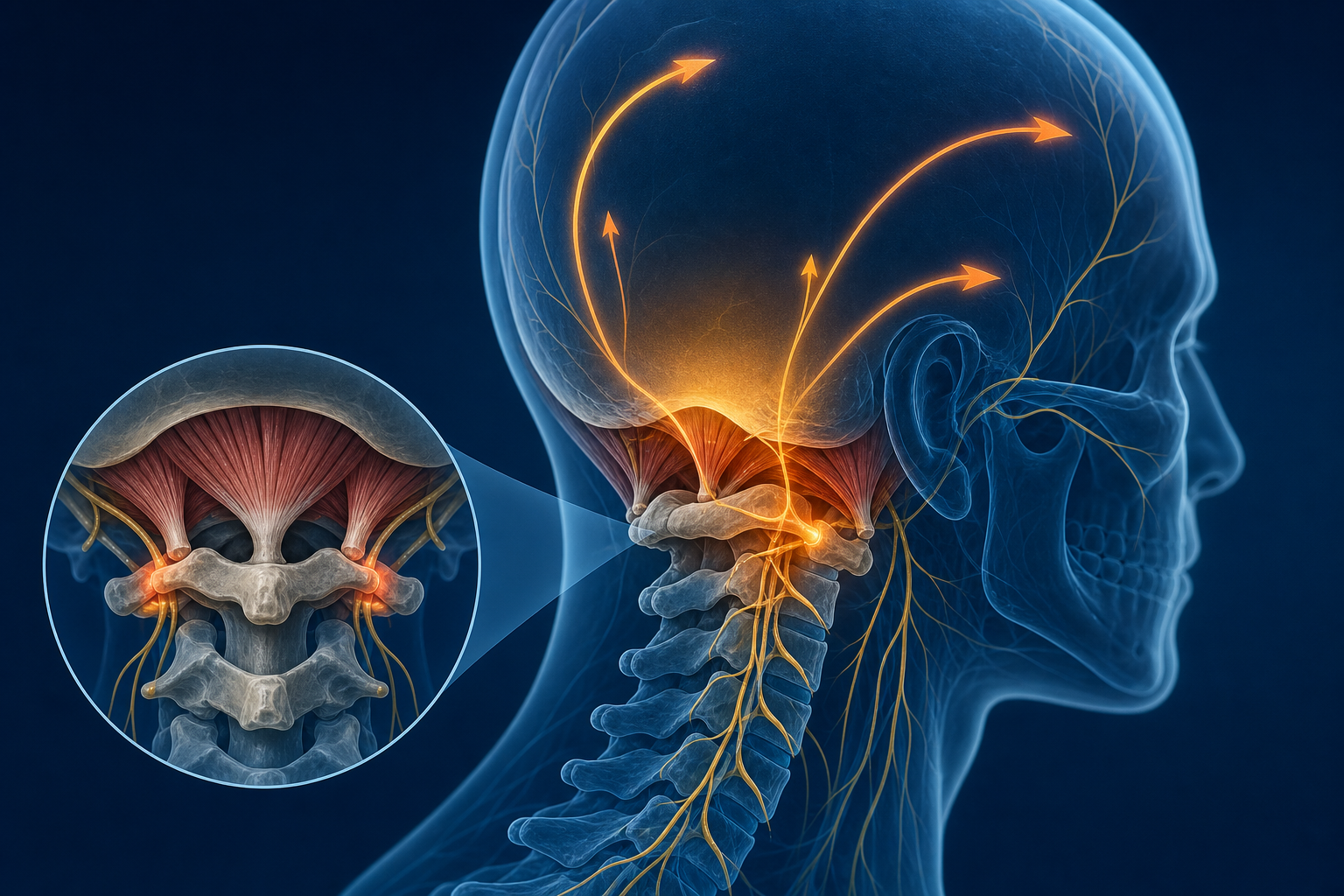
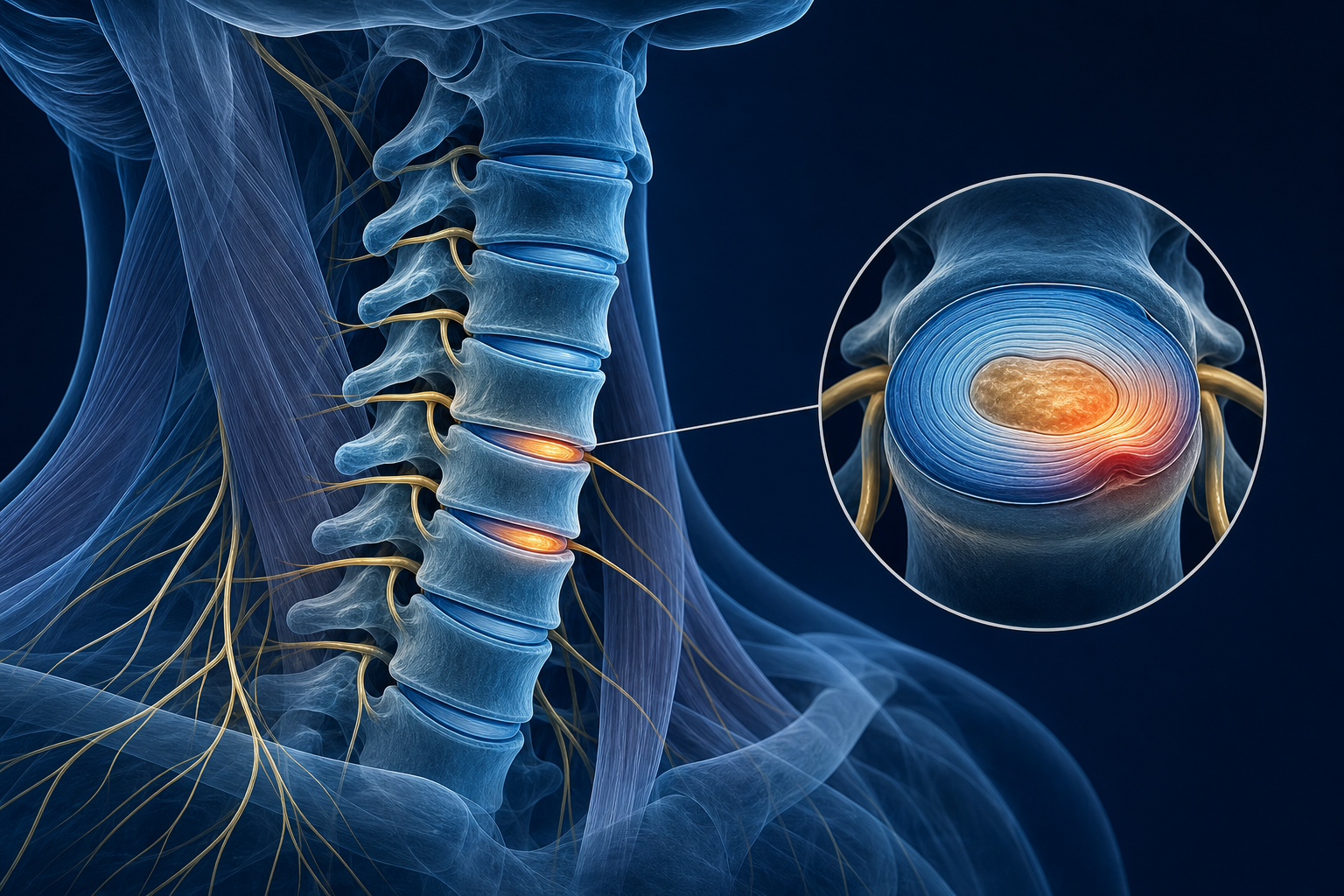
Cervical spondylosis refers to age-related wear and tear in the cervical spine — the seven vertebrae that make up your neck. Over time, the discs between those vertebrae can lose height, develop bone spurs (called osteophytes), and the ligaments and joints around them can thicken. This is extremely common; imaging studies suggest that degenerative changes in the cervical spine are present in the majority of adults over age 50, though many people never feel symptoms from them.
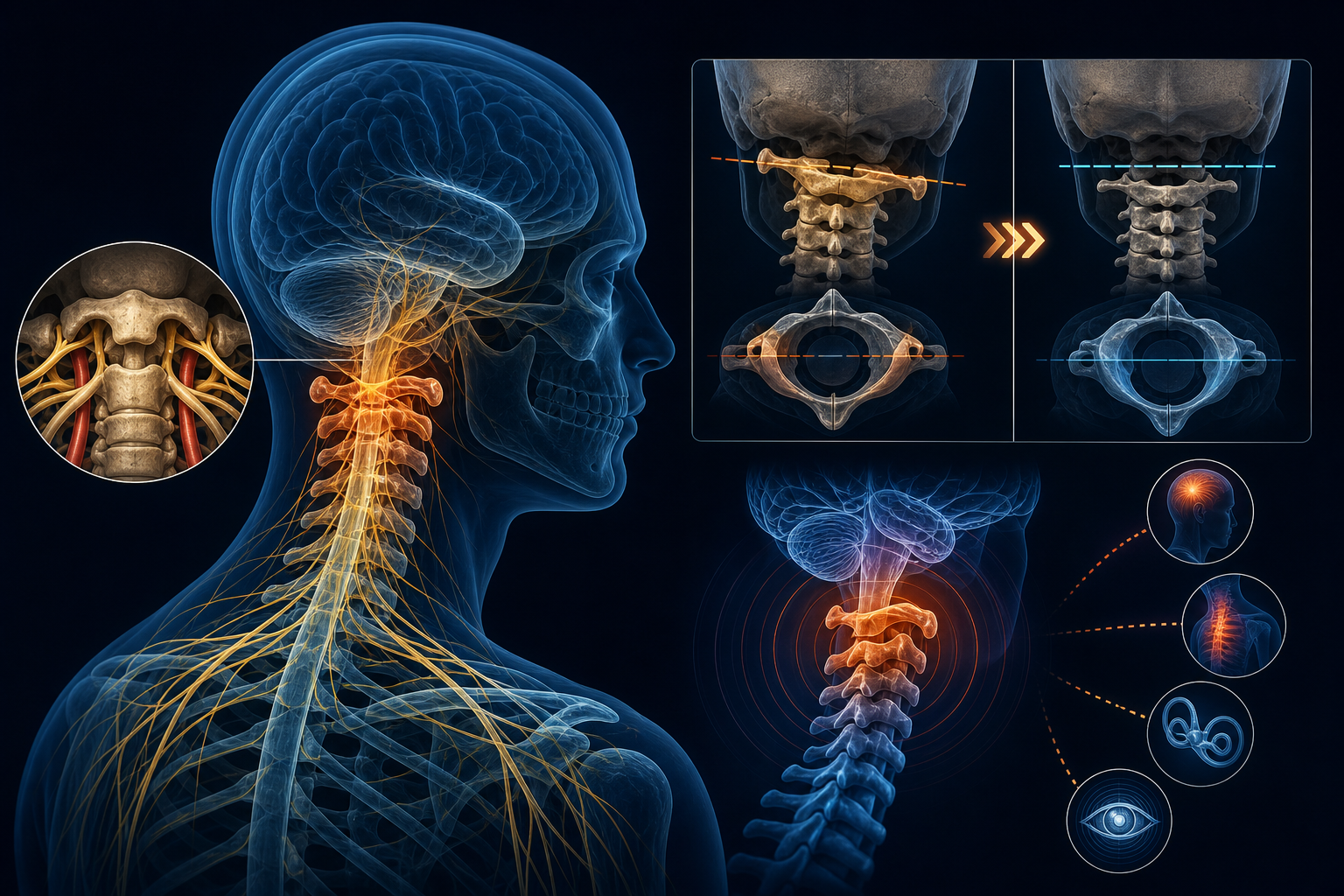
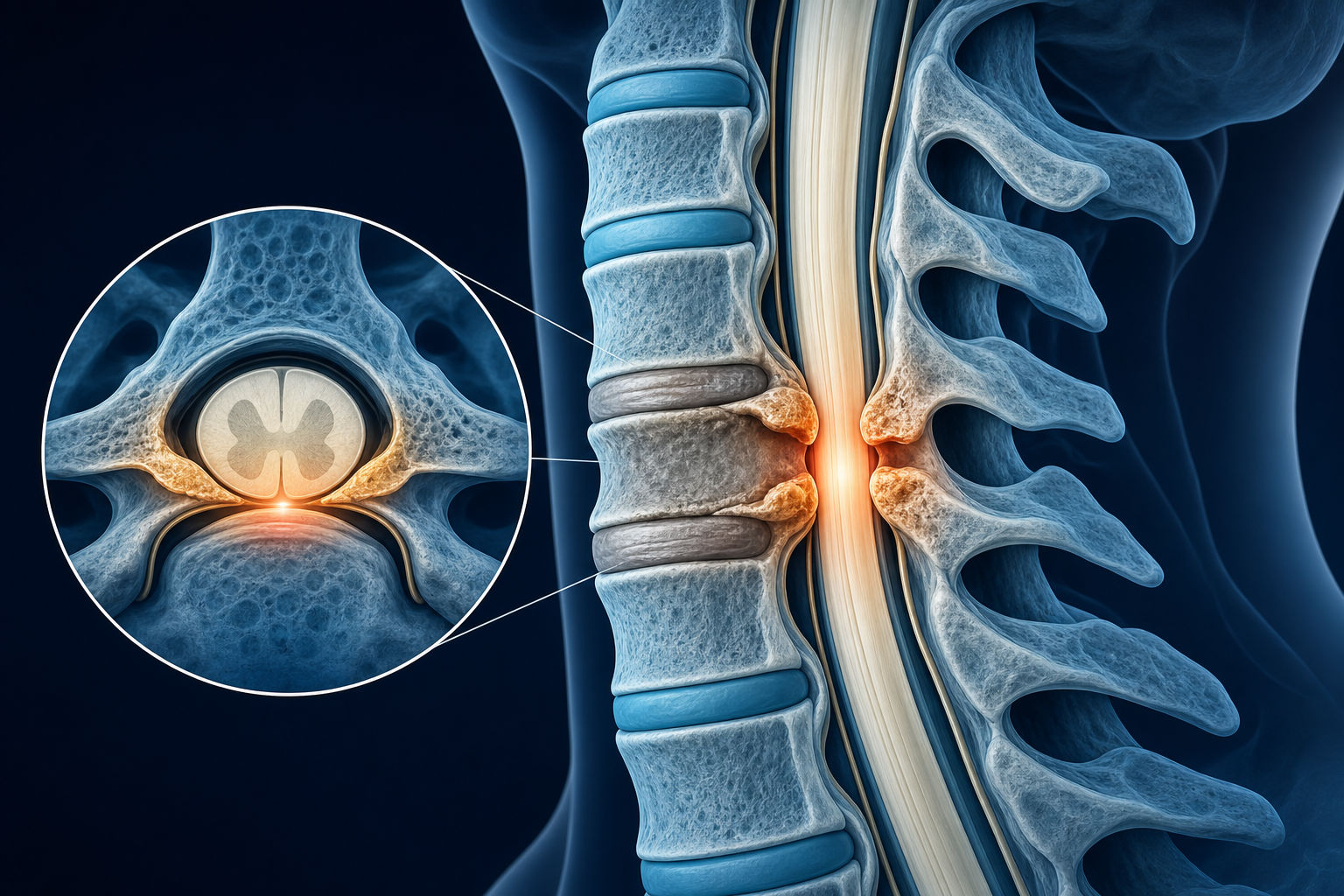
Myelopathy adds a critical layer: it means the spinal cord itself — not just the nerves branching off of it — is being compressed or irritated. The spinal cord is the main highway of your central nervous system, running from the brainstem down through the spine. When structures like bulging discs, bone spurs, or thickened ligaments narrow the spinal canal enough to press on the cord, the result is myelopathy.
Put together, cervical spondylosis with myelopathy means that degenerative changes in the neck have compressed the spinal cord to a degree that is causing neurological symptoms. This distinguishes it from garden-variety neck pain or even cervical radiculopathy, where a nerve root (not the cord itself) is pinched.
Because the spinal cord carries signals to and from the entire body below the level of compression, symptoms can appear far from the neck — in the hands, legs, bladder, and balance systems. That is what makes this condition worth taking seriously.
Cervical Myelopathy Symptoms: Hands, Balance, and More
One reason cervical myelopathy is sometimes missed or misattributed is that its symptoms can feel disconnected from the neck. Patients often report noticing problems with their hands or their gait long before they connect those issues to a neck problem.
Hand and Fine Motor Symptoms
Difficulty gripping objects is one of the most commonly reported early signs. Patients describe dropping things unexpectedly, struggling with buttons or zippers, finding handwriting has become messier, or feeling that their hands are generally less coordinated than they used to be. This happens because the spinal cord tracts that carry fine motor signals to and from the hands pass through the cervical region, and even mild compression can disrupt signal fidelity.
Some patients also notice a heavy or numb feeling in the hands or fingers, though this can overlap with peripheral causes and needs careful evaluation by a provider.
Balance and Gait Problems
Difficulty walking steadily — a wide-based gait, stumbling, or a feeling of heaviness or stiffness in the legs — is another hallmark. The spinal cord carries proprioceptive signals that tell your brain where your body is in space. When those pathways are compressed, balance can suffer even when there is no problem with the legs themselves. Patients sometimes describe feeling like their legs are not fully cooperating, or noticing that walking on uneven ground has become unexpectedly difficult.
Other Symptoms to Know
- Weakness or heaviness in the arms or legs
- Neck pain or stiffness (though some patients have minimal neck pain)
- A sensation of electric shock running down the spine with neck flexion (called Lhermitte's sign)
- In more advanced cases, bladder urgency or difficulty controlling urination
- Reflexes that are brisker than expected (a provider will check for this)
Not every patient experiences all of these, and symptom severity can vary considerably. If you are asking yourself why do I have trouble gripping things and also neck pain, cervical spondylosis with myelopathy is one explanation worth discussing with a healthcare provider promptly.
For a broader look at how cervical spine degeneration can produce different symptom patterns, see our related guide on cervical spine conditions and what they mean for patients.
The Difference Between Cervical Myelopathy and Radiculopathy
These two terms are often confused, and distinguishing them matters because they can call for different approaches to care.
Cervical radiculopathy occurs when a nerve root — one of the branches that exits the spinal cord between vertebrae — becomes compressed or irritated. The result is typically pain, numbness, or tingling that radiates along a specific path: down the arm into the hand in a pattern that corresponds to which nerve root is affected. A herniated disc pressing on the C6 nerve root, for instance, often produces symptoms along the thumb and index finger side of the forearm.
Cervical myelopathy, by contrast, involves the spinal cord itself. Because the cord carries signals for the whole body below the level of compression, myelopathy symptoms tend to be more diffuse and bilateral — affecting both hands, both legs, or balance more globally. Myelopathy is generally considered the more serious of the two, because spinal cord tissue is more vulnerable to lasting injury than a nerve root, and because it can affect function beyond a single limb.
It is also possible to have both conditions simultaneously — cord compression at one level alongside nerve root compression at another — which makes thorough evaluation important.
Learn more about how pinched nerves in the neck are evaluated and managed in our article on cervical radiculopathy symptoms and treatment options.
Is Cervical Spondylosis with Myelopathy a Serious Condition?
The honest answer is: it depends on severity, but it deserves to be taken seriously at any stage.
Mild myelopathy may remain stable for years in some patients — research suggests that a meaningful proportion of people with mild symptoms do not progress rapidly, and some experience periods of stability. However, the condition is not predictably benign. In others, particularly those with moderate or severe cord compression, symptoms can worsen — sometimes gradually, occasionally more quickly — and the spinal cord does not regenerate in the way peripheral nerves can.
This is why providers generally recommend that patients with confirmed myelopathy be monitored closely, even if symptoms are mild at presentation. The question of whether to pursue conservative management versus surgical decompression is one of the most important conversations in cervical spine care, and it depends heavily on symptom severity, rate of progression, imaging findings, and overall health.
How Fast Does Cervical Myelopathy Progress?
Progression rates vary considerably between individuals and are difficult to predict from imaging alone. Some patients experience a stepwise pattern — periods of relative stability followed by a decline, sometimes triggered by a minor injury or fall. Others experience gradual, slow progression over years. A smaller subset progresses more rapidly. This variability is one reason regular follow-up with a qualified provider is important once the diagnosis is established.
Red-flag symptoms that suggest rapid or severe deterioration — sudden loss of bladder or bowel control, rapidly increasing weakness, or significant difficulty walking — warrant urgent medical evaluation rather than a wait-and-see approach.
Conservative Care: Can Physical Therapy Help Cervical Myelopathy?
For patients with mild to moderate cervical myelopathy, conservative management is often explored — particularly for those who are not yet candidates for surgery or who prefer to exhaust non-surgical options first. Conservative care will not reverse structural compression, but it may help manage symptoms, slow functional decline, and improve quality of life in appropriate candidates.
Physical Therapy for Cervical Myelopathy
Physical therapy can be a meaningful part of a conservative management plan for selected patients. A physical therapist experienced with cervical conditions may focus on:
- Strengthening muscles around the cervical and thoracic spine to reduce mechanical stress on the compressed cord segment
- Balance and proprioceptive training to help compensate for the gait and coordination changes that myelopathy can cause
- Postural correction and ergonomic education to minimize positions and movements that may worsen compression
- Functional mobility work — helping patients adapt daily activities safely while living with the condition
Importantly, physical therapy for myelopathy is not the same as aggressive manual therapy for ordinary neck pain. Certain interventions that are appropriate for musculoskeletal neck problems may not be appropriate when the spinal cord is involved, and a competent provider will tailor care accordingly. Communication between the physical therapist and the supervising physician or specialist is important in this context.
Find physical therapists near you who manage complex cervical conditions by visiting our physical therapist directory.
Chiropractic Care and Cervical Myelopathy
Questions about chiropractic care for cervical spondylosis with myelopathy are common. This is a nuanced area, and the answer depends significantly on symptom severity and what specific techniques are being considered.
Many chiropractors who work with complex cervical conditions focus on gentle, low-force approaches — soft tissue work, mobilization at tolerable ranges, postural rehabilitation, and supportive care — rather than high-velocity manipulation directly at the affected cervical levels. Some patients with mild myelopathy and concurrent musculoskeletal neck pain report benefit from carefully managed chiropractic care.
If you are searching for a chiropractor for cervical spondylosis near you, it is reasonable to ask prospective providers about their experience with myelopathy specifically and what their approach to imaging review and physician co-management looks like. A chiropractor who communicates with your neurologist or spine surgeon is generally a safer choice in this context.
Browse chiropractors in your area through our chiropractic provider search.
Other Non-Surgical Options
Beyond physical therapy and chiropractic, conservative management of cervical myelopathy may include activity modification, the use of a soft or rigid cervical collar during certain activities (under provider guidance), and pain management strategies for associated neck discomfort. These approaches are typically coordinated by a neurologist, physiatrist, or spine specialist, with rehabilitation providers playing a supportive role.
For a broader overview of non-surgical approaches to neck and spine conditions, see our article on cervical myelopathy treatment without surgery options and what to expect.
When to See a Doctor for Cervical Myelopathy Symptoms
If you have not yet been diagnosed but are experiencing any of the following, it is worth scheduling an evaluation with your primary care provider or a spine specialist sooner rather than later:
- Unexplained clumsiness or weakness in the hands
- Balance problems that you cannot attribute to another cause, especially combined with neck pain or stiffness
- Numbness or tingling in both hands or both arms
- Legs that feel heavy, stiff, or uncooperative when walking
- Any combination of neck symptoms and lower-body neurological symptoms
If you have already been diagnosed with cervical myelopathy and notice a sudden worsening of any symptom — especially bladder or bowel changes, rapidly increasing weakness, or a significant fall — treat this as urgent and seek medical attention the same day.
Diagnosis typically involves a thorough neurological examination and MRI of the cervical spine, which allows providers to see the degree of cord compression and any signal changes within the cord tissue itself. Other imaging or nerve studies may be used depending on the clinical picture.
Our specialist directory can help you find neurologists, physiatrists, and orthopedic spine specialists who evaluate and manage cervical spine conditions.
The Path Forward: Working with Your Care Team
Cervical spondylosis with myelopathy is a condition that typically benefits from a coordinated team approach. The decision between conservative management and surgical decompression is not always straightforward — it involves weighing symptom severity, imaging findings, functional impact, and patient preference. Research generally supports that surgical decompression tends to produce better outcomes in patients with moderate to severe myelopathy, while mild cases may be reasonably managed conservatively with close monitoring.
Whatever path you and your providers choose, the goal is to preserve as much function as possible and prevent further neurological decline. That may mean working with a physical therapist on balance and strength, a chiropractor on supportive musculoskeletal care, a physiatrist or neurologist on monitoring and coordination, and potentially a spine surgeon for consultation — not necessarily in that order, but often in combination.
Finding providers who communicate with each other and take your specific presentation seriously is one of the most important things you can do. Use the Medximity provider search to locate experienced chiropractors, physical therapists, and specialists in your area who treat cervical spine conditions.
Frequently Asked Questions About Cervical Spondylosis with Myelopathy
What is the difference between cervical myelopathy and cervical radiculopathy?
Cervical radiculopathy involves compression of a nerve root exiting the spinal cord, typically causing pain, numbness, or weakness along one arm in a specific pattern. Cervical myelopathy involves compression of the spinal cord itself and tends to cause broader symptoms — affecting both hands, balance, legs, and sometimes bladder function. Myelopathy is generally considered the more serious condition and may require different management.
Can physical therapy help with cervical myelopathy?
For patients with mild to moderate myelopathy who are managed conservatively, physical therapy may help with balance, strength, posture, and functional mobility. It will not reverse the underlying structural compression, but it can help patients maintain function and adapt to the condition. The approach should be tailored to myelopathy specifically — not simply standard neck pain protocols — and ideally coordinated with a physician or specialist.
Why do I have trouble gripping things along with neck pain?
Difficulty gripping, combined with neck pain or stiffness, can be a sign that degenerative changes in the cervical spine are affecting spinal cord function. The cervical spinal cord carries signals that control fine motor function in the hands, so compression at that level can impair grip and hand coordination even when the hands themselves are structurally normal. This pattern warrants evaluation by a healthcare provider.
How fast does cervical myelopathy progress?
Progression varies considerably. Some patients remain relatively stable for years; others experience a stepwise or gradual decline. Sudden worsening — particularly of walking ability or bladder control — should be treated as urgent. Because the trajectory is unpredictable, regular monitoring with a spine specialist is generally recommended once the diagnosis is established.
Is cervical spondylosis with myelopathy a serious condition?
It is a condition that deserves to be taken seriously. Unlike some musculoskeletal neck conditions, myelopathy involves the spinal cord, which has limited ability to recover once significantly injured. Mild cases may remain stable, but the potential for progression and the functional consequences of that progression make timely evaluation and appropriate management important.
Are there treatment options for cervical myelopathy without surgery?
Yes, for appropriately selected patients — particularly those with mild symptoms. Conservative options may include physical therapy, carefully managed rehabilitation, activity modification, cervical bracing under provider guidance, and close monitoring. The goal of conservative care is to manage symptoms and slow functional decline. Whether surgery is ultimately needed depends on symptom severity, progression, and individual factors — a decision best made in consultation with a spine specialist.
Can a chiropractor help with cervical spondylosis?
Some patients with cervical spondylosis — particularly those without significant myelopathy — may benefit from chiropractic care focused on musculoskeletal symptoms, posture, and supportive treatment. When myelopathy is present, the approach should be gentle and tailored to the condition. A chiropractor experienced with complex cervical conditions and willing to coordinate with your medical team is the appropriate choice in this context.
When should I see a doctor urgently for cervical myelopathy symptoms?
Seek same-day or emergency care if you experience sudden loss of bladder or bowel control, rapidly progressive weakness in your arms or legs, or significant difficulty walking that comes on quickly. These may indicate rapid cord injury and require prompt evaluation. If you have known myelopathy and experience any sudden worsening of symptoms after a fall or injury, treat that as urgent as well.