Neck pain is one of the most common musculoskeletal complaints seen in chiropractic and physical therapy offices across the country. It can appear suddenly after a car accident, build slowly from hours at a desk, or arrive without any obvious trigger at all. Whatever the cause, the good news is that the majority of neck pain responds well to conservative care — meaning most people can find meaningful relief without surgery or long-term medication.
This article walks through the most common causes of neck pain, practical at-home strategies that may help, and a clear-eyed look at your professional care options so you can make an informed decision about next steps.
What Causes Chronic Neck Pain and Stiffness?
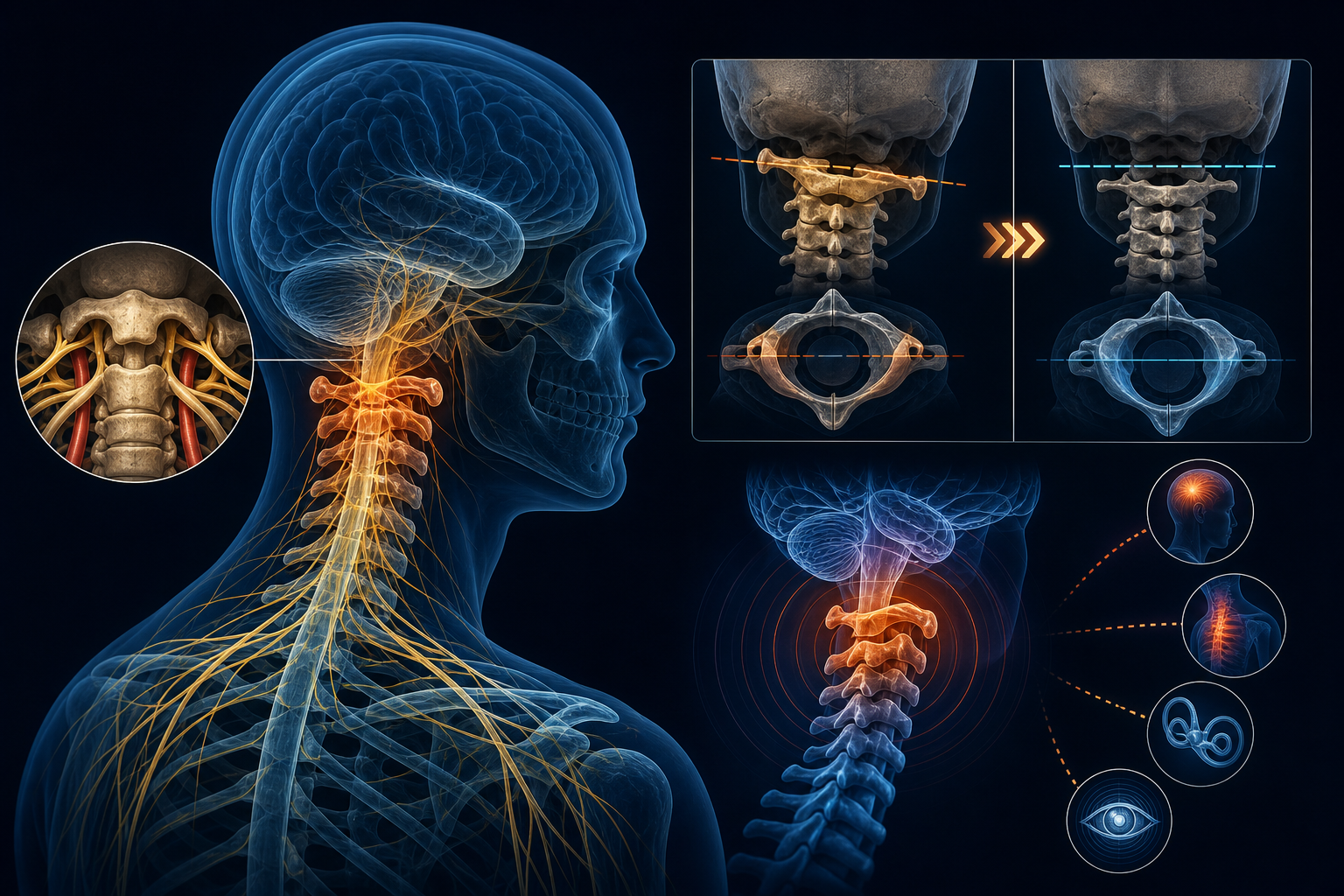
The neck — or cervical spine — is a remarkably mobile structure made up of seven vertebrae, intervertebral discs, dozens of muscles and ligaments, and the delicate nerve roots that branch from the spinal cord. That mobility is also its vulnerability. Several overlapping factors can irritate or destabilize these tissues over time.
Poor Posture and Forward Head Position
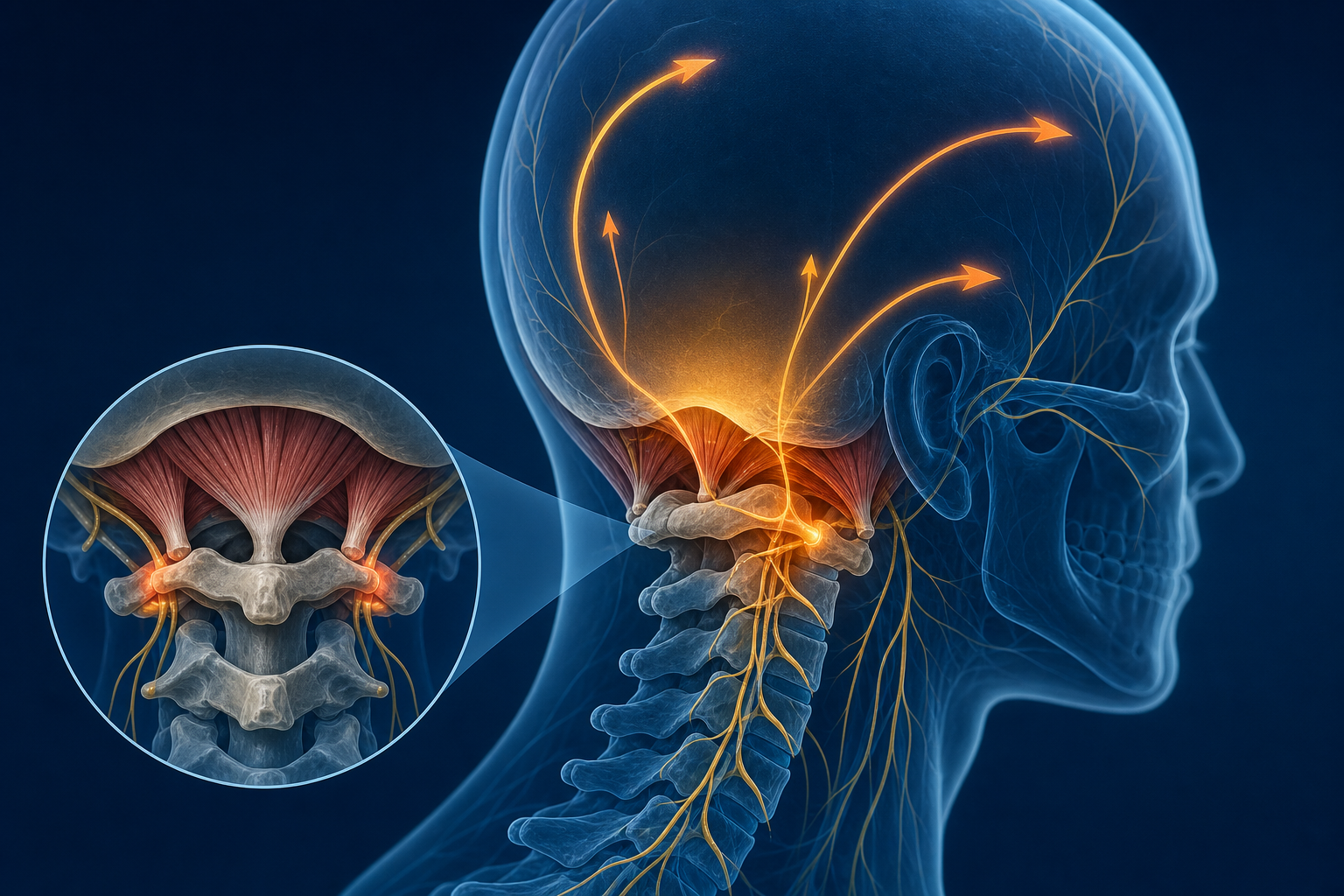
One of the most prevalent drivers of neck pain today is sustained forward head posture — the position many people hold while looking at a phone, laptop, or desk monitor. For every inch the head migrates forward of the shoulders, the effective load on the cervical spine increases substantially. Over hours, days, and years, this places chronic compressive stress on the joints, discs, and surrounding muscles. The result is often a deep, nagging ache at the base of the skull or between the shoulder blades, frequently accompanied by headaches.
Muscle Tension and Stress
Psychological stress commonly manifests as physical tension in the upper trapezius and levator scapulae — the muscles that run along the sides and back of the neck. People under chronic stress often unconsciously elevate and brace their shoulders, creating a sustained isometric contraction that fatigues the tissue and generates pain and stiffness.
Disc and Joint Changes
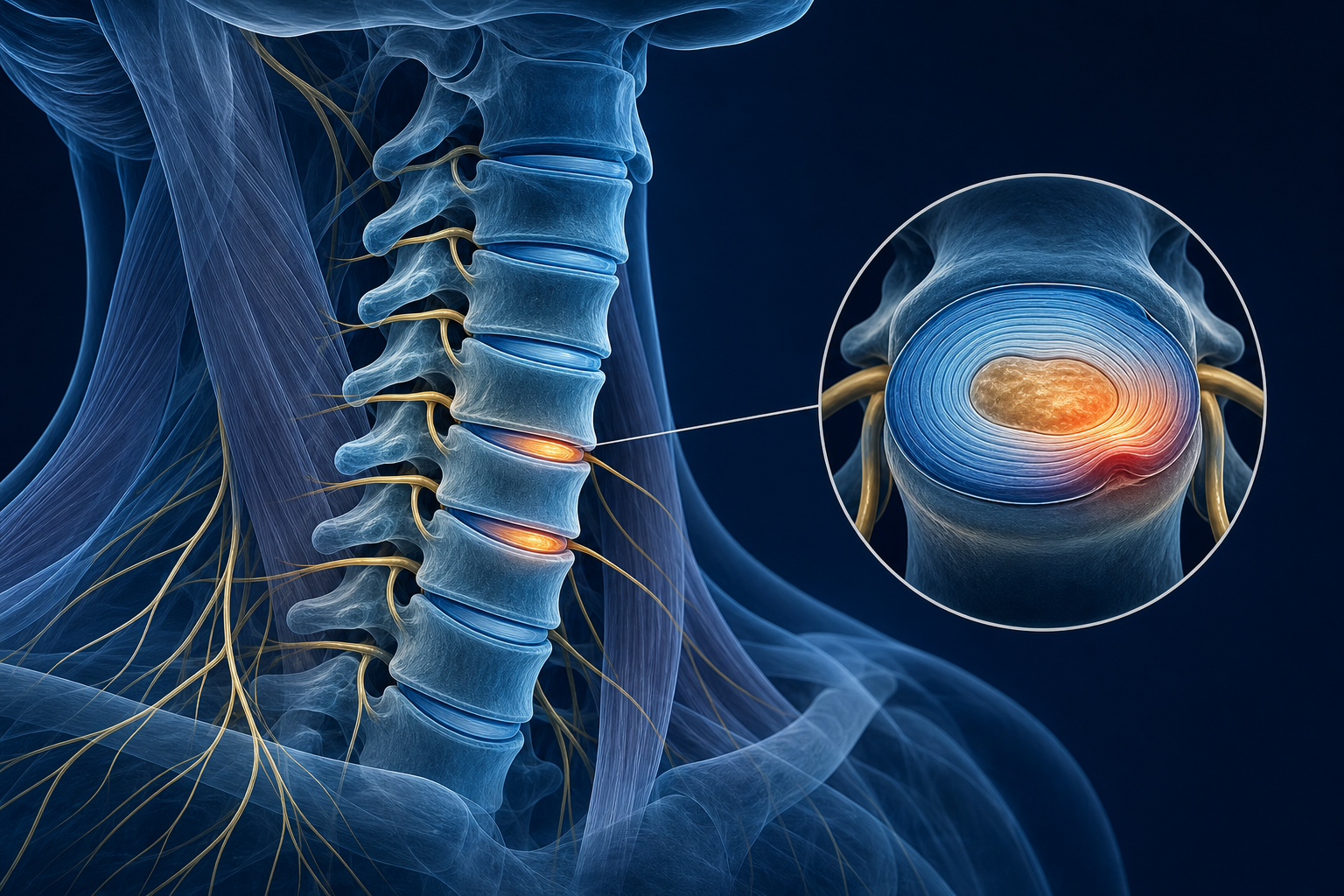
The cervical discs act as shock absorbers between vertebrae. With age or repetitive loading, they can lose hydration and height, a process sometimes called cervical spondylosis or degenerative disc disease. Facet joints — the small paired joints at the back of each vertebral level — can also develop wear that produces stiffness and pain, especially in the morning or after prolonged static positions. These changes are common and do not necessarily mean serious pathology; many people with visible changes on imaging report little or no pain.
Injury and Trauma
Sudden forces — most often from a motor vehicle collision — can strain or sprain the soft tissues of the cervical spine. This is colloquially known as whiplash, and it deserves its own section below.
Neck Pain and Stiffness After a Car Accident
Whiplash-associated disorder is the most common injury pattern seen after rear-end and side-impact collisions. The rapid acceleration-deceleration of the head stretches and may partially tear the muscles, ligaments, and joint capsules of the cervical spine. Symptoms often include neck pain and stiffness, pain when turning the head left or right, headache originating at the base of the skull, and sometimes shoulder or arm discomfort if nerve roots are irritated.
One important and sometimes confusing feature of post-accident neck pain is delayed onset — symptoms may peak 24 to 72 hours after the collision rather than immediately. If you have been in a car accident and notice worsening stiffness in the days following, that pattern is consistent with soft-tissue injury and warrants a professional evaluation.
Research broadly supports early, active rehabilitation over prolonged rest for whiplash injuries. Chiropractors and physical therapists who work with post-accident patients are experienced in guiding that process. Search for a chiropractor near you on Medximity to find providers experienced in injury rehabilitation.
Is It Normal to Have Neck Pain Every Day?
Occasional stiffness after sleeping in an awkward position or a long day at a desk is common. Daily pain — pain that is present most mornings, disrupts sleep, or limits routine activities — is a signal worth taking seriously. It is not a normal or inevitable part of aging, and it is not something you simply have to accept.
Persistent daily neck pain often reflects an ongoing mechanical problem — a postural pattern, a movement habit, a muscle imbalance — that will not self-correct without some form of intervention. Seeking an evaluation sooner rather than later tends to shorten the overall recovery timeline and reduces the risk of pain becoming deeply ingrained.
How Long Does Neck Pain Take to Heal?
Recovery timelines vary considerably depending on the underlying cause, the individual's overall health, activity level, and whether they receive appropriate care.
- Acute muscle strain from a sudden movement or poor sleeping position often resolves within one to two weeks with gentle movement and self-care.
- Whiplash injuries typically show meaningful improvement within six to twelve weeks with active rehabilitation, though a subset of patients experience symptoms for longer.
- Chronic postural pain driven by workplace habits or sustained poor posture may take several months to fully address, partly because the behavioral patterns driving the problem must change alongside tissue recovery.
- Disc or joint-related pain follows a more variable course and benefits most from individualized assessment by a trained clinician.
A professional evaluation can give you a more realistic, personalized timeline and help you understand which factors in your situation are likely to speed or slow recovery.
Neck Pain Relief Without Surgery or Medication
The majority of neck pain conditions are best addressed through conservative, non-invasive care. Surgery is rarely indicated for common cervical pain patterns, and while medication may have a short-term role in managing acute pain, it does not address the mechanical causes that produce most neck problems.
Chiropractic Care
Chiropractors are trained to evaluate and treat disorders of the cervical spine. Chiropractic adjustments — controlled, specific movements applied to restricted spinal joints — may help restore normal joint mobility, reduce pain signals, and improve range of motion. Many patients report noticing a reduction in stiffness and pain when turning the head left or right after a course of cervical manipulation or mobilization.
Chiropractic care for neck pain typically also includes soft-tissue work, postural counseling, and corrective exercise — addressing the full picture rather than just the symptom. Find a chiropractor for neck pain relief near you using the Medximity provider directory.
Physical Therapy
Physical therapists approach neck pain through movement rehabilitation: identifying muscle imbalances, mobility restrictions, and movement patterns that load the cervical spine inefficiently, then addressing them with targeted exercise, manual therapy, and neuromuscular re-education. PT is particularly valuable for patients whose neck pain is closely linked to posture, workplace ergonomics, or prior injury recovery.
Browse physical therapists on Medximity to connect with providers experienced in cervical rehabilitation.
Acupuncture for Neck Pain and Tension Headaches
Acupuncture has been studied as a complementary approach for both neck pain and the tension-type headaches that frequently accompany it. Some evidence suggests it may help modulate pain pathways and reduce muscle tension, though the quality and consistency of research varies. For patients who have not fully responded to other conservative care, acupuncture is worth discussing with a provider as part of a broader treatment plan.
Best Stretches for Neck Pain Relief at Home
Gentle, consistent movement is generally more helpful than rest for most neck pain conditions. The following stretches are commonly recommended and are low-risk for most people, but always check with a provider before beginning any new exercise if you have had a recent injury, surgery, or have arm or hand symptoms.
Chin Tucks
Sit or stand tall. Gently draw your chin straight back — as if making a "double chin" — without tilting your head up or down. Hold for five to ten seconds and release. This movement targets the deep cervical flexors and helps counteract forward head posture. Aim for ten repetitions several times per day.
Cervical Side Bend Stretch
Slowly tilt your right ear toward your right shoulder until you feel a gentle stretch along the left side of the neck. Hold for twenty to thirty seconds, then repeat on the left. Keep your shoulders relaxed and do not force the stretch.
Upper Trapezius Stretch
Sit upright. Reach your right hand beneath your chair seat to anchor the shoulder. Gently tilt your head to the left and slightly forward until you feel a stretch at the right side of the neck and top of the shoulder. Hold for twenty to thirty seconds per side.
Doorway Chest Opener
Place your forearms on a door frame and gently step through until you feel a stretch across the chest and front of the shoulders. Poor posture-related neck pain is often accompanied by chest tightness, and opening the chest can reduce the forward pull on the cervical spine.
For a more structured home exercise program tailored to your specific presentation, ask your chiropractor or physical therapist to build one during your evaluation. Learn more in our related guide: Posture Correction Exercises for Neck and Upper Back Pain.
Chiropractor or Physical Therapist for Neck Pain: Which Is Right for You?
Both chiropractors and physical therapists are well-qualified to treat most common neck pain presentations, and many patients benefit from working with both. The decision often comes down to the primary driver of your pain:
- If your pain is primarily joint-related — stiffness, clicking, or limited range of motion when turning your head — chiropractic care is often a natural starting point.
- If your pain is more closely tied to muscle weakness, movement pattern problems, or recovery from injury, physical therapy may be the better first step.
- If you are unsure, many providers offer free or low-cost initial consultations, and a good clinician will refer you elsewhere if another discipline is more appropriate for your presentation.
Read our full comparison article: Chiropractor vs. Physical Therapist: Which Provider Is Right for Your Pain?
What to Expect at Your First Neck Pain Evaluation
Knowing what happens at a first visit can reduce anxiety and help you prepare. Most initial evaluations follow a similar structure regardless of whether you see a chiropractor or physical therapist.
Health History
Your provider will ask about the onset, location, and character of your pain; what makes it better or worse; any relevant prior injuries or treatments; and your general health history. Be specific — details like "it started after I began working from home" or "it's worst when I look over my right shoulder while driving" are genuinely useful diagnostic clues.
Physical Examination
Expect range-of-motion testing, orthopedic and neurological screening (including assessment of reflexes, sensation, and strength in the arms if there is any radiation of symptoms), and palpation of the cervical joints and surrounding muscles. This examination helps the provider identify the most likely source of your pain and rule out any presentations that need additional imaging or referral.
Treatment Plan Discussion
After the examination, your provider will explain their clinical impression and proposed treatment approach — including how many visits are anticipated, what each session will involve, and what you can do between appointments. A clear, honest conversation about expected timelines and goals is a positive sign you are working with a provider who respects your time and involvement in your own care.
Search Medximity's provider directory to find a chiropractor or physical therapist accepting new patients in your area.
When to Seek Care Promptly
Most neck pain is benign and responds to conservative care, but certain features warrant more urgent evaluation. Contact a healthcare provider promptly if your neck pain is accompanied by:
- Numbness, tingling, or weakness traveling down an arm or into the hands
- Difficulty walking or problems with coordination or balance
- Severe headache with sudden onset
- Neck pain following a significant trauma such as a fall or collision
- Fever, unexplained weight loss, or pain that is constant and unrelated to position or movement
These symptoms may indicate conditions outside the scope of conservative care that require prompt medical assessment.
Frequently Asked Questions About Neck Pain Relief
Can neck pain go away on its own?
Mild, acute neck pain — such as stiffness from sleeping in an awkward position — often resolves within a few days with gentle movement and self-care. Pain that persists beyond two to three weeks, recurs frequently, or is accompanied by arm symptoms is less likely to resolve fully without professional evaluation and treatment.
Is it safe to see a chiropractor for neck pain?
For most common cervical pain presentations, chiropractic care is considered a safe and appropriate conservative treatment. Your chiropractor will conduct a thorough examination before any treatment and will discuss the approach with you. As with any healthcare intervention, there are contraindications for specific individuals, which is why a complete health history is taken at the first visit.
How does poor posture cause neck pain?
Sustained forward head posture shifts the center of gravity of the head forward of the supporting cervical spine. This increases mechanical load on the joints, discs, and muscles of the neck, leading to fatigue, inflammation, and over time, structural changes in the tissues. Correcting postural habits — ideally with professional guidance — is often a central part of long-term neck pain relief.
Can acupuncture help with neck pain and headaches?
Some patients report benefit from acupuncture for both cervical pain and the tension headaches that frequently accompany it. The evidence base is mixed but generally supportive of acupuncture as a complementary option. It works best when integrated into a broader treatment plan rather than used in isolation.
What is the difference between neck pain and a pinched nerve?
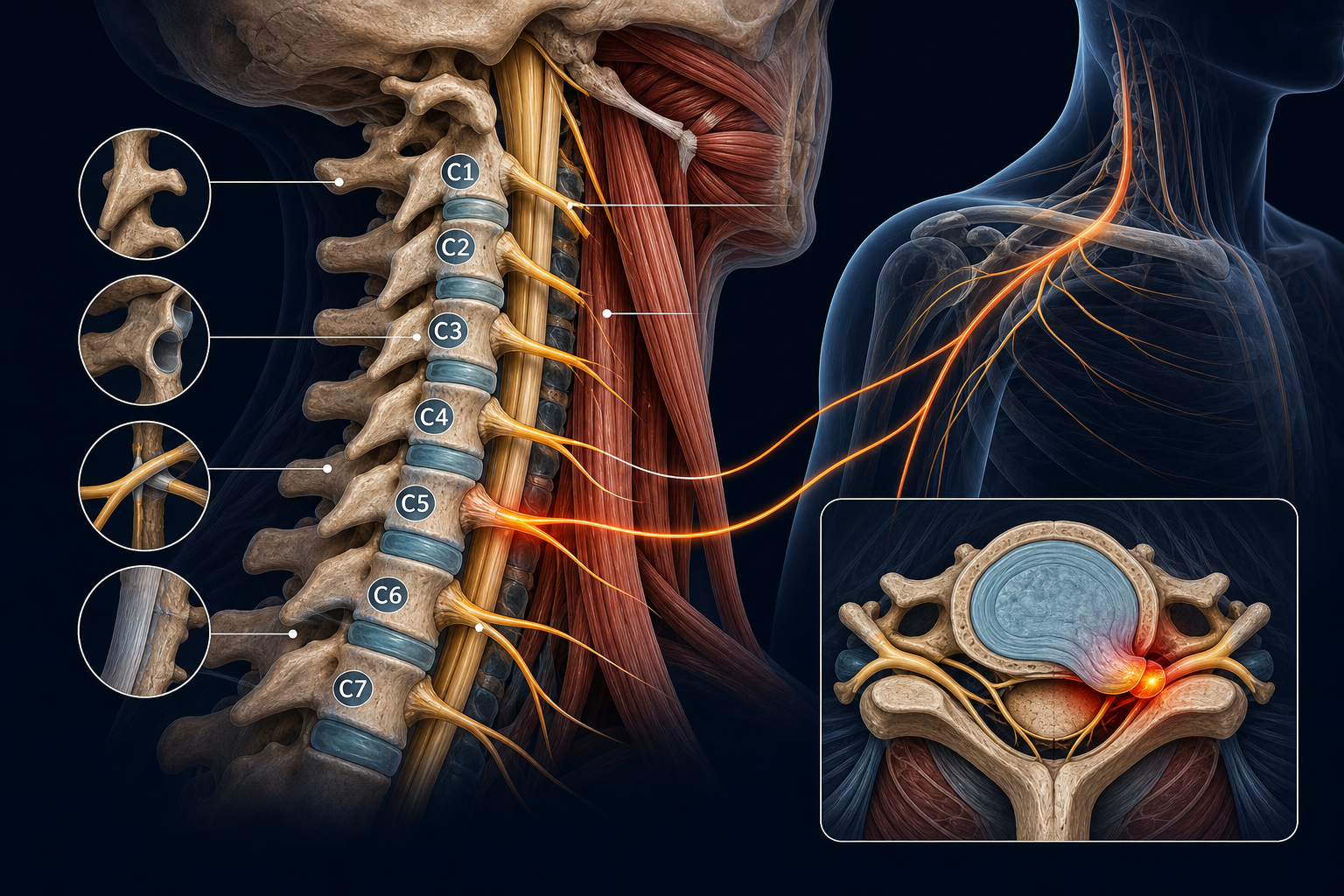
General neck pain typically stays localized to the cervical region and surrounding musculature. A pinched nerve — technically called cervical radiculopathy — involves compression or irritation of a nerve root as it exits the spine, producing symptoms that radiate into the shoulder, arm, or hand. These may include sharp or burning pain, numbness, tingling, or weakness. A provider can differentiate between the two through examination and, if needed, imaging.
Should I use heat or ice for neck pain?
In general, ice is often recommended for the first 48 to 72 hours after an acute injury to help manage inflammation. Heat may be more helpful for chronic tension and muscle tightness. Many people find alternating between the two useful. Always place a cloth between the skin and any heat or ice source, and ask your provider which approach best fits your specific situation.
", "faq_data": [ { "q": "Can neck pain go away on its own?", "a": "Mild, acute neck pain — such as stiffness from sleeping in an awkward position — often resolves within a few days with gentle movement and self-care. Pain that persists beyond two to three weeks, recurs frequently, or is accompanied by arm symptoms is less likely to resolve fully without professional evaluation and treatment." }, { "q": "Is it safe to see a chiropractor for neck pain?", "a": "For most common cervical pain presentations, chiropractic care is considered a safe and appropriate conservative treatment option. Your chiropractor will conduct a thorough examination before any treatment and will discuss the proposed approach with you. Contraindications exist for specific individuals, which is why a complete health history is taken at the first visit." }, { "q": "How does poor posture cause neck pain?", "a": "Sustained forward head posture shifts the center of gravity of the head forward of the supporting cervical spine, increasing mechanical load on the joints, discs, and muscles of the neck. Over time this leads to fatigue, tissue irritation, and structural changes. Correcting postural habits with professional guidance is often central to long-term neck pain relief." }, { "q": "Can acupuncture help with neck pain and tension headaches?", "a": "Some patients report benefit from acupuncture for both cervical pain and the tension headaches that frequently accompany it. The evidence base is mixed but generally supportive of acupuncture as a complementary option. It tends to work best when integrated into a broader conservative treatment plan." }, { "q": "What is the difference between neck pain and a pinched nerve?", "a": "General neck pain typically stays localized to the cervical region and surrounding musculature. A pinched nerve — cervical radiculopathy — involves compression or irritation of a nerve root, producing symptoms that radiate into the shoulder, arm, or hand, including sharp or burning pain, numbness, tingling, or weakness. A qualified provider can differentiate between the two through examination and imaging when needed." }, { "q": "Should I use heat or ice for neck pain?", "a": "Ice is often recommended during the first 48 to 72 hours after an acute injury to help manage inflammation. Heat may be more helpful for chronic muscle tension and stiffness. Many people benefit from alternating between the two. Always use a protective cloth between the skin and the source, and ask your provider which approach fits your specific situation." } ], "key_takeaways": [ "Most neck pain — including pain from poor posture, muscle tension, disc changes, and whiplash — responds well to conservative care without surgery or long-term medication.", "Daily neck pain is not a normal or inevitable part of life; it is a signal that an underlying mechanical issue deserves professional attention.", "Forward head posture is one of the most common and correctable drivers of chronic neck pain and stiffness.", "Whiplash symptoms after a car accident may peak 24 to 72 hours after the collision — early evaluation and active rehabilitation typically produce better outcomes than prolonged rest.", "Both chiropractors and physical therapists are qualified to treat most cervical pain presentations; the best choice depends on the primary driver of your symptoms.", "Certain symptoms — arm numbness or weakness, balance problems, severe sudden headache, or post-trauma pain — warrant prompt medical evaluation beyond conservative care.", "Gentle daily stretches such as chin tucks and cervical side bends may help maintain mobility and reduce tension between professional treatment sessions." ], "tags": [ "neck pain relief", "chiropractic care", "physical therapy", "whiplash", "cervical spine", "posture", "neck pain exercises", "acupuncture", "conservative care", "musculoskeletal pain", "car accident injury", "headaches" ], "schema_markup": { "@context": "https://schema.org", "@type": "Article", "headline": "Neck Pain Relief: Causes, Treatments, and When to See a Provider", "description": "A comprehensive guide to neck pain relief covering common causes, conservative treatment options including chiropractic and physical therapy, at-home stretches, and what to expect at a first evaluation.", "url": "https://medximity.com/blog/neck-pain-relief-causes-treatments-when-to-see-provider", "publisher": { "@type": "Organization", "name": "Medximity", "url": "https://medximity.com" }, "mainEntityOfPage": { "@type": "WebPage", "@id": "https://medximity.com/blog/neck-pain-relief-causes-treatments-when-to-see-provider" }, "about": [ { "@type": "MedicalCondition", "name": "Neck Pain" }, { "@type": "MedicalCondition", "name": "Cervical Spondylosis" }, { "@type": "MedicalCondition", "name": "Whiplash" } ], "keywords": "neck pain relief, chronic neck pain, chiropractic for neck pain, physical therapy for neck pain, neck pain stretches, whiplash treatment, posture and neck pain" } }