A neck dislocation injury occurs when one or more cervical vertebrae shift out of their normal alignment, disrupting the joints that connect them. Recovery typically spans 8 to 16 weeks with conservative care, though the timeline varies based on severity and how quickly you begin treatment. Here is what each phase of recovery looks like, what treatments support healing, and when to seek professional help.
What Is a Neck Dislocation Injury?
A cervical dislocation means that the facet joints connecting two adjacent vertebrae in your neck — most commonly at the C4-C5 or C5-C6 levels — have been forced beyond their normal range, partially or fully separating. This differs from a cervical sprain (ligament stretch), a strain (muscle or tendon tear), or a herniated disc (where the cushion between vertebrae bulges or ruptures). With a dislocation, the joint surfaces themselves have displaced.
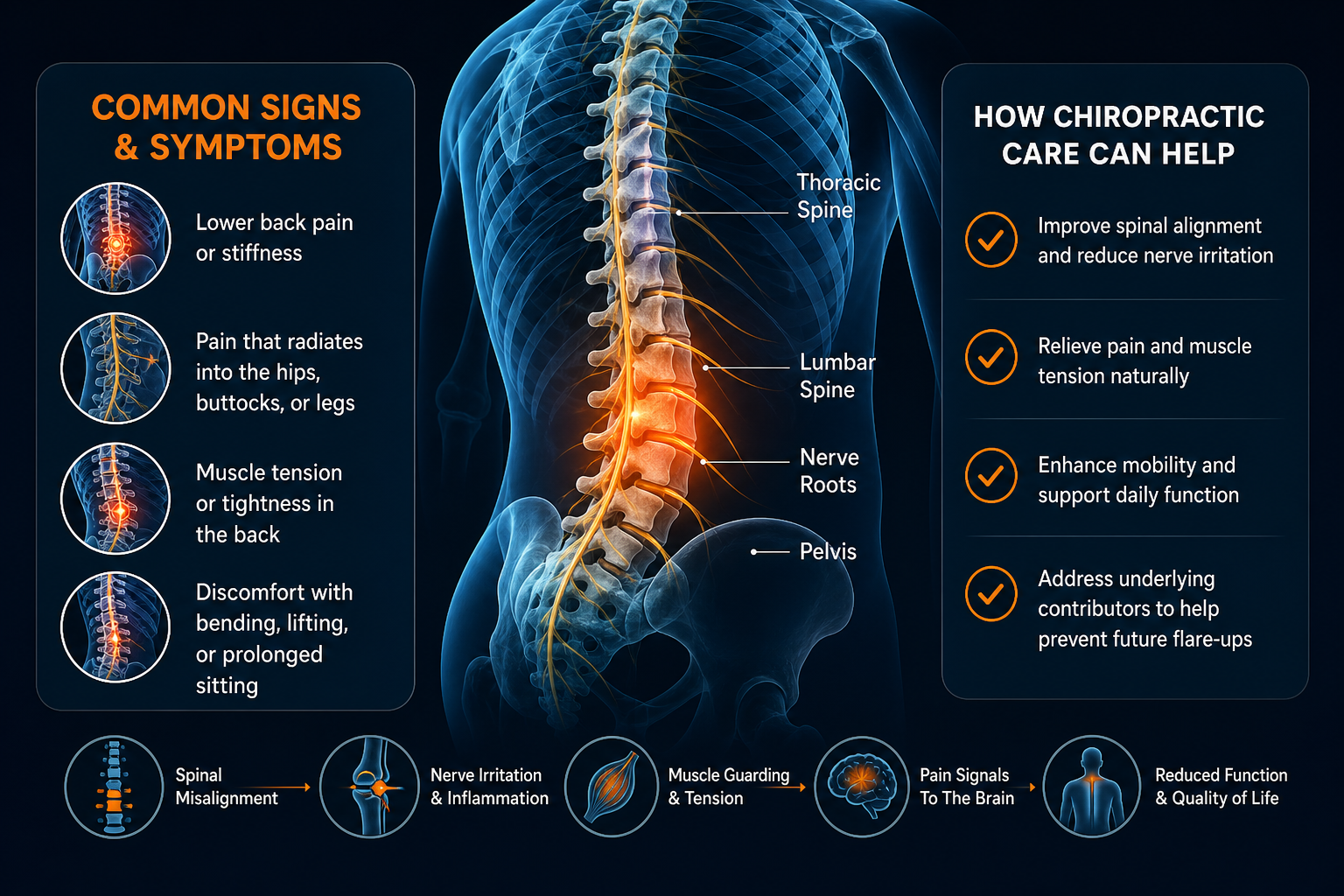
Neck dislocation symptoms and what to expect after the initial injury typically include:
- Severe neck pain and stiffness after dislocation injury, concentrated at the injury site
- Reduced range of motion — difficulty turning your head past 20-30 degrees
- Muscle guarding and spasm in the trapezius, sternocleidomastoid, and levator scapulae
- Possible radiating pain, numbness, or tingling into the shoulders, arms, or hands
- Headaches originating at the base of the skull
The neck dislocation vs herniated disc difference matters for your treatment plan. A dislocation involves joint misalignment; a herniated disc involves the soft tissue between vertebrae. Both can produce radiating arm symptoms, but the recovery protocols differ. Your provider will use X-ray or advanced imaging to confirm which injury you have. If you experience upper cervical subluxation symptoms, the distinction becomes even more relevant to your care plan.
Red flag: If you experience sudden weakness in both arms or legs, difficulty walking, loss of bladder or bowel control, or severe headache with vision changes after a neck injury, go to your nearest emergency department immediately. These may indicate spinal cord involvement.
How Long Does Neck Dislocation Recovery Take?
Most patients can recover from a cervical dislocation injury with conservative care alone, progressing through three distinct phases. The total timeline typically runs 8 to 16 weeks, though complex injuries may require longer rehabilitation.
Phase 1: Acute (Weeks 0–2)
The first two weeks focus on pain reduction, inflammation control, and protecting the injured area. You may wear a cervical collar during this phase. Expect 2-3 provider visits per week for gentle soft tissue work and pain management. Ice application for 15 minutes every 2 hours during waking hours helps manage swelling around the injured facet joints.
Phase 2: Subacute (Weeks 2–6)
As acute inflammation subsides, treatment shifts toward restoring mobility. Your provider will begin gentle range-of-motion work. Visits typically continue at 2-3 times per week. You may begin isometric neck strengthening exercises — contracting muscles without moving the joint — around week 3 or 4.
Phase 3: Rehabilitative (Weeks 6–16)
Active rehabilitation builds strength and stability. Sessions decrease to 1-2 per week. Progressive resistance exercises target the deep cervical flexors and posterior neck stabilizers. Most patients regain 80-90% of their pre-injury range of motion by week 12.
Recovery Phase Timeline Primary Goal Typical Visit Frequency Acute Weeks 0–2 Pain reduction, protect injury 2–3x per week Subacute Weeks 2–6 Restore mobility 2–3x per week Rehabilitative Weeks 6–16 Rebuild strength, full function 1–2x per weekWhat Are the Best Conservative Treatment Options for Neck Dislocation?
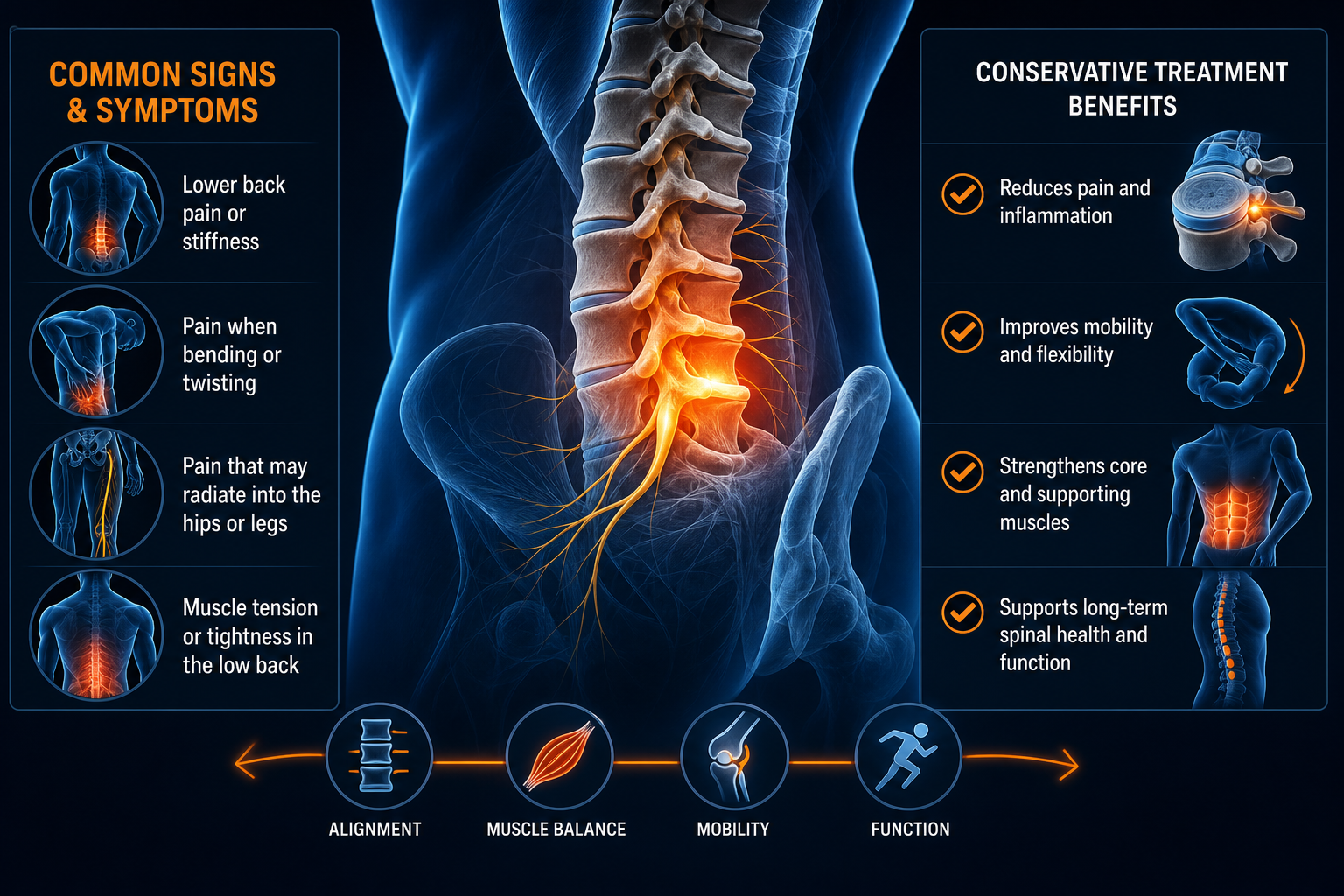
Cervical dislocation treatment without surgery relies on a coordinated approach from multiple provider types. Each modality targets a different aspect of recovery.
- Chiropractic care: Gentle, specific adjustments to restore proper facet joint alignment once acute inflammation resolves — typically starting in week 2 or 3. Upper cervical techniques are especially relevant for C1-C2 injuries. Learn more about chiropractic treatment for neck pain.
- Physical therapy: Progressive exercise protocols targeting the deep cervical flexor muscles, scapular stabilizers, and postural endurance. PT typically begins in the subacute phase and intensifies during rehabilitation.
- Massage therapy: Myofascial release and trigger point work for the trapezius, suboccipital muscles, and paraspinal tissues. Soft tissue work reduces muscle guarding that limits joint mobility.
- Acupuncture: Research from the Journal of Pain Research suggests acupuncture may reduce cervical pain intensity by 30-50% when combined with other conservative therapies. Treatments typically run 1-2 sessions per week for 4-6 weeks.
Many patients benefit from combining two or three of these modalities. A chiropractor restoring joint alignment, a physical therapist rebuilding muscular stability, and a massage therapist addressing soft tissue restrictions create a more complete recovery than any single approach alone.
Activity Modifications and Daily Life During Recovery
The daily activities to avoid with a cervical injury change as you progress through each phase. During the acute phase, the restrictions are strictest.
Sleep Positioning
Sleep on your back with a cervical roll pillow or a rolled towel inside your pillowcase to maintain the natural curve of your neck. If you must sleep on your side, use a pillow thick enough to keep your head level with your spine. Avoid stomach sleeping entirely — it forces cervical rotation for 6-8 hours, which stresses healing facet joints.
Work and Screen Time
- Position your monitor at eye level so your chin stays neutral — not tilted up or down
- Take a 2-minute break every 30 minutes to perform gentle chin tucks (pull your chin straight back, hold 5 seconds, repeat 5 times)
- Avoid holding a phone between your ear and shoulder
- If driving, adjust your headrest so the center meets the middle of your head
Exercise Restrictions
During weeks 0–6, avoid overhead lifting, high-impact activities, contact sports, and any exercise that involves looking up (ceiling painting, overhead presses). Walking is typically safe from week 1. Swimming may be reintroduced around week 6-8, starting with backstroke to avoid cervical rotation. Cervical headaches during this period are common — if you experience persistent head pain, it may be related to your injury. Learn about common causes of head pain during recovery.
The Psychological Side of Cervical Injury Recovery
Anxiety and depression after neck injury recovery are more common than most patients expect. A 2019 study in the European Spine Journal found that 40-45% of patients with cervical injuries reported clinically significant anxiety within the first 6 weeks. This is not weakness — it is a normal neurological and psychological response to trauma.
Three patterns appear most frequently:
- Kinesiophobia — fear of movement. You avoid turning your head even when it is safe, which slows recovery by keeping muscles deconditioned.
- Hypervigilance — constantly monitoring your neck for pain signals. This amplifies pain perception through a well-documented central sensitization mechanism.
- Avoidance of activities — stopping driving, exercise, or social activities longer than medically necessary.
Address these directly with your provider. Gradual, guided exposure to feared movements — starting small and building confidence — is the most effective strategy. Your physical therapist or chiropractor can design a graded activity plan that respects your injury while pushing past unnecessary restrictions. Trauma to the cervical spine can also produce unexpected symptoms; some patients experience tinnitus related to cervical dysfunction that resolves as alignment improves.
Why Consistent Care and Documentation Matter
Consistent treatment attendance serves two purposes: it accelerates your recovery, and it creates a clear medical record that links your symptoms to the original injury.
If your neck dislocation resulted from an auto accident, slip-and-fall, or workplace incident, documenting your injury for an insurance claim requires:
- An initial examination within 72 hours of the injury whenever possible
- Consistent follow-up visits — gaps of 2 or more weeks in your treatment record can weaken your case
- Measurable progress notes: range-of-motion measurements, pain scale ratings, and functional assessments at each visit
- A clear treatment plan with defined goals and expected timelines
Providers experienced in personal injury cases document these details routinely. Skipping appointments or taking long breaks between visits does not just slow healing — it creates gaps in your record that insurers may use to question the severity or cause of your injury.
What to Expect at Your First Post-Injury Appointment
Your first chiropractic visit after neck dislocation or first PT session typically lasts 45 to 60 minutes. Here is what happens:
- Health history review: Your provider will ask about the mechanism of injury (how it happened), when symptoms started, and what makes them better or worse.
- Physical examination: Cervical range-of-motion testing, orthopedic tests (such as the Spurling test for nerve compression and the vertebral artery test for blood flow), and palpation of the cervical spine.
- Imaging review: If you have X-rays or MRI from the emergency department, bring them. Your provider may order additional views if needed.
- Treatment plan presentation: Expected visit frequency, duration of care, and measurable goals for each recovery phase.
- Initial treatment: Depending on your injury stage, this may include gentle soft tissue work, cryotherapy, or instrument-assisted mobilization — nothing aggressive on day one.
Wear comfortable clothing that allows neck access. Bring your insurance information, any imaging discs or reports, and a list of your current symptoms. If your injury involved an accident, bring the incident report or case number if you have one. Cervical injuries sometimes produce symptoms you might not immediately associate with your neck — concussion-like symptoms can overlap with cervical dislocation presentations, and your provider needs the full picture.
When Is Neck Pain After Injury Serious?
Not all post-injury neck pain requires emergency care, but some symptoms demand immediate attention.
Seek emergency care if you experience:
- Progressive weakness in your arms or legs
- Loss of fine motor control (dropping objects, difficulty buttoning shirts)
- Bladder or bowel changes
- Severe headache that does not respond to rest or ice
- Neck pain that worsens dramatically despite rest
Schedule a provider visit within 1-3 days if you notice:
- Persistent stiffness that does not improve after 48 hours
- Radiating pain, tingling, or numbness into your arm or hand
- Headaches that started after the injury
- Difficulty sleeping due to pain despite positioning changes
When neck pain after injury is serious, the sooner you begin documented conservative care, the better your outcomes typically are — both clinically and for any related insurance or personal injury claims.
What to Do Next
If you have sustained a neck dislocation or suspect a cervical injury, your next step is an evaluation from a provider experienced in post-trauma cervical care. A chiropractor, physical therapist, or rehabilitation specialist can assess your injury, confirm your diagnosis with imaging, and build a phased treatment plan.
Find a chiropractor near you for neck dislocation recovery through the Medximity provider directory, or search for a physical therapist who specializes in cervical rehabilitation. You can also browse providers by specialty to find the right fit for your recovery needs.
Start care as soon as medically cleared. The acute phase window — those first two weeks — sets the trajectory for your entire recovery.
This article is for educational purposes only and does not constitute medical advice. Consult a qualified healthcare provider for diagnosis and treatment specific to your condition.