A Los Angeles chiropractor can address back pain, neck stiffness, sciatica, and a range of musculoskeletal problems using hands-on spinal adjustments — no referral needed, and most visits take under 30 minutes. Whether you're dealing with chronic lower back pain from LA's brutal commute or acute neck tension from desk work, chiropractic care is one of the most accessible, evidence-backed conservative treatment options available. Here's what you actually need to know before booking your first appointment.
What Does a Chiropractor Actually Do for Back Pain?
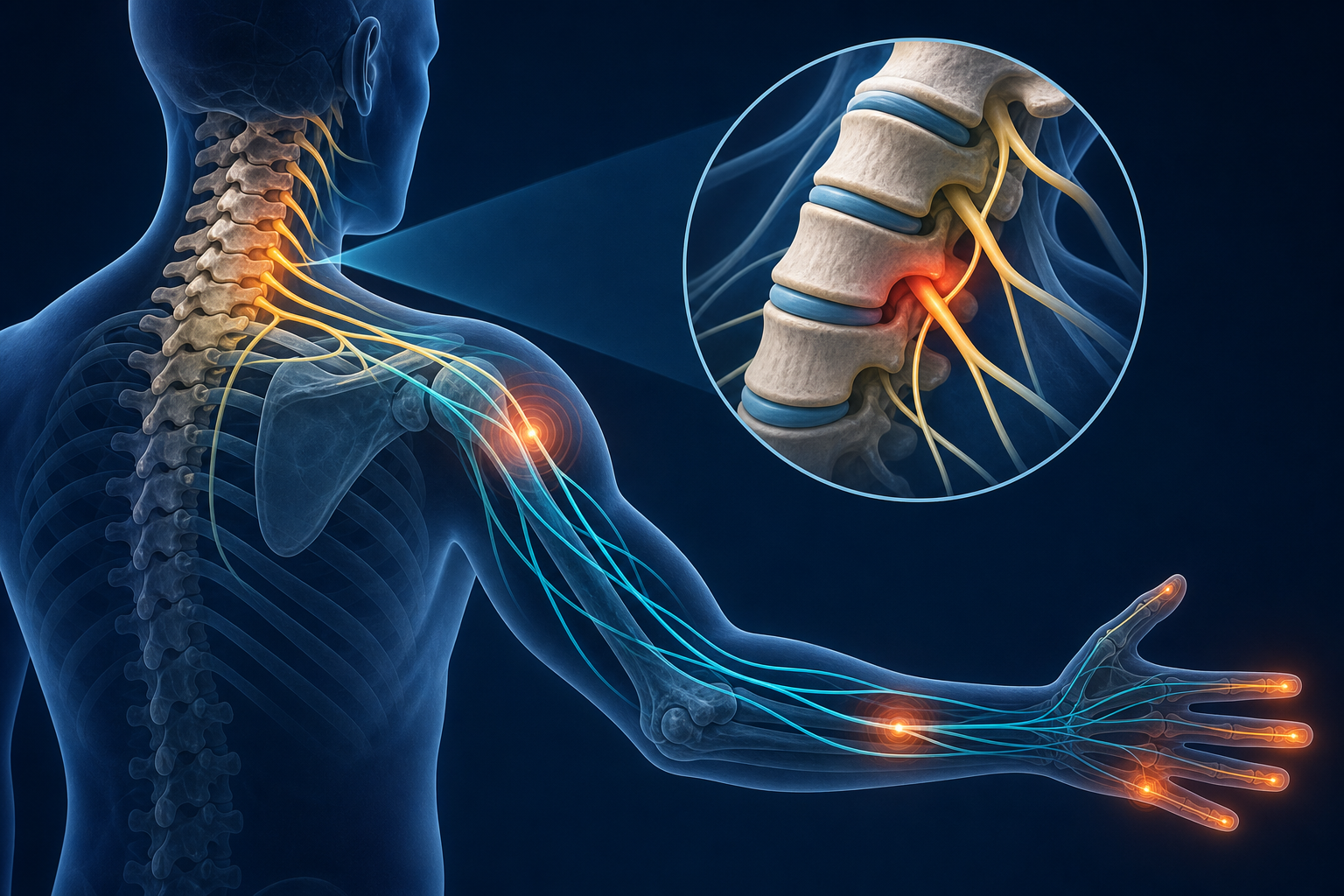
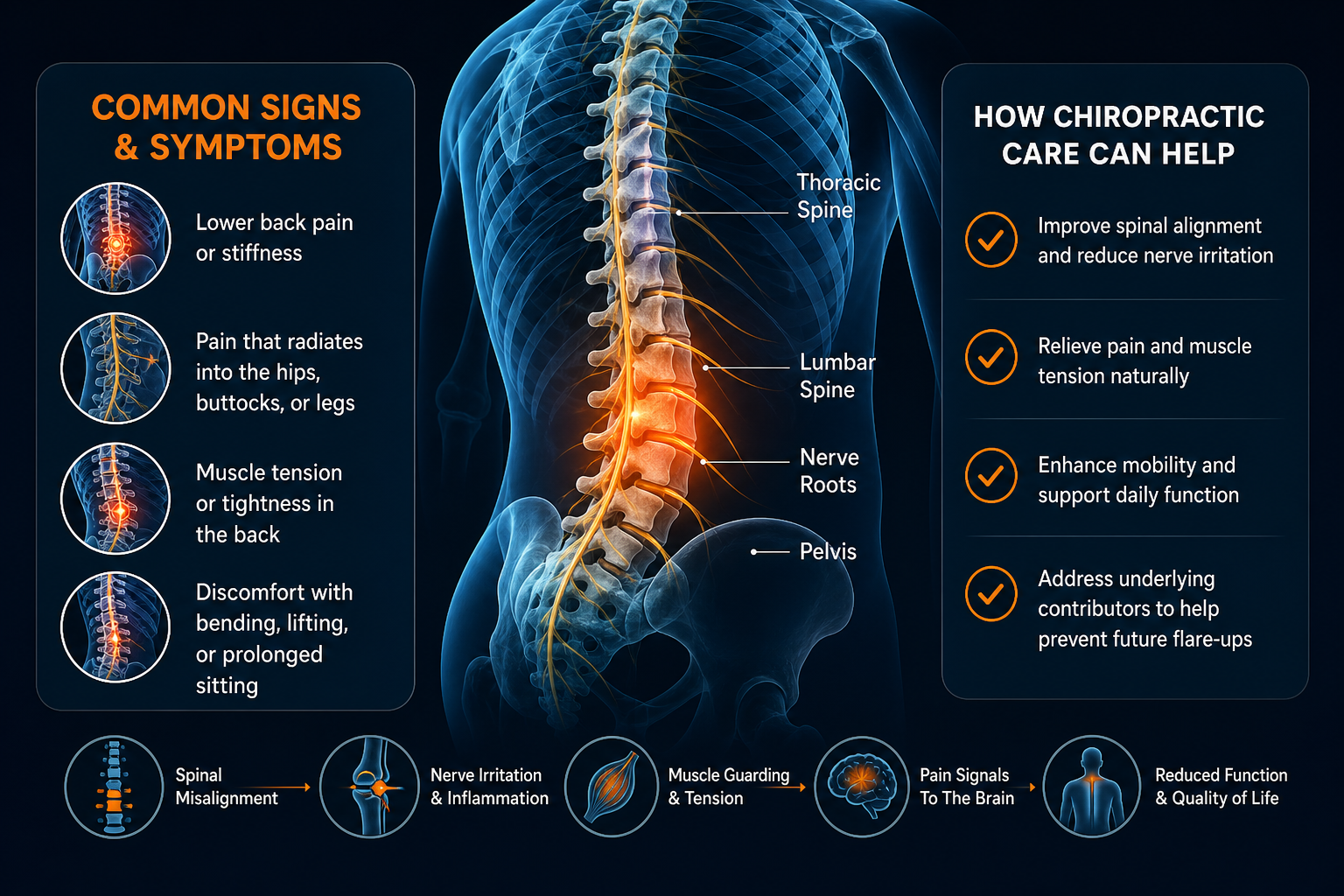
Chiropractors are licensed providers who diagnose and treat neuromusculoskeletal conditions — problems involving the spine, joints, muscles, and the nerves that serve them. The primary tool is the chiropractic adjustment (also called spinal manipulation): a controlled, high-velocity, low-amplitude thrust applied to a specific vertebral segment to restore joint mobility, reduce nerve irritation, and decrease muscle guarding.
So what does a chiropractor do for back pain, specifically? They identify which segments of your lumbar spine (L1–L5) or sacroiliac joint are restricted or misaligned, then apply targeted corrections. A 2017 study in JAMA found that spinal manipulation produced "modest improvements in pain and function" for acute low back pain compared to sham treatment — and those improvements were clinically meaningful for most patients within 6 weeks.
Is Chiropractic Care Safe for Adults?
Yes. Chiropractic adjustment is considered safe for adults when performed by a licensed provider. The most common side effect is mild soreness at the adjustment site, similar to post-exercise muscle ache, which typically resolves within 24–48 hours. Serious adverse events are exceedingly rare — estimated at fewer than 1 per million cervical manipulations, according to data published in Spine Journal.
That said, chiropractors screen for contraindications before treating you. Conditions like severe osteoporosis, spinal cord compression with progressive neurological deficits, or vertebral fracture require different management. A competent provider will take imaging or refer you out if your presentation warrants it.
Common Reasons People in Los Angeles Seek Chiropractic Care
LA's mix of long commutes, sedentary tech jobs, and weekend warrior athletics creates a predictable pattern of complaints that chiropractors treat daily:
- Lower back pain — the single most common reason for chiropractic visits. A chiropractic adjustment for lower back pain in Los Angeles typically targets the L4-L5 and L5-S1 segments, where most disc and facet joint problems occur.
- Neck and shoulder pain from desk work — pain in neck and shoulders when sitting at a desk usually stems from upper trapezius hypertonicity and cervical facet joint restriction at C5-C7. Prolonged forward head posture loads the cervical spine with up to 60 pounds of effective force.
- Sciatica — can a chiropractor help with sciatica pain relief? In many cases, yes. When the sciatic nerve is irritated by a bulging disc or piriformis muscle tightness, spinal manipulation combined with targeted stretching protocols can reduce radicular symptoms within 4–6 weeks.
- Headaches and migraines — cervicogenic headaches originating from the C1-C3 segments and suboccipital muscles respond well to upper cervical adjustments. If you're dealing with pain radiating from the base of your skull, an occipital neuralgia chiropractor may be exactly what you need.
- Sports injuries — sprains, strains, and repetitive motion injuries are common among LA's active population. Sports-focused chiropractors combine adjustments with soft tissue work and rehab exercises.
- Auto accident recovery — whiplash from rear-end collisions affects the cervical lordosis and can cause persistent neck injury symptoms if untreated.
What Should You Look for in a Los Angeles Chiropractor?
Knowing how to find a good chiropractor near you comes down to a few non-negotiable criteria and a few preferences. The best chiropractor in Los Angeles for neck pain may not be the best for post-accident rehab — specificity matters.
Non-Negotiable Qualifications
- Active California chiropractic license (verify at the Board of Chiropractic Examiners)
- Doctor of Chiropractic (DC) degree from an accredited institution
- Willingness to take X-rays or review prior imaging before adjusting
- Clear treatment plan with defined goals and re-evaluation milestones
What Separates Good from Great
- Technique match: Some providers use manual (Diversified, Gonstead) adjustments; others favor instrument-assisted (Activator) or drop-table techniques. Ask what they use and why.
- Condition-specific experience: A provider who regularly treats disc herniations approaches care differently than one focused on wellness maintenance.
- Transparent timelines: A provider who tells you upfront "expect 8–12 visits over 4–6 weeks, then we reassess" is more trustworthy than one who locks you into a 52-visit plan on day one.
- Collaborative mindset: The best chiropractors refer to PTs, orthopedists, or pain management specialists when your condition warrants it.
You can filter providers by specialty focus, patient reviews, and location using Medximity's chiropractor directory.
What Happens at Your First Chiropractic Appointment?
Here's what to expect at your first chiropractic appointment — no surprises.
- Health history intake (10–15 min): You'll fill out forms covering your current complaint, past injuries, medical history, and daily activities. Be specific about where it hurts, when it started, and what makes it worse.
- Physical examination (10–20 min): The provider will assess your range of motion (ROM), posture, spinal alignment, and neurological function. Expect orthopedic tests like the straight leg raise (for lumbar disc involvement) or Spurling's test (for cervical nerve compression).
- Imaging if indicated: Not every patient needs X-rays. But if you've had trauma, have neurological symptoms, or haven't responded to prior treatment, imaging helps rule out fractures, severe degeneration, or pathology.
- First adjustment (5–15 min): Many providers adjust on the first visit. You'll lie on a specialized table while the chiropractor applies precise force to the restricted joints. You may hear a popping sound — that's gas releasing from the joint capsule, not bones cracking.
- Treatment plan discussion: Before you leave, you should receive a clear plan: how many visits, how often, what home exercises to do between sessions, and when you should expect to feel improvement.
According to the American Chiropractic Association, chiropractors treat approximately 35 million Americans annually, making chiropractic the third-largest doctoral-level healthcare profession in the United States.
How Many Chiropractic Visits Will You Need?
The number of chiropractic visits needed for back pain depends on three factors: how long you've had the problem, how severe it is, and how your body responds to treatment.
Condition Typical Visit Count Timeline Expected Outcome Acute low back pain (less than 4 weeks) 6–10 visits 2–4 weeks Significant pain reduction, restored mobility Chronic low back pain (3+ months) 12–20 visits 6–12 weeks Gradual improvement, functional restoration Cervical pain / neck stiffness 6–12 visits 3–6 weeks Reduced stiffness, improved ROM Sciatica (nerve root irritation) 10–16 visits 4–8 weeks Decreased radiating leg pain Tension headaches (cervicogenic) 8–12 visits 3–6 weeks Reduced headache frequency and intensity Maintenance / wellness care 1–2 visits/month Ongoing Preventive, sustained mobilityIf you're not seeing measurable improvement after 4–6 visits, your provider should reassess the diagnosis and treatment approach — not simply schedule more of the same.
A Home Exercise You Should Start Now
While you're waiting for your first appointment, this cat-cow stretch can begin mobilizing your lumbar and thoracic spine:
- Get on all fours — hands under shoulders, knees under hips.
- Cat: Exhale, round your entire spine toward the ceiling, tuck your chin to chest, and pull your navel toward your spine. Hold 3 seconds.
- Cow: Inhale, drop your belly toward the floor, lift your chest and tailbone, and look slightly upward. Hold 3 seconds.
- Repeat 10–15 cycles, moving slowly and deliberately. Perform 2–3 times daily.
This exercise improves segmental mobility through the thoracolumbar junction (T12-L1) and reduces stiffness in the erector spinae and multifidus muscles.
When Should You See a Chiropractor vs. Another Provider?
Chiropractic care without a surgical referral is appropriate for the vast majority of spine-related complaints. But not every problem is a chiropractic problem. Here's how to decide between a chiropractor or physical therapist for a herniated disc — or when to see someone else entirely.
- Chiropractor: Best for joint-specific restrictions, acute or chronic spinal pain, headaches from cervical dysfunction, and conditions where restoring joint mechanics is the primary goal.
- Physical therapist: Better when rehab exercise progression, post-operative recovery, or movement retraining is the priority. For a herniated disc, many patients benefit from both — adjustments to restore joint motion, PT to rebuild core stabilization and prevent recurrence.
- Emergency care: Seek immediate medical attention if you experience loss of bowel or bladder control, rapidly progressing weakness in both legs, or severe trauma with suspected spinal fracture. These are red flags for cauda equina syndrome or spinal cord injury and require emergency imaging.
Many Los Angeles chiropractors work in multidisciplinary settings alongside PTs, massage therapists, and acupuncturists. If your provider manages soft tissue complaints like muscle knots alongside spinal adjustments, that's typically a sign of a well-rounded practice.
What to Do Next
If you're dealing with back pain, neck tension, sciatica, or recurring headaches, a Los Angeles chiropractor can likely help — and you don't need a referral to book. Here's your action plan:
- Search by location and specialty: Use the Medximity provider directory to find chiropractors near your neighborhood — whether you're in Silver Lake, the Westside, the Valley, or South LA.
- Check credentials and reviews: Look for active licensure, a technique approach that matches your preference, and a transparent treatment philosophy. This guide on choosing the right chiropractor covers the full checklist.
- Book a consultation: Many providers offer an initial evaluation. Bring any prior imaging, a list of your current symptoms, and questions about expected visit count and cost.
- Ask about insurance: Most affordable chiropractors in Los Angeles accept major insurance plans, including PPO, HMO, Medicare, and auto accident (PI/lien) cases. Confirm coverage before your first visit.
You can also explore more health topics on the Medximity blog for condition-specific guidance on everything from timing your chiropractic visits to managing specific injuries.