If you've typed "chiropractors near me" into a search bar recently, you're not alone. Back pain is one of the most common reasons adults seek care in the United States, and neck pain, headaches, and musculoskeletal discomfort from everyday strain or injury follow close behind. Chiropractic care is a well-established, non-surgical approach to many of these concerns — but knowing how to find a qualified provider, understand what they actually do, and prepare for your first visit can feel overwhelming when you're already in pain.
This guide walks you through everything you need to know before you book an appointment, from the conditions chiropractors commonly address to the questions worth asking before you commit to a care plan.
What Does a Chiropractor Do for Back Pain and Other Conditions?
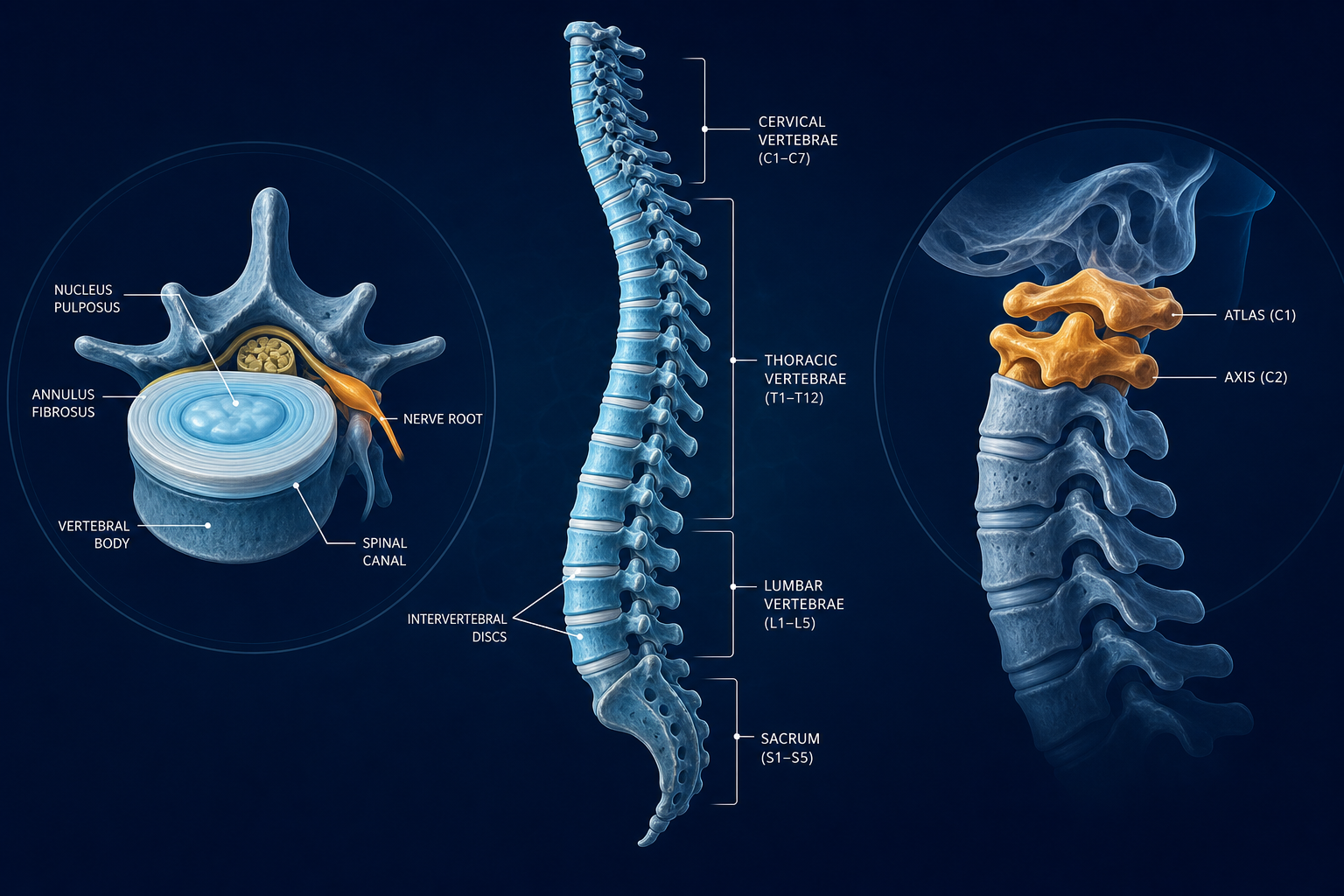
Chiropractors are licensed healthcare providers who specialize in diagnosing and treating disorders of the musculoskeletal system — particularly those involving the spine. Their primary tool is the chiropractic adjustment, also called spinal manipulation, which involves applying a controlled force to specific joints to restore range of motion, reduce muscle tension, and support the body's natural ability to recover.
Beyond the classic adjustment, many chiropractors incorporate complementary techniques such as soft-tissue therapy, therapeutic stretching, rehabilitative exercises, and postural coaching. Some also coordinate care with physical therapists, primary care physicians, or pain management specialists when a patient's needs extend beyond spinal manipulation alone.
Common conditions that chiropractic treatment may help address include:
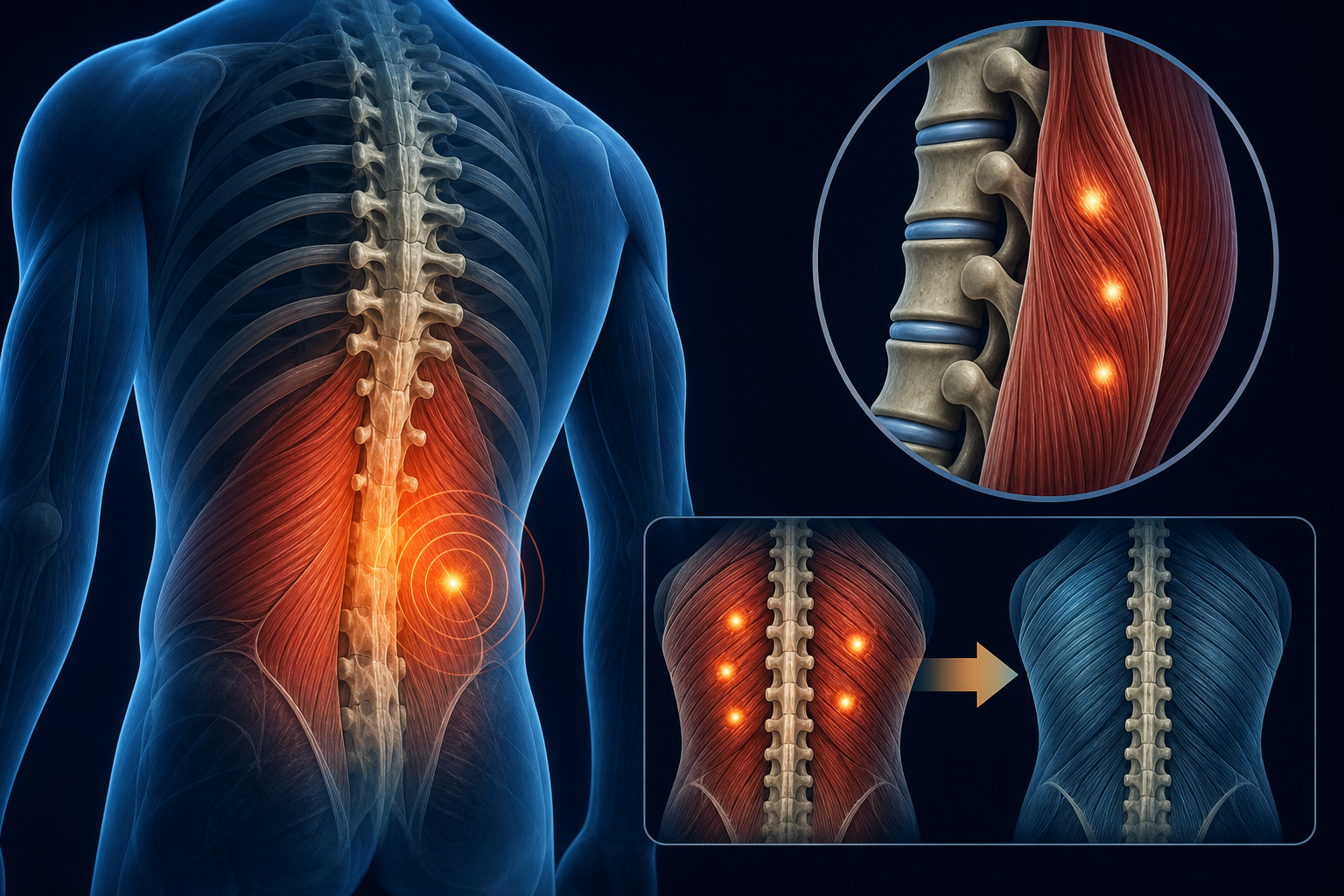
- Lower back pain, including strain and disc-related discomfort
- Neck pain and cervical stiffness
- Headaches associated with tension or cervicogenic (neck-origin) patterns
- Shoulder, hip, and extremity joint complaints
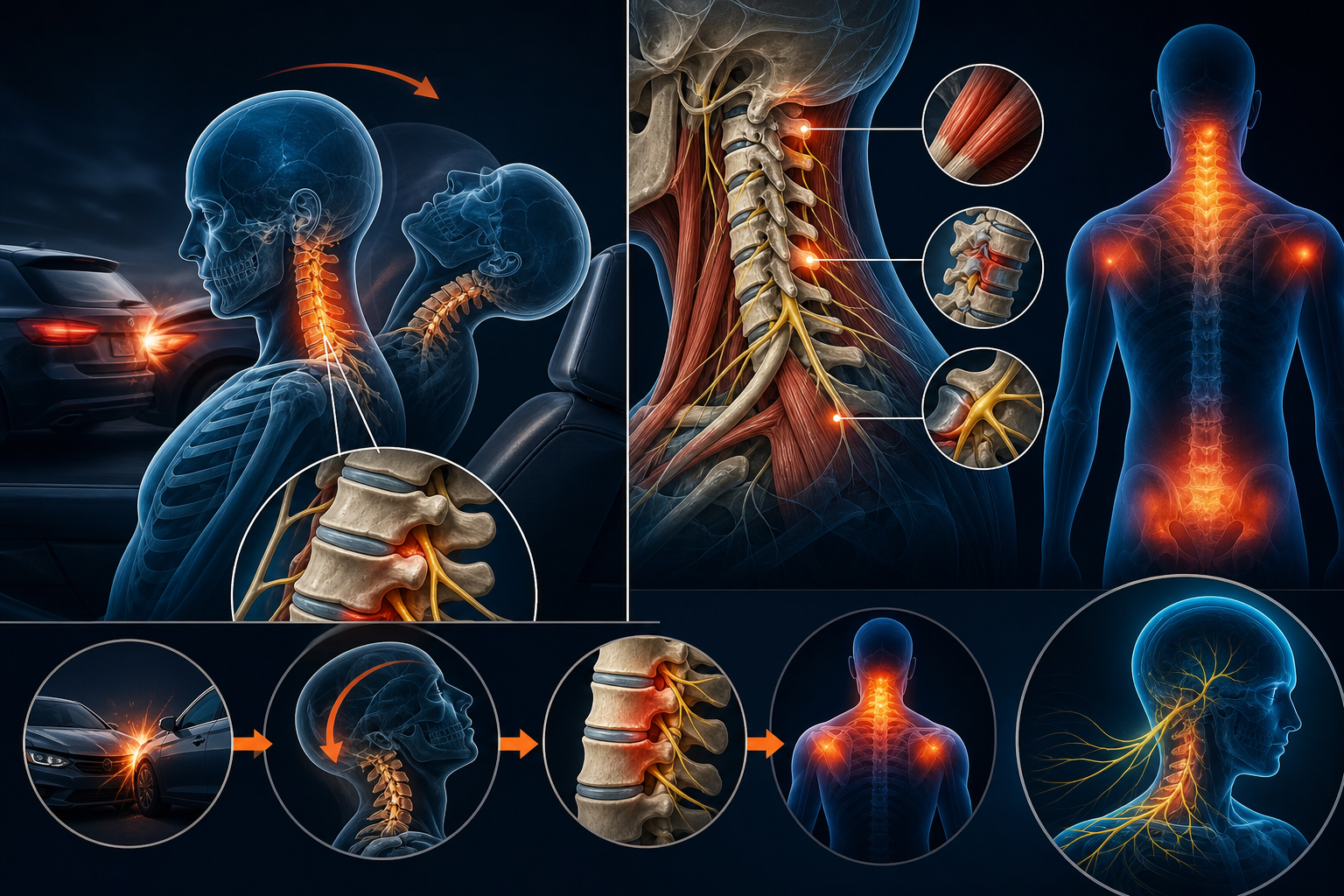
- Post-injury recovery, including whiplash from car accidents
- Postural imbalances from prolonged sitting or repetitive work
It's worth noting that chiropractic care is not appropriate for every spinal condition. Certain diagnoses — including fractures, severe osteoporosis, active infections, or progressive neurological deficits — may require referral to other specialists. A reputable chiropractor will review your health history thoroughly and refer you when needed rather than adjusting first and asking questions later. Learn more about the full range of conditions chiropractors treat in our Chiropractic Conditions Guide.
Should You See a Chiropractor After a Car Accident?
Pain after a car accident — especially neck and upper back pain consistent with whiplash — is one of the most frequent reasons people search for a chiropractor nearby. The force of a collision, even at low speeds, can strain muscles, ligaments, and the small joints of the cervical spine in ways that don't always show up on a standard X-ray.
Chiropractic care following a motor vehicle accident may help reduce pain, restore mobility, and support tissue healing during the recovery process. Many chiropractors who work with accident patients are also experienced in producing the clinical documentation — examination findings, functional limitations, treatment records — that becomes relevant if you pursue an insurance claim or personal injury case.
If you're experiencing pain, headaches, or stiffness after a collision, prompt evaluation is generally advisable. Delaying care can sometimes allow compensatory movement patterns to develop, and early documentation of injury can matter for both health and legal purposes. Our Car Accident Chiropractic Care article covers what to expect in more detail.
Is Chiropractic Care Safe? Understanding the Evidence
For most adults with common musculoskeletal complaints, chiropractic adjustment is considered a low-risk intervention when performed by a licensed provider after an appropriate health history and examination. Research generally characterizes serious adverse events following spinal manipulation as uncommon, though as with any healthcare intervention, individual risk depends on a person's specific health picture.
Mild soreness after an adjustment — similar to the feeling after a new workout — is relatively common and typically resolves within a day or two. Providers should discuss your health history, any red-flag symptoms, and the proposed technique before beginning care.
People sometimes ask whether chiropractic care is a viable alternative to surgery for conditions like a herniated disc. For many patients, conservative care — including chiropractic, physical therapy, or a combination — is recommended as a first approach before surgical options are considered, though this decision ultimately depends on the severity of the condition and the guidance of the relevant healthcare providers involved in your care.
Chiropractic Adjustment vs. Physical Therapy: Understanding the Difference
Patients recovering from back or neck pain frequently wonder whether to see a chiropractor, a physical therapist, or both. The honest answer is that these disciplines overlap in meaningful ways and diverge in others, and many patients benefit from care that incorporates elements of both.
Chiropractors focus primarily on joint function and spinal alignment, using hands-on manipulation as the central treatment modality. Physical therapists tend to emphasize therapeutic exercise, movement re-education, and functional rehabilitation. Both approaches are considered conservative, non-surgical, and appropriate for a wide range of musculoskeletal complaints.
Some practices offer integrated care — meaning a chiropractor and physical therapist work within the same clinic or coordinate closely — which can be particularly effective for complex presentations or post-injury recovery. When comparing providers, it's reasonable to ask whether their approach addresses both joint function and movement rehabilitation, or whether they would recommend co-treatment with another discipline. Explore how these approaches compare in our Chiropractic vs. Physical Therapy comparison guide.
How to Find a Good Chiropractor Near Me
Not all chiropractors practice identically. Specialty training, technique preferences, patient population focus, and communication style vary considerably. Here's a practical framework for evaluating your options:
Start with Credentials and Licensure
Every practicing chiropractor in the United States holds a Doctor of Chiropractic (D.C.) degree from an accredited institution and must be licensed in the state where they practice. Licensure requires passing national board examinations and fulfilling continuing education requirements. You can verify licensure through your state's chiropractic licensing board.
Consider Specialty Focus and Technique
Some chiropractors specialize in sports injury, pediatric care, prenatal care, or post-accident rehabilitation. If you're searching specifically for the best chiropractor for a herniated disc, look for providers who list disc conditions among their areas of focus and who can speak to their approach — whether that's flexion-distraction technique, instrument-assisted adjustment, or a specific rehabilitative protocol alongside manipulation.
Confirm Acceptance of New Patients and Insurance
Many patients run into frustrating delays when they find a chiropractor they're interested in only to discover the practice isn't accepting new patients or doesn't participate with their insurance plan. When searching on Medximity's chiropractor directory, you can filter by location, specialty, and availability to narrow your options before you call.
Read Reviews with Context
Patient reviews can offer useful signals — especially around communication, wait times, and how well a provider explains their approach — but individual experiences vary widely. Look for patterns in reviews rather than weight single outliers heavily in either direction.
What to Expect at Your First Chiropractic Appointment
Your first visit will almost always involve more talking and examination than it does adjusting. A thorough chiropractor will want to understand your chief complaint, health history, any imaging you've had done, medications you take, and any symptoms that might indicate a condition requiring referral. Expect to spend 45 minutes to an hour at a first appointment.
The physical examination typically includes postural assessment, range-of-motion testing, orthopedic and neurological screening, and palpation of the spine and surrounding musculature. Some providers order or review X-rays before beginning manipulation.
If treatment begins during the first visit, the provider should explain what they plan to do, why, and what sensations are normal. You should never feel pressured to proceed if something is unclear. Read our full breakdown in What to Expect at Your First Chiropractic Visit.
Questions to Ask Before You Commit to a Care Plan
Before agreeing to a multi-visit package or extended treatment plan, consider asking:
- What is your working diagnosis or assessment of my condition?
- What treatment approach do you recommend and why?
- How many visits do you anticipate, and what does progress look like at each stage?
- When would you refer me to another provider if I'm not improving?
- Do you work with physical therapists or other specialists when needed?
- What are the fees, and how does my insurance apply?
A provider who welcomes these questions and answers them clearly is generally a more trustworthy partner in your care than one who sidesteps them.
How Long Does Chiropractic Treatment Take to Work?
This depends heavily on the nature and duration of the complaint. Acute muscle strain or a stiff neck from sleeping in an awkward position may respond noticeably within a few visits. Chronic lower back pain, disc-related symptoms, or post-accident whiplash typically require a longer course of care — often measured in weeks rather than days — with progress assessed at regular intervals.
Evidence-based practice generally supports a trial of conservative care — chiropractic, physical therapy, or both — with reassessment at defined intervals rather than open-ended treatment. If you're not experiencing measurable improvement within a reasonable timeframe, your chiropractor should discuss next steps honestly, including referral to other specialists if appropriate.
Ready to Find a Chiropractor Near You?
The best starting point is a directory that lets you filter by location, specialty, and availability so you're not calling practices that can't help you. Search for chiropractors near you on Medximity to browse verified provider profiles, read patient reviews, and connect with practices accepting new patients in your area. If you're also exploring physical therapy or rehabilitation as part of your recovery, you can find a physical therapist near you through the same platform.
Whatever brought you here — a nagging back, a recent accident, or just the first time your neck has gone stiff enough that you can't look over your shoulder — getting an evaluation from a qualified provider is the most useful next step you can take. Conservative care has helped many people recover without surgery, and the right chiropractor can be a meaningful part of that process.
Frequently Asked Questions About Chiropractors Near Me
Can a chiropractor help if I can't move my neck after sleeping?
Cervical stiffness from sleeping in an awkward position is one of the more common reasons people seek same-day chiropractic evaluation. A chiropractor can assess whether the restriction involves the joints, muscles, or both and apply appropriate treatment to help restore range of motion. In most cases, acute cervical stiffness without neurological symptoms responds well to conservative care.
Is chiropractic care safe if I haven't had surgery?
For most adults with common spinal complaints and no contraindications, chiropractic adjustment is considered a low-risk, non-invasive option that does not require prior surgical history or any surgical procedure. Your chiropractor will screen for conditions that might make manipulation inadvisable before beginning care.
How do I find a chiropractor who is accepting new patients?
The most efficient approach is to use a provider directory — like the one at Medximity — that displays availability and new-patient status in real time. Calling practices directly and asking about new-patient availability is also reliable, especially for providers not yet listed in directories.
What's the difference between a chiropractor and a physical therapist for back pain?
Chiropractors focus primarily on spinal joint function and use hands-on manipulation as their core treatment tool. Physical therapists typically emphasize therapeutic exercise, functional movement, and rehabilitation. Both are conservative approaches appropriate for many back pain presentations; some patients benefit from both simultaneously or sequentially depending on their condition.
How many chiropractic visits will I need?
There is no universal answer — it depends on your diagnosis, how long you've had symptoms, your overall health, and how your body responds to care. Acute complaints may improve in a handful of visits. Chronic or complex conditions generally require a longer and more structured plan. Ask your provider to set clear milestones so you can evaluate progress at defined points rather than continuing care indefinitely.
Should I see a chiropractor after a car accident even if the pain seems minor?
Prompt evaluation after a collision is generally advisable even when pain seems mild initially, because some soft-tissue injuries — particularly whiplash-related strain — may not produce peak symptoms for 24 to 72 hours after impact. Early documentation of your condition also matters if an insurance or legal process follows. A chiropractor experienced in post-accident care can evaluate your presentation and advise on appropriate next steps.