Understanding Cervical Spondylosis: Your Questions Answered
Cervical spondylosis affects millions of adults worldwide, representing one of the most common causes of neck pain and stiffness in people over 40. This age-related condition occurs when the natural wear and tear of daily life gradually affects the bones, discs, and joints in the cervical spine. While cervical spondylosis can sound intimidating, understanding this condition empowers patients to make informed decisions about their health and seek appropriate care when needed. Knowledge about symptoms, causes, and treatment options helps individuals recognize when professional medical evaluation may be beneficial and what to expect during the healthcare journey. With proper information and qualified medical guidance, most people with cervical spondylosis can effectively manage their symptoms and maintain an active lifestyle.
Q: What is cervical spondylosis and who does it affect?
Cervical spondylosis without myelopathy or radiculopathy refers to age-related degenerative changes in the cervical spine that do not cause spinal cord compression or nerve root irritation. This condition involves the gradual breakdown of intervertebral discs, facet joints, and cervical vertebrae in the neck region. The term "without myelopathy or radiculopathy" indicates that while structural changes are present, they are not severe enough to compress the spinal cord or pinch nerve roots.
This condition most commonly affects adults over 40 years of age, with prevalence increasing significantly with advancing age. Studies suggest that approximately 85% of people over 60 show some degree of cervical spondylosis on imaging studies, though not all experience symptoms. Risk factors include genetics, previous neck injuries, occupational activities involving repetitive neck movements, and poor posture habits.
The distinction between uncomplicated cervical spondylosis and conditions with myelopathy or radiculopathy is important. Uncomplicated spondylosis typically presents with localized neck symptoms, while myelopathy involves spinal cord compression causing arm weakness or coordination problems, and radiculopathy involves nerve root compression causing radiating arm pain or numbness. Healthcare providers carefully evaluate these differences to determine appropriate treatment approaches.
Q: What are the common signs and symptoms to watch for?
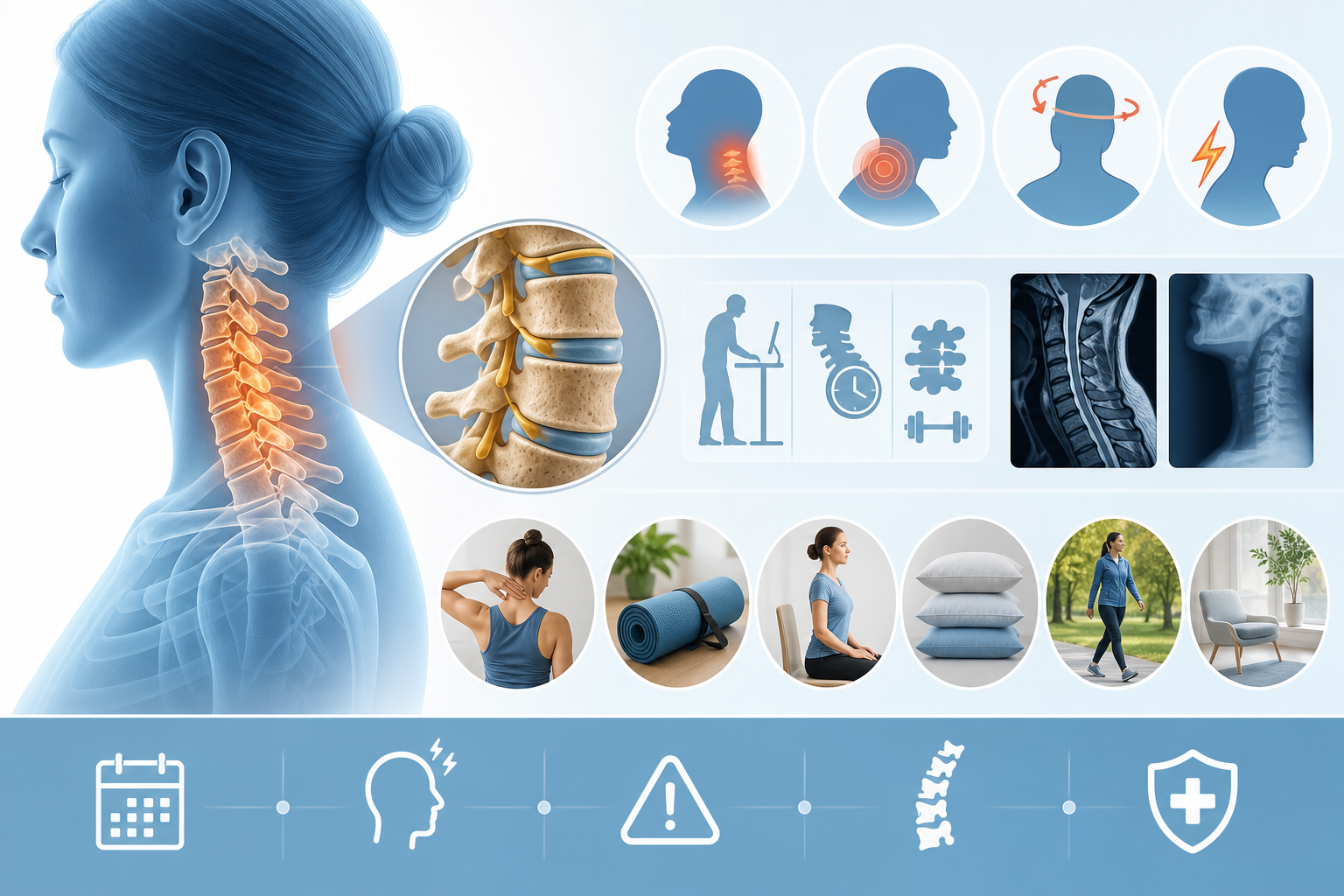
The most characteristic symptom of cervical spondylosis is neck pain that may vary from mild discomfort to more significant aching sensations. This pain often worsens with certain neck movements and may improve with rest. Many patients experience morning stiffness that gradually decreases throughout the day, though some notice increased discomfort after prolonged periods of looking down or maintaining static neck positions.
Limited range of motion in the neck is another common feature, with patients often reporting difficulty turning their head fully to one side or looking up and down. This stiffness may develop gradually over months or years, making it easy to unconsciously adapt movement patterns. Some individuals experience muscle spasms in the neck and shoulder regions, which can contribute to tension-type headaches originating from the base of the skull.
Importantly, cervical spondylosis without myelopathy or radiculopathy does not typically cause symptoms that extend beyond the neck and immediate shoulder area. Patients do not experience radiating arm pain, numbness, or tingling in the hands, which would suggest nerve root involvement. Additionally, symptoms like arm weakness, coordination difficulties, or balance problems would indicate potential spinal cord compression and require immediate medical evaluation. The localized nature of symptoms helps healthcare providers distinguish uncomplicated spondylosis from more complex conditions.
Q: When should someone seek professional medical care?
Certain symptoms require immediate medical attention and should never be ignored. These red flag symptoms include severe neck pain following trauma or injury, neck pain accompanied by fever, sudden onset of severe headache with neck stiffness, or any symptoms suggesting nerve involvement such as arm weakness, numbness, or radiating pain down the arms. Additionally, symptoms affecting coordination, balance, or fine motor skills warrant urgent evaluation.
For non-emergent situations, healthcare providers generally recommend seeking medical evaluation when neck pain persists for more than a few days without improvement, or when symptoms significantly interfere with daily activities, work, or sleep. If over-the-counter pain management strategies and basic self-care measures do not provide relief within a reasonable timeframe, professional assessment can help determine appropriate treatment options.
Patients should also consider medical consultation when neck symptoms progressively worsen over time, even if initially mild. Early intervention often leads to better outcomes and may prevent the development of chronic pain patterns. Healthcare providers can assess whether symptoms align with cervical spondylosis or if other conditions require consideration. Regular medical care becomes particularly important for individuals with occupational risk factors or previous neck injuries, as proactive management can help prevent symptom progression and maintain quality of life.
Q: What can patients expect during diagnosis and treatment?
The diagnostic process typically begins with a comprehensive medical history review and physical examination. Healthcare providers ask detailed questions about symptom onset, duration, aggravating factors, and any previous neck injuries or treatments. The physical examination includes assessment of neck range of motion, muscle strength, reflexes, and palpation to identify areas of tenderness or muscle spasm.
Diagnostic imaging may be recommended depending on symptom severity and duration. X-rays can reveal bone spurs, disc space narrowing, and other degenerative changes characteristic of cervical spondylosis. MRI imaging provides detailed visualization of soft tissues, including intervertebral discs and potential nerve compression, helping healthcare providers rule out myelopathy or radiculopathy. CT scans may be utilized in specific situations to better evaluate bone structures.
Treatment approaches for uncomplicated cervical spondylosis typically focus on conservative management strategies. These may include anti-inflammatory medications to reduce pain and inflammation, muscle relaxants for spasm relief, and topical pain-relieving preparations. Physical therapy often plays a central role, incorporating exercises to improve neck flexibility, strengthen supporting muscles, and correct postural imbalances. Lifestyle modifications such as ergonomic workplace adjustments, proper sleeping positions, and activity modifications can significantly contribute to symptom management. Heat and cold therapy, massage, and stress reduction techniques may provide additional relief for many patients.
Q: How can patients prepare for their healthcare appointment?
Preparing a detailed symptom diary before the appointment provides valuable information for healthcare providers. Patients should track pain levels throughout the day, noting activities that worsen or improve symptoms, sleep quality, and any patterns in symptom fluctuation. Recording specific triggers, such as certain movements or positions that increase discomfort, helps providers understand the condition's impact on daily life.
Compiling a comprehensive medical history and current medication list ensures efficient appointment use. This includes information about previous neck injuries, treatments tried, allergies, and all current medications including over-the-counter pain relievers and supplements. Patients should also prepare information about their occupation, exercise habits, and any recent changes in daily activities that might relate to symptom development.
Writing down questions in advance prevents forgetting important concerns during the appointment. Patients should consider what they most want to know about their condition, treatment options, and prognosis. Bringing a trusted friend or family member can provide emotional support and help remember information discussed during the visit. Essential items to bring include insurance information, previous imaging studies or medical records, and a list of healthcare providers involved in their care. Being prepared demonstrates engagement in the healthcare process and helps ensure comprehensive evaluation and treatment planning.
Q: What important questions should patients ask their provider?
Patients should inquire about their specific diagnosis and prognosis, asking questions like "What stage of cervical spondylosis do I have?" and "How might this condition progress over time?" Understanding treatment options is crucial, so patients might ask about both conservative and interventional approaches, expected timelines for improvement, and potential side effects of recommended treatments.
Activity and lifestyle questions help patients understand how to modify daily routines safely. Important questions include whether certain exercises or activities should be avoided, what ergonomic changes might be beneficial, and how to prevent symptom worsening. Patients should also ask about work restrictions and when it might be safe to return to full activities.
Follow-up care questions ensure continuity of treatment. Patients should ask when to schedule follow-up appointments, what symptoms would warrant earlier contact, and what signs might indicate the need for specialist referral. Understanding when imaging studies might need repeating and what long-term monitoring involves helps patients participate actively in their ongoing care management.
Taking Control of Your Cervical Spine Health
Understanding cervical spondylosis empowers patients to take an active role in managing their spine health and making informed healthcare decisions. With proper medical guidance and appropriate treatment strategies, most individuals with this common condition can effectively manage symptoms and maintain their quality of life. The key lies in finding qualified healthcare providers who understand the complexities of cervical spine conditions and can develop personalized treatment approaches. MedXimity's comprehensive provider directory helps patients connect with experienced orthopedic specialists, physical therapists, and pain management professionals who specialize in cervical spine care. By combining medical expertise with patient education and proactive self-care, individuals with cervical spondylosis can look forward to managing their condition successfully and maintaining an active, fulfilling lifestyle.
This information is for educational purposes only and should not replace professional medical advice. Always consult with a qualified healthcare provider for personalized medical guidance.