If you've been typing "physical therapy near me" into a search bar, you're probably dealing with pain, stiffness, a recent injury, or a movement problem that isn't resolving on its own. You're in good company — physical therapy is one of the most widely recommended conservative treatments for musculoskeletal and neurological conditions, and finding a qualified provider in your area is more straightforward than many people realize.
This guide covers everything you need to make a confident decision: what physical therapists do, which conditions they commonly treat, how to evaluate a clinic, what your first visit will look like, and how long it realistically takes to feel results. We'll also address insurance, the comparison between physical therapy and chiropractic care, and how to use an online directory to find a licensed physical therapist nearby.
What Does a Physical Therapist Do for Pain?
Physical therapists (PTs) are licensed healthcare professionals trained to evaluate and treat conditions that affect how you move and how much pain you experience. Rather than masking symptoms with medication, physical therapy works to identify and address the underlying mechanical, muscular, or neurological patterns contributing to your discomfort.
During a typical course of care, a physical therapist may use a combination of:
- Therapeutic exercise: Structured movements designed to strengthen weak muscles, restore range of motion, and retrain movement patterns that may be contributing to pain.
- Manual therapy: Hands-on techniques including joint mobilization, soft-tissue massage, and myofascial release intended to reduce stiffness and improve circulation to affected tissues.
- Neuromuscular re-education: Exercises and cues that help retrain the nervous system's relationship with muscles — particularly useful after injury, surgery, or periods of immobility.
- Modalities: Adjunct tools such as ultrasound therapy, electrical stimulation (TENS or NMES), heat, ice, or dry needling may be used in some clinics to support tissue healing and pain relief.
- Patient education: Understanding your condition, posture habits, ergonomic adjustments, and a home exercise program are all central to lasting results.
The goal isn't simply to reduce pain during sessions — it's to give your body the tools to stay well between appointments and after you've completed your program.
Conditions Treated by Physical Therapy Near Me
One of the most common misconceptions about physical therapy is that it's only for athletes or post-surgical recovery. In reality, PTs treat a broad spectrum of conditions across all ages and activity levels. Common reasons patients seek physical therapy include:
Musculoskeletal Pain
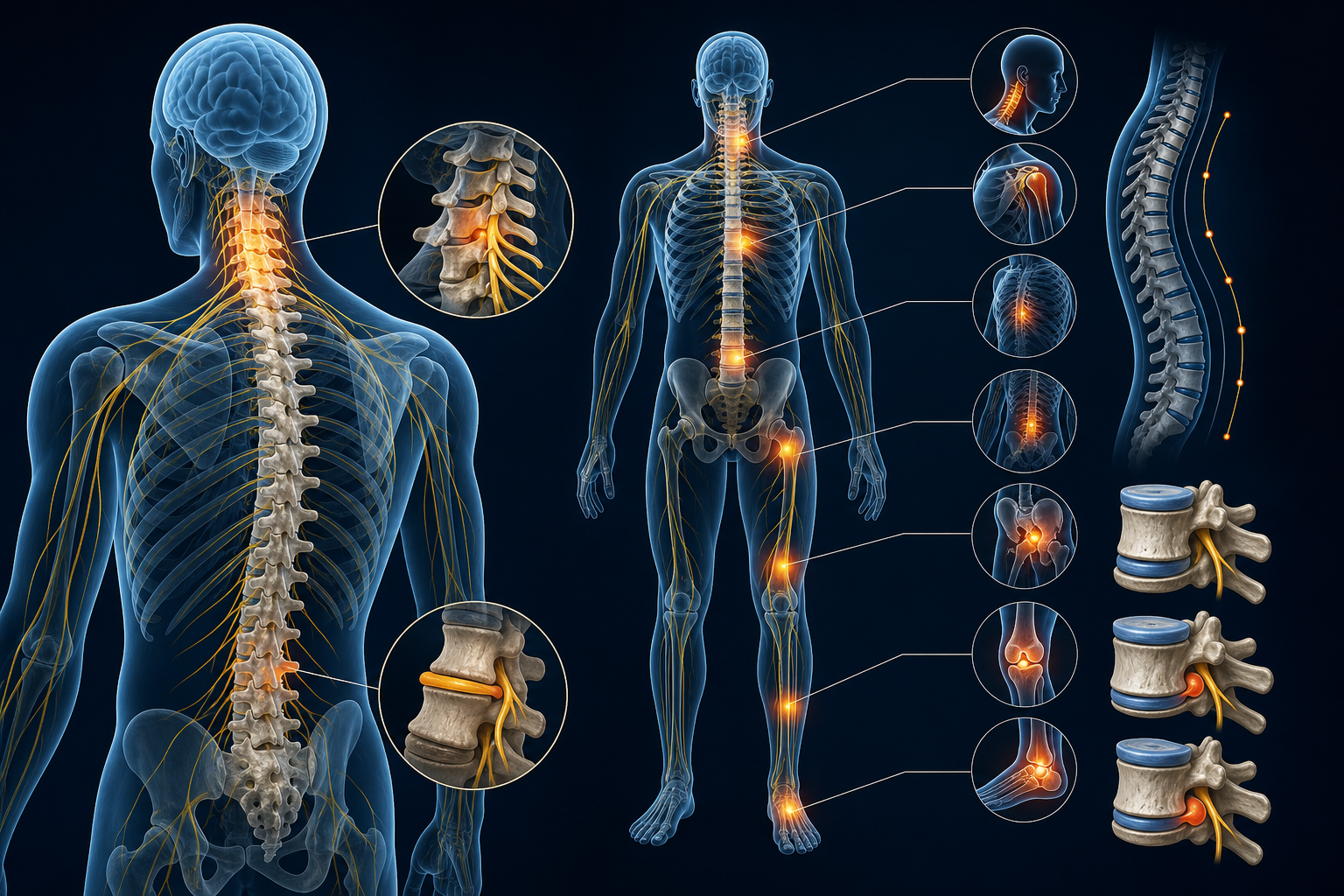
- Low back pain and lumbar disc issues
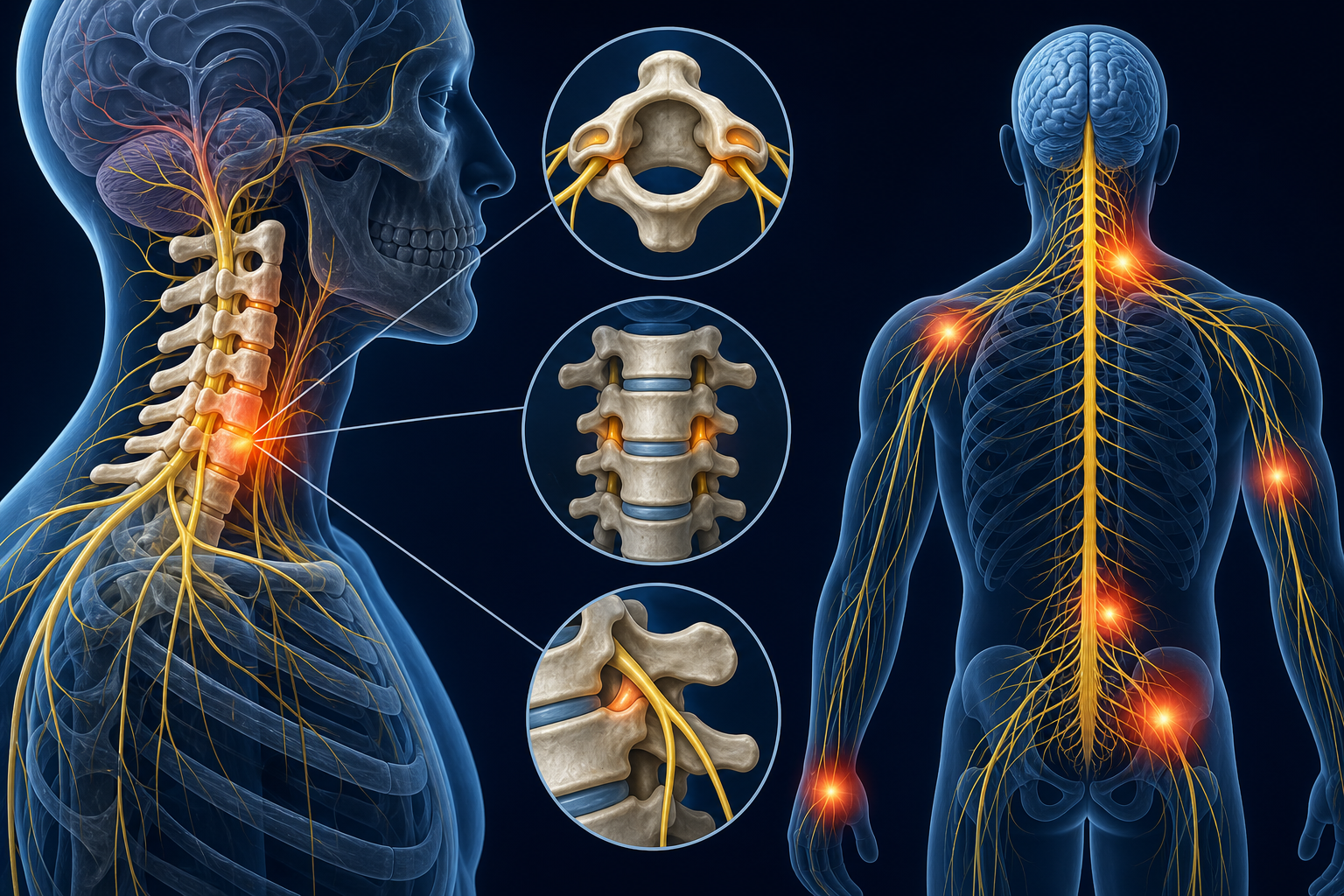
- Neck pain and cervicogenic headaches
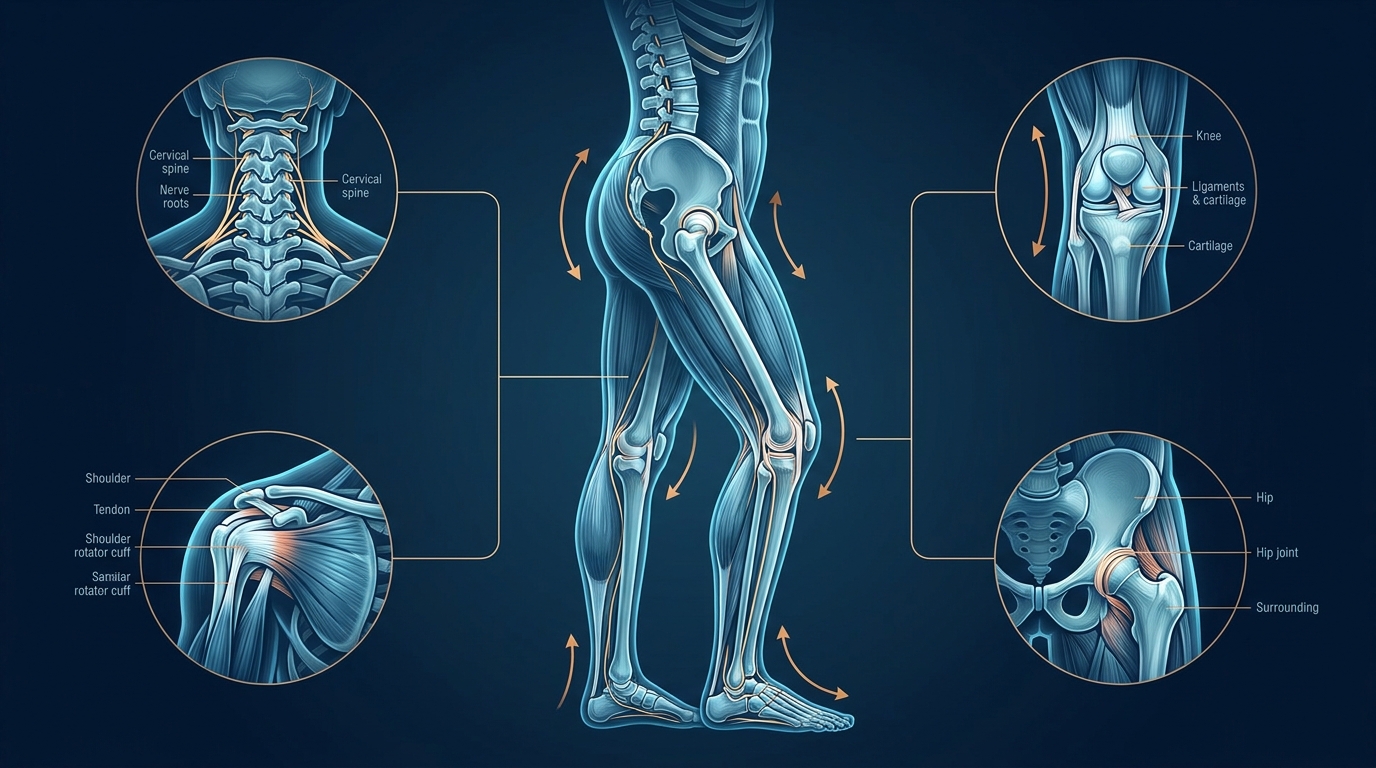
- Shoulder pain, including rotator cuff strains and impingement
- Hip, knee, and ankle pain
- Sciatica and radiating nerve pain
- Plantar fasciitis and foot pain
- Arthritis-related stiffness and mobility loss
Injury Rehabilitation
- Sports injuries such as sprains, strains, and ligament tears
- Motor vehicle accident injuries including whiplash
- Work-related injuries and repetitive strain conditions
- Post-surgical rehabilitation (orthopedic, spinal, or joint replacement)
Neurological and Balance Conditions
- Balance disorders and fall prevention
- Stroke rehabilitation
- Parkinson's disease movement support
- Vestibular disorders and dizziness
Other Common Presentations
- Temporomandibular joint (TMJ) dysfunction
- Pelvic floor dysfunction
- Postural correction and scoliosis management
- Pre- and post-partum musculoskeletal pain
If you're unsure whether physical therapy is appropriate for your situation, a licensed PT can conduct an initial evaluation and let you know whether your condition falls within their scope — or whether another provider would serve you better first.
For patients dealing specifically with back and neck pain, you may also want to explore back pain treatment without surgery near me to understand the full range of conservative options available.
How to Find a Good Physical Therapist Nearby
Not all PT clinics are structured the same way, and the quality of your experience can vary significantly depending on the setting, caseload, and specialization of the therapist you see. Here's what to look for when evaluating your options.
Verify Licensure and Credentials
Every practicing physical therapist in the United States must hold a Doctor of Physical Therapy (DPT) degree and maintain a current state license. Many PTs also hold board certifications in specialty areas — Orthopedic Clinical Specialist (OCS), Sports Certified Specialist (SCS), and Neurologic Clinical Specialist (NCS) are among the most recognized. These credentials signal advanced training beyond the entry-level degree.
You can use an online directory to find licensed physical therapists in your area, filter by specialty, and review provider profiles before making contact.
What to Look for in a Physical Therapy Clinic
When comparing clinics, consider:
- One-on-one time with your therapist: Some high-volume clinics assign aides or assistants to manage most of your visit while the licensed PT checks in briefly. Ask directly how much time you'll spend with the credentialed therapist versus support staff.
- Specialization match: A clinic that focuses heavily on sports rehabilitation may not be the best fit for a patient recovering from a neurological event — and vice versa. Look for a practice whose patient population resembles your situation.
- Evaluation thoroughness: A good first visit involves a comprehensive assessment of your movement, strength, range of motion, and functional limitations — not just a quick intake and jumping straight to modalities.
- Communication style: You should leave each visit understanding what was done, why, and what you're expected to practice at home. If a clinic can't explain your treatment in plain language, that's worth noting.
- Convenience and access: Location matters for a treatment plan that may span weeks. A highly-rated clinic across town is less useful than a solid clinic you'll actually attend consistently.
Questions to Ask a Physical Therapist at Your First Appointment
Your first PT visit is also an opportunity to evaluate whether this provider is the right fit. Don't hesitate to ask:
- What is your assessment of my condition? A good PT can give you a working hypothesis after your evaluation — even if it's qualified as preliminary pending imaging or physician input.
- What is the treatment plan, and how long do you expect it to take? Ask for a realistic timeline, not a guarantee. A thoughtful answer will include a range and milestones rather than a fixed promise.
- How much of the work happens here versus at home? Home exercise compliance is often the biggest predictor of outcomes. Make sure you understand what's expected of you between sessions.
- How will we measure progress? Objective measures — range of motion, strength testing, functional assessments — give you something concrete to track rather than just asking "do you feel better?"
- Will I see you specifically at each visit, or different therapists? Consistency in your treating therapist is generally associated with better continuity of care.
- What should I do if I feel worse after a session? This segues naturally into the next important question many patients wonder about.
What Happens at Your First Physical Therapy Visit
If you've never been to a physical therapist before, knowing what to expect can ease the uncertainty. A typical initial evaluation runs 45 to 60 minutes and generally includes:
Intake and History
Your therapist will review any referral or imaging you've brought, ask about the onset and nature of your symptoms, your activity level, prior treatments, and what activities your pain is limiting. Be as specific as possible — "it hurts when I sit for more than 20 minutes" is more useful than "my back hurts."
Physical Assessment
Expect the therapist to observe your posture and movement, test your range of motion and joint mobility, assess strength in relevant muscle groups, and perform specific orthopedic or neurological tests depending on your presentation. They may watch you walk, squat, reach, or perform other functional movements.
Goal-Setting and Plan of Care
At the end of the evaluation, your PT should explain what they found, outline a proposed treatment plan — typically a frequency of visits per week over a set number of weeks — and establish goals that matter to you, whether that's returning to a sport, walking without pain, or getting through a workday comfortably.
Possible Initial Treatment
Some clinics begin light treatment at the first visit; others reserve the full evaluation session for assessment only. Either approach is reasonable. You may receive a few initial exercises to start before your next visit.
Is It Normal to Be Sore After Physical Therapy?
Yes — mild soreness after a physical therapy session is common, particularly in the early stages of a new program or after a session that challenged muscles or tissue that haven't been worked in a while. This is similar to the delayed-onset muscle soreness (DOMS) many people experience after starting a new exercise routine.
What's worth paying attention to is the type and duration of that soreness:
- Expected: A dull, muscular achiness that peaks 24–48 hours after a session and gradually resolves. This often signals that tissue is adapting.
- Worth reporting: Sharp, shooting, or joint-centered pain that worsens progressively after treatment, or soreness that doesn't improve within two to three days. Always tell your therapist if something doesn't feel right — adjusting intensity or technique is a normal part of the process.
Your PT should give you clear guidance on what to expect after each session, particularly when introducing new exercises or manual techniques.
How Long Does Physical Therapy Take to Work?
This is one of the most common questions patients ask, and an honest answer requires some nuance. Research generally supports that many people begin noticing meaningful improvement within four to six weeks of consistent physical therapy for common musculoskeletal conditions — but the full course of care often runs longer, and timelines vary considerably based on:
- The nature and chronicity of the condition (acute injuries often respond faster than long-standing chronic pain)
- How consistently you attend sessions and complete your home program
- Your baseline health, age, and tissue healing capacity
- Whether contributing factors — sleep, stress, sedentary work — are being addressed alongside treatment
A typical plan of care runs six to eight weeks for many orthopedic conditions, though complex presentations or post-surgical rehab may extend considerably longer. Progress checks at regular intervals allow your PT to adjust the plan if things aren't tracking as expected.
The most important thing to avoid is stopping care prematurely because you feel better. Symptom relief and full functional recovery are not the same milestone, and returning to full activity too soon is a leading cause of re-injury.
Does Insurance Cover Physical Therapy Visits?
In most cases, yes — physical therapy is a covered benefit under the majority of private health insurance plans, Medicare, Medicaid (coverage varies by state), and many workers' compensation and auto insurance policies. However, coverage details vary widely:
- Visit limits: Many plans cap the number of PT visits per year. Some plans require that visits be deemed "medically necessary" and may require periodic re-authorization.
- Referral requirements: Depending on your plan and state, you may need a physician referral before beginning physical therapy, or you may be able to access PT directly ("direct access" is permitted in all 50 states but with varying degrees of restriction).
- Cost-sharing: Copays, coinsurance, and deductibles apply differently across plans. Calling your insurance directly before your first appointment to ask about your PT benefit — including your out-of-pocket responsibility per visit — is always worth the time.
If you're managing a condition related to a motor vehicle accident or workplace injury, billing may run through auto insurance or workers' compensation rather than your health plan. Many PT clinics can help navigate this, but it's worth clarifying before your first session.
Physical Therapy vs. Chiropractic Care for Back Pain
Patients dealing with back pain often wonder whether they should see a physical therapist, a chiropractor, or both. The distinction matters, though both fall within conservative, non-surgical care.
Chiropractic care centers on spinal and joint manipulation — a hands-on technique designed to restore joint mobility, reduce nerve irritation, and improve biomechanical function. Chiropractors often treat back pain, neck pain, headaches, and extremity joint conditions.
Physical therapy tends to emphasize active rehabilitation — building strength, correcting movement patterns, and restoring function through exercise and patient education — alongside manual techniques.
In practice, the two approaches are complementary. Some patients benefit most from chiropractic care to address joint restrictions early, then transition to physical therapy to build the strength that keeps those restrictions from returning. Others start with PT and never require anything beyond it. The right path depends on your specific presentation, preferences, and how your body responds to initial treatment.
Explore chiropractic care vs. physical therapy for back pain to understand both approaches in more depth, and browse chiropractors near you if you want to explore that route alongside PT options.
How to Find a Licensed Physical Therapist Online
The fastest and most reliable way to locate a qualified PT in your area is through a provider directory that verifies licensure and lets you filter by specialty, location, and insurance accepted. Generic search results may surface clinics, but they often lack the clinical detail you need to compare providers meaningfully.
On Medximity, you can search for licensed physical therapists near you by location and specialty, view provider profiles that include credentials and areas of focus, and connect directly with a clinic to confirm availability and insurance participation.
If you're also exploring care for a related condition, you may find it helpful to review what to expect at a first chiropractic visit or browse our condition-specific resources on sciatica and whiplash to better understand your options before making a call.
Key Takeaways
- Physical therapists treat a wide range of musculoskeletal, neurological, and movement-related conditions — not just sports injuries or post-surgical cases.
- Your first PT visit should include a thorough evaluation, not just paperwork and passive treatment. Come prepared with your history, imaging if you have it, and specific functional goals.
- Mild soreness after sessions is normal; sharp or worsening pain should always be reported to your therapist.
- Most people notice meaningful improvement within four to six weeks, but completing the full plan of care — even after symptoms ease — reduces the risk of re-injury.
- Most health insurance plans cover physical therapy, but visit limits, referral requirements, and cost-sharing vary. Verify your benefit before starting.
- Physical therapy and chiropractic care are complementary approaches, not competing ones — the right fit depends on your condition and how you respond to care.
- Use a credentialed online directory to find and compare licensed physical therapists in your area before choosing a clinic.
Frequently Asked Questions
Do I need a doctor's referral to see a physical therapist?
In all 50 states, patients can access physical therapy without a physician referral under "direct access" laws — but the scope of that access varies by state, and some insurance plans still require a referral for coverage purposes. It's worth checking your plan's requirements before scheduling.
How many times a week will I need to go to physical therapy?
Most plans of care begin with two to three sessions per week, particularly in the early phase of treatment. As you progress and your home program becomes more robust, frequency may be reduced to once a week or a maintenance schedule. Your PT will recommend a frequency based on your condition and goals.
What should I wear to a physical therapy appointment?
Comfortable, loose-fitting clothing that allows easy access to the area being treated is ideal. For a knee or hip condition, shorts are helpful. For shoulder or upper back work, a tank top or loose shirt works well. Avoid restrictive clothing or anything you'd hesitate to move in.
Can physical therapy make my pain worse before it gets better?
Some patients experience a temporary increase in discomfort as treatment begins, particularly when addressing long-standing issues or when exercise challenges muscles that have been guarded or underused. This is typically short-lived. However, any pain that feels different from your usual symptoms, worsens progressively, or doesn't improve within a few days should be discussed with your therapist promptly.
Is physical therapy the same as massage therapy?
They overlap in some techniques — both may involve hands-on soft-tissue work — but they are distinct professions with different scopes of practice. Physical therapists are licensed healthcare providers trained to evaluate and treat movement and pain conditions; massage therapists specialize in soft-tissue manipulation primarily for relaxation and circulation. Manual therapy as performed by a PT is one component of a broader rehabilitative plan.
Can children see a physical therapist?
Yes. Pediatric physical therapy is a recognized specialty area. Children may benefit from PT for developmental delays, sports injuries, postural conditions, neurological disorders, or recovery after orthopedic procedures. Pediatric PTs are trained to adapt assessment and treatment approaches to younger patients.