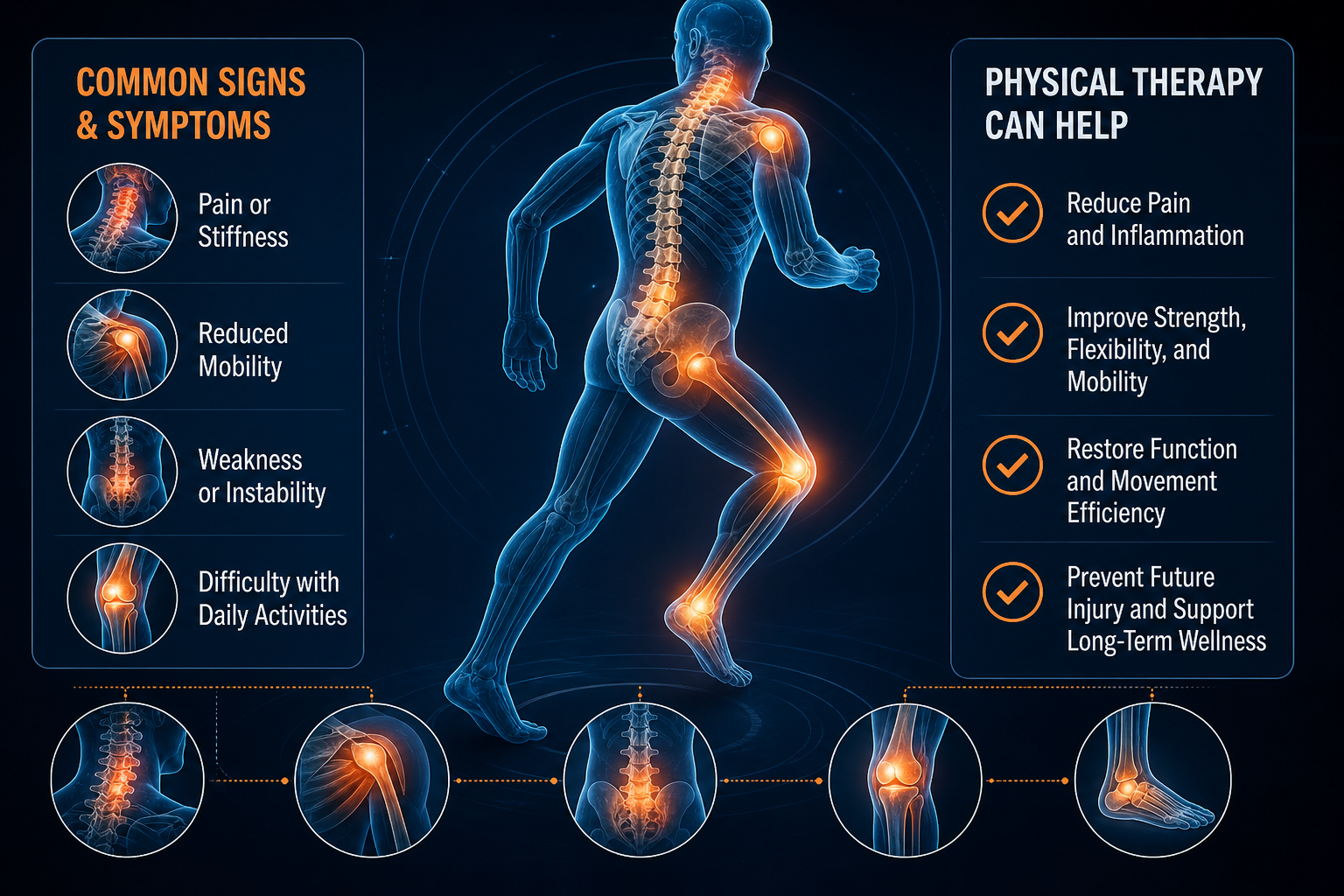
If you are searching for physical therapy in Fountain Inn, you may be dealing with pain, stiffness, weakness, or a change in how you move. Physical therapy is a conservative healthcare service focused on improving movement, reducing pain where possible, restoring function, and helping you return to daily activities safely. For many patients, it may be part of recovery after a sports injury, car accident, work injury, surgery, flare-up of back or neck pain, or a gradual problem such as knee pain when walking.
A physical therapist evaluates how your body moves, identifies factors that may be contributing to symptoms, and builds a treatment plan that can include therapeutic exercise, mobility work, hands-on techniques, posture and body mechanics education, balance training, and home exercises. The right plan depends on your diagnosis, medical history, goals, and how your symptoms respond over time.
Medximity helps patients compare providers and find care close to home. If you are ready to begin, you can search for physical therapy near Fountain Inn and review available provider profiles before scheduling.
What Is Physical Therapy?
Physical therapy is a licensed healthcare profession that focuses on movement, function, and rehabilitation. A physical therapist, often called a PT, may work with people who have pain, limited range of motion, weakness, balance problems, difficulty walking, or trouble performing work, sports, or household tasks.
Treatment is not one-size-fits-all. A person with acute low back pain may need a different plan than someone recovering from a knee injury, shoulder strain, or work-related lifting injury. In many cases, physical therapy combines active care, such as strengthening and mobility exercises, with education and selected manual techniques. The goal is usually to help your body tolerate activity better and improve the way you move.
Physical therapy may be recommended after an injury, before or after certain procedures, or when pain begins interfering with normal activities. Some patients come in after a physician referral, while others seek care directly depending on state rules, insurance requirements, and the clinic’s policies.
When to See a Physical Therapist in Fountain Inn
You do not have to wait until pain is severe to ask for help. Seeing a physical therapist early may help identify movement limitations, strength deficits, or habits that are contributing to symptoms. It may also help you understand which activities are reasonable to continue and which may need modification while you recover.
Back Pain That Is Affecting Daily Life
Patients often ask when to see a physical therapist for back pain. Consider scheduling an evaluation if back pain lasts more than a few days, keeps returning, limits walking or bending, interferes with sleep, or makes work tasks difficult. A PT may assess hip mobility, spine movement, core and glute strength, lifting mechanics, and symptom triggers.
Physical therapy for back pain may include gentle mobility work, progressive strengthening, walking or conditioning guidance, and education on lifting, sitting, and movement strategies. If you are comparing options, Medximity’s article on when to see a physical therapist for back pain offers additional patient-friendly guidance.
Knee Pain When Walking
Knee pain when walking physical therapy searches are common because walking is part of daily life. Knee symptoms may be related to the joint itself, surrounding muscles, hip or ankle mechanics, training changes, prior injury, or irritation from repetitive activity. A physical therapist may look at knee range of motion, swelling, strength, balance, gait, and how the knee responds to stairs, squatting, or standing from a chair.
Physical therapy without surgery for knee pain may be appropriate for many people, depending on the underlying cause and clinical findings. Conservative care may focus on strengthening the quadriceps, hips, and calves; improving flexibility; modifying painful activities; and gradually rebuilding tolerance for walking. Some people improve with a structured rehab plan, while others may need additional medical evaluation if symptoms do not respond as expected.
For more on conservative knee care, visit Medximity’s guide to physical therapy for knee pain.
Neck Pain, Headaches, or Posture-Related Symptoms
People looking for natural treatment for neck pain Fountain Inn are often trying to avoid relying only on rest or short-term relief. Physical therapy may help some patients with neck pain by improving mobility, strengthening deep neck and shoulder muscles, addressing workstation ergonomics, and teaching movement strategies that reduce irritation.
Neck pain can have many causes, and not every symptom is appropriate for self-care. Seek prompt medical attention if neck pain follows significant trauma, is associated with new weakness, numbness, severe headache, dizziness, fever, or other concerning symptoms. For general education, Medximity has a related article on natural treatment options for neck pain.
Shoulder Pain After a Car Accident
If you can’t move your shoulder after a car accident, it is important to be evaluated by a qualified healthcare professional. Shoulder pain after a collision may involve muscles, tendons, ligaments, joints, or irritated nerves. In some cases, imaging or medical assessment may be needed before starting rehab, especially if there is severe pain, deformity, numbness, significant weakness, or inability to lift the arm.
When physical therapy is appropriate, a PT may work on restoring shoulder range of motion, reducing guarding, improving scapular control, and gradually strengthening the shoulder complex. Progression should be based on tolerance and clinical findings, not a generic timeline.
Work Injury Recovery
Physical therapy for work injury recovery may help people rebuild strength, mobility, and confidence after strains, sprains, repetitive-use injuries, or other job-related musculoskeletal problems. Treatment often includes activity-specific exercises, lifting mechanics, endurance work, and education on safer movement patterns for the workplace.
If your injury happened at work, administrative requirements can vary, including whether you need authorization or a specific referral before therapy. The healthcare side of recovery should focus on accurate evaluation, clear documentation, and a plan matched to your job demands. Medximity’s resource on physical therapy for work injury recovery explains what patients can generally expect from the rehab process.
What Happens at the First Physical Therapy Visit?
Many people wonder what happens at first physical therapy visit because they are not sure whether it will be painful, exercise-heavy, or mostly paperwork. The first appointment is usually an evaluation. Your therapist will ask about your symptoms, health history, medications or precautions, prior injuries, activity level, work demands, and goals.
The physical exam may include movement testing, strength testing, range-of-motion measurements, posture or gait assessment, balance screening, and functional movements such as squatting, reaching, or stepping. The PT may also ask what makes symptoms better or worse. This helps them decide which movements are safe, which areas need work, and whether any red flags suggest you should be referred back to a physician or another provider.
Treatment may begin during the first visit, but the focus is often on understanding the problem and creating a plan. You may receive a few home exercises, advice about activity modification, and an explanation of how often therapy may be recommended. For a deeper walk-through, read Medximity’s guide to what happens at your first physical therapy visit.
What to Expect During a Physical Therapy Plan
A physical therapy plan usually changes over time. Early visits may focus on calming symptoms, restoring comfortable movement, and helping you learn what to avoid temporarily. As your condition improves, sessions often become more active, with progressive strengthening, balance work, endurance, coordination, and task-specific training.
Common Treatment Components
- Therapeutic exercise: Specific movements selected to improve strength, mobility, endurance, or control.
- Manual therapy: Hands-on techniques that may help improve joint or soft tissue mobility in some patients.
- Neuromuscular re-education: Exercises that help improve coordination, balance, posture, or movement patterns.
- Gait and functional training: Practice with walking, stairs, lifting, reaching, or job-specific tasks.
- Home exercise program: A realistic plan you can do between visits to support progress.
- Education: Guidance on pacing, ergonomics, body mechanics, and gradual return to activity.
Physical therapy should feel collaborative. You should be able to ask why a movement is included, how it relates to your goal, and what signs mean the plan needs to be adjusted. Some soreness can happen when you begin new exercises, but sharp, worsening, or unusual symptoms should be discussed with your therapist.
Physical Therapy vs Chiropractic for Back Pain
Patients often compare physical therapy vs chiropractic for back pain. Both are conservative care options, and both may help certain people depending on the cause of symptoms, provider training, and the treatment approach used.
Physical therapy typically emphasizes exercise progression, movement assessment, functional strengthening, and long-term self-management. Chiropractic care often focuses on spinal joint mobility, manual adjustments, soft tissue techniques, and related conservative strategies. Some patients benefit from one approach, and some may use both when providers coordinate care appropriately.
The best choice depends on your symptoms, preferences, medical history, and goals. For example, if back pain is strongly tied to weakness, balance, work conditioning, or return-to-sport goals, physical therapy may be a strong fit. If joint stiffness and spinal mobility are primary concerns, chiropractic care may also be considered. For a balanced comparison, see Medximity’s article on physical therapy vs chiropractic for back pain.
How Long Does Physical Therapy Take?
How long does physical therapy take depends on the condition, severity, age of the injury, general health, consistency with home exercises, and how your body responds. A mild strain may require only a short course of care, while post-surgical rehabilitation, chronic pain, significant weakness, or work-conditioning needs may take longer.
Many patients attend therapy one to three times per week at first, though frequency varies. Your therapist may reassess progress regularly by measuring range of motion, strength, pain levels, walking tolerance, balance, or your ability to perform specific tasks. If progress stalls, the plan may be modified, or you may be referred for additional medical evaluation.
It is reasonable to ask your PT what milestones they are watching for. Instead of focusing only on a calendar date, a good rehab plan usually tracks functional improvements, such as walking farther, climbing stairs more comfortably, lifting safely, sleeping better, or returning to work tasks with less limitation.
How to Find the Best Physical Therapist Near Fountain Inn
The best physical therapist near Fountain Inn for you is the one whose experience, communication style, availability, and treatment approach fit your needs. A convenient location matters, but so does feeling heard and understanding your plan.
What to Look For
- Relevant experience: Look for providers who commonly treat your concern, such as back pain, sports injury, knee pain, shoulder rehab, balance problems, or work injuries.
- Clear evaluation process: Your first visit should include a thoughtful history and movement assessment, not just a generic exercise sheet.
- Active treatment approach: For many conditions, progressive movement and home exercises are central to improvement.
- Communication: Your PT should explain the plan in plain language and adjust it when symptoms change.
- Practical scheduling: Consistency matters, so office hours, location, and appointment availability can affect follow-through.
To compare local options, start with Medximity’s Fountain Inn physical therapy provider search. You can also expand your search to nearby communities if you need a specific service, schedule, or clinical focus.
Preparing for Your Appointment
Before your first visit, gather any relevant medical records, referral forms, imaging reports if you have them, insurance information, and a list of medications or health conditions. Wear comfortable clothing that allows you to move and lets the therapist examine the affected area. For knee pain, shorts may be helpful. For shoulder or neck pain, a tank top or loose shirt may make movement testing easier.
Think about your goals before you arrive. Goals can be simple: walking the dog without knee pain, lifting a child, returning to pickleball, sitting through work without neck pain, or getting back to full-duty job tasks. Clear goals help your PT design a plan that matches real life.
You should also be ready to describe your symptoms honestly. When did they start? What makes them worse? What makes them better? Are symptoms improving, worsening, or staying the same? Have you had this problem before? These details can help your therapist make safer, more useful decisions.
When to Seek Urgent Medical Care Instead
Physical therapy is not a substitute for emergency or urgent medical care. Seek immediate medical attention if you have symptoms such as chest pain, sudden shortness of breath, signs of stroke, loss of bowel or bladder control, severe traumatic injury, major deformity, fever with severe spine pain, unexplained severe weakness, or rapidly worsening numbness. After a fall, collision, or major accident, a medical evaluation may be needed before starting therapy.
If you are unsure whether physical therapy is appropriate, contact a qualified healthcare provider. A PT can also screen for signs that another type of medical assessment may be needed.
Start Your Search for Physical Therapy in Fountain Inn
Physical therapy in Fountain Inn may be a helpful next step if pain, stiffness, weakness, or limited mobility is keeping you from normal activity. Whether you are dealing with back pain, knee pain when walking, neck discomfort, shoulder problems after a car accident, or work injury recovery, a licensed physical therapist can evaluate your movement and create a plan based on your needs.
Use Medximity to compare providers, learn about conservative care options, and choose a clinic that fits your goals. Begin with the physical therapy near me Fountain Inn search page to review local options.
Frequently Asked Questions
Do I need a referral for physical therapy in Fountain Inn?
Referral requirements can depend on South Carolina rules, your insurance plan, the clinic’s policies, and your specific condition. Some patients may be able to schedule directly, while others may need a referral or authorization. Check with the clinic and your insurance plan before your first appointment.
What should I wear to physical therapy?
Wear comfortable clothing that allows movement. Choose clothes that make it easy for the therapist to assess the area involved, such as shorts for knee or hip concerns and a loose shirt for shoulder or neck concerns. Supportive shoes are helpful if walking, balance, or lower-body exercise will be part of your visit.
Will physical therapy hurt?
Physical therapy should not feel like uncontrolled pain. Some exercises may be challenging, and mild soreness can occur when your body is adapting to new movement. Tell your therapist if symptoms feel sharp, worsening, or unusual so the plan can be adjusted.
How many visits will I need?
The number of visits varies by diagnosis, symptom severity, goals, and response to treatment. Your PT may give an initial estimate after the evaluation and update it as you progress. Functional milestones are often more useful than a fixed timeline.
Can physical therapy help me avoid surgery?
For some musculoskeletal conditions, conservative care such as physical therapy may help improve function and reduce symptoms enough that more invasive options are not pursued. This depends on the condition and should be discussed with your healthcare provider. Physical therapy cannot guarantee that surgery will be avoided.
Is physical therapy only for injuries?
No. Physical therapy may also help with balance problems, weakness, mobility loss, chronic pain, posture-related symptoms, recovery after illness, and prevention of recurring movement problems. Your therapist can explain whether your concern is appropriate for PT after an evaluation.