If you were recently in a crash, one of the first practical questions is often: Does UnitedHealthcare cover auto accident treatment? The short answer is that UnitedHealthcare may cover medically necessary care for injuries from a car accident, but the details depend on your specific plan, the state where the accident happened, whether auto insurance benefits apply first, and whether your provider is in network.
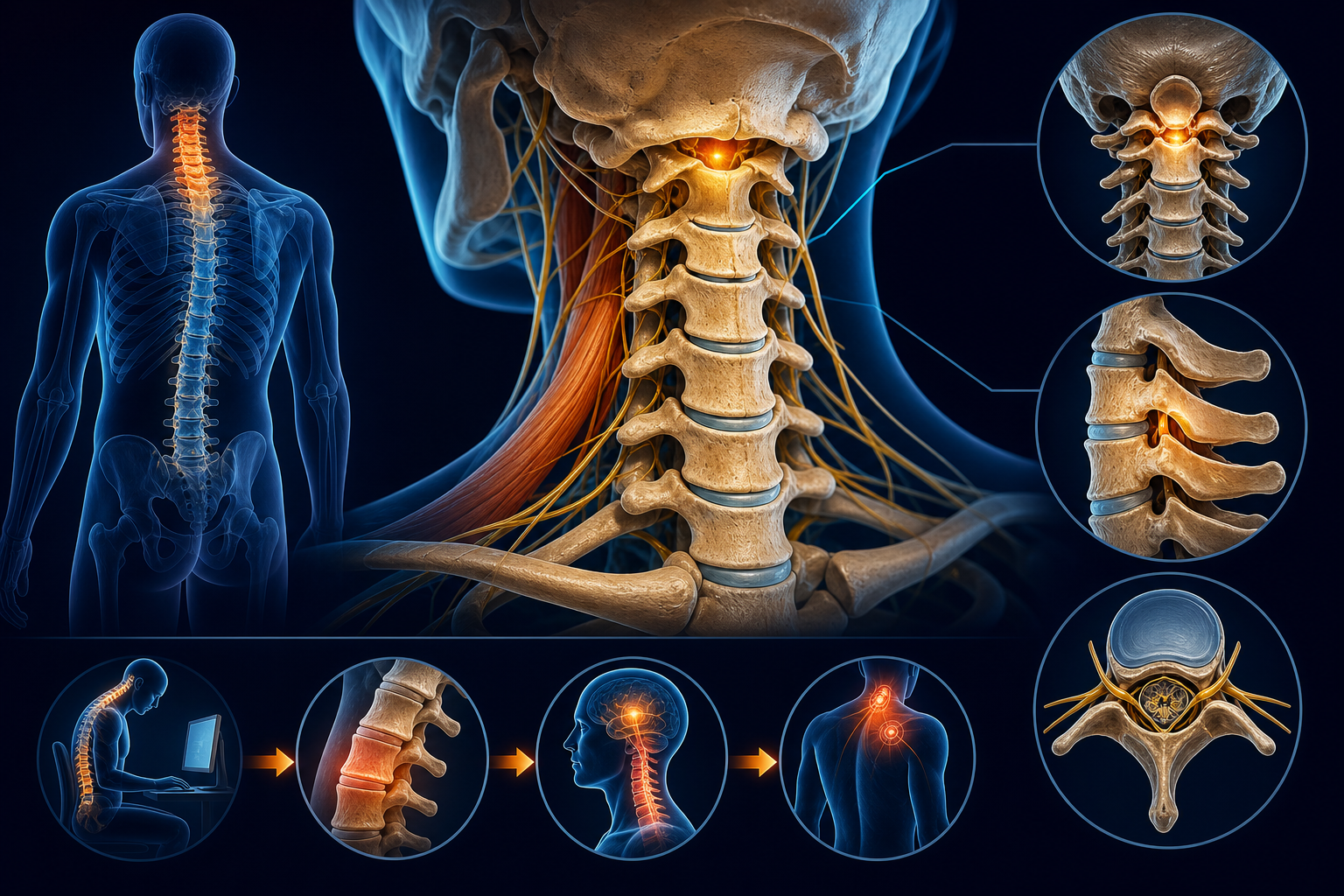
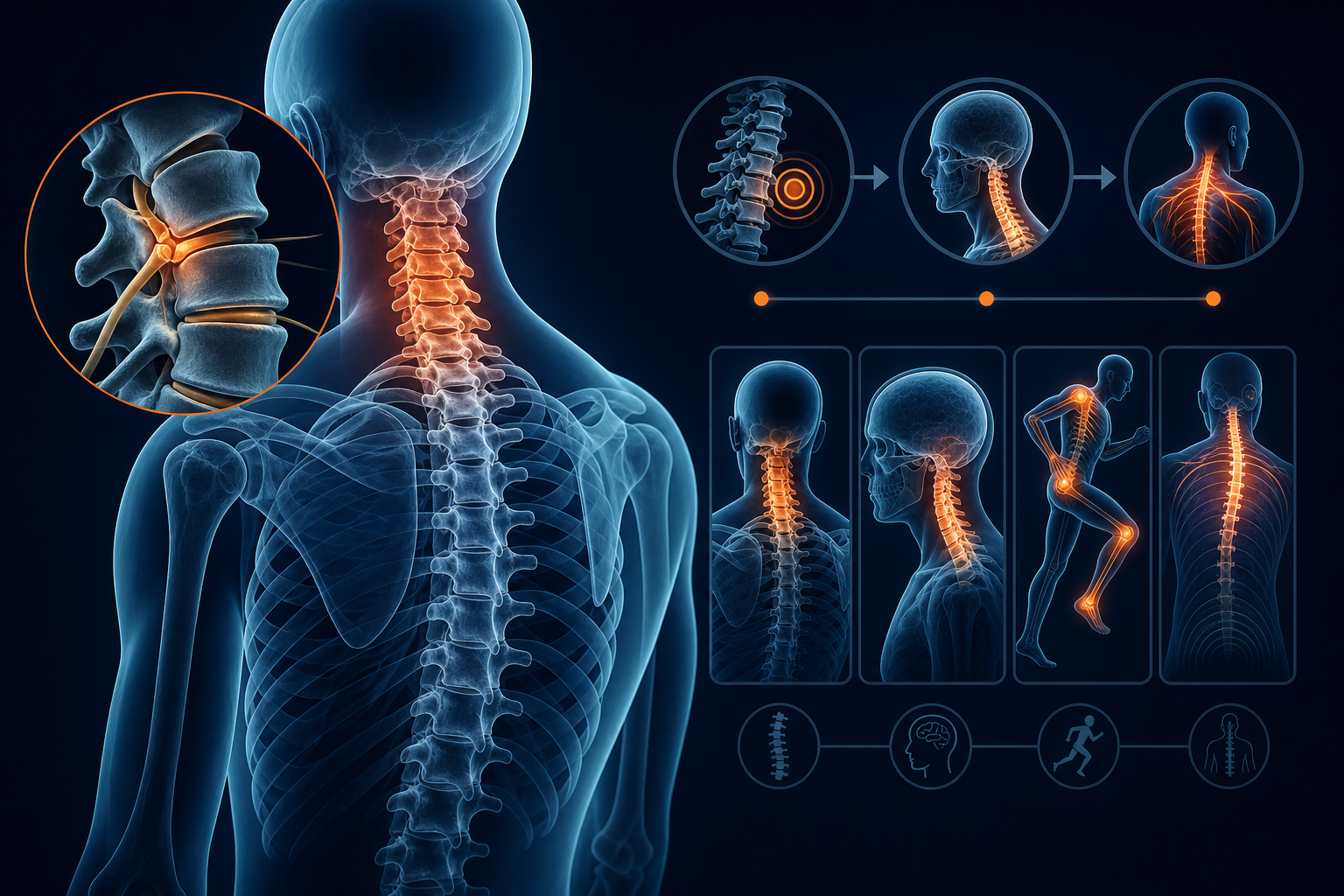
For many patients, accident care may include evaluation for neck pain, back pain, headaches, whiplash-associated symptoms, shoulder pain, hip pain, or mobility limits. Conservative treatment may involve chiropractic care, physical therapy, supervised rehabilitation, home exercise, posture training, and gradual return-to-activity planning. This article explains what patients need to know before scheduling care, how coverage may work, and what to ask UnitedHealthcare and your provider’s office.
This information is general and educational. Insurance benefits vary by plan and state, and only UnitedHealthcare, your auto insurer, and your treating provider can confirm how your specific care may be handled.
Does UnitedHealthcare Cover Auto Accident Treatment?
UnitedHealthcare plans may cover evaluation and treatment after an auto accident when the care is considered medically necessary and covered under the member’s benefits. That may include office visits, imaging when clinically appropriate, chiropractic services, physical therapy, or rehabilitation. However, a health insurance plan does not always pay first after a motor vehicle collision.
In many cases, the payment order may depend on whether you have auto insurance medical benefits, such as personal injury protection, often called PIP, or medical payments coverage, often called MedPay. Some states require certain auto benefits, while others do not. Some health plans may ask whether the injury was accident-related and may coordinate benefits with auto insurance before processing the claim.
Because of these variables, the safest first step is to verify benefits before or soon after your first appointment. If you are searching for a provider, Medximity can help you find a chiropractor near you, a physical therapist near you, or other conservative care providers who commonly evaluate musculoskeletal injuries after a crash.
What Types of Car Accident Treatment May Be Covered?
Coverage usually depends on your diagnosis, plan benefits, provider network, medical necessity, and documentation. After a crash, your provider may evaluate pain location, range of motion, neurological signs, strength, reflexes, gait, function, and how symptoms affect daily activities. Treatment may then be recommended based on those findings.
Chiropractic care after a crash
If you are wondering, does UnitedHealthcare cover car accident chiropractor visits?, the answer is plan-specific. Many UnitedHealthcare plans include some chiropractic benefits, but limits may apply. For example, a plan may limit the number of visits, require care from an in-network chiropractor, exclude certain services, or require documentation showing that treatment is medically necessary.
Chiropractic care after an accident may include spinal manipulation or mobilization when appropriate, soft tissue techniques, stretching, movement coaching, ergonomic advice, and strengthening exercises. These approaches may help some patients with neck pain, back pain, stiffness, or mobility limits, but they are not appropriate for every injury. A qualified provider should screen for red flags and refer for additional evaluation when symptoms suggest a more serious condition.
Patients looking for a UnitedHealthcare chiropractor after accident near me should confirm whether the clinic accepts their plan, whether the provider is in network, and whether the office has experience documenting accident-related care.
Physical therapy for car accident injuries
Physical therapy for car accident injuries may be covered when your plan includes therapy benefits and the care meets the plan’s requirements. Physical therapists commonly help patients restore strength, flexibility, balance, posture, and function after musculoskeletal injuries. A treatment plan may include therapeutic exercise, manual therapy, neuromuscular re-education, gait training, functional movement retraining, and a home exercise program.
Physical therapy may be especially useful when an injury affects lifting, walking, driving, sleeping, work tasks, sports, or childcare. Some plans require prior authorization, a referral, or periodic progress notes to continue therapy. If you are unsure whether UnitedHealthcare requires referrals for therapy under your plan, call the number on your insurance card and ask before beginning care.
Whiplash, neck pain, and back pain treatment
Neck pain after a car accident is often associated with whiplash-type mechanisms, where the head and neck move rapidly during impact. Symptoms may include neck stiffness, headache, shoulder discomfort, upper back pain, dizziness, or difficulty turning the head. These symptoms can have many causes, and a provider should evaluate your specific presentation rather than assuming the diagnosis.
Treatment for whiplash UnitedHealthcare coverage may depend on whether services are covered under chiropractic, physical therapy, or medical benefits. Conservative care may include gentle range-of-motion exercises, progressive strengthening, manual therapy, education, and activity modification. For more general education, you can read Medximity’s guide to whiplash symptoms and conservative care.
Back pain after a crash is also common. Back pain treatment without surgery after crash may involve guided movement, spinal stabilization exercises, posture and lifting instruction, soft tissue treatment, and gradual activity progression. Surgery is not the focus of conservative accident rehabilitation, and many patients begin with noninvasive care when it is clinically appropriate.
PIP vs Health Insurance Accident Care
Understanding PIP vs health insurance accident care can reduce confusion and may help prevent billing surprises. PIP, or personal injury protection, is auto insurance coverage that may pay for medical care after a car accident regardless of fault, depending on state law and the policy. MedPay is another type of auto insurance medical benefit that may help pay accident-related medical bills in some situations.
Health insurance, including a UnitedHealthcare plan, may still play a role. However, some health insurers ask whether the injury is related to an auto accident and may require auto insurance information before processing claims. In states or policies where PIP applies, PIP may need to be billed before health insurance. In other situations, health insurance may process the claim and later coordinate with another payer.
These rules vary by state, policy, employer plan, and accident facts. This is not legal or insurance advice. If you have questions about payment order, reimbursement, or responsibility for bills, contact your insurer and consider speaking with a qualified professional who can review your specific situation.
Does UnitedHealthcare Require Referrals for Therapy?
The question does UnitedHealthcare require referrals for therapy does not have one universal answer. Some UnitedHealthcare plans allow direct access to certain providers, while others require a referral from a primary care provider, prior authorization, or use of a specific network. Employer-sponsored plans, Medicare Advantage plans, marketplace plans, and Medicaid managed care plans may all have different requirements.
Before scheduling physical therapy or chiropractic care, ask UnitedHealthcare these questions:
- Is chiropractic care covered under my plan?
- Is physical therapy covered under my plan?
- Do I need a referral or prior authorization?
- How many visits are covered per year or per episode of care?
- Do accident-related claims need to be billed to auto insurance first?
- Is the provider in network?
- What are my copay, coinsurance, and deductible responsibilities?
- Are there documentation requirements for continued visits?
You can also ask the clinic’s billing team to verify benefits. Verification is helpful, but it is not always a guarantee of payment. Final payment decisions are usually made when the claim is reviewed.
In-Network vs Out-of-Network Accident Treatment
Network status can significantly affect cost. In-network providers have a contract with UnitedHealthcare or a related network and generally bill according to the plan’s allowed amounts. Out-of-network providers may not have that agreement, which can lead to higher out-of-pocket costs or no coverage, depending on the plan.
If you are considering out of network accident treatment UnitedHealthcare, ask detailed questions first. Some plans offer out-of-network benefits after a deductible is met. Others may not cover out-of-network conservative care except in limited circumstances. A clinic may also accept accident liens, auto insurance billing, or self-pay arrangements, but those are separate from UnitedHealthcare coverage and should be explained in writing before treatment begins.
When comparing options, search for the rehabilitation clinics near you and ask whether the clinic is in network with your specific UnitedHealthcare plan, not just UnitedHealthcare generally. Plan networks can differ.
When Should You See a Provider After a Car Accident?
You should consider being evaluated after a car accident if you have pain, stiffness, weakness, numbness, tingling, headaches, dizziness, reduced range of motion, difficulty sleeping, trouble working, or symptoms that worsen over time. Some people feel symptoms right away, while others notice them later as inflammation, guarding, or movement limitations become more noticeable.
Seek urgent medical attention if you have severe pain, chest pain, shortness of breath, fainting, confusion, loss of consciousness, new neurological symptoms, loss of bowel or bladder control, suspected fracture, severe headache, or any symptom that feels serious or rapidly worsening. Conservative providers can be part of recovery, but emergency or medical evaluation may be needed first in some situations.
If your symptoms are not urgent but are interfering with movement or daily activities, a chiropractor, physical therapist, or rehabilitation provider may evaluate whether conservative care is appropriate. Medximity’s patient resource on when to see a chiropractor after a car accident may help you think through timing and next steps.
What to Expect at an Accident Treatment Appointment
Your first visit should begin with a detailed history. The provider may ask when the crash occurred, how the impact happened, where you feel symptoms, what makes symptoms better or worse, whether you have numbness or weakness, what activities are limited, and whether you have already received medical care.
The physical exam may include posture assessment, range-of-motion testing, orthopedic tests, neurological screening, strength testing, palpation, and functional movement assessment. Your provider may recommend conservative care, refer you for imaging or medical evaluation when indicated, or coordinate with another clinician if your symptoms require a different level of care.
Treatment usually starts with an individualized plan rather than a one-size-fits-all protocol. A plan may include hands-on care, guided exercise, mobility work, education, home exercises, and progress checks. If you are receiving physical therapy treatment, your therapist may measure functional progress over time and adjust exercises as your tolerance improves.
How Long Does Accident Therapy Take?
How long does accident therapy take? Recovery time varies. It depends on the type of injury, symptom severity, prior health history, work demands, activity level, consistency with home exercises, and whether complications are present. Some patients need only a short course of care, while others require a longer rehabilitation plan with periodic reassessment.
Insurance coverage may also influence the timeline. A plan may approve a certain number of visits initially and then require updated notes showing progress. If therapy continues, the provider may need to document objective findings such as range of motion, strength, pain levels, functional improvements, and ongoing limitations.
A good rehab plan should have measurable goals. Examples may include turning the neck while driving, sitting through a workday with less discomfort, lifting household items with better mechanics, walking without symptom flare-ups, or returning to exercise gradually. Progress may not be perfectly linear, but your provider should explain what is being treated and why.
Why Was an Accident Treatment Claim Denied?
If you are asking, why was accident treatment claim denied, the answer may involve coverage rules, documentation, billing order, authorization, or network status. A denial does not always mean the care was inappropriate. It may mean the insurer needs more information or that a plan requirement was not met.
Common reasons for denial may include:
- The provider was out of network and the plan has limited out-of-network benefits.
- A referral or prior authorization was required but not obtained.
- The claim was submitted to health insurance before auto insurance information was provided.
- The insurer requested accident details or coordination-of-benefits information.
- The plan determined that documentation did not show medical necessity.
- A visit limit was reached.
- The billed service was not covered under the plan.
- Diagnosis codes or claim details needed correction.
If a claim is denied, request the explanation of benefits and ask both the clinic and UnitedHealthcare what information is needed. Keep copies of bills, claim numbers, denial letters, referral records, and authorization notices. Deadlines and appeal procedures vary by plan, so use the instructions in your plan documents and contact the insurer directly.
How to Find the Best Rehab Clinic for a Car Accident Near You
The best rehab clinic for car accident near me is not necessarily the closest office or the one with the most aggressive marketing. Look for a clinic that performs a careful evaluation, explains your treatment plan clearly, documents function and progress, coordinates benefits responsibly, and refers out when symptoms fall outside conservative care.
When calling a clinic, ask:
- Do you treat patients with car accident-related neck or back pain?
- Do you accept my specific UnitedHealthcare plan?
- Are you in network or out of network?
- Can you help verify benefits before treatment?
- Do you provide chiropractic care, physical therapy, rehabilitation, or a combination?
- How do you track progress and update the treatment plan?
- What costs might I owe if insurance does not pay?
You can start with Medximity’s provider search directory to compare nearby options. If your symptoms are mostly spine-related, you may also want to learn more about chiropractic care and how conservative providers approach movement-related pain.
Practical Steps Before You Begin Treatment
After a crash, paperwork can feel overwhelming. A simple checklist can make the process more manageable:
- Call UnitedHealthcare. Ask about accident-related coverage, referrals, authorization, network status, visit limits, and whether auto insurance must be billed first.
- Call your auto insurer. Ask whether PIP, MedPay, or other medical benefits may apply.
- Choose a qualified provider. Look for a clinic that evaluates your symptoms, explains options, and documents progress.
- Bring relevant information. Share your insurance cards, claim numbers, crash date, prior medical records, and medication list if applicable.
- Ask for a written cost explanation. Understand copays, deductibles, coinsurance, self-pay rates, and what may happen if a claim is denied.
- Follow the care plan and speak up. Tell your provider if symptoms worsen, new symptoms appear, or exercises are not tolerable.
UnitedHealthcare may cover accident-related chiropractic care, physical therapy, or rehabilitation when plan rules are met, but every patient’s benefits are different. The most reliable approach is to verify coverage, choose a provider who documents care carefully, and get evaluated promptly when symptoms interfere with daily life.
Frequently Asked Questions
Does UnitedHealthcare cover car accident chiropractor visits?
UnitedHealthcare may cover chiropractic care after a car accident if your plan includes chiropractic benefits, the provider is covered under your network rules, and the care is considered medically necessary. Visit limits, referrals, prior authorization, and accident billing rules may apply.
Will UnitedHealthcare cover physical therapy for car accident injuries?
Physical therapy may be covered when it is a benefit under your plan and documentation supports medical necessity. Some plans require a referral, prior authorization, or continued progress notes.
Does UnitedHealthcare cover treatment for whiplash?
UnitedHealthcare may cover conservative treatment related to whiplash symptoms if the services are covered under your plan and meet medical necessity requirements. Coverage may fall under medical, chiropractic, or physical therapy benefits depending on the provider and service.
Does PIP pay before UnitedHealthcare?
In some states and policies, PIP or MedPay may need to be billed before health insurance for accident-related care. Rules vary by jurisdiction, policy, and plan, so confirm with both your auto insurer and UnitedHealthcare.
What if my accident treatment claim is denied?
Review the explanation of benefits, ask why the claim was denied, and contact both UnitedHealthcare and the clinic’s billing team. Denials may involve missing authorization, coordination of benefits, network status, visit limits, or documentation requests.