Does traditional Medicare cover massage therapy? In most situations, Traditional Medicare, also called Original Medicare, does not cover standalone massage therapy when it is provided for relaxation, wellness, comfort, or general pain relief. Some hands-on treatment may be covered when it is part of a medically necessary Medicare-covered service, such as physical therapy, and when billing and documentation requirements are met.
This article provides general insurance information, not individualized legal advice, a coverage determination, or a guarantee of benefits. Medicare rules, Medicare Advantage plan terms, provider billing practices, and documentation requirements can change. Patients should verify current requirements before scheduling care.
The Short Answer: Traditional Medicare Usually Does Not Cover Standalone Massage Therapy
For patients asking, “does traditional Medicare cover massage therapy,” the practical answer is usually no if the service is massage therapy by itself. A massage appointment marketed for relaxation, wellness, stress reduction, muscle tension, or general comfort is treated differently from covered medical therapy.
The distinction matters because a service can feel medically helpful without being payable by Medicare. Coverage depends on benefit categories, medical necessity, provider qualifications, documentation, billing rules, and applicable policy terms. A provider’s recommendation alone does not guarantee reimbursement.
What Traditional Medicare Means for Coverage
Traditional Medicare generally refers to Original Medicare, which includes Part A and Part B. Most outpatient therapy questions, including physical therapy and certain practitioner services, fall under Part B rather than Part A. Traditional Medicare therapy coverage rules are not the same as private insurance rules, workers’ compensation rules, or Medicare Advantage plan rules.
Original Medicare usually pays only for services that fit within a covered benefit category and are considered reasonable and necessary for diagnosis or treatment. Even when a service is health-related, it may not be covered if it is categorized as wellness, maintenance, comfort care, or a service not recognized under Medicare rules for that setting and provider type.
Massage Therapy vs. Covered Manual Therapy: Why the Difference Matters
Patients often use “massage,” “manual therapy,” and “hands-on treatment” interchangeably, but Medicare billing may treat them differently. The question of massage therapy vs physical therapy Medicare coverage often turns on why the treatment is being provided, who provides it, how it is documented, and whether it is part of a covered plan of care.
Massage therapy is commonly associated with relaxation, soft-tissue comfort, and wellness. Manual therapy may describe specific hands-on techniques used by a physical therapist or other qualified clinician as part of a therapy plan. The same patient may experience both as hands-on care, but coverage is not based only on how the treatment feels.
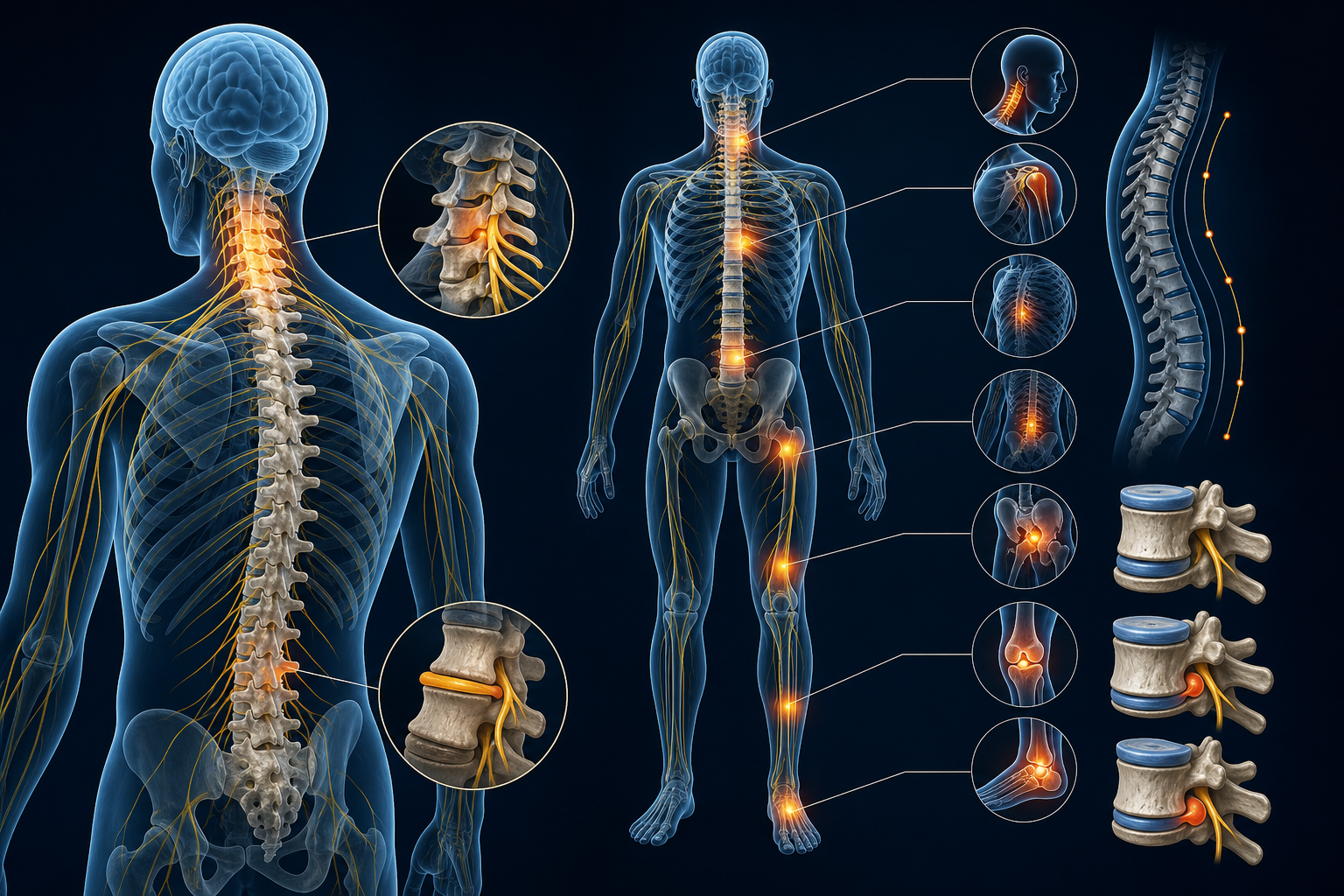
For example, a person with back or sciatic pain may explore many forms of care. Medximity has separate educational resources on where lower back pain may come from and what can be done for sciatic pain. Those clinical topics are different from the insurance question of whether a particular service is payable by Medicare.
When Hands-On Treatment May Be Part of a Covered Service
So, when does Medicare cover manual therapy? A hands-on technique may be covered when it is part of a medically necessary, skilled therapy service that meets Medicare requirements. This generally means the service is tied to a diagnosed condition, ordered or certified as required, included in a treatment plan, and performed or supervised by an appropriate Medicare-enrolled provider.
Coverage may depend on the diagnosis, treatment goals, progress documentation, setting of care, provider type, and billing code used. A therapy service is more likely to be evaluated under Medicare therapy rules when it is connected to functional improvement, restoration, or prevention of functional decline under applicable standards. Patients should not assume that every hands-on technique is covered simply because it occurs in a medical office.
Physical Therapy, Medical Necessity, and Documentation
Medicare physical therapy medical necessity requirements are central to many coverage questions. For outpatient physical therapy, Medicare generally requires that services be reasonable and necessary for the patient’s condition and require the skills of a qualified therapist or other permitted professional. Documentation should support the diagnosis, treatment plan, goals, services provided, and medical need.
In practical terms, the provider should be able to explain whether the service will be billed as physical therapy, whether the treating professional accepts Medicare, and what documentation supports the claim. If the visit is primarily a wellness massage, the provider may expect the patient to pay out of pocket instead of billing Medicare.
Medicare payment rules can include technical requirements beyond clinical usefulness. A service may be helpful but still not payable if documentation is incomplete, the provider is not eligible to bill Medicare for that service, or the service falls outside a covered benefit category.
Chiropractic Care Under Traditional Medicare
Another common question is: does Medicare cover chiropractic massage therapy? Under Traditional Medicare, chiropractic coverage is limited. Medicare Part B may cover manual manipulation of the spine by a chiropractor when it is medically necessary to correct a spinal subluxation. Other services ordered or provided by a chiropractor, including massage therapy, are generally not covered by Medicare as chiropractic benefits.
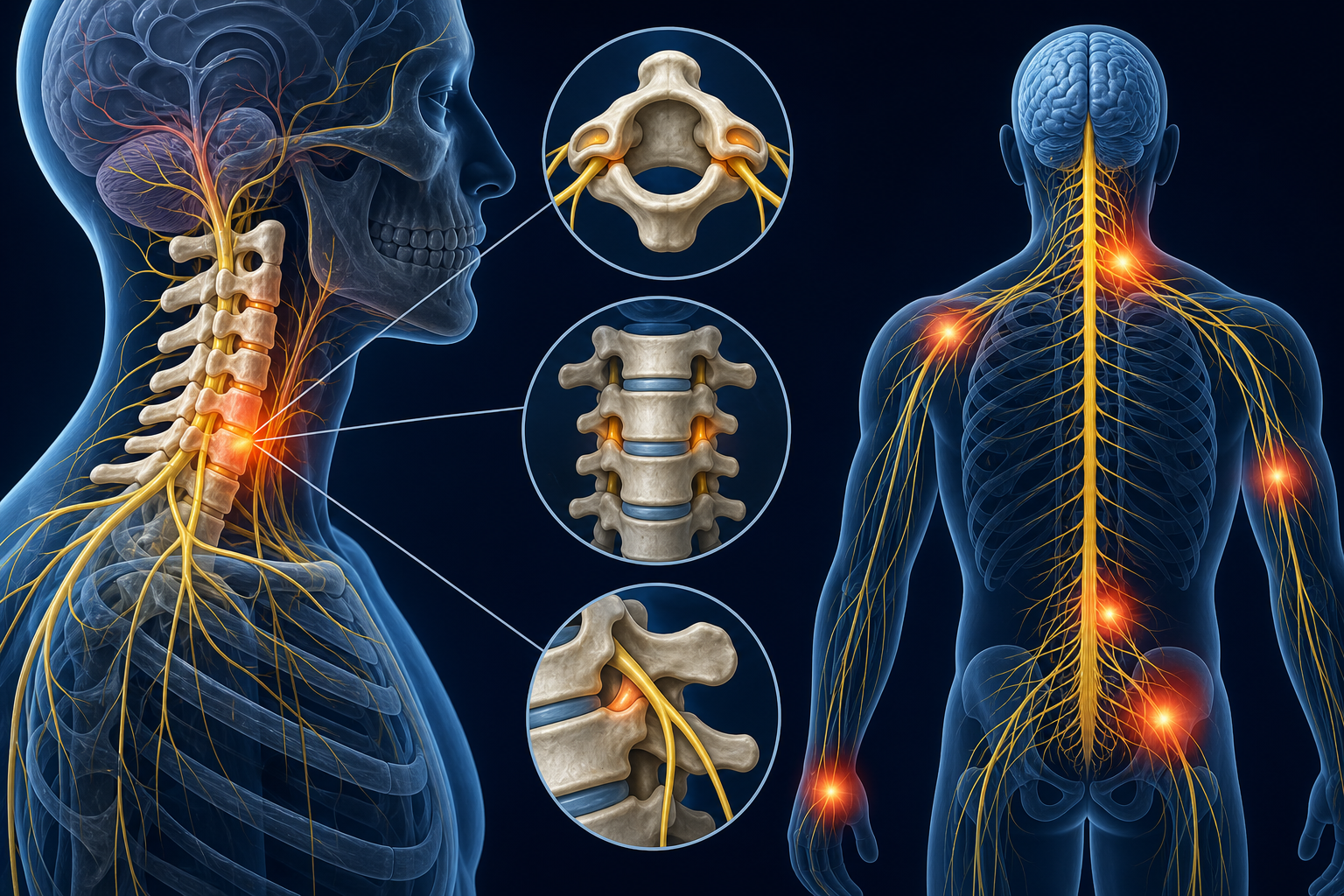
This is a frequent source of confusion. A chiropractic office may offer several services, but Medicare may treat each one differently. Spinal manipulation, massage, exams, imaging, supplements, and wellness services may not have the same coverage status. Patients who want related clinical terminology can read Medximity’s overview of upper cervical subluxation, but coverage for any specific chiropractic service should be verified before treatment.
Wellness, Relaxation, and Pain Relief Services
Medicare coverage for massage therapy pain relief can be confusing because pain is a real medical issue. A patient may seek massage for headaches, neck tension, fibromyalgia symptoms, or back pain. Medximity offers general educational articles on common head pain and fibromyalgia patients seeking natural treatment. Still, the presence of pain does not automatically make a massage appointment a Medicare-covered service.
Traditional Medicare usually does not cover services mainly for relaxation, wellness, general muscle comfort, or non-skilled maintenance. If a patient is paying for a spa-style massage, a cash-based massage therapist, or a wellness package, Medicare may not be billed at all. Patients should ask directly whether the service is expected to be covered, non-covered, or self-pay.
What Patients May Pay Out of Pocket
The out of pocket cost for Medicare massage therapy depends on whether the service is covered, who provides it, the provider’s charges, and whether any supplemental insurance applies. If the service is not covered by Traditional Medicare, the patient may be responsible for the full charge. If a related therapy service is covered under Part B, ordinary Part B cost-sharing may apply, subject to current Medicare rules and any secondary coverage.
Patients should request a clear cost estimate before care begins. If the provider believes Medicare will not pay, ask whether an Advance Beneficiary Notice of Noncoverage, often called an ABN, is required or appropriate. An ABN is not a promise that Medicare will deny the claim, but it can alert the patient that payment responsibility may shift to them if Medicare does not pay.
How Medicare Advantage May Be Different
Medicare Advantage plans are private plans that provide Medicare benefits under plan-specific rules. Medicare Advantage massage therapy benefits, if any, can vary by plan, network, location, benefit year, medical necessity rules, and prior authorization requirements. Some plans may offer supplemental wellness or alternative-care benefits, while others may not.
A patient enrolled in Medicare Advantage should not rely only on Original Medicare rules. They should review the plan’s current Evidence of Coverage, provider directory, referral requirements, authorization rules, and cost-sharing terms. Coverage may also depend on whether the provider is in network and whether the service is billed under a covered benefit.
Questions Patients Should Ask Before Scheduling Massage or Manual Therapy
Patients can avoid surprise bills by asking specific questions before treatment. Useful questions to ask before Medicare manual therapy include:
- Is this massage therapy, physical therapy, chiropractic manipulation, or another service?
- Will the provider bill Traditional Medicare, Medicare Advantage, or the patient directly?
- Does the provider accept Medicare assignment for this service?
- What diagnosis and billing codes are expected to be used?
- Is the service considered medically necessary and documented in a treatment plan?
- Is an order, referral, certification, or prior authorization required?
- If Medicare does not pay, what amount may the patient owe?
- Will the patient receive an ABN or other written notice before non-covered care?
If staff cannot explain how the service will be billed, patients may want to pause and verify coverage before proceeding.
How to Verify Current Medicare Coverage
For patients wondering how to verify Medicare therapy coverage, the safest approach is to confirm through more than one source. Start with current Medicare materials and the patient’s own coverage documents. Then ask the provider’s billing office for the service description, expected codes, provider credentials, and whether Medicare assignment applies.
If the patient has a Medicare Advantage plan, they should contact the plan directly and ask about network rules, authorization, referral requirements, exclusions, and cost-sharing. Patients with Medigap or other secondary coverage should also check whether that coverage pays only after Medicare approves the underlying service.
Keep written notes of calls, including dates, representative names or reference numbers when available, and the exact question asked. Verification does not guarantee payment, but it can reduce misunderstandings and provide a record if a billing dispute or appeal arises.
Important Limitations and When to Get Professional Guidance
This guide is general informational material. It is not individualized legal advice, medical advice, a Medicare coverage determination, or a guarantee that any claim will be paid. Coverage can vary by plan, payer, provider, jurisdiction, date of service, documentation, and individual circumstances.
Patients may want professional help if they receive a denial, are asked to pay a bill they thought Medicare would cover, or need to evaluate appeal options. Medicare massage therapy coverage attorney guidance may be appropriate when a dispute involves significant charges, confusing notices, potential misrepresentations, or interaction with injury claims, liability insurance, or other legal issues. For routine coverage questions, the provider’s billing office, Medicare resources, the Medicare Advantage plan, a State Health Insurance Assistance Program, or a qualified insurance professional may be a practical first step.
The key takeaway is simple: Traditional Medicare usually does not cover standalone massage therapy, but certain hands-on techniques may be part of covered therapy or chiropractic services when strict requirements are met. Before scheduling, patients should ask how the service will be billed, whether Medicare is expected to pay, and what they may owe if it does not.