Does Molina Healthcare cover spinal decompression? What patients need to know is that coverage is plan-specific. Molina may cover some forms of conservative spine care, such as physical therapy or clinician-directed traction, when the service is medically necessary and performed by an eligible in-network provider. Coverage for non-surgical spinal decompression, especially when offered as a chiropractic cash-based service, may be limited, require prior authorization, or may not be included under certain Molina plans.
The safest answer is: do not assume coverage until you verify your exact benefits. Molina Healthcare offers different plan types, including Medicaid managed care, Marketplace plans, and Medicare-related plans in some states. Each plan can have different rules for chiropractic care, physical therapy, durable medical equipment, prior authorization, visit limits, referrals, copays, and exclusions. A service that is covered for one Molina member may be handled differently for another member in a different state or plan category.
This article explains what spinal decompression is, how it differs from traction therapy, when patients commonly seek it for disc-related back or neck pain, and how to verify Molina spine benefits before starting care. It is general educational information, not a promise of coverage or medical advice. For individual guidance, speak with Molina member services and a licensed healthcare provider who can evaluate your symptoms and plan of care.
If you are comparing conservative spine care options, Medximity can help you explore chiropractors near you, physical therapists near you, and related spine resources such as spinal decompression treatment information.
Quick Answer: Does Molina Cover Spinal Decompression?
Molina coverage for spinal decompression depends on several details:
- Your Molina plan type: Medicaid, Marketplace, Medicare Advantage, or another plan may apply different benefit rules.
- Your state: Molina operates under state-specific contracts and benefit structures, especially for Medicaid managed care.
- The provider type: Physical therapy, chiropractic care, and specialist services may be covered differently.
- The exact service being billed: Manual traction, mechanical traction, supervised physical therapy, chiropractic manipulation, and branded non-surgical decompression may not be treated the same way.
- Medical necessity: Molina may require documentation showing symptoms, exam findings, functional limits, diagnosis, and why the service is appropriate.
- Prior authorization rules: Some therapy services may require approval before care begins or after a set number of visits.
- Network status: In-network and out-of-network benefits can differ significantly.
In many cases, Molina is more likely to consider coverage for conservative care that is part of a documented treatment plan, such as physical therapy for disc pain, therapeutic exercise, manual therapy, or traction when clinically appropriate. Coverage for non-surgical spinal decompression performed on a specialized table may be more variable, especially if the plan classifies it as investigational, not medically necessary, not a covered chiropractic service, or bundled into another therapy code.
The phrase patients often search for — does Molina cover spinal decompression — does not have one universal answer. The answer is found in your member handbook, your benefits portal, Molina member services, and the provider’s eligibility verification process.
What Is Spinal Decompression?
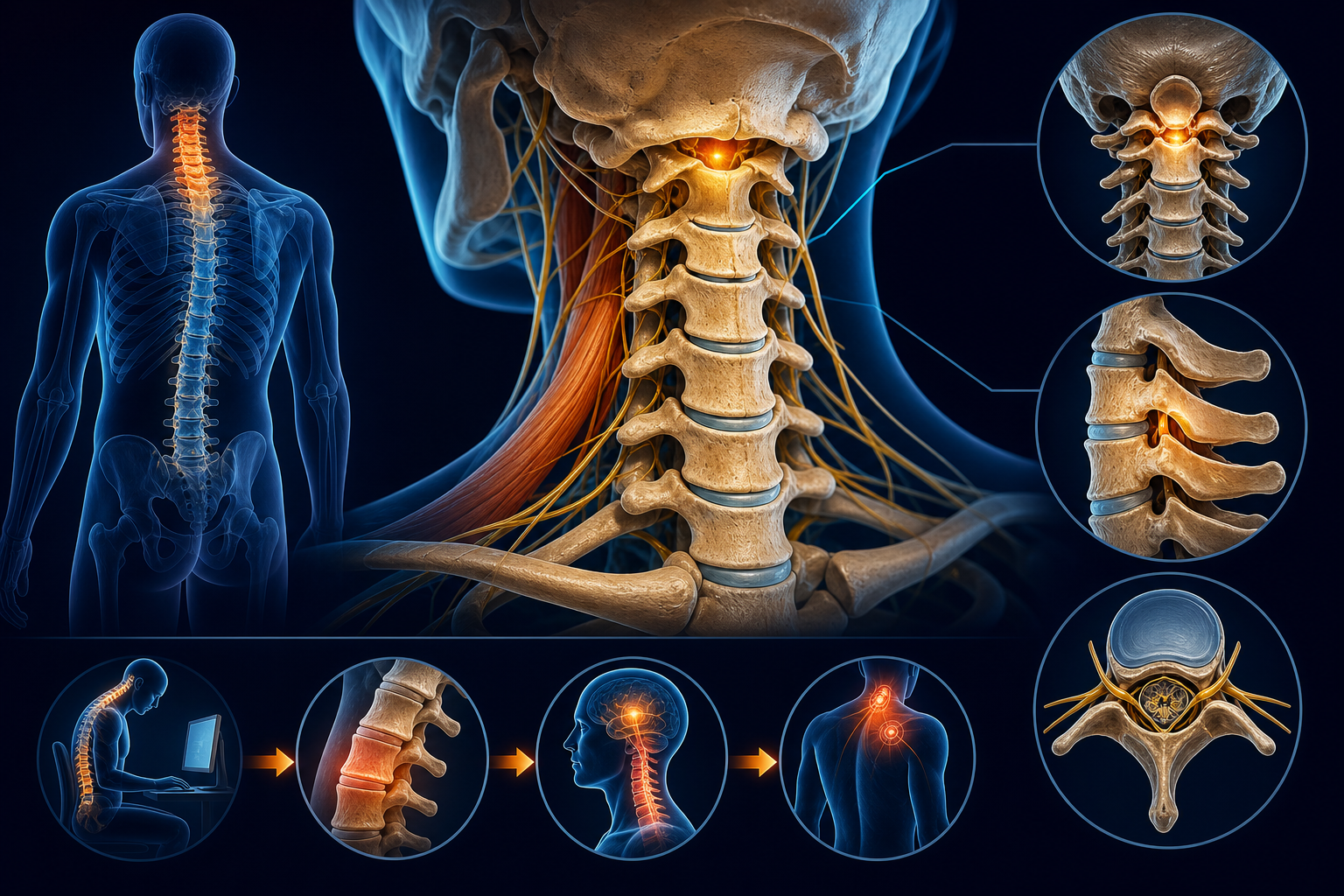
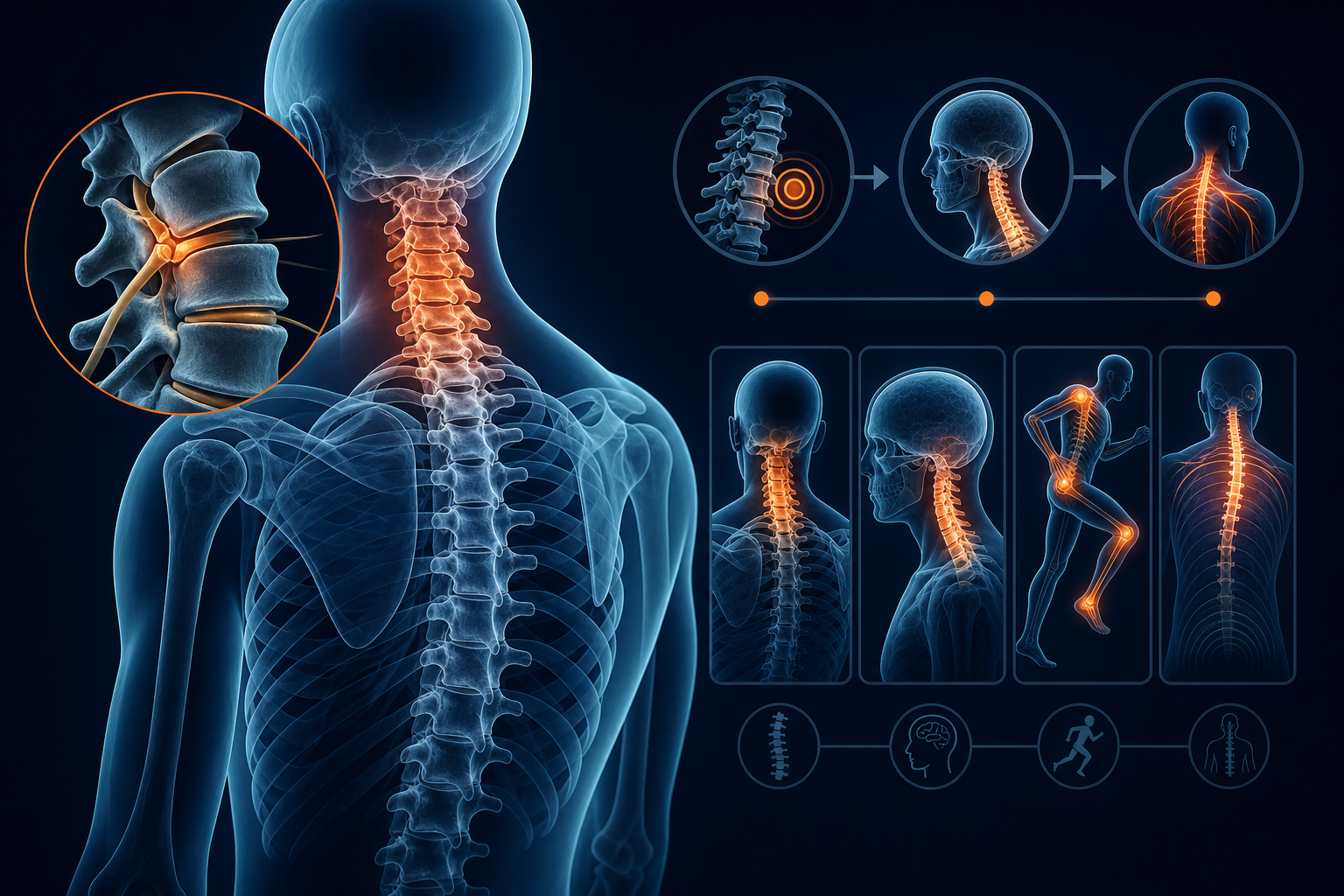
Spinal decompression is a broad term for approaches intended to reduce pressure on spinal structures, including discs, joints, and irritated nerve roots. In conservative care settings, patients are usually asking about non-surgical spinal decompression, which uses a table or traction-based device to gently apply pulling force to the spine. The goal is to create controlled separation between spinal segments and reduce mechanical stress in certain areas.
Patients may hear spinal decompression discussed for conditions such as herniated discs, bulging discs, degenerative disc disease, sciatica, spinal stenosis, or pinched nerve symptoms. These labels can sound similar, but they are not the same. A qualified provider should evaluate your history, symptoms, movement tolerance, neurologic findings, and imaging when available before recommending a treatment plan.
Some decompression systems are computer-controlled and marketed as non-surgical spinal decompression. Other forms are simpler and may be described as mechanical traction. Manual traction can also be performed by a clinician using hands-on technique. Because these services may use different equipment, billing codes, and clinical documentation, insurance coverage can vary.
Non-Surgical Spinal Decompression
Non-surgical spinal decompression usually refers to a motorized table that applies intermittent traction to the lumbar or cervical spine. The patient is positioned on the table with harnesses or supports, and the equipment applies a measured pulling force for a set period of time. Sessions often last about 15 to 30 minutes for the decompression portion, although a full appointment may be longer when it includes evaluation, exercise, manual therapy, heat or ice, education, or other services.
Many patients ask, how long does spinal decompression take? A single session is commonly scheduled within a standard therapy or chiropractic appointment, but the total course of care can vary. Some providers recommend multiple sessions over several weeks. The number of visits should be based on clinical findings, patient response, functional goals, and benefit limits, not a generic package.
Traction Therapy
Traction therapy is a related term. It describes a therapeutic pulling force applied to the spine or an extremity. In physical therapy, traction may be manual or mechanical and may be used alongside exercise, posture training, nerve mobility work, strengthening, and activity modification. Insurers may have clearer policies for traction when it is part of a physical therapy plan, but coverage still depends on the plan.
Patients searching for spinal decompression vs traction therapy coverage should understand that an insurance company may not use the same language as a clinic’s website. Molina may look at the billing code, diagnosis, provider type, medical necessity documentation, and policy language rather than the marketing name of the device.
Does Spinal Decompression Help Herniated Disc Symptoms?
Some patients with disc-related pain report improvement with decompression-style care, traction, exercise-based rehabilitation, or a combination of conservative treatments. Research on traction and non-surgical decompression is mixed, and outcomes vary based on the patient, diagnosis, symptom duration, severity, and the rest of the treatment plan. It is more accurate to say spinal decompression may help some patients with certain disc-related symptoms, rather than saying it cures a herniated disc.
A herniated disc occurs when disc material extends beyond its normal boundary and may irritate nearby nerves. Symptoms can include back pain, neck pain, radiating leg or arm pain, numbness, tingling, or weakness. However, not every disc finding on imaging causes pain, and not every case of radiating pain comes from a disc. A provider evaluation matters.
If you are researching does spinal decompression help herniated disc, it may help to think in terms of goals. Conservative care may aim to reduce pain sensitivity, improve movement tolerance, calm nerve irritation, build strength, and help you return to daily activity. Decompression may be one part of that plan for selected patients, but it is not the only conservative option.
For a broader patient-friendly overview, you can read Medximity’s resource on herniated disc symptoms and conservative care.
Why Molina Coverage Can Be Confusing
Molina Healthcare plans are not identical across the country. Molina may administer Medicaid benefits in one state, offer Marketplace plans in another, and provide Medicare-related options in certain regions. Benefit language can also change from year to year. This is why a friend, clinic, or online forum cannot reliably tell you whether your plan covers spinal decompression.
Coverage can also be confusing because the phrase spinal decompression may mean different things to different people. A chiropractic office may use the phrase to describe a decompression table. A physical therapist may document mechanical traction. A spine specialist may use decompression to refer to a surgical procedure, which is outside the scope of this article. Insurance representatives may not search benefits under the same phrase you use.
When verifying coverage, it is often more useful to ask about the provider type, billing code, diagnosis requirements, visit limits, prior authorization, and whether the service is considered covered under your specific plan.
Molina Medicaid Managed Care Plans
For Molina Medicaid members, benefits are strongly influenced by state Medicaid rules. Some states include chiropractic benefits in limited circumstances; others may restrict them or exclude them. Physical therapy is often covered when medically necessary, but it may require referral, authorization, or documentation of functional impairment. Visit limits may apply.
If you have Molina through Medicaid, ask member services whether chiropractic spinal decompression is covered, whether physical therapy traction is covered, and whether the provider must be in network. Also ask if your primary care provider must send a referral before therapy can begin.
Molina Marketplace Plans
Marketplace plans may include rehabilitative services, but benefit details can differ by metal tier, state, and network. You may have a deductible, copay, coinsurance, prior authorization requirement, or visit cap. Chiropractic coverage may be limited or handled differently than physical therapy coverage.
For patients comparing Molina spinal decompression coverage near me, network status is especially important. A provider may offer spinal decompression, but that does not automatically mean Molina will cover that specific service at that location.
Molina Medicare-Related Plans
Medicare-related plans may cover certain medically necessary physical therapy services when criteria are met. Chiropractic coverage may be limited and may focus on spinal manipulation for certain spinal subluxation-related services, with other therapies potentially excluded or not separately covered. Molina plan rules, network requirements, and supplemental benefits can vary.
If you have a Molina Medicare Advantage plan, ask whether your plan has any supplemental chiropractic or therapy benefits, whether decompression or traction is covered, and whether prior authorization is needed.
Chiropractor Spinal Decompression Covered by Molina: What to Ask
Many patients search for chiropractor spinal decompression covered by Molina because chiropractic offices commonly advertise non-surgical decompression tables. Coverage in this setting can be variable. Some Molina plans may cover certain chiropractic services but not decompression therapy. Others may require that services be medically necessary, in network, and billed under covered codes. Some plans may not include chiropractic benefits at all.
Before starting care, ask both Molina and the chiropractic office to verify benefits. A reputable office should be willing to explain what they checked, what Molina said, and what costs may remain your responsibility. Verification is not the same as a guarantee of payment, but it can reduce surprises.
Questions to ask include:
- Is this chiropractor in network with my Molina plan?
- Does my plan include chiropractic benefits?
- Are decompression or traction services covered under chiropractic care?
- Are there visit limits per year?
- Do I need a referral or prior authorization?
- What diagnosis codes and clinical documentation are required?
- Will I owe a copay, coinsurance, deductible, or full cash price?
- If decompression is not covered, are other conservative services covered?
If you are starting your search, Medximity’s chiropractor directory can help you compare providers and then contact offices directly about Molina participation and available spine services.
Physical Therapy for Disc Pain and Molina Coverage
For many patients with disc-related back or neck pain, physical therapy is one of the most common conservative care pathways. A physical therapist can evaluate movement, strength, flexibility, nerve sensitivity, posture, work demands, and daily activity patterns. Treatment may include therapeutic exercise, manual therapy, graded activity, education, traction when appropriate, and strategies to reduce symptom triggers.
Coverage for physical therapy for disc pain Molina members depends on medical necessity, referral rules, prior authorization, and plan limits. Molina may require documentation showing that therapy is expected to improve or maintain function. The therapist may need to submit an evaluation, treatment plan, goals, progress notes, and sometimes authorization requests for additional visits.
Physical therapy may be especially relevant when symptoms affect sitting, standing, walking, lifting, sleep, or work. A good plan should be individualized. For example, a patient with back pain when sitting may need hip mobility work, lumbar positioning strategies, core endurance, nerve mobility exercises, and gradual return-to-sitting tolerance rather than decompression alone.
To compare options, visit Medximity’s physical therapy provider search.
Back Pain When Sitting: Could It Be Disc-Related?
Back pain when sitting is a common reason patients ask about decompression. Sitting can increase symptoms for some people with disc-related irritation because it changes lumbar spine loading and may place sustained stress on sensitive tissues. That said, sitting pain can also be associated with muscle strain, joint irritation, hip problems, nerve sensitivity, poor ergonomic setup, or other causes.
Patients searching for back pain when sitting disc treatment should avoid self-diagnosing based on one symptom. A clinician can help determine whether the pattern suggests disc involvement, nerve irritation, mechanical back pain, or another issue. The most useful conservative plan often includes a mix of short-term symptom relief and long-term capacity building.
Simple Conservative Strategies That May Help Sitting Pain
While you should consult a provider for persistent or worsening symptoms, some general strategies may help many people tolerate sitting better:
- Change positions before pain escalates rather than waiting until symptoms are severe.
- Use a chair that supports a comfortable upright posture without forcing stiffness.
- Try brief standing or walking breaks during long desk or driving periods.
- Keep screens and work surfaces positioned to reduce slumping or twisting.
- Avoid aggressive stretching if it increases radiating pain, numbness, or tingling.
- Ask a provider whether specific extension, flexion, stabilization, or nerve mobility exercises are appropriate for your presentation.
For more detail on sitting-related symptoms, see Medximity’s guide to back pain when sitting and conservative treatment options.
Natural Treatment for Pinched Nerve Pain: Where Decompression Fits
The phrase natural treatment for pinched nerve pain often refers to non-drug, non-surgical approaches such as physical therapy, chiropractic care, movement modification, ergonomic changes, gentle mobility work, strengthening, and education. These options may help some patients reduce irritation and improve function, depending on the cause and severity of symptoms.
A pinched nerve is a general phrase, not a precise diagnosis. Nerve symptoms can come from disc herniation, foraminal narrowing, spinal stenosis, soft tissue irritation, inflammation, or other factors. Symptoms may include radiating pain, burning, tingling, numbness, or weakness. If symptoms are progressive, severe, or associated with bowel or bladder changes, saddle numbness, fever, unexplained weight loss, major trauma, or significant weakness, seek prompt medical evaluation.
Spinal decompression or traction may be considered when a provider believes reducing mechanical pressure could help symptoms. But decompression is not appropriate for everyone. Certain conditions, medical history factors, or symptom patterns may make traction unsuitable. A qualified provider should screen for contraindications and monitor response.
Patients with leg symptoms may also want to review Medximity’s resource on sciatica and conservative care.
Does Molina Require Prior Authorization for Therapy?
Many patients ask, does Molina require prior authorization therapy before starting spinal care? The answer depends on the plan, state, provider type, and number of visits. Some Molina plans may allow an initial evaluation without prior authorization but require approval for ongoing visits. Others may require authorization before therapy begins. Some may have annual visit limits or require documentation after a certain threshold.
Prior authorization is a review process. It does not guarantee payment, but it can determine whether the plan agrees that a requested service meets coverage criteria before the service is provided. Providers usually submit clinical information such as diagnosis, evaluation findings, functional limitations, treatment goals, and requested frequency and duration.
What Molina May Review
When reviewing therapy or decompression-related care, Molina may consider:
- The diagnosis and whether it matches covered indications.
- Objective findings from the provider’s evaluation.
- Functional problems, such as difficulty walking, sitting, working, lifting, or sleeping.
- Previous treatments and patient response.
- The requested service type, frequency, and duration.
- Whether the provider is in network and eligible to perform the service.
- Whether the service is considered medically necessary under the plan’s policy.
If authorization is denied, patients can ask Molina and the provider about the reason. Sometimes the issue is missing documentation, wrong provider type, non-covered service classification, exceeded visit limits, or lack of demonstrated progress. Appeal rights and procedures vary by plan and state, so members should follow their plan documents and seek help from Molina member services when needed.
How to Verify Molina Spine Benefits Before Starting Care
Learning how to verify Molina spine benefits is the most practical step before scheduling spinal decompression, traction, chiropractic care, or physical therapy. Verification helps you understand whether the provider is in network, whether the service is covered, what authorization is required, and what you may owe.
Step 1: Identify Your Exact Molina Plan
Look at your member ID card and note the plan name, member ID, group number if listed, state, plan type, and customer service phone number. Do not rely only on the word Molina. Coverage can differ widely between Molina Medicaid, Molina Marketplace, and Molina Medicare-related plans.
Step 2: Ask the Provider for the Billing Details
Before calling Molina, ask the clinic what service they plan to provide and how it is typically billed. Ask whether they bill it as mechanical traction, therapeutic procedure, chiropractic therapy, physical therapy, or a non-covered cash service. You do not need to become a billing expert, but having the service description and possible codes can make the verification call more accurate.
Step 3: Call Molina Member Services
Use the phone number on your member ID card. Ask about benefits for the provider type and service. Be specific. For example: “Does my plan cover mechanical traction or non-surgical spinal decompression when performed by an in-network physical therapist?” or “Does my plan cover spinal decompression performed by an in-network chiropractor?”
Step 4: Confirm Network Status
Ask whether the individual provider and clinic location are in network. Network participation can change, and one provider in a clinic may be credentialed differently than another. If your plan has no out-of-network benefit, seeing an out-of-network provider could make you responsible for the full cost.
Step 5: Ask About Prior Authorization and Referrals
Ask whether you need a referral from a primary care provider, prior authorization from Molina, or both. Also ask whether an initial evaluation is covered before authorization and how many visits are allowed before additional review is needed.
Step 6: Ask About Costs
Ask about copays, coinsurance, deductibles, visit limits, and non-covered services. If the clinic recommends decompression but Molina does not cover it, ask the clinic for a written estimate before deciding whether to proceed as a self-pay service.
Step 7: Request a Reference Number
When you call Molina, ask for a call reference number and write down the date, representative name if provided, and summary of what was discussed. This does not guarantee payment, but it creates a record of your verification attempt.
What to Expect at a Spinal Decompression or Therapy Visit
Your first visit should usually begin with an evaluation, not immediate treatment without screening. A provider may ask about your symptoms, medical history, medications, prior imaging, prior treatment, work demands, daily activities, and goals. They may check posture, range of motion, strength, reflexes, sensation, nerve tension signs, gait, and movement patterns.
If decompression or traction is considered appropriate, the provider should explain the purpose, what you may feel, how long the session will last, possible risks or side effects, and what symptoms should be reported. You may feel gentle pulling or stretching. You should tell the provider if symptoms increase, spread, become sharp, or feel unusual.
A comprehensive conservative plan may include:
- Education about symptom triggers and safe activity modification.
- Therapeutic exercise to improve strength, mobility, or endurance.
- Manual therapy when clinically appropriate.
- Traction or decompression for selected patients.
- Home exercises matched to your tolerance.
- Ergonomic changes for sitting, driving, lifting, or work tasks.
- Progress tracking based on function, not just pain scores.
Care should be adjusted based on response. If a treatment repeatedly worsens symptoms or does not support functional progress, the provider should reassess the plan.
When to See a Provider for Back, Neck, or Nerve Pain
Consider seeing a chiropractor, physical therapist, or appropriate medical provider when pain lasts more than a few days, keeps returning, interferes with sleep or work, limits walking or sitting, or travels into the arm or leg. Early conservative care may help some patients learn safer movement strategies and avoid prolonged activity avoidance.
Seek urgent medical evaluation if you have new bowel or bladder control problems, numbness in the groin or saddle area, progressive leg or arm weakness, fever with severe spine pain, unexplained weight loss, pain after major trauma, history of cancer with new spine pain, or severe symptoms that are rapidly worsening. These signs do not automatically mean a serious condition is present, but they deserve prompt assessment.
If you are not sure which provider type to start with, a primary care provider or spine-focused clinician can help guide you. Medximity also lists medical specialists for patients who need further evaluation beyond chiropractic or physical therapy.
Questions to Ask a Clinic Before Scheduling Decompression
Before you schedule a series of spinal decompression visits, ask clear questions. A trustworthy clinic should be comfortable discussing clinical fit, expected plan, insurance verification, and alternatives.
- What diagnosis or exam findings make decompression appropriate for me?
- Are there reasons decompression might not be safe or useful in my case?
- Will this be billed to Molina, or is it self-pay?
- Are you in network with my Molina plan?
- Do you verify benefits before treatment?
- Does Molina require prior authorization for this service?
- How many visits are recommended before reassessment?
- What functional goals will we track?
- What other conservative treatments may be included?
- What happens if my symptoms do not improve or get worse?
Be cautious with any recommendation that requires a large prepaid package before your benefits are verified or before your response to care is assessed. Many patients do benefit from structured conservative care, but no provider can guarantee that decompression will resolve disc pain or nerve symptoms.
Coverage Denials: Common Reasons Molina May Not Pay
Even after verification, claims can be denied. Insurance verification is helpful, but it is not a guarantee. Common reasons a Molina claim related to spinal decompression or therapy may not be paid include:
- The service is excluded under the member’s plan.
- The provider is out of network.
- Prior authorization was required but not obtained.
- The diagnosis did not meet plan criteria.
- Documentation did not support medical necessity.
- The service exceeded visit limits.
- The treatment was considered maintenance care rather than active rehabilitation.
- The billing code used by the clinic was not covered for that provider type.
- The plan classified non-surgical decompression as investigational or not separately reimbursable.
If a denial occurs, ask the clinic for the explanation of benefits and ask Molina for the denial reason. Depending on the situation, the provider may be able to submit additional documentation, correct a billing issue, request authorization, or discuss alternative covered services. Appeal procedures vary by plan and state.
Spinal Decompression Compared With Other Conservative Options
Spinal decompression is one conservative option, but it is rarely the whole answer. Disc and nerve-related pain often responds best to a plan that addresses movement, strength, sensitivity, daily habits, and gradual return to activity. Depending on the case, a provider may discuss several non-invasive options.
Therapeutic Exercise
Exercise therapy may include mobility work, core endurance, hip strengthening, directional preference exercises, balance training, or progressive resistance. The right exercises depend on symptom behavior. Some people feel better with extension-based movements, others need flexion tolerance, and many need a graded plan rather than a one-size-fits-all routine.
Manual Therapy
Manual therapy can include joint mobilization, soft tissue techniques, assisted stretching, or clinician-guided movement. It may help some patients reduce pain and improve movement tolerance when paired with active care.
Chiropractic Adjustment
Chiropractic adjustment, also called spinal manipulation, may be used for certain types of back or neck pain after appropriate screening. It may be combined with exercise, education, and activity modification. Coverage for chiropractic services under Molina varies by plan.
Ergonomics and Activity Modification
Small changes to sitting, lifting, sleeping position, workstation setup, and pacing can make a meaningful difference for some patients. These strategies are especially relevant for people whose symptoms flare with prolonged sitting, driving, bending, or repetitive work.
Traction or Decompression
Traction or decompression may be considered when symptoms and exam findings suggest it could reduce mechanical sensitivity. It should be monitored carefully and integrated into a broader plan when appropriate.
For a deeper comparison, Medximity’s article on spinal decompression vs traction therapy explains the terminology patients often hear in clinics.
How Medximity Can Help You Find Molina Spine Care Near You
If you are searching for Molina spinal decompression coverage near me, the provider search is only one part of the process. You also need to confirm that the provider accepts your exact Molina plan and that the service you want is covered. Medximity can help you identify local chiropractors, physical therapists, and medical specialists, but you should still verify benefits directly before treatment.
When contacting a provider from Medximity, ask whether they accept Molina, whether they offer spinal decompression or traction, whether they provide benefit verification, and whether they can explain your estimated out-of-pocket costs before care begins. If a provider does not offer decompression, they may still offer other conservative treatments for disc-related pain or pinched nerve symptoms.
You can start with Medximity’s spinal decompression treatment page, search for chiropractors, or compare physical therapists who treat back and neck pain.
Bottom Line: Molina Coverage Must Be Verified Before Care
So, does Molina Healthcare cover spinal decompression? Sometimes related conservative services may be covered, but non-surgical spinal decompression coverage is not automatic. Molina coverage depends on your plan, state, provider network, medical necessity, prior authorization rules, billing code, and whether the service is considered covered under your benefits.
The best next step is to verify benefits before starting care. Ask Molina about your exact plan, ask the provider how the service is billed, confirm network status, check prior authorization rules, and request a written estimate for any non-covered service. For symptoms that persist, worsen, or radiate into an arm or leg, consult a qualified provider who can evaluate your specific situation and discuss conservative care options that fit your needs and benefits.
Frequently Asked Questions
Does Molina Healthcare cover non-surgical spinal decompression?
Molina may cover certain conservative spine services when medically necessary, but non-surgical spinal decompression coverage varies by plan, state, provider type, and billing code. Some plans may cover traction as part of physical therapy but not a separate chiropractic decompression service. Always verify benefits with Molina before starting care.
Does Molina cover spinal decompression at a chiropractor?
It depends on your Molina plan. Some plans include limited chiropractic benefits, while others do not. Even when chiropractic care is covered, decompression may be excluded, require authorization, or be treated as a non-covered service. Ask whether the chiropractor is in network and whether decompression is covered under your specific plan.
Is spinal decompression the same as traction therapy?
They are related but not always billed or described the same way. Traction therapy generally refers to a pulling force applied to the spine, manually or mechanically. Non-surgical spinal decompression often refers to specialized motorized tables. Insurance plans may evaluate these services based on billing codes and medical necessity rather than the clinic’s terminology.
Does Molina require prior authorization for physical therapy?
Some Molina plans require prior authorization for therapy, either before treatment starts or after an initial number of visits. Rules vary by plan and state. Ask Molina whether your plan requires a referral, prior authorization, or additional review for ongoing physical therapy.
How long does spinal decompression take?
The decompression portion of a visit often lasts about 15 to 30 minutes, but the full appointment may be longer if it includes evaluation, exercise, manual therapy, or education. The total number of visits varies based on symptoms, diagnosis, response to care, and insurance limits.
Can spinal decompression help a herniated disc?
Spinal decompression may help some patients with disc-related symptoms, but results vary and it is not a guaranteed cure. A provider should evaluate whether your symptoms, exam findings, and health history make decompression or another conservative treatment appropriate.
How do I verify Molina spine benefits?
Use the phone number on your Molina member ID card. Ask whether your plan covers the provider type, the specific service, and the diagnosis involved. Confirm network status, referral requirements, prior authorization, visit limits, and out-of-pocket costs. Ask for a call reference number.
What if Molina does not cover spinal decompression?
If decompression is not covered, ask whether other conservative services are covered, such as physical therapy, therapeutic exercise, manual therapy, or chiropractic adjustment if included in your plan. Ask the clinic for a written self-pay estimate before agreeing to any non-covered service.