Quick Answer: Allstate Coverage Depends on the Policy and Claim
Does Allstate Medical Cover Auto Accident Treatment? What Patients Need to Know starts with one key point: there is no single answer for every Allstate-related crash claim. Allstate may be your own auto insurer, the at-fault driver’s insurer, or one of several insurers involved. Medical bill payment depends on policy language, state law, claim status, available benefits, documentation, and the facts of the accident.
So, does Allstate cover car accident medical bills? It may, but only when an applicable coverage applies and the claim supports payment. Medical Payments coverage, Personal Injury Protection, bodily injury liability, uninsured or underinsured motorist coverage, and health insurance coordination can all work differently. A provider agreeing to treat an accident patient does not mean Allstate has accepted responsibility for the bill.
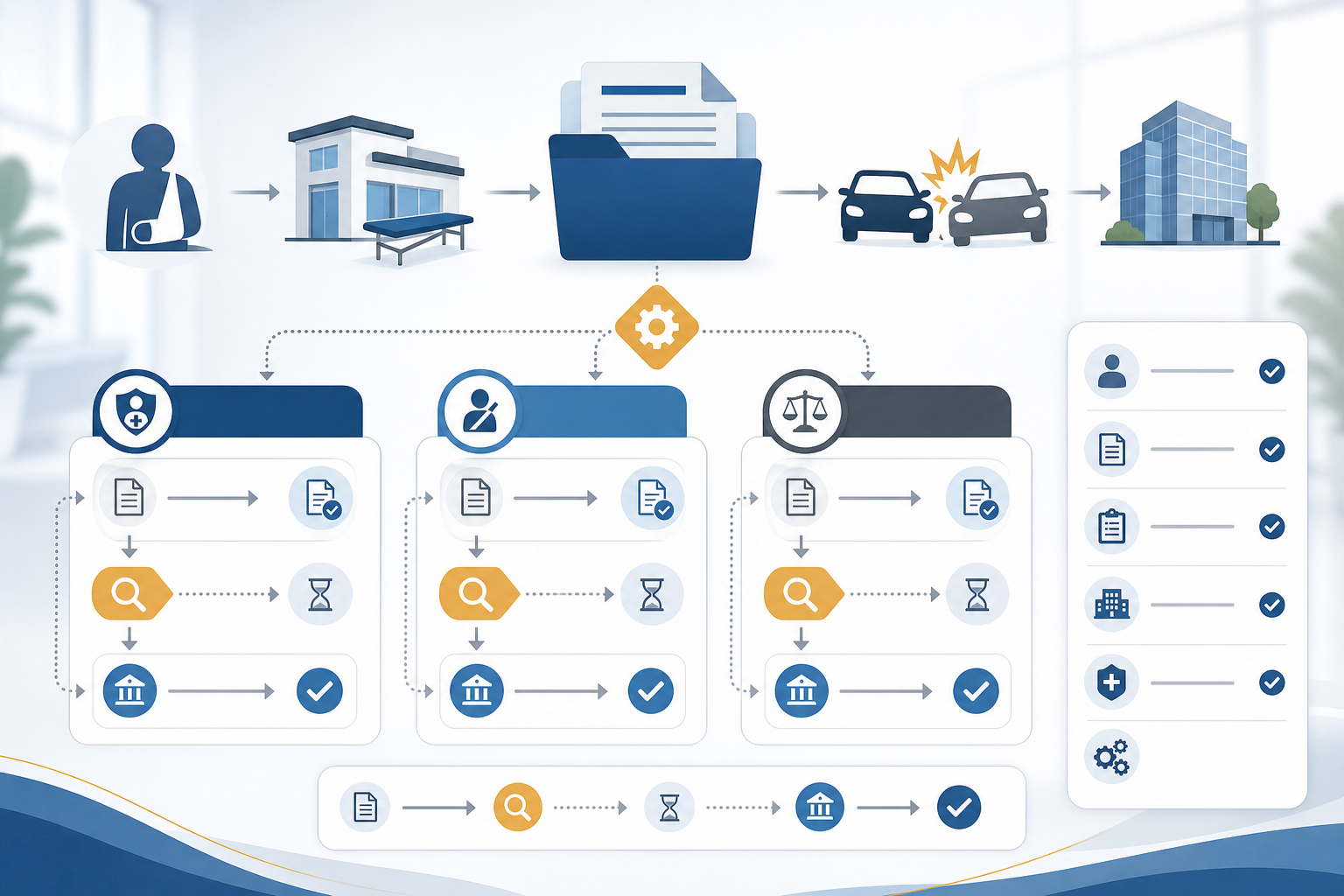
Patients, providers, and law firms should treat coverage as something to verify, not assume. Start by identifying the claim type, confirming active coverage, documenting the injuries and treatment, and understanding whether bills may be paid directly, reimbursed later, negotiated, delayed, or disputed.
First, Identify Your Role in the Accident Claim
The patient’s role can change the likely coverage path. If the patient is an Allstate policyholder or a passenger in an Allstate-insured vehicle, first-party benefits such as MedPay or PIP may be relevant if included in the policy and available under state rules. If another driver insured by Allstate is alleged to be at fault, the patient may be dealing with a third-party liability claim instead of immediate medical benefits.
Other scenarios are common. The patient may have Allstate while the other driver has a different insurer. Fault may be disputed. The responsible driver may be uninsured or underinsured. The patient may have health insurance, no health insurance, or a provider who treats accident patients through liens or letters of protection where permitted.
Allstate accident treatment coverage by state can also vary. Some states use no-fault systems, some involve PIP in specific contexts, and others rely more heavily on liability claims and optional benefits. Effective dates, endorsements, exclusions, and jurisdiction-specific rules matter. For case-specific answers, review current policy documents and claim correspondence, and consult a qualified insurance professional or attorney when legal rights are involved.
Allstate Coverage Types That May Apply to Medical Treatment
Several coverage types may be relevant, depending on the policy and state. MedPay is typically a first-party auto benefit that may help with reasonable accident-related medical expenses, subject to the policy terms. PIP, where available or required, may cover medical expenses and sometimes other accident-related losses, subject to state law and policy language.
Allstate bodily injury claim medical treatment is different. A bodily injury liability claim is usually a claim against an at-fault driver’s liability coverage. The insurer may evaluate treatment as part of the injured person’s damages claim, but that does not always mean every provider bill is paid as it arrives. Payment may occur through settlement or other claim resolution, and liability, causation, treatment necessity, and damages may be disputed.
Uninsured motorist and underinsured motorist coverage may become relevant when the responsible driver has no insurance or insufficient available coverage. These coverages are policy-specific and state-specific and should not be assumed without reviewing the declarations page, endorsements, claim letters, and current jurisdictional requirements.
MedPay, PIP, and Bodily Injury Claims: What Is the Difference?
The phrase Allstate MedPay vs PIP coverage after accident comes up because both can relate to medical expenses, but they are not identical. MedPay is commonly optional in many places and generally tied to accident-related medical expenses, subject to the policy. PIP is often more regulated by state law and may have different procedures or eligible expenses depending on the jurisdiction.
Bodily injury liability coverage is not the same as MedPay or PIP. MedPay and PIP are usually first-party or policy-based benefits that may be available without a final liability determination, depending on the state and policy. Bodily injury liability is typically tied to fault and damages. This distinction affects intake, billing, documentation, and client expectations because treatment may occur while the liability claim is still unresolved.
Will Allstate Pay the Provider Directly or Reimburse Later?
How Allstate pays medical bills after accident depends on the coverage path and billing arrangement. Under some first-party benefits, bills may be submitted directly to the auto insurer for review and payment, subject to available benefits and policy rules. In other situations, the patient may pay, use health insurance, or treat under a provider arrangement and seek reimbursement or recovery later.
In a third-party bodily injury claim, patients should not assume Allstate will pay each provider directly on an ongoing basis. The insurer may evaluate medical bills as part of a broader settlement analysis. Some providers may accept liens, letters of protection, or other arrangements, but those practices depend on state law, provider policies, and attorney involvement.
Before treatment begins, ask the billing team whether accepting auto accident claims means direct billing, lien-based treatment, health insurance billing, self-pay, or documentation support for a legal claim.
Common Auto Accident Treatments That May Be Submitted
Auto accident claims often include bills from emergency care, diagnostic imaging, primary care, orthopedic care, neurology, chiropractic care, physical therapy, pain management, and rehabilitation. Whether a bill is accepted depends on the specific claim, medical documentation, causation, coding, and policy requirements.
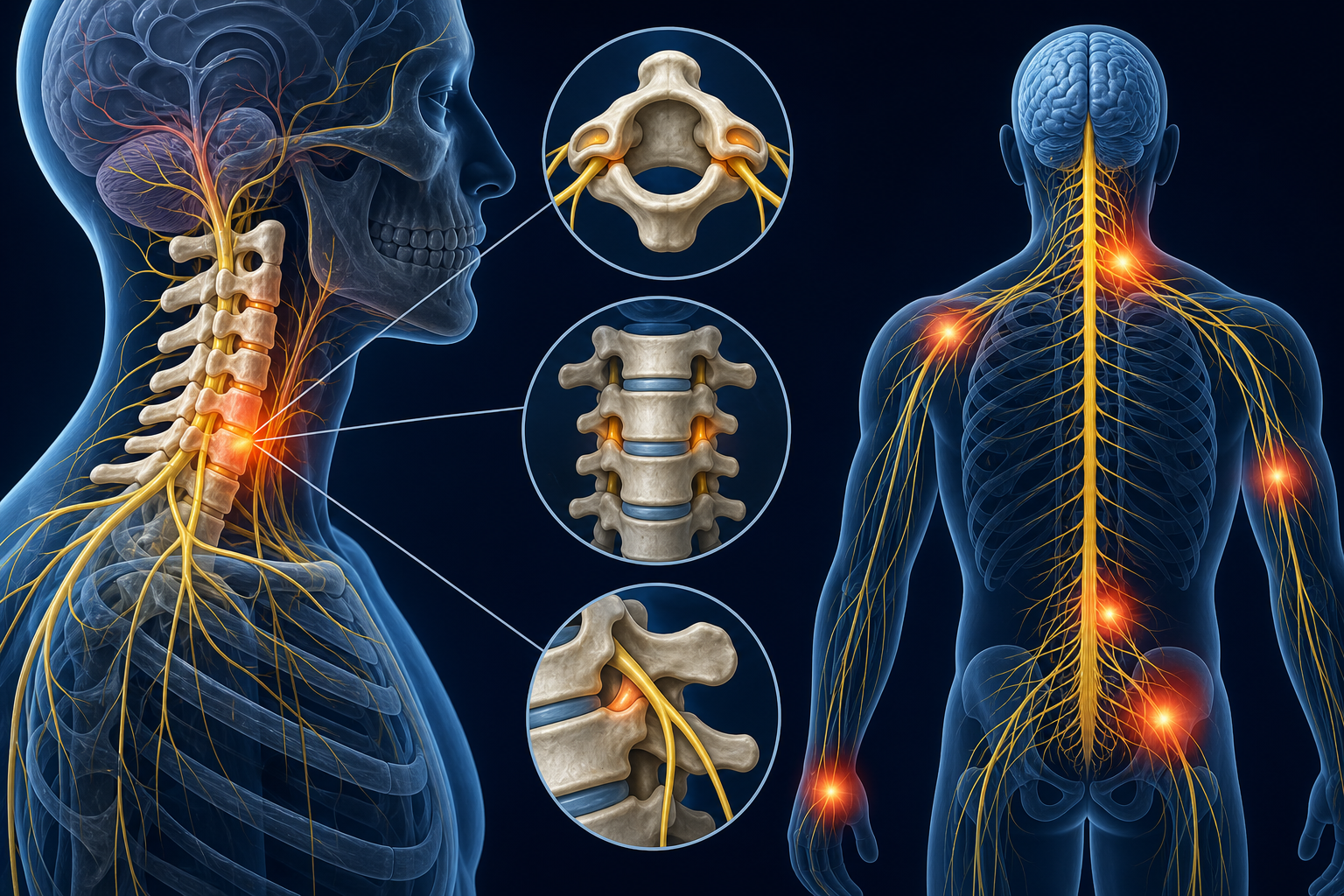
Patients searching for what doctors accept Allstate accident claims are often looking for providers who understand auto claim documentation. Records may need to describe the accident history, symptoms, objective findings, diagnosis, treatment plan, progress, and relationship between the accident and the care provided. For educational context, patients may read about concussion-related concerns in Do I Have A Concussion? What Should I Do Next? or neurological recovery topics in Traumatic Brain Injury Recovery with Chiropractic help. These resources do not determine insurance coverage.
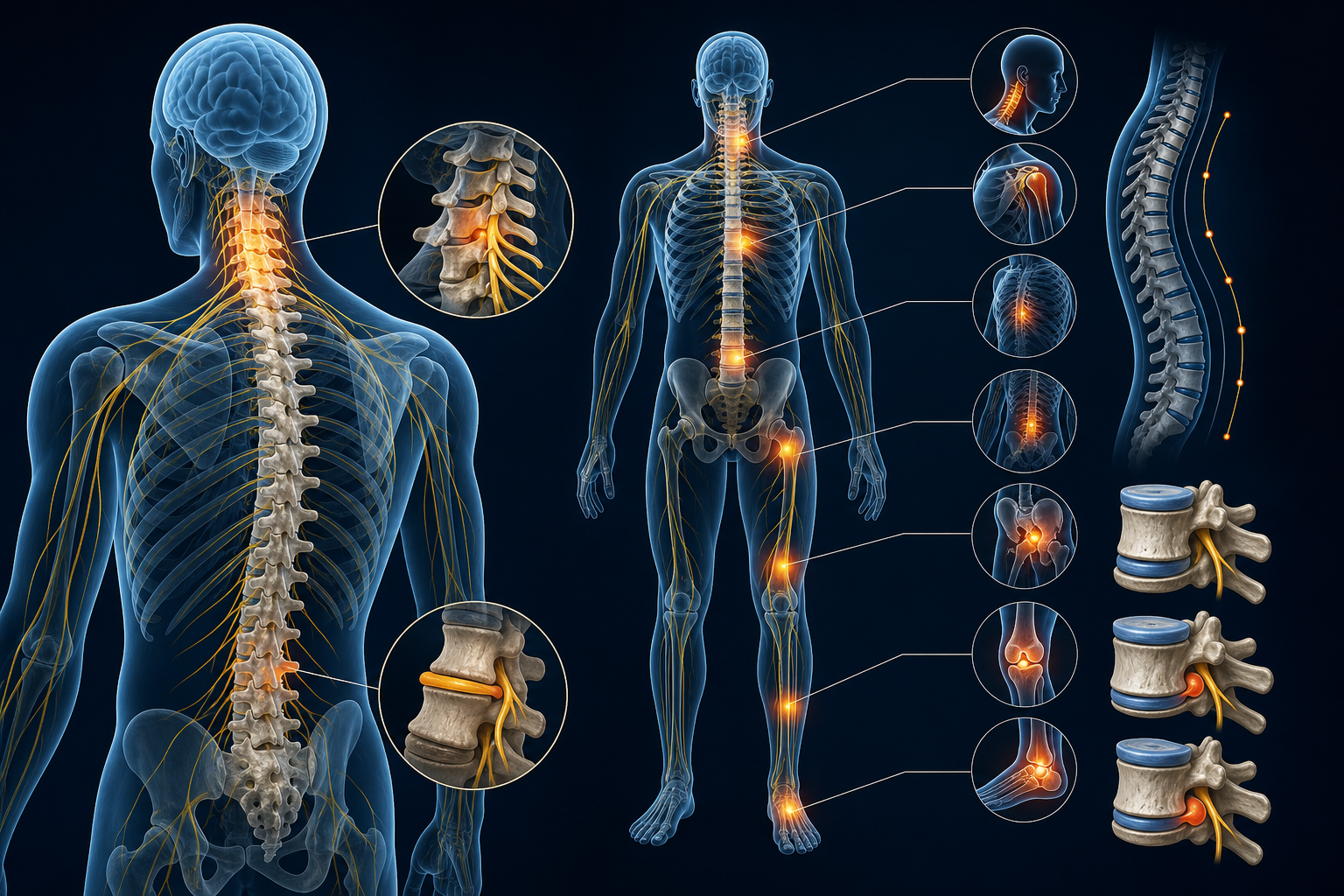
Musculoskeletal complaints are also common after crashes. Related educational resources include What Can Be Done for Sciatic Pain? and Where Does Lower Back Pain Actually Come From?. For billing, the key is whether treatment is documented, accident-related, medically supported, and eligible under the applicable coverage.
What Patients Should Verify Before Starting or Continuing Treatment
Patients should verify Allstate medical coverage before treatment whenever possible. Verification does not guarantee payment, but it can reduce confusion. Ask whether a claim has been opened, which coverage type may apply, whether the policy was active on the accident date, whether benefits remain available, and whether any forms or documentation are required.
Also ask the provider how denied, delayed, or partially paid bills are handled. Will the patient be personally responsible if Allstate does not pay? Will health insurance be billed? Does the provider require attorney representation for lien-based care? Are there state-specific forms, assignments, authorizations, or claim numbers needed before scheduling?
Information Your Provider May Need to Bill an Auto Claim
The information needed to bill Allstate auto claim usually includes the patient’s full name and contact information, accident date, claim number, Allstate adjuster name and contact information, policyholder name, involved vehicle information, and the patient’s role in the accident. The provider may also request attorney contact information if a lawyer is involved.
Medical documentation is equally important. Providers may need intake forms, accident history, examination findings, diagnosis codes, procedure codes, treatment notes, imaging reports, referrals, work status notes, and itemized bills. If the patient has health insurance, the provider may need those details to determine whether health insurance, auto insurance, or another billing pathway should be used first.
Patients should avoid guessing. Incorrect claim numbers, missing adjuster information, or unclear accident details can slow processing. If a claim has not been opened, contact the appropriate insurer or representative before asking a provider to submit bills.
Why Treatment Bills May Be Delayed, Reduced, or Disputed
Patients often ask why Allstate delays medical bill payment. A delay does not always mean a final denial. Bills may be pending because the insurer is verifying coverage, investigating liability, reviewing medical records, requesting itemized statements, checking coding, evaluating causation, or determining whether benefits remain available.
Bills may be reduced or disputed when the insurer questions whether treatment was reasonable, necessary, related to the accident, properly documented, or within applicable policy terms. In liability claims, the insurer may dispute fault or argue that some treatment relates to a preexisting condition or another event. In first-party claims, the review may focus on policy requirements, state rules, documentation, and available benefits.
No patient should assume every submitted bill will be paid in full. At the same time, a question from the insurer is not always the end of the claim. Additional documentation, corrected billing, medical records, or legal advocacy may affect the review process, depending on the facts and governing rules.
Using Health Insurance Alongside an Auto Accident Claim
Using health insurance with Allstate auto claim can be appropriate in some situations, but coordination rules vary. A health plan may have its own requirements for accident-related treatment, including coordination of benefits, reimbursement rights, or requests for accident information. Auto benefits may also have rules about whether bills should be submitted to MedPay, PIP, health insurance, or another source.
Patients should ask both the medical provider and insurance representatives how billing should be coordinated. If a health plan pays accident-related bills, it may later assert reimbursement or subrogation rights from an auto settlement, depending on the plan and law. Legal guidance may be useful in disputed or high-value claims.
What to Do if Allstate Denies or Questions Medical Bills
If you are thinking, Allstate denied my accident medical bills, start by requesting the reason in writing. A denial or dispute may relate to coverage, missing documentation, liability, causation, medical necessity, coding, exhaustion of benefits, or policy terms. The next step depends on the reason given and the coverage type involved.
Compare the denial letter with the policy documents, claim file, and provider records. Ask the provider billing team whether records were submitted correctly and whether additional documentation is available. If the dispute involves legal fault, settlement value, uninsured motorist benefits, or reimbursement rights, consult a qualified attorney in the relevant jurisdiction.
Do not rely on general online information as a deadline or appeal guide. Filing periods, claim procedures, and legal deadlines can vary by state, policy, and claim type. Verify current requirements before taking action.
When to Contact Allstate, a Provider Billing Team, or an Attorney
Contact Allstate or the assigned adjuster for claim numbers, coverage verification, required forms, claim status, and written explanations of payment decisions. Contact the provider billing team to confirm accepted billing methods, documentation, patient responsibility, and whether health insurance or auto claim billing will be used.
An attorney for disputed Allstate medical bills may be appropriate when liability is contested, treatment bills are substantial, benefits are denied, multiple insurers are involved, a lien or reimbursement issue exists, or the patient does not understand settlement consequences. No article can predict a legal outcome or guarantee payment.
Patient Checklist for Allstate-Related Accident Treatment
- Confirm whether Allstate is your insurer, the other driver’s insurer, or both.
- Get the claim number, adjuster contact information, policyholder name, and accident date.
- Ask which coverage may apply: MedPay, PIP, bodily injury liability, uninsured motorist, underinsured motorist, health insurance, or another source.
- Verify current policy terms and state-specific requirements before assuming coverage.
- Ask whether the provider bills auto claims directly, accepts liens, bills health insurance, or requires patient payment.
- Keep medical records, itemized bills, receipts, imaging reports, referrals, and written claim communications.
- Request written reasons for any denial, reduction, or delay.
- Consult a qualified attorney or insurance professional when disputes involve liability, reimbursement rights, settlement decisions, or legal deadlines.
General Information Disclaimer
This article is general informational material for patients, providers, and legal professionals evaluating accident-related treatment billing. It is not individualized legal advice, a medical recommendation, a coverage determination, or a guarantee of benefits, reimbursement, settlement, or claim outcome. Coverage and claim requirements may vary by policy, payer, jurisdiction, effective date, documentation, and individual circumstances. For case-specific confirmation, review current policy documents and claim correspondence, contact the appropriate insurer or provider billing team, and consult qualified professionals when needed.