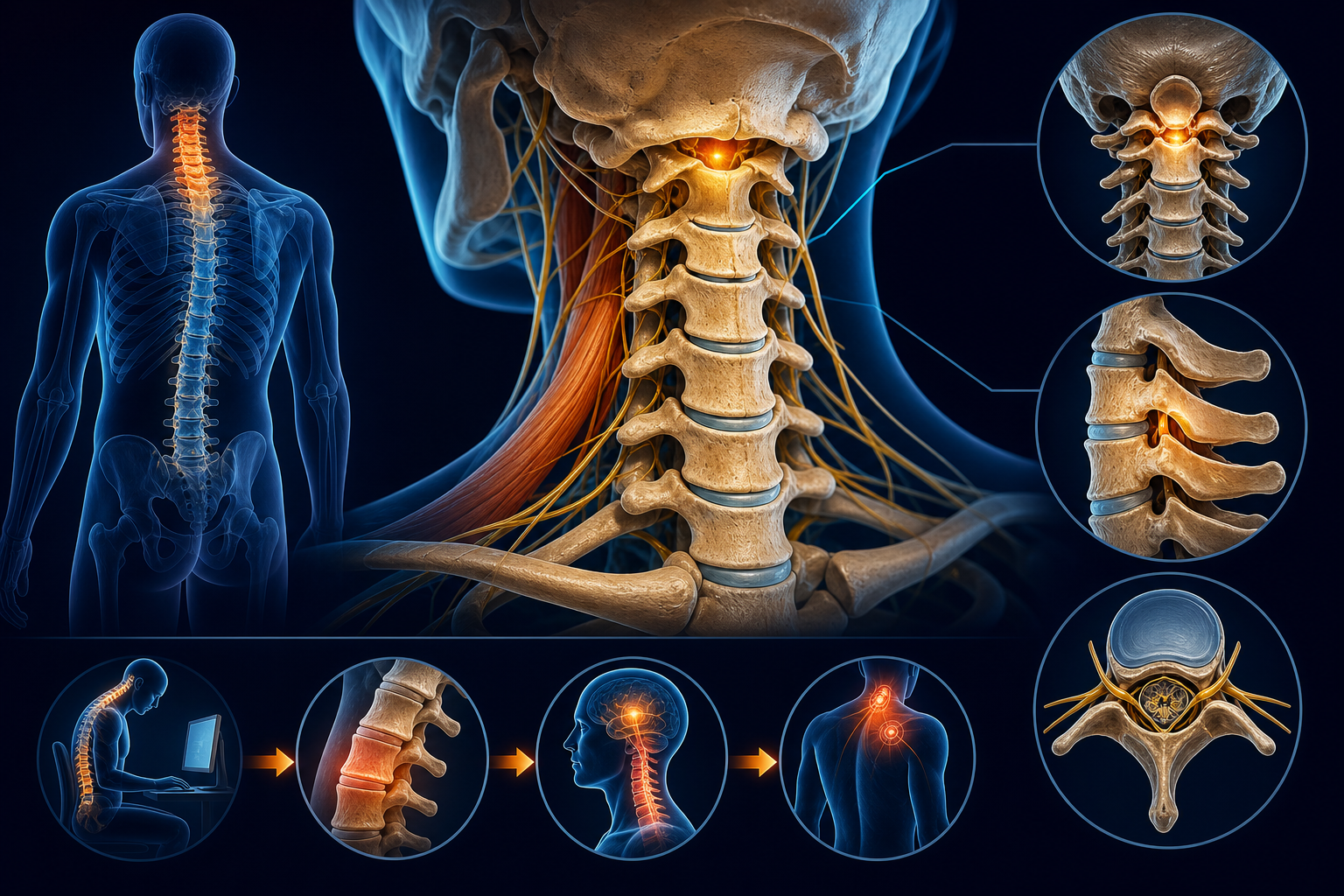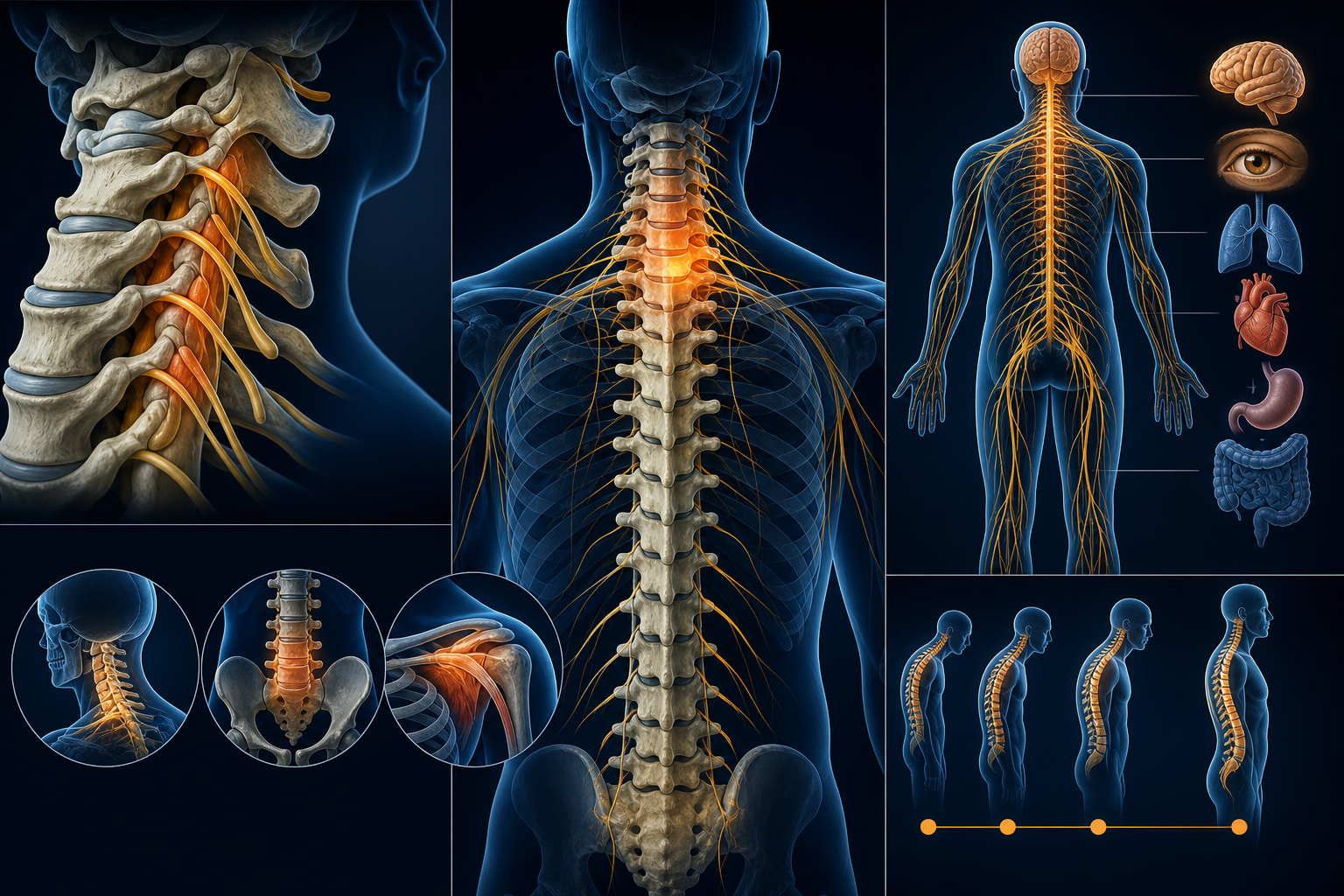
If you are searching for Dickson Chiropractic care, you may be dealing with a stiff neck, low back pain, headaches, posture strain, or an injury that has not improved as quickly as you hoped. Chiropractic care is a conservative healthcare approach focused on the spine, joints, muscles, and nervous system. For many patients in Dickson, TN, it may be one option to consider before more invasive treatments, especially when symptoms are related to movement, posture, work demands, or everyday strain.
This guide explains what chiropractors treat, when to schedule an evaluation, and what to expect at a first chiropractic visit. You can also use Medximity to compare local options for chiropractors in Dickson, Tennessee and find providers who fit your needs.
What Is Chiropractic Care?
Chiropractic care is a hands-on, non-surgical approach to musculoskeletal health. Chiropractors evaluate how the spine and other joints move, how muscles support those areas, and how pain or stiffness may be affecting daily function. Treatment may include spinal adjustments, joint mobilization, soft tissue techniques, stretching, strengthening recommendations, ergonomic guidance, and home exercises.
A chiropractic adjustment is a controlled movement applied to a joint with the goal of improving motion and reducing mechanical irritation. Some patients hear a popping sound during an adjustment; this is often related to gas release within the joint and does not necessarily indicate that anything was “put back in place.” You can learn more about adjustment-based care on Medximity’s chiropractic adjustment treatment page.
What Does a Chiropractor Treat?
Patients often ask, “What does a chiropractor treat?” Chiropractors commonly evaluate and manage mechanical pain involving the back, neck, shoulders, hips, and other joints. They may also help patients with stiffness, reduced range of motion, posture-related strain, muscle tightness, and certain types of headaches associated with neck tension. Care plans vary depending on the cause of symptoms, the patient’s health history, and exam findings.
Back Pain When Sitting Too Long
Back pain when sitting too long is a common reason people look for chiropractic care. Prolonged sitting can place stress on the low back, hips, and surrounding muscles, especially if the workstation, car seat, or posture is not supporting the body well. Chiropractic treatment for lower back pain may include spinal or pelvic joint mobilization, soft tissue work, core and hip exercises, and practical changes to sitting habits. For more general education, visit Medximity’s back pain resource page.
Neck Pain After Sleeping Wrong
Waking up with neck pain after sleeping wrong can happen when the neck stays in an awkward position for several hours. The result may be stiffness, muscle guarding, limited turning, or discomfort that travels toward the shoulder. A chiropractor may assess neck motion, muscle tension, posture, and neurological signs to determine whether conservative care is appropriate. Natural treatment for neck pain may include gentle mobilization, stretching, heat or ice guidance, pillow positioning advice, and strengthening exercises when tolerated. Medximity also offers a helpful overview of neck pain causes and care options.
When Should You See a Chiropractor in Dickson?
Consider scheduling an evaluation if pain, stiffness, or limited motion is interfering with work, sleep, driving, exercise, or normal daily tasks. A provider can help determine whether your symptoms appear mechanical, whether chiropractic care may be appropriate, or whether you should be referred for another type of evaluation.
You should seek prompt medical attention for severe or worsening symptoms, pain after significant trauma, new weakness, numbness, trouble walking, loss of bowel or bladder control, fever with spinal pain, unexplained weight loss, or pain that is not improving as expected. These symptoms do not always mean something serious is present, but they deserve timely professional review.
What to Expect at a First Chiropractic Visit
If you are wondering what to expect first chiropractic visit, most appointments begin with a health history. Your chiropractor may ask when symptoms started, what makes them better or worse, what work or activities you do, whether you have had prior injuries, and what goals matter most to you.
The physical exam may include posture observation, spinal and joint motion testing, orthopedic tests, muscle strength checks, reflexes, sensation screening, and palpation of tender or restricted areas. Imaging is not always needed. When a chiropractor believes X-rays or other studies may be appropriate, they should explain why and how the results could affect care.
After the exam, the provider may discuss a working impression and a care plan. A first visit may or may not include treatment, depending on your condition, comfort level, and exam findings. If treatment is provided, it may involve adjustments, gentle mobilization, soft tissue therapy, stretching, or instruction in home exercises.
Chiropractic Treatment for Lower Back Pain
Chiropractic treatment for lower back pain often focuses on improving movement, reducing muscle guarding, and helping patients return to normal activity safely. A care plan may include lumbar or pelvic adjustments, hip mobility work, core stabilization, lifting mechanics, and advice on changing positions during the day. Some patients feel improvement quickly, while others need a longer period of consistent care, especially if symptoms have been present for months or are tied to repetitive strain.
Chiropractic care is not a guaranteed solution for every type of back pain, but it may be part of a broader plan for back pain relief without surgery when the condition is appropriate for conservative management. Patients with radiating leg pain, suspected disc involvement, or persistent symptoms may need coordinated care with another healthcare professional. You can explore related information through Medximity’s sciatica education page.
Chiropractor vs Physical Therapy for Back Pain
The question of chiropractor vs physical therapy for back pain is not always either-or. Chiropractors often emphasize spinal and joint mobility, manual therapy, and functional movement recommendations. Physical therapists often emphasize rehabilitation, progressive exercise, strength, balance, and recovery after injury or surgery. In many cases, both professions may use overlapping tools such as exercise instruction, mobility work, and patient education.
The best choice depends on your symptoms, goals, diagnosis, and provider recommendations. Some patients start with chiropractic care for movement-related spinal pain. Others may benefit from physical therapy when weakness, balance, post-surgical rehab, or progressive strengthening is a central concern. You can compare conservative care options through Medximity’s physical therapist directory and chiropractor directory.
Is It Normal to Feel Sore After Chiropractic Care?
Many patients ask, is it normal to feel sore after chiropractic treatment? Mild soreness can occur after an adjustment, soft tissue work, or new exercises, especially if an area has been stiff or guarded. This soreness is often similar to what some people feel after a new workout and may improve within a short period. However, severe pain, worsening symptoms, new numbness, weakness, dizziness, or symptoms that feel unusual should be reported to your provider promptly.
Your chiropractor should explain what reactions may be expected, what activities to modify, and when to call with concerns. Clear communication helps your provider adjust the intensity and type of care to your response.
How Long Does Chiropractic Care Take?
How long does chiropractic care take depends on the condition, how long symptoms have been present, overall health, activity demands, and treatment goals. A simple episode of stiffness may require only a few visits, while chronic or recurring pain may need a longer plan that includes movement retraining, exercise, and lifestyle changes. A trustworthy provider should give you a reasonable plan, monitor progress, and update recommendations based on how you respond.
Progress is not measured only by pain level. Better sleep, improved range of motion, easier sitting, fewer flare-ups, and greater confidence with daily activity can also be meaningful signs of improvement.
Finding the Best Chiropractor in Dickson TN for Your Needs
There is no single “best chiropractor in Dickson TN” for every patient. The right fit depends on your condition, comfort with the provider’s approach, location, scheduling, communication style, and whether the clinic offers the services you need. When comparing Dickson chiropractic care near me, consider asking about the provider’s experience with your type of symptoms, what the exam includes, how progress is measured, and what home care will be part of the plan.
Medximity can help you review local chiropractic options and connect with providers who offer conservative spine and joint care. Start with the Dickson chiropractic provider search to compare available practices near you.
FAQs About Dickson Chiropractic Care
Do I need a referral to see a chiropractor?
Many patients can schedule directly with a chiropractor, but insurance rules and specific medical situations vary. If you are unsure, contact the clinic or your health plan before your appointment.
Can chiropractic care help with neck pain?
Chiropractic care may help some types of mechanical neck pain, especially when stiffness, posture strain, or joint restriction is involved. A provider should evaluate you first to determine whether this approach is appropriate.
Will I be adjusted on the first visit?
Possibly, but not always. Some chiropractors provide treatment at the first visit if the exam supports it, while others may wait until they have more information or imaging when clinically appropriate.
Is chiropractic care painful?
Chiropractic care is usually intended to be tolerable, but some techniques can create pressure, stretching, or temporary soreness. Tell your provider if anything feels too intense or uncomfortable.
How do I choose between chiropractic and physical therapy?
Both may help with certain back pain conditions. Chiropractic care often focuses on joint motion and manual therapy, while physical therapy often emphasizes rehabilitation and progressive exercise. A qualified provider can help guide the right starting point for your needs.
This article is for educational purposes only and is not a substitute for professional medical advice, diagnosis, or treatment. Always consult a qualified healthcare provider about your specific condition. If you may be experiencing a medical emergency, call 911 or seek emergency care immediately.