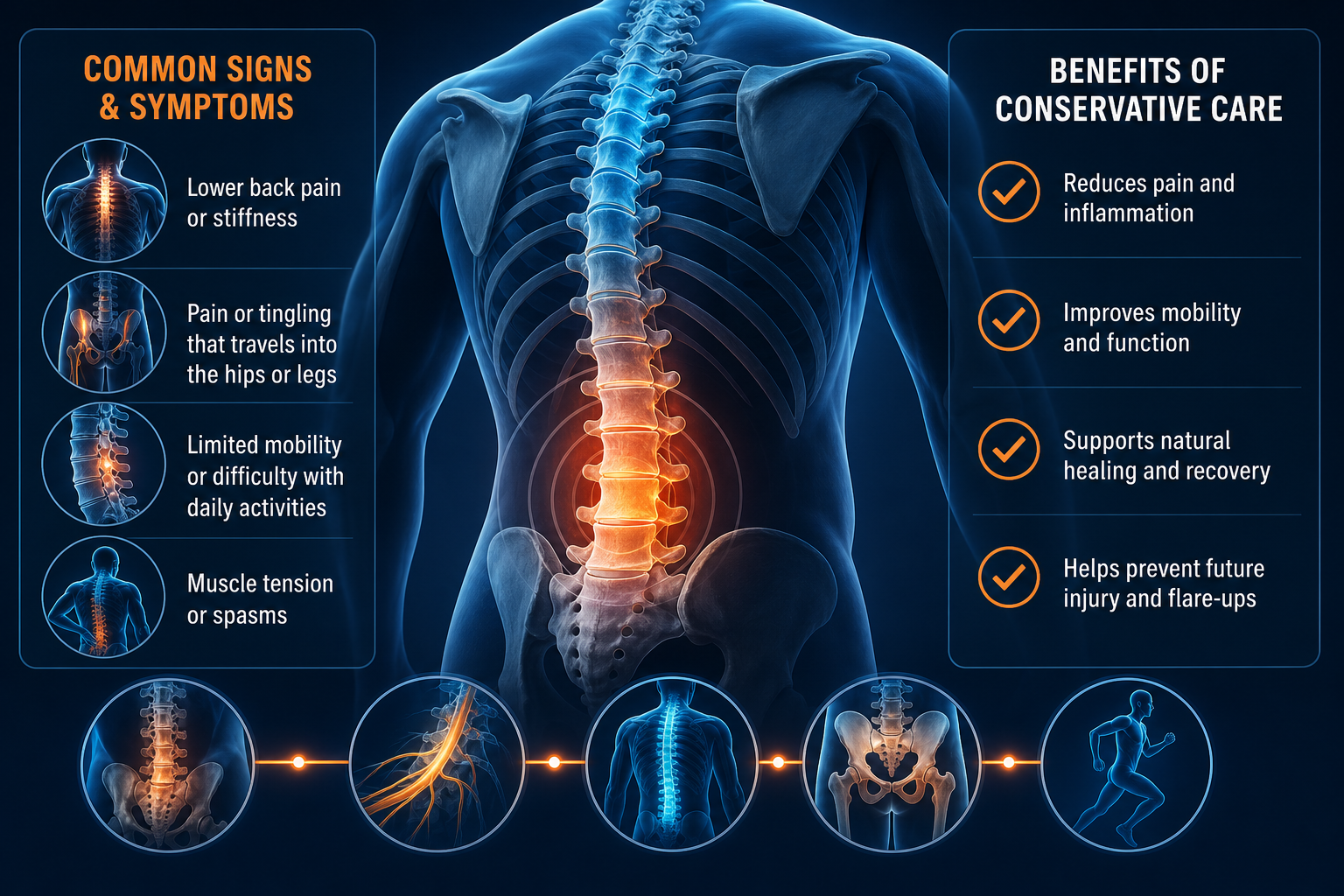
A chiropractor in Plainfield, IL can treat back pain, neck stiffness, sciatica, and a range of musculoskeletal conditions using spinal adjustments, soft tissue work, and rehabilitative exercises — all without invasive procedures. Whether you are dealing with a new injury or chronic discomfort that has lingered for months, understanding what chiropractic care involves and how to pick the right provider in the Plainfield area will save you time, money, and unnecessary discomfort.
What Does a Chiropractor in Plainfield, IL Actually Do?
Chiropractors are neuromusculoskeletal specialists. Their primary tool is the spinal adjustment — a controlled, quick thrust applied to a specific vertebral segment to restore normal joint mobility. But that single technique is just the starting point.
So what does a chiropractor do for back pain, specifically? They identify which structure is generating pain — a facet joint in the lumbar spine, a compressed intervertebral disc, or a hypertonic muscle like the quadratus lumborum — and then apply the appropriate manual therapy. That might include:
- Diversified technique: the traditional high-velocity, low-amplitude adjustment targeting a specific spinal segment
- Flexion-distraction: a gentle, pump-like motion used on the lumbar discs — effective for disc bulges without forceful thrusting
- Myofascial release: sustained pressure on trigger points in muscles like the piriformis, upper trapezius, or levator scapulae
- Rehabilitative exercise prescription: targeted strengthening for the deep stabilizers (multifidus, transversus abdominis) to prevent recurrence
Plainfield chiropractors hold a Doctor of Chiropractic (DC) degree, which requires roughly 4,200 hours of classroom, lab, and clinical training. They are licensed by the State of Illinois and can order diagnostic imaging such as X-rays when clinically indicated.
Common Conditions Treated by Plainfield Chiropractors
If you need a chiropractor for neck and back pain in Plainfield, IL, you are far from alone — low back pain is the single leading cause of disability worldwide, according to the Global Burden of Disease study. But chiropractic care extends well beyond the spine.
Sciatica and Lumbar Disc Issues
Chiropractic treatment for sciatica without surgery focuses on reducing pressure on the sciatic nerve (L4–S3 nerve roots). Flexion-distraction technique, combined with McKenzie directional preference exercises, can produce measurable relief in 4–6 visits for most disc-related sciatica cases. A chiropractic adjustment for a herniated disc in Plainfield typically uses low-force methods rather than traditional manual thrusting — the goal is to create negative intradiscal pressure and encourage the bulge to retract.
Research published in the Journal of Manipulative and Physiological Therapeutics found that 90% of patients with lumbar disc herniation improved with chiropractic care within 3 months, with most reporting significant relief by week 4.
If you are experiencing leg numbness alongside your back pain, that is a signal to get evaluated promptly rather than wait it out.
Neck Pain and Headaches
Cervical spine adjustments targeting the C1-C2 (atlas-axis) complex and the cervicothoracic junction (C7-T1) are the most common approach for tension headaches and cervicogenic headaches. Most patients notice headache frequency drop within 2–3 weeks of starting care. Conditions like occipital neuralgia also respond well to targeted cervical work and soft tissue therapy on the suboccipital muscles. For broader context on neck injuries and why chiropractors urge you to take them seriously, it is worth reading up before your visit.
Sports and Repetitive Strain Injuries
Plainfield has an active community — runners, CrossFit athletes, youth sports programs. Chiropractors frequently treat IT band syndrome, rotator cuff tendinopathy, and tennis elbow (lateral epicondylitis). A natural treatment for lower back pain in Plainfield, Illinois often involves addressing the kinetic chain — hip mobility restrictions and weak glute activation are frequently the root cause, not the lumbar spine itself.
What to Expect at Your First Chiropractic Visit
Knowing what to expect at your first chiropractic appointment removes the guesswork. Here is the typical sequence for a new patient visit in Plainfield:
- Health history intake — 10–15 minutes covering your complaint, timeline, prior imaging, and relevant medical history
- Physical examination — orthopedic tests (straight leg raise, Kemp's test, cervical compression), neurological screening (reflexes, dermatome sensation), and range-of-motion measurements
- Diagnosis and treatment plan — your chiropractor explains the findings, identifies the problem structure, and outlines a care plan with specific visit frequency and duration
- First treatment — many Plainfield chiropractors treat on the first visit unless imaging is needed first
How Long Does Chiropractic Care Take to Work?
It depends on the condition. Acute muscle spasm typically responds in 1–3 visits. Disc-related pain usually requires 8–12 visits over 4–6 weeks. Chronic conditions present for over 6 months may need 12–16 sessions before plateauing. If you are not noticing any change after 4–6 visits, a good chiropractor will reassess or refer.
Is It Normal to Be Sore After a Chiropractic Adjustment?
Yes. Mild soreness for 24–48 hours after your first adjustment is common — similar to what you feel after a workout targeting muscles you have not used in a while. The soreness comes from the paraspinal muscles adapting to the restored joint position. Ice for 10–15 minutes and gentle walking will typically resolve it. Severe pain, radiating symptoms, or dizziness after an adjustment is NOT normal — contact your provider immediately.
Red flag warning: If you experience sudden loss of bowel or bladder control, progressive weakness in both legs, or saddle-area numbness at any point, go to an emergency room. These are signs of cauda equina syndrome, which requires immediate medical attention.
How Do You Choose the Right Chiropractor in Plainfield?
Finding the best chiropractor in Plainfield, Illinois means matching the provider's skill set to your specific condition. Here is how to find a good chiropractor near you without relying on luck:
- Check credentials and specialty training. A DC who has completed additional certification in sports rehab (CCSP, DACBSP) or spinal rehab is often a better fit for complex cases.
- Ask about technique. If you want gentle care, ask if they offer Activator, drop-table, or flexion-distraction. If you prefer hands-on adjustments, confirm they use Diversified or Gonstead.
- Evaluate the treatment plan. Be cautious of any provider who requires you to commit to 30+ visits upfront before reassessing. Evidence-based chiropractors use outcome measures and adjust the plan as you progress.
- Read reviews for clinical specifics. Reviews that mention specific conditions similar to yours are more useful than generic 5-star ratings.
Our guide to finding the right chiropractor for you covers this decision process in more detail.
Factor What to Look For Red Flag Initial exam Thorough orthopedic and neurological testing Adjusts without examining you first Treatment plan Specific timeline with reassessment points (every 8–12 visits) Requires 6-month prepaid package on day one Technique variety Multiple approaches matched to your condition One technique for every patient regardless of diagnosis Exercise prescription Home exercises given within first 2–3 visits Passive care only with no self-management instruction Communication Explains what they found, what they are doing, and why Uses vague terms like "subluxation is blocking your life force"When Should I See a Chiropractor vs. Another Provider?
This is one of the most practical questions to answer before booking an appointment. The short version: chiropractors are your first-line provider for mechanical spine pain and most joint-related musculoskeletal complaints. Here is a breakdown:
- See a chiropractor for: back pain, neck pain, headaches, sciatica, muscle tightness and muscle knots, joint stiffness, posture-related pain, and sports injuries involving the spine or extremities
- See an orthopedic specialist for: suspected fractures, joint instability requiring bracing or reconstruction, or conditions that have not responded to conservative care after 6–8 weeks
- See a physical therapist alongside chiropractic for: post-accident rehabilitation, significant strength deficits, or complex movement dysfunction
Many conditions benefit from co-management. A Plainfield chiropractor may adjust your thoracic spine to restore rib mobility while a PT simultaneously works on your breathing mechanics and scapular stability. If you have kids involved in sports, chiropractic can benefit younger patients too — learn more about pediatric chiropractic adjustments and when they make sense.
Home Exercise: Cat-Cow for Lumbar Mobility
This is the single most useful exercise to do between chiropractic visits for general low back stiffness:
- Start on hands and knees — wrists under shoulders, knees under hips
- Cat: Exhale and round your entire spine toward the ceiling. Tuck your chin to chest and your tailbone under. Hold 3 seconds.
- Cow: Inhale and let your belly drop toward the floor. Lift your head and tailbone toward the ceiling. Hold 3 seconds.
- Alternate slowly for 10 repetitions, 2–3 times per day
- Move through pain-free range only — if any position causes sharp pain, skip that direction
This exercise mobilizes the lumbar facet joints, gently stretches the erector spinae, and activates the multifidus in the cow position.
What to Do Next
If you are searching for a chiropractor near Plainfield, IL accepting new patients, start by identifying what you need: acute pain relief, ongoing wellness care, or rehab from a specific injury. That determines which provider and technique style is the best fit.
Your first visit will typically last 30–45 minutes. Bring any prior imaging (X-rays, MRI reports) and a list of what aggravates and relieves your symptoms. Wear comfortable clothing you can move in.
Find a chiropractor in Plainfield, IL through the Medximity directory to compare providers by specialty, technique, and patient reviews. You can also explore more chiropractic and wellness topics to prepare for your visit.
Do not wait for back or neck pain to become chronic. Most mechanical spine conditions respond fastest when treated within the first 4 weeks of symptom onset. The longer you wait, the longer recovery typically takes.