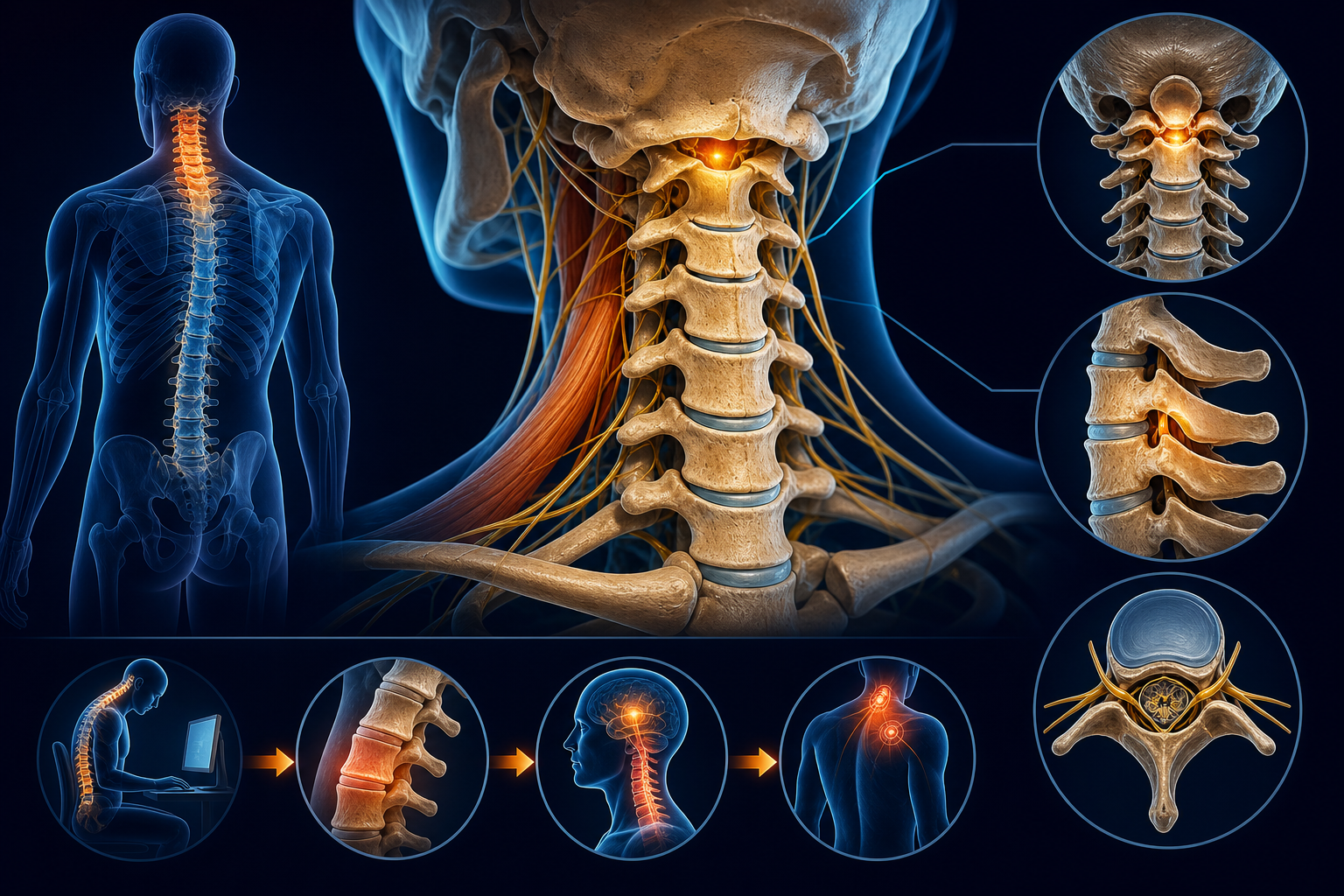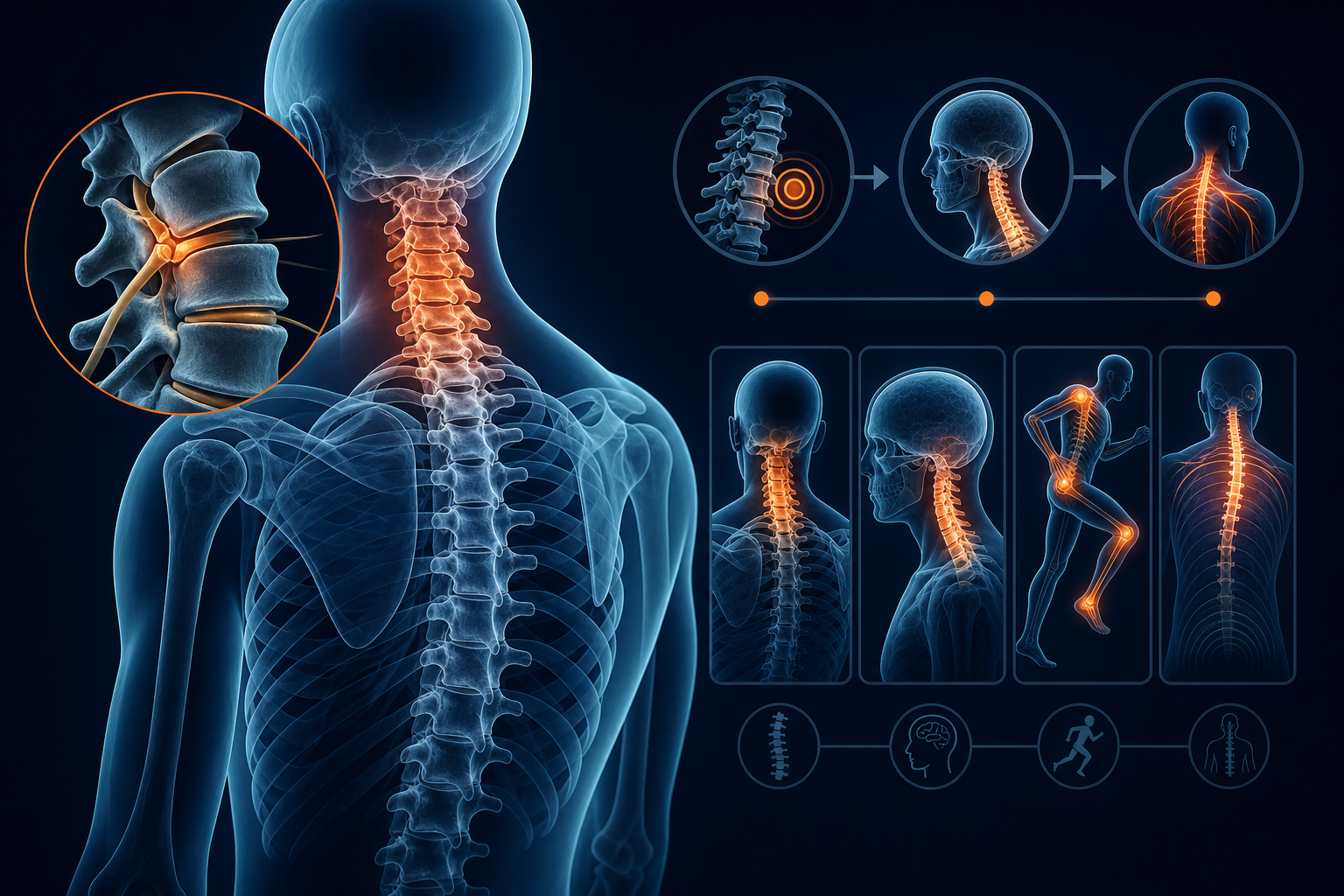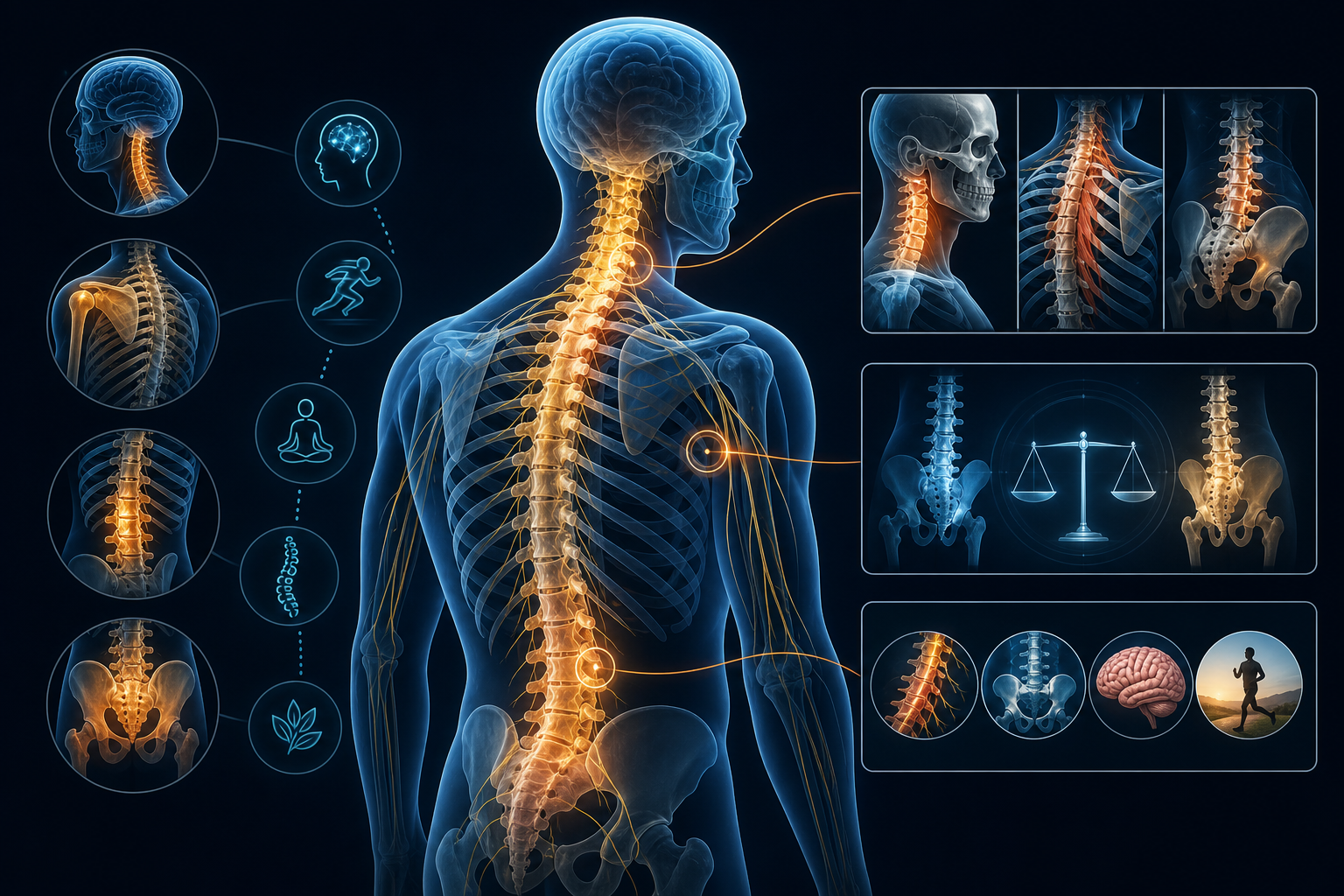
If you are searching for a chiropractor for auto accident pain, you may be dealing with neck stiffness, back pain, headaches, shoulder tension, or soreness that started after a crash. These symptoms can happen even after a low-speed collision, and they do not always show up immediately. A chiropractor who treats auto accident injuries can evaluate how your spine, joints, muscles, and movement patterns were affected and may recommend conservative care such as chiropractic adjustments, soft-tissue therapy, mobility work, and home exercises.
This article explains what chiropractors do after a car accident, when to seek care, what to expect at your first visit, and how chiropractic care may fit with physical therapy or rehabilitation. If your symptoms are severe, worsening, or associated with numbness, weakness, confusion, chest pain, trouble walking, or loss of bladder or bowel control, seek urgent medical evaluation right away.
Common Symptoms After an Auto Accident
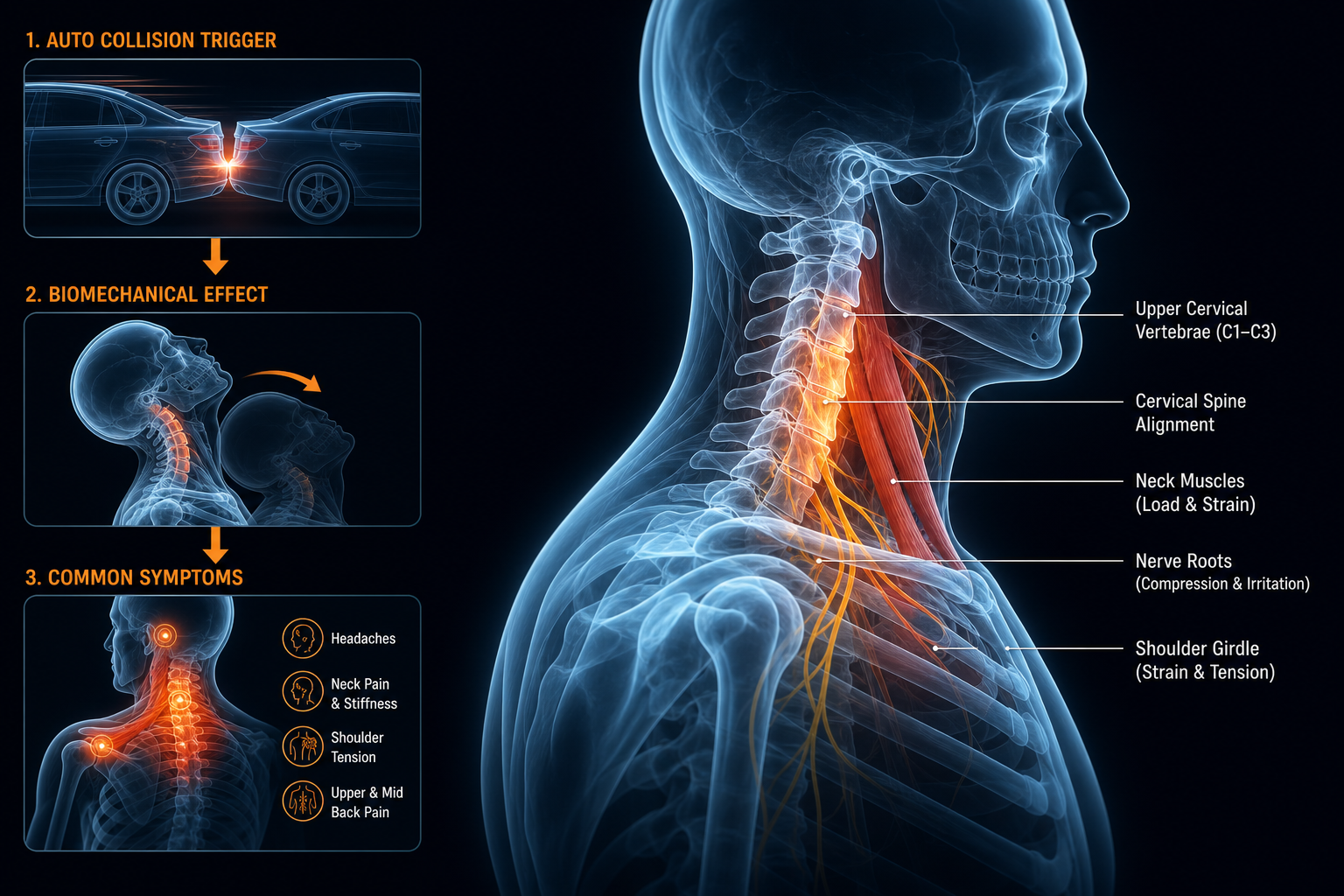
Car crashes place sudden force on the body. The neck and back often absorb much of that force, especially in rear-end, side-impact, or multi-car collisions. Some people feel pain immediately. Others feel relatively normal at first and notice stiffness or soreness the next morning.
Neck pain, whiplash, and limited motion
Whiplash is a common term for a neck injury caused by rapid back-and-forth movement of the head and neck. It may involve irritation of muscles, ligaments, joints, discs, or nerves. People often search for neck pain after car accident chiropractor or can't turn neck after car accident because the neck feels locked, painful, or guarded.
Whiplash-related symptoms may include neck pain, reduced range of motion, headaches, upper back tightness, shoulder discomfort, dizziness, or pain that travels into the arm. These symptoms should be evaluated by a qualified provider, especially if they are worsening or interfering with daily activity. You can learn more about related symptoms on Medximity’s neck pain resource page and whiplash condition page.
Back pain when bending after a crash
Back pain when bending after crash is another common concern. Bending, lifting, getting in and out of a car, or sitting for long periods may feel harder after an accident. Pain may come from irritated spinal joints, strained muscles, disc-related irritation, or protective muscle guarding. A chiropractor can assess movement, posture, spinal mobility, and pain patterns to help determine whether conservative care is appropriate or whether additional medical evaluation is needed.
If low back discomfort is part of your recovery, Medximity’s back pain resource page explains common causes and care options in more detail.
Is It Normal to Feel Sore After a Crash?
Many people ask, is it normal to feel sore after crash? Some soreness can occur after the body experiences a sudden impact. Adrenaline may also mask symptoms immediately after the collision, so pain may appear hours or days later. However, “common” does not always mean “safe to ignore.”
You should consider seeing a healthcare provider if pain lasts more than a few days, limits your ability to turn your head or bend, disrupts sleep, causes headaches, or travels into your arms or legs. Seek emergency care for red-flag symptoms such as severe or worsening pain, weakness, numbness, fainting, confusion, vision changes, shortness of breath, chest pain, or signs of head injury.
What Does a Chiropractor Do After an Accident?
If you are wondering, what does chiropractor do after accident, the answer usually starts with a careful evaluation. A chiropractor does not simply adjust the spine without understanding your symptoms, health history, and injury mechanism. The first visit typically focuses on finding out what hurts, how the crash happened, what movements are limited, and whether conservative care is appropriate.
Initial consultation and exam
Your chiropractor may ask about the direction of impact, whether airbags deployed, whether you were wearing a seatbelt, when symptoms began, and what makes the pain better or worse. The exam may include posture and gait observation, spinal range-of-motion testing, orthopedic or neurologic screening, palpation of muscles and joints, and functional movement checks.
Depending on the findings, the chiropractor may refer you for imaging or medical evaluation before beginning treatment. This is especially important when symptoms suggest fracture, significant neurologic involvement, concussion, or another condition that needs medical management.
Conservative treatment plan
Chiropractic treatment for auto accident pain may include gentle spinal adjustments, mobilization, soft-tissue techniques, stretching, therapeutic exercise, posture coaching, and advice for daily activities. The goal is often to reduce pain sensitivity, improve movement, calm muscle guarding, and help you return to normal function over time.
Chiropractic care is considered conservative, meaning it does not involve surgery or prescription medication. For people searching for natural treatment for whiplash without surgery, a chiropractor may offer a plan centered on movement, manual therapy, and rehabilitation. Outcomes vary, and the right approach depends on your exam findings, diagnosis, medical history, and symptom severity.
To learn more about this type of care, visit Medximity’s chiropractic care treatment guide.
How Long Does Whiplash Pain Last?
How long does whiplash pain last? The timeline varies. Some people improve within days or weeks, while others have symptoms that persist longer, especially when pain is intense early on, range of motion is very limited, or there are other injuries. Research generally suggests that staying appropriately active and addressing movement limitations may support recovery, but each case is different.
A chiropractor can help monitor progress and adjust your plan if symptoms are not improving as expected. If pain persists, spreads, or is accompanied by neurologic symptoms, your provider may recommend additional evaluation or coordinate with another healthcare professional.
Chiropractor vs Physical Therapy After an Accident
Many patients compare chiropractor vs physical therapy after accident. Both can be helpful, and the best choice depends on your symptoms and goals. Chiropractors often focus on spinal joint mobility, musculoskeletal assessment, manual therapy, and conservative spine care. Physical therapists often focus on therapeutic exercise, strengthening, balance, functional movement, and graded return to activity.
In some cases, chiropractic care and physical therapy may complement each other. For example, a patient with neck stiffness and upper back pain may receive manual therapy to improve motion and a rehabilitation program to build strength and endurance. If you are comparing options, Medximity can help you explore both chiropractors near you and physical therapists near you.
When to See a Chiropractor for Auto Accident Pain
You may want to schedule an evaluation with a chiropractor after a car accident if you have neck pain, back pain, headaches, shoulder tightness, reduced range of motion, muscle spasms, or pain that worsens with sitting, bending, lifting, or driving. Searching for a chiropractor for auto accident near me can be a practical next step when symptoms are mild to moderate but not resolving.
Do not wait for symptoms to become severe before asking questions. Early evaluation may help identify movement problems and provide guidance on safe activity. However, chiropractic care is not a substitute for emergency care when serious symptoms are present. If you have signs of concussion, fracture, internal injury, or progressive nerve symptoms, seek urgent medical attention.
What to Expect During Auto Accident Rehabilitation
Auto accident rehabilitation usually progresses in stages. Early care may focus on pain control, gentle mobility, and reducing muscle guarding. As symptoms improve, your provider may add stretching, strengthening, posture training, and functional exercises that help you return to work, driving, household tasks, or exercise.
If you are searching for auto accident rehabilitation near me, look for a provider who takes a detailed history, explains the plan clearly, tracks your progress, and modifies care when needed. A thoughtful rehabilitation plan should be specific to your symptoms rather than a one-size-fits-all routine.
Medximity’s physical therapy treatment guide explains how rehabilitation exercises and movement-based care may support recovery after musculoskeletal injuries.
How to Find the Best Chiropractor After a Car Accident
The best chiropractor after car accident is not necessarily the closest provider or the one with the boldest claims. Look for a chiropractor who listens carefully, screens for red flags, explains findings in plain language, and uses conservative treatment options that match your condition. It can also help to choose a provider who has experience with neck pain, back pain, whiplash-related symptoms, and post-accident mobility problems.
Before scheduling, you may want to ask whether the office treats auto accident injuries, what the first visit includes, whether they coordinate with other healthcare providers when appropriate, and how they measure progress. You can start by using Medximity’s chiropractor search directory to compare providers and find care near you.
Questions to Ask at Your First Visit
- What may be contributing to my neck or back pain?
- Are my symptoms appropriate for chiropractic care?
- Do I need imaging or referral to another provider?
- What treatments do you recommend and why?
- How will we track progress?
- What activities should I modify while I recover?
- What symptoms would mean I should seek urgent care?
Frequently Asked Questions
Should I see a chiropractor after a minor car accident?
You may consider an evaluation if you have pain, stiffness, headaches, reduced motion, or soreness that does not improve after a short period. Even minor crashes can irritate muscles and joints. A chiropractor can assess whether conservative care may be appropriate or whether another type of medical evaluation is needed.
Can chiropractic care help whiplash?
Chiropractic care may help some patients with whiplash-related neck pain, stiffness, and movement limitations. Treatment may include gentle adjustments, mobilization, soft-tissue therapy, and exercises. The right plan depends on your exam findings, symptom severity, and overall health.
Is it normal that my neck pain started the day after the accident?
Delayed soreness can happen after a crash. Adrenaline and stress may make symptoms less noticeable at first. If neck pain, headaches, dizziness, arm symptoms, or limited motion develop after an accident, it is reasonable to seek evaluation from a qualified provider.
How many chiropractic visits will I need after a car accident?
The number of visits varies based on the injury, symptom severity, response to care, and functional goals. A responsible provider should reassess your progress and adjust the treatment plan rather than giving a guaranteed timeline.
Can I see both a chiropractor and a physical therapist?
In many cases, patients may work with both providers when care is coordinated and clinically appropriate. Chiropractic care may focus on spinal mobility and manual therapy, while physical therapy may emphasize exercise, strengthening, and return to activity.
Find Auto Accident Care Near You
Auto accident pain can be frustrating, especially when it affects driving, sleep, work, or basic movement. A qualified chiropractor may help identify the source of your symptoms, provide conservative care, and guide the next steps in recovery. If you are ready to compare options, search Medximity for a chiropractor for auto accident pain near you or explore auto accident rehabilitation providers in your area.