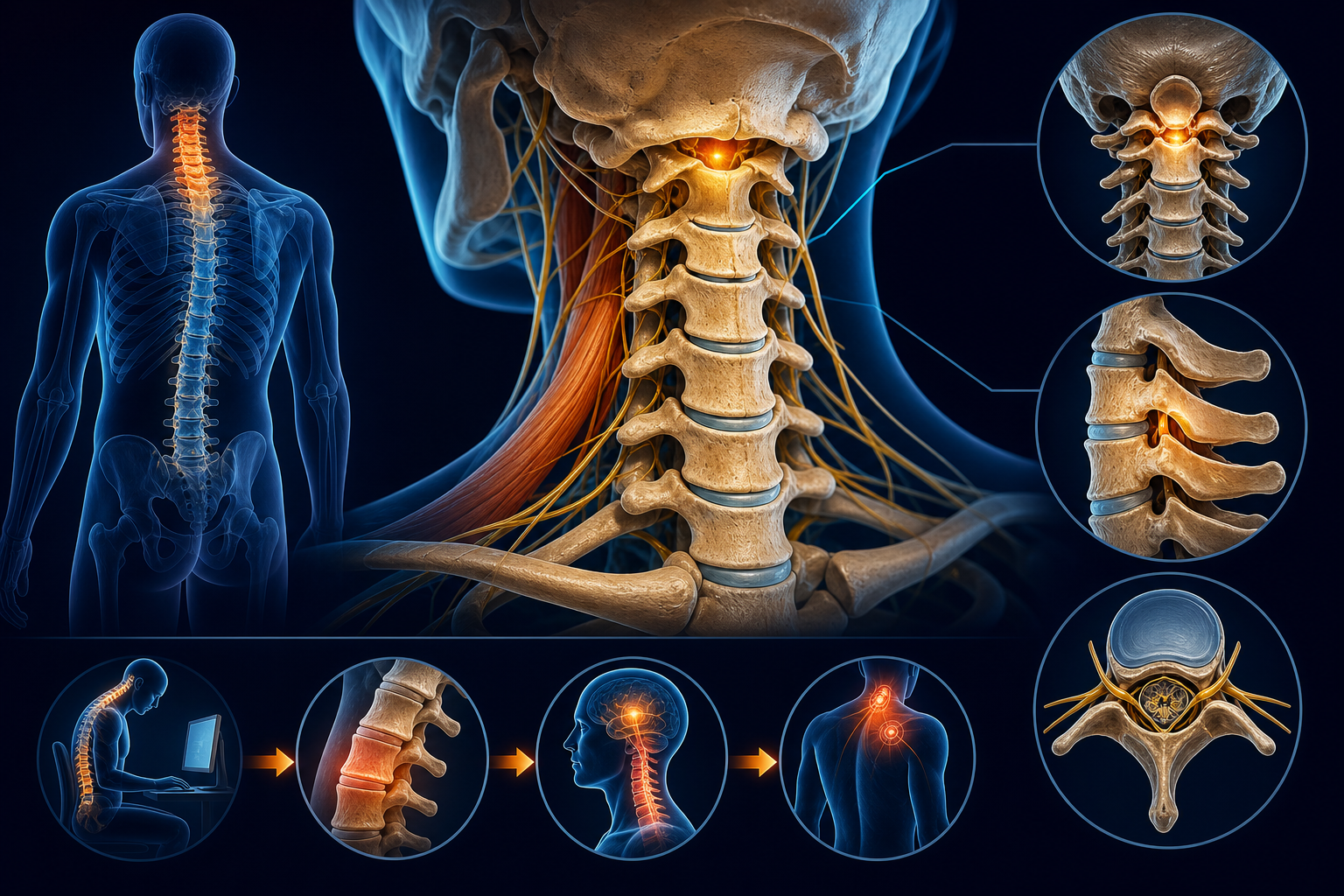
If you are searching for chiropractic services Dickson TN, you may be dealing with back pain, neck stiffness, headaches, sciatica-like symptoms, or discomfort after a strain, fall, or long hours at work. Chiropractic care is a conservative healthcare option focused on the spine, joints, muscles, and nervous system. For many patients, the goal is to improve movement, reduce mechanical irritation, and support daily function without starting with invasive care.
This guide explains what chiropractic services may include, when to see a provider, what to expect at the first visit, and how to compare options if you are looking for the best chiropractor in Dickson TN for your needs. You can also search Medximity for chiropractors near Dickson, TN when you are ready to compare local providers.
What Do Chiropractic Services Include?
Chiropractic services vary by provider, but most offices focus on evaluating and treating musculoskeletal pain, especially pain involving the spine, pelvis, shoulders, hips, and extremities. A chiropractor may assess posture, range of motion, joint mobility, muscle tension, nerve-related symptoms, and how your pain changes with movement.
Common chiropractic services may include spinal adjustments, mobilization, soft tissue therapy, stretching, corrective or therapeutic exercises, ergonomic coaching, and home-care guidance. Some chiropractors also use supportive treatments such as heat, ice, instrument-assisted soft tissue work, or rehabilitative movement drills. The right combination depends on your symptoms, exam findings, medical history, and goals.
Chiropractic Adjustments and Mobilization
A chiropractic adjustment is a controlled, targeted force applied to a joint with the goal of improving motion and reducing mechanical restriction. Some techniques involve a quick movement that may create a popping sound, while others are gentler and use slow pressure, drop tables, or handheld instruments. Mobilization is typically slower and lower-force. Patients who prefer a lighter approach should ask about technique options before treatment begins.
Exercise, Movement, and Self-Care
Modern chiropractic care often includes more than adjustments. For many pain conditions, exercises that improve mobility, strength, and tolerance to activity may be an important part of recovery. A chiropractor may teach core stability exercises for lower back pain, neck mobility drills, hip stretches, or workstation changes that reduce repeated strain.
Common Reasons Patients Seek Chiropractic Care in Dickson
People look for chiropractic services Dickson TN near me for many reasons. Some develop pain suddenly after lifting, yard work, sports, or a long drive. Others notice stiffness that builds over time from desk work, repetitive job tasks, or reduced activity. Chiropractic care may be considered for several common concerns.
Lower Back Pain
Lower back pain is one of the most common reasons patients visit a chiropractor. It may be associated with joint stiffness, muscle guarding, disc-related irritation, hip mobility limits, or deconditioning. A lower back pain chiropractor Dickson TN may evaluate how your spine, pelvis, hips, and core function together, then recommend a plan that may include adjustments, movement training, and home exercises. Learn more in Medximity’s guide to chiropractic care for lower back pain.
Neck Pain When Turning the Head
If you have neck pain when turning your head, the issue may involve irritated joints, tight muscles, poor workstation positioning, sleep posture, or a recent strain. Chiropractic care may help some patients improve neck mobility and reduce mechanical discomfort. However, severe neck pain after trauma, pain with fever, new weakness, dizziness, or symptoms that radiate strongly into the arm should be evaluated promptly by a qualified healthcare professional. Medximity also offers a patient guide on seeing a chiropractor for neck pain.
Sciatica-Like Symptoms
Sciatica symptoms often describe pain, tingling, numbness, or burning that travels from the lower back or buttock into the leg. These symptoms can have several causes, including nerve root irritation, disc-related changes, spinal narrowing, or muscular compression around the hip. Chiropractic treatment for sciatica symptoms may include careful evaluation, gentle spinal or pelvic techniques, mobility work, and exercises selected to avoid aggravating the nerve. For more background, read Medximity’s article on chiropractic treatment for sciatica symptoms.
When Should You See a Chiropractor?
Consider scheduling an appointment if pain is limiting work, sleep, driving, exercise, or normal daily tasks. You may also want to see a chiropractor if stiffness keeps returning, if you have frequent muscle tightness, or if you want guidance on safer movement and posture. Many patients seek natural treatment for back pain Dickson residents can access locally because they want to start with conservative care.
Some symptoms call for urgent medical evaluation rather than waiting for a routine chiropractic visit. Seek prompt care if you have loss of bowel or bladder control, numbness in the groin or saddle area, progressive weakness, major trauma, unexplained fever with spine pain, chest pain, or sudden severe headache. These symptoms do not always mean something serious is present, but they should be checked quickly.
What to Expect at Your First Chiropractor Visit
If you are wondering what to expect first chiropractor visit, most appointments begin with a conversation about your symptoms, health history, activity level, prior injuries, medications, and goals. The chiropractor may ask when the pain started, what makes it better or worse, whether symptoms travel into an arm or leg, and how pain affects your daily routine.
The exam may include posture screening, range-of-motion testing, orthopedic or neurologic checks, muscle testing, reflexes, and palpation of joints and soft tissues. Imaging is not needed for every patient. A provider may recommend X-rays or referral for additional evaluation when history or exam findings suggest it is appropriate.
Before treatment, the chiropractor should explain the likely source of your symptoms, what care may involve, reasonable expectations, potential risks, and alternatives. Your first visit may include treatment, but it may also focus on evaluation and planning. For a deeper overview, read what to expect at your first chiropractor visit.
How Long Does Chiropractic Care Take?
There is no single answer to how long does chiropractic care take. A mild strain may improve over a short period, while long-standing pain, nerve irritation, recurrent flare-ups, or work-related physical demands may require a longer plan. Frequency often depends on symptom severity, how long the condition has been present, exam findings, and how well you respond to care.
A responsible care plan should include measurable goals, such as improved range of motion, reduced pain during specific activities, better sleep, or return to walking, lifting, or exercise. If progress is limited, your provider may adjust the plan or recommend co-management with another healthcare professional.
Is Chiropractic Care Safe for Back Pain?
Many patients ask, is chiropractic care safe for back pain? Chiropractic care is generally considered a conservative option when performed by a licensed provider after an appropriate evaluation. As with any healthcare treatment, risks and benefits vary by patient. Some people feel temporary soreness after an adjustment or soft tissue treatment, similar to soreness after exercise.
Safety starts with a careful history, screening for red flags, and matching the technique to the patient. People with certain medical conditions, recent fractures, severe osteoporosis, cancer affecting bone, infection, or specific neurologic symptoms may need modified care or referral. Medximity’s guide to chiropractic care safety for back pain explains these considerations in more detail.
Chiropractor vs Physical Therapy for Pain
The choice between a chiropractor and physical therapy is not always either-or. Chiropractors often focus on spinal and joint mobility, manual therapy, and movement-based self-care. Physical therapists often emphasize rehabilitation, strengthening, gait training, balance, and recovery after surgery or significant injury. Many patients benefit from one approach, and some benefit from coordinated care that includes both.
If you are comparing chiropractor vs physical therapy for pain, think about your main goal. If you need help with spine-related stiffness and mechanical pain, a chiropractor may be a good starting point. If you are recovering from a major injury, surgery, or significant weakness, physical therapy may be more appropriate. You can read Medximity’s comparison of chiropractic care vs physical therapy for pain or search for physical therapy providers near Dickson, TN.
Questions to Ask a Chiropractor Before Starting Care
Choosing the best chiropractor in Dickson TN is personal. The right provider should communicate clearly, evaluate thoroughly, and help you understand your options. Useful questions to ask a chiropractor include:
- What do you think is contributing to my symptoms?
- What techniques do you use, and can they be modified if I prefer gentle care?
- How will we measure progress?
- What can I do at home between visits?
- How long should it take before we reassess the plan?
- Do my symptoms suggest I should see another type of provider?
Clear answers can help you feel more comfortable and make informed decisions about your care.
Finding Chiropractic Services in Dickson, TN
When searching for chiropractic services Dickson TN, look for a provider who listens carefully, explains findings in plain language, and offers a care plan that matches your goals. Conservative care works best when the plan is individualized, practical, and adjusted as your symptoms change.
Medximity helps patients compare local providers and learn about care options before scheduling. If you are ready to explore chiropractic services Dickson TN near me, start by reviewing chiropractor profiles in your area and preparing a few questions for your first appointment.
FAQs About Chiropractic Services in Dickson, TN
What conditions do chiropractors commonly see?
Chiropractors commonly see patients with back pain, neck pain, headaches related to musculoskeletal tension, joint stiffness, sciatica-like symptoms, sports strains, and posture-related discomfort. A chiropractor should evaluate your specific symptoms before recommending care.
Do I need a referral to see a chiropractor?
In many cases, patients can contact a chiropractor directly, but insurance plans and specific healthcare situations vary. It is reasonable to check your benefits and ask the office what information is needed before your visit.
Will I receive an adjustment at the first visit?
Possibly, but not always. The first visit may include an exam and discussion before treatment. If treatment is appropriate, the chiropractor should explain the technique, expected response, and any risks before proceeding.
How many visits will I need?
The number of visits depends on your condition, goals, response to care, and whether symptoms are new or long-standing. Your chiropractor should reassess progress and update the plan as needed.
Can chiropractic care help sciatica symptoms?
Chiropractic care may help some patients with sciatica-like symptoms, especially when mechanical factors contribute to irritation. Because leg pain, numbness, or weakness can have different causes, evaluation by a qualified provider is important.
What should I bring to my first chiropractic appointment?
Bring your ID, insurance information if applicable, a medication list, relevant imaging or reports if you have them, and notes about your symptoms. It may help to write down what movements worsen or ease your pain.
This article is for educational purposes only and is not a substitute for professional medical advice, diagnosis, or treatment. Always consult a qualified healthcare provider about your specific condition. If you may be experiencing a medical emergency, call 911 or seek emergency care immediately.