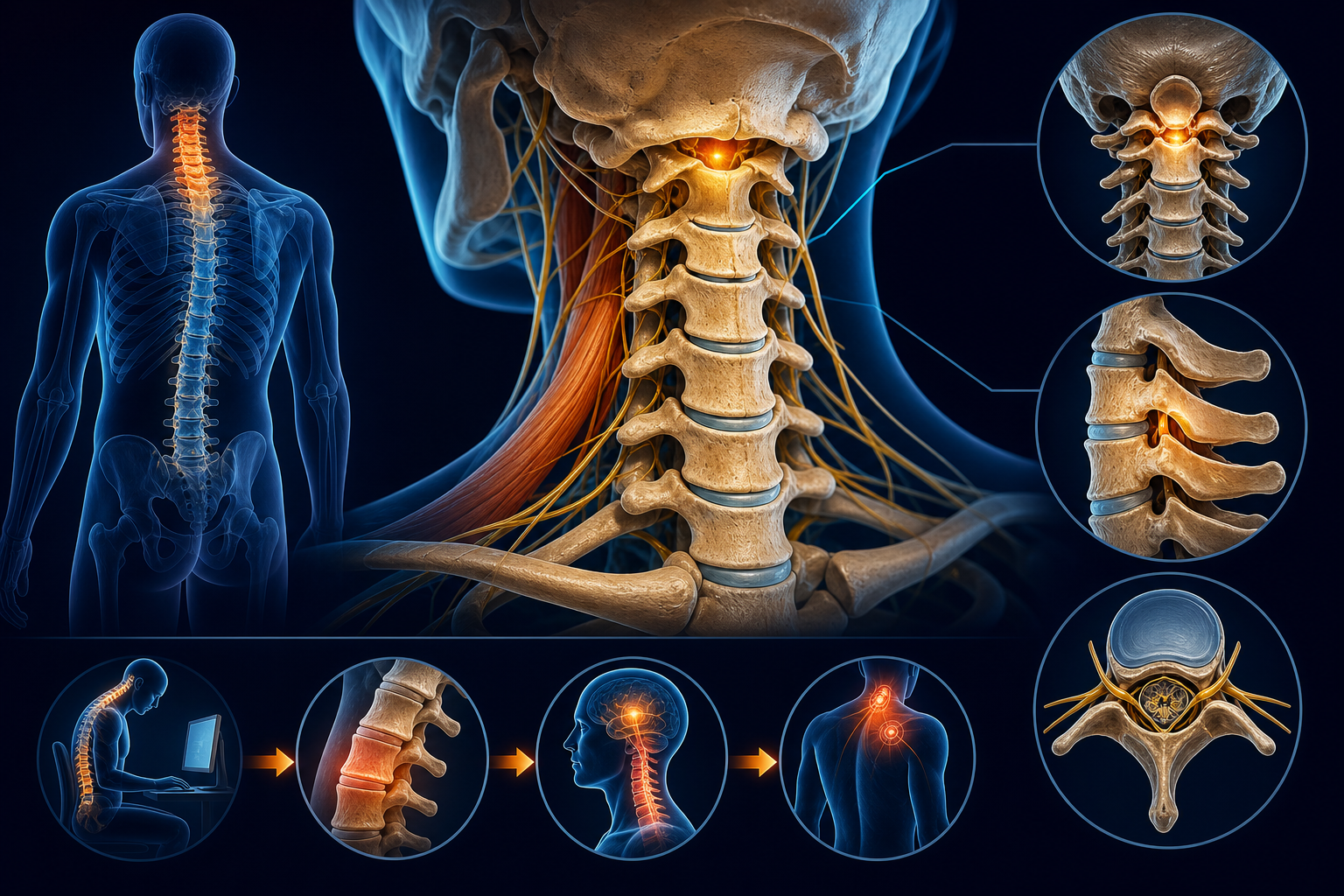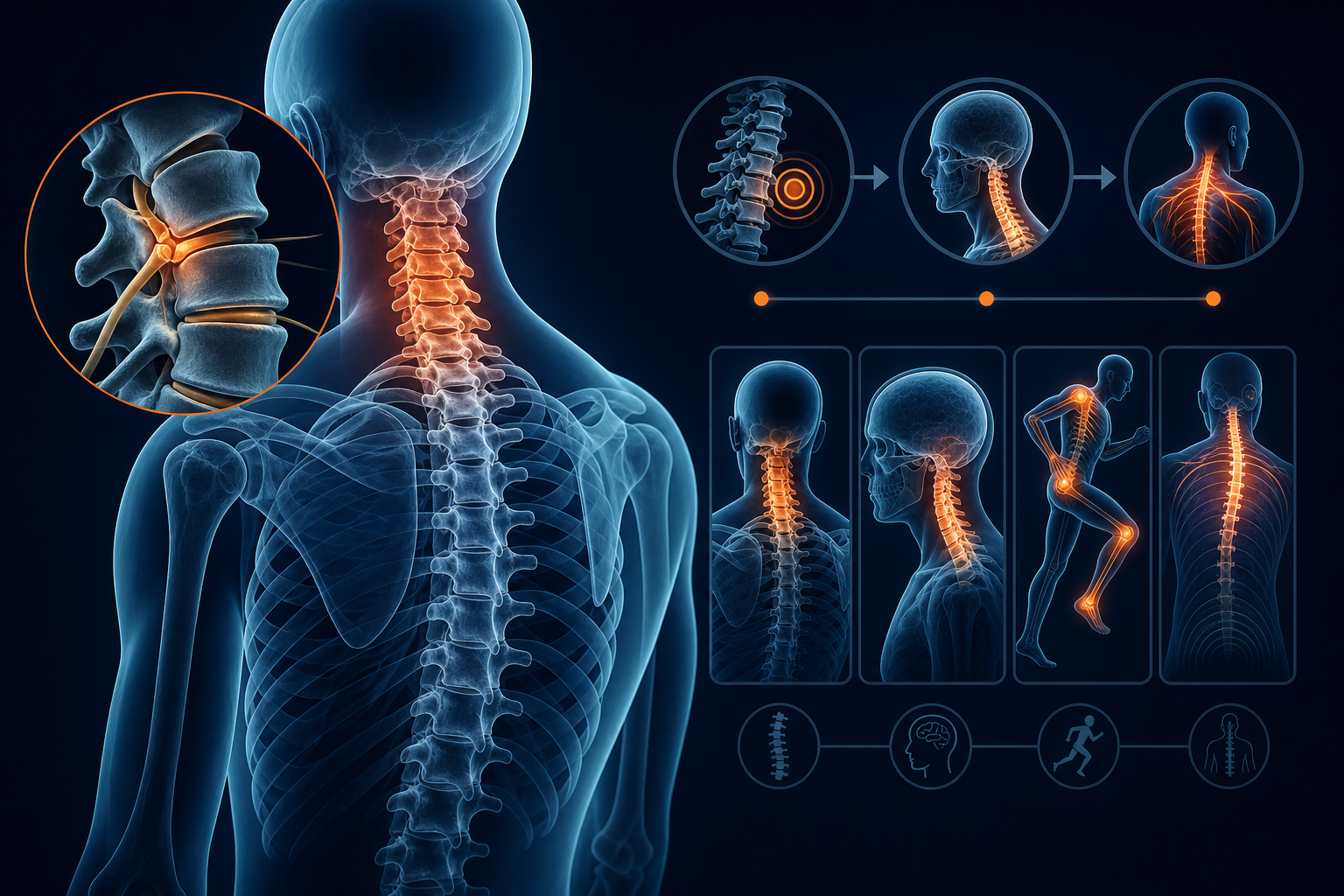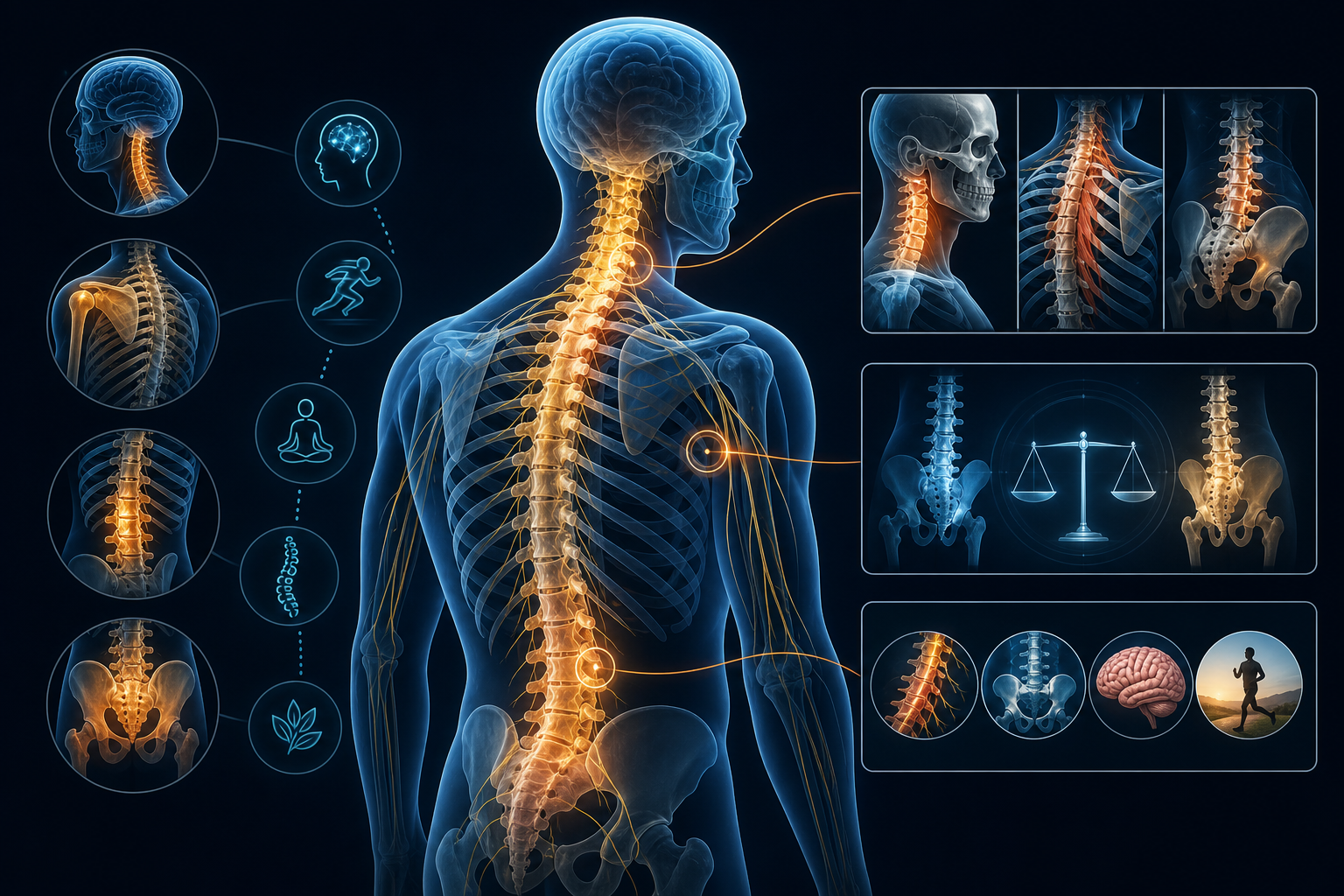
A car accident chiropractor in Los Angeles can evaluate and treat crash-related injuries like whiplash, disc herniations, and soft tissue damage — typically within 24–72 hours of your collision. Most auto accident injuries respond well to chiropractic care when treatment starts early, with patients seeing measurable improvement in pain and range of motion within 2–4 weeks. If you were rear-ended on the 405, T-boned at an intersection in Koreatown, or involved in a fender bender on La Brea, here is exactly what to expect, what gets treated, and how to find the right provider fast.
Why See a Chiropractor After a Car Accident in Los Angeles
LA averages over 55,000 traffic collisions per year according to LAPD data. Even low-speed impacts at 5–10 mph generate enough force to shift cervical vertebrae out of alignment and strain the muscles, tendons, and ligaments of the neck and upper back. The problem: adrenaline and inflammation mask symptoms for 24–72 hours post-crash. By the time neck pain after a car accident won't go away on its own, scar tissue has already started forming in damaged soft tissue.
Chiropractic evaluation catches what ER visits often miss. Emergency departments rule out fractures and life-threatening bleeds — they are not designed to assess subluxations of the C4–C7 vertebrae, restricted motion in the thoracolumbar junction, or trigger point activation in the upper trapezius and levator scapulae. A chiropractor's orthopedic and neurological exam fills that gap.
- Identifies joint restrictions that X-rays alone won't reveal
- Documents injuries for insurance and personal injury claims from day one
- Starts treatment before compensatory patterns create secondary problems
- Provides a non-invasive recovery path — no downtime, no prescriptions
Common Injuries Treated by Car Accident Chiropractors
Whiplash is the signature car crash injury, affecting the cervical spine when your head accelerates and decelerates faster than your torso. But it is far from the only one. Whiplash treatment after a car crash in Los Angeles typically involves 8–12 sessions over 4–6 weeks, though severity varies widely.
Cervical and Thoracic Injuries
- Whiplash-associated disorder (WAD): Grades I–III involve neck pain, stiffness, reduced ROM, headaches, and sometimes radiating arm numbness. The sternocleidomastoid, scalene muscles, and cervical facet joints are most commonly affected.
- Cervicogenic headaches: Originating from the C2–C3 facet joints, these are frequently mistaken for migraines. Is it normal to have headaches after a car crash? Yes — but headaches that persist beyond 2 weeks or worsen over time warrant immediate chiropractic or neurological evaluation.
- Thoracic outlet syndrome: Compression of the brachial plexus between the scalene muscles and first rib, causing arm tingling and weakness.
If your crash involved a head impact or you're experiencing radiating pain into the face or behind the eyes, a chiropractor experienced in occipital neuralgia can differentiate nerve-driven headache from muscular strain.
Lumbar and Pelvic Injuries
Rear-end collisions drive your pelvis forward while your upper body stays belted, compressing the L4–L5 and L5–S1 disc segments. Back pain after a rear-end collision responds well to natural treatment combining spinal manipulation, flexion-distraction technique, and targeted core stabilization exercises.
- Disc bulge or herniation: Typically L4–L5 or L5–S1, confirmed by MRI if radiculopathy is present
- SI joint dysfunction: Asymmetric impact can torque the sacroiliac joint, causing one-sided low back and buttock pain
- Myofascial trigger points: Deep referral pain patterns in the quadratus lumborum and piriformis that mimic disc pathology. For detailed self-care between visits, see how chiropractors treat muscle knots.
How Soon Should You See a Chiropractor After a Crash?
Within 72 hours. Ideally within 24 hours. Many car accident chiropractors in Los Angeles offer same-day appointments specifically for crash victims because early documentation and treatment produce better clinical and legal outcomes.
Here is why timing matters clinically:
- 0–72 hours: Acute inflammation peaks. Gentle mobilization and cryotherapy reduce swelling around the cervical and lumbar facet joints. Full spinal manipulation is typically deferred until imaging rules out fracture or instability.
- 1–2 weeks: Scar tissue begins forming in damaged ligaments and muscle fibers. Soft tissue work (myofascial release, instrument-assisted techniques) during this window prevents adhesions that limit long-term ROM.
- 3–6 weeks: Active rehabilitation phase. Spinal adjustments restore segmental motion, progressive exercises rebuild stabilizer strength.
- 6–12 weeks: Most uncomplicated whiplash and soft tissue injuries reach maximum medical improvement. Complex cases — multi-level disc involvement, pre-existing degeneration — may extend to 6 months.
Delaying care beyond 2 weeks correlates with longer total treatment duration and worse functional outcomes, per research published in the Journal of Manipulative and Physiological Therapeutics.
What Does a Chiropractor Do After a Car Accident?
Your first appointment lasts 45–60 minutes and follows a structured protocol.
Examination and Imaging
- History: Crash mechanism (rear-end, T-bone, rollover), seatbelt use, headrest position, airbag deployment
- Orthopedic testing: Cervical compression, Spurling's test, Kemp's test for lumbar facets, straight leg raise for disc involvement
- Neurological screening: Dermatome sensation, myotome strength, deep tendon reflexes (biceps C5–C6, triceps C7, patellar L4)
- Imaging: In-office X-rays to rule out fracture or instability; MRI referral if radiculopathy or disc pathology is suspected
Treatment Plan
Based on findings, your chiropractor builds a care plan specifying visit frequency, treatment techniques, and measurable goals (pain scale reduction, ROM benchmarks in degrees). Typical protocols for moderate whiplash:
Phase Timeline Techniques Used Expected Outcome Acute / Pain Relief Weeks 1–2 (3x/week) Gentle mobilization, ice, soft tissue work, electrical muscle stimulation 30–50% pain reduction, reduced muscle guarding Corrective / Restorative Weeks 3–6 (2x/week) Spinal adjustments (diversified, Gonstead), flexion-distraction, therapeutic exercise Restored cervical ROM (goal: 70°+ rotation), reduced headache frequency Stabilization / Rehab Weeks 7–12 (1x/week) Progressive strengthening, postural re-education, ergonomic counseling Return to full daily activities, maximum medical improvement documentationWondering about chiropractic care vs. physical therapy after an accident? They complement each other. Chiropractic focuses on restoring spinal joint mobility through manual adjustments; PT emphasizes neuromuscular retraining and progressive loading. Many LA providers coordinate both under one roof or through cross-referral networks.
Chiropractic Care and Personal Injury Claims in LA
California is a fault-based state for auto accidents. The at-fault driver's liability insurance covers your treatment. This has direct implications for how you choose and work with your chiropractor for a personal injury claim in Los Angeles.
- Med-pay coverage: If you carry Medical Payments coverage on your own auto policy, it pays your chiropractic bills regardless of fault — typically $5,000–$25,000.
- Lien-based treatment: Many car accident chiropractors in LA accept liens, meaning they treat you now and collect payment from your settlement later. You pay nothing out of pocket upfront.
- PIP / no-fault: California does not mandate PIP coverage, but if you purchased it, your no-fault auto accident chiropractor in Los Angeles bills that policy directly.
- Health insurance: Does insurance cover a chiropractor after a car accident? Most health plans cover chiropractic, but auto injury claims are typically billed to auto insurance first. Your provider's billing team coordinates this.
Documentation is critical. Your chiropractor's records — initial exam findings, objective measurements at each visit, imaging results, and functional outcome scores — form the medical evidence your attorney uses to quantify your injury claim. Gaps in treatment or delayed start dates give insurance adjusters grounds to minimize your settlement.
How to Find the Best Car Accident Chiropractor Near You in Los Angeles
Not every chiropractor handles auto accident cases. Look for these specific qualifications:
- Experience with crash biomechanics: They should ask about impact direction, vehicle damage estimate, and restraint use — not just "where does it hurt."
- In-office imaging: Practices with on-site X-ray avoid referral delays. MRI access within 48 hours (via partnership with an imaging center) matters for suspected disc injuries.
- Lien acceptance: If you are pursuing a personal injury claim, confirm the practice accepts attorney liens.
- Multi-disciplinary approach: Practices that offer or coordinate with physical therapy, massage therapy, and acupuncture under one plan deliver faster recovery.
- Documentation standards: Ask if they use standardized outcome measures (Neck Disability Index, Oswestry Low Back Index) — these carry weight with adjusters and attorneys.
You can find a chiropractor near you through the Medximity provider directory, filtering by specialty, location, and accepted payment types. For broader guidance on choosing the right fit, read simple steps to find the right chiropractor for you.
Home Exercise Protocol Between Visits
Your chiropractor will prescribe specific exercises. One commonly assigned protocol for cervical whiplash recovery:
- Chin tucks: Sit upright. Draw your chin straight back (not down) as if making a double chin. Hold 5 seconds. Repeat 10 times, 3 sets per day. This retrains the deep cervical flexors that weaken after whiplash.
- Cervical isometrics: Place your palm against your forehead. Push your head into your hand without allowing movement. Hold 5 seconds. Repeat with hand on each side and back of head. 8 reps each direction, 2 sets per day.
- Scapular retractions: Squeeze shoulder blades together as if pinching a pencil between them. Hold 5 seconds. 15 reps, 2 sets per day. Targets the rhomboids and middle trapezius — muscles that counteract the forward-head posture whiplash creates.
Avoid aggressive stretching or self-cracking your neck in the first 2 weeks post-accident. Hypermobility from ligament damage makes forceful ROM movements risky.
When to Seek Emergency Care Instead
Chiropractic care is appropriate for the vast majority of car accident musculoskeletal injuries. But some symptoms require an emergency department — not a chiropractor's office:
- Loss of consciousness, confusion, or amnesia after the crash (possible traumatic brain injury)
- Inability to move an arm or leg, or sudden bilateral leg weakness (possible spinal cord involvement)
- Loss of bladder or bowel control (cauda equina syndrome — a medical emergency)
- Severe headache with visual changes and neck rigidity (possible vascular injury or intracranial bleed)
- Chest pain or difficulty breathing (rib fracture, pneumothorax, or cardiac contusion)
If any of these symptoms appear even days after your accident, call 911 or go to your nearest ER immediately. Neck injuries in particular deserve prompt attention — chiropractors advise taking them seriously even when initial symptoms seem mild.
What to Do Next
If you were in a car accident in Los Angeles — even a minor one — get evaluated within 72 hours. Early treatment shortens recovery and strengthens any insurance or legal claim.
- Get cleared by an ER or urgent care if you hit your head, lost consciousness, or have any red flag symptoms listed above.
- Schedule a chiropractic evaluation within 24–72 hours. Many Los Angeles practices offer same-day car accident appointments. Search for a car accident chiropractor near you on Medximity.
- Bring your documentation: Police report, insurance information, photos of vehicle damage, and any ER records.
- Follow the prescribed treatment schedule. Skipping visits creates gaps that insurers use to deny claims and that allow compensatory movement patterns to set in.
- Know your coverage: Ask the practice about lien-based care, med-pay billing, and health insurance coordination before your first visit.
Recovery from a car accident is measurable and predictable when you start with the right provider and stay consistent. Learn more about the benefits of chiropractic treatment for car accident injuries, or browse providers in your area to get started today.