Getting hurt in a car accident is stressful enough on its own. When you also have Medicaid, figuring out which insurance is supposed to pay for your treatment — and in what order — can feel overwhelming. The good news is that New York has a clear framework for this situation. The challenging part is that the framework has deadlines, exceptions, and paperwork that patients don't always know about.
This article walks through how Medicaid and New York's no-fault insurance system interact, what your rights are as a Medicaid patient after an accident, and how to find providers who can treat you without leaving you with a billing nightmare.
New York No-Fault Insurance: The Starting Point for Almost Every Car Accident Claim
New York is a no-fault insurance state. That means after most motor vehicle accidents, your own auto insurance — not the other driver's — pays for your medical treatment first, regardless of who caused the crash. This coverage is called Personal Injury Protection (PIP), and every registered vehicle in New York is required to carry at least $50,000 of it per person.
No-fault PIP covers a wide range of services that are commonly needed after a collision: emergency care, chiropractic treatment, physical therapy, diagnostic imaging, and other medically necessary rehabilitation services. Providers bill the auto insurer directly, and patients typically owe nothing out of pocket for covered services — no copays, no deductibles.
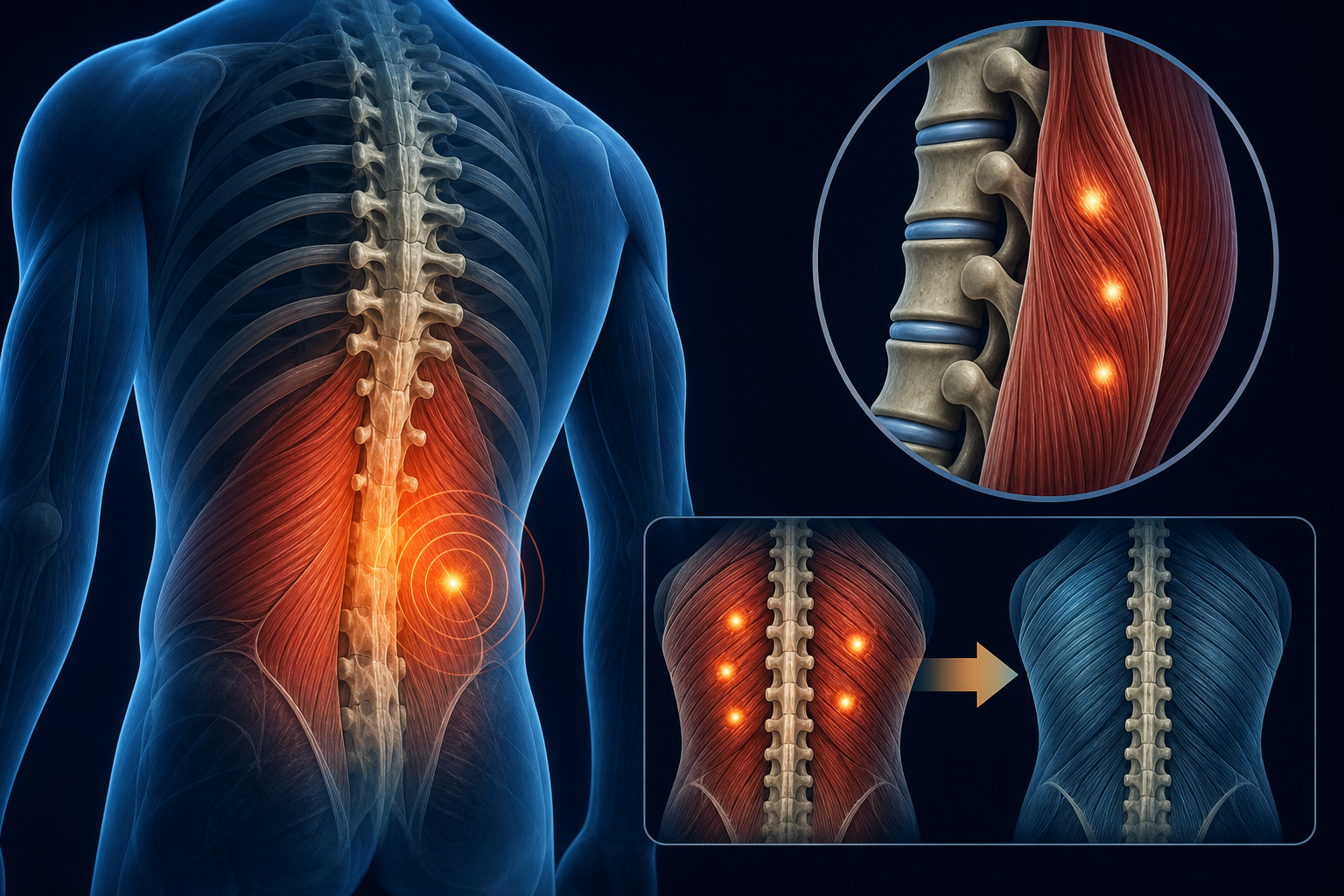
For patients recovering from soft-tissue injuries, whiplash, or musculoskeletal trauma, this is significant. Chiropractic care and physical therapy after a car accident are expressly covered under New York no-fault, and most policies include them without requiring a referral to get started.
Where Medicaid Fits In: Secondary Coverage, Not Primary
If you have Medicaid and you are in a car accident, Medicaid is not your first payer. Federal and New York State Medicaid rules require that any other available insurance — including no-fault auto coverage — must be billed and exhausted before Medicaid steps in. This is called the third-party liability (TPL) rule, and it applies in every state.
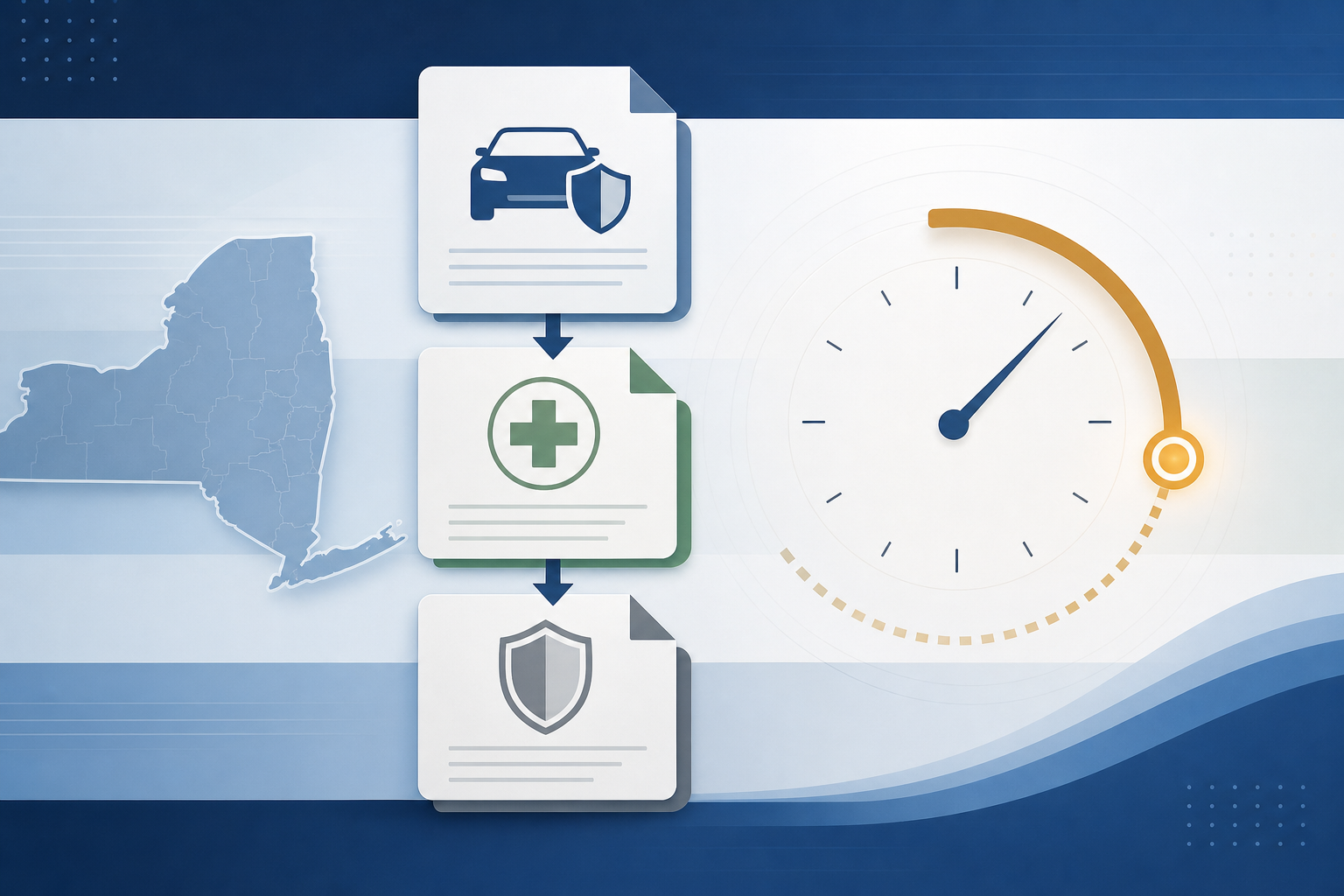
In practical terms: your auto insurer's no-fault coverage pays first. Medicaid may cover what's left over, subject to its own coverage rules, only after no-fault benefits have been applied or exhausted.
This sequencing matters because providers who bill Medicaid first — skipping no-fault — are billing incorrectly. That error can create claim denials, delays in your care, and potential compliance problems for the provider. If you're a Medicaid patient seeking treatment after an accident, it helps to understand this order so you can ask the right questions when you walk into a clinic.
What If the Vehicle Owner Had No Auto Insurance?
If the vehicle involved in your accident was uninsured, New York has a backstop: the Motor Vehicle Accident Indemnification Corporation (MVAIC). MVAIC provides no-fault benefits to eligible individuals — including pedestrians and cyclists — who are injured by uninsured or hit-and-run vehicles. Medicaid patients may still access MVAIC coverage as their primary payer before Medicaid is billed. Eligibility and filing requirements apply, so consulting a licensed attorney or patient advocate about your specific situation is advisable.
The 30-Day No-Fault Election Deadline: A Critical Date for Medicaid Recipients
One of the most consequential — and least publicized — rules in New York no-fault law involves a specific election available to Medicaid recipients. Under New York Insurance Law, a Medicaid enrollee who is injured in a car accident may, within 30 days of the accident, elect to have Medicaid serve as the primary payer for accident-related medical expenses instead of going through the no-fault system.
This option exists because the no-fault claims process can be slow: insurers have the right to conduct examinations under oath, request independent medical examinations (IMEs), and deny or reduce claims. For a Medicaid patient who needs ongoing chiropractic or physical therapy care, waiting on no-fault approvals can interrupt treatment.
However, making this election is not automatic and is not always the right choice. It involves notifying both the auto insurer and Medicaid, and it may affect any potential personal-injury claim related to the accident. If you are thinking about this option, speaking with a patient advocate or a licensed attorney before the 30-day window closes is strongly recommended. Missing that deadline typically means no-fault remains primary, and Medicaid must wait.
Learn more about how no-fault insurance works for chiropractic patients in New York to understand what the claims process typically looks like.
What Happens When No-Fault Benefits Run Out?
New York's minimum no-fault limit is $50,000 per person, which may sound like a lot — but serious injuries involving extended chiropractic care, physical therapy, imaging, and specialist visits can exhaust that amount. When your no-fault benefits are used up, the question of who pays next depends on your situation:
- Medicaid may cover continued medically necessary treatment, subject to its own coverage rules and managed care plan terms.
- A personal-injury lawsuit or settlement may eventually reimburse some costs, though any Medicaid payments may be subject to a lien — meaning Medicaid can seek repayment from a settlement. Laws vary, and a licensed attorney can advise you on lien rules in your specific case.
- Some providers will continue treating patients on a lien basis while a legal matter is pending. This is a separate arrangement between you and the practice, and not all providers offer it.
The most important thing is not to stop treatment simply because you are unsure who will pay. A gap in care can affect both your recovery and any legal claim you may have. Find a chiropractor in New York who is experienced with no-fault and Medicaid billing to avoid coverage gaps.
Managed Medicaid vs. Fee-for-Service Medicaid After an Accident
Not all Medicaid in New York works the same way. Most New York Medicaid enrollees are in a managed care plan — a Medicaid managed care organization (MCO) like Fidelis Care, HealthFirst, MetroPlus, or Healthfirst. A smaller group of enrollees remains in fee-for-service (FFS) Medicaid, which is administered directly by the state.
This distinction matters for accident-related care:
- In managed Medicaid, your plan may have its own network requirements, referral rules, and authorization processes for physical therapy or chiropractic care — even when no-fault is primary. Once no-fault is exhausted, your plan's network rules govern what's covered.
- In fee-for-service Medicaid, coverage is generally broader in terms of provider choice, but coverage for chiropractic services under FFS Medicaid is limited compared to what no-fault covers. Physical therapy tends to have better FFS coverage.
Before assuming your Medicaid plan will cover continued care after no-fault is exhausted, contact your plan's member services line to verify which services require prior authorization and which providers are in-network.
Finding a Provider Who Accepts Both Medicaid and No-Fault
Not every chiropractic or physical therapy practice in New York accepts both no-fault and Medicaid. Providers who work with personal-injury patients are familiar with the no-fault billing cycle — including submitting NF-3 or NF-4 forms, responding to verification requests, and appealing IME denials. Practices that also accept Medicaid understand how to coordinate benefits correctly, billing no-fault first and Medicaid second.
When you are looking for a provider after an accident, it is worth asking directly:
- Do you accept New York no-fault insurance?
- Do you accept my specific Medicaid managed care plan?
- How do you handle billing when no-fault is primary?
- What happens to my care if no-fault benefits are exhausted?
Search for physical therapists in New York who have experience with no-fault and Medicaid cases, or browse chiropractors in New York who accept both insurance types.
Common Billing Mistakes That Can Delay Your Care
Billing errors in no-fault and Medicaid cases are unfortunately common, and they fall into predictable patterns. Being aware of them can help you catch problems early:
Billing Medicaid as Primary When No-Fault Is Available
This is the most frequent error. Medicaid will deny or recoup payments if it discovers that no-fault coverage existed and was not billed first. The provider — not you — is responsible for billing correctly, but a denial can delay your authorization for continued care.
Missing the No-Fault Application Deadline
Patients have 30 days from the accident to submit a no-fault application (NF-2 form) to the auto insurer. Missing this deadline can result in a denial of no-fault benefits entirely, which then affects what Medicaid is asked to cover and how quickly it can authorize care.
Failure to Notify Medicaid of a Third-Party Recovery
If you receive a personal-injury settlement, you are generally required to notify Medicaid. New York Medicaid has a right to seek recovery of what it paid for accident-related care from any settlement proceeds. Failing to do so can create serious legal and financial complications.
Read more about how no-fault billing works for chiropractic and PT practices in New York to understand what your provider should be doing on your behalf.
Rights for Non-English Speakers After an Auto Accident in New York
New York State law and Medicaid regulations require that patients with limited English proficiency have access to language assistance services — at no cost — when seeking medical care or navigating insurance processes. If English is not your primary language, you have the right to:
- Request an interpreter from your Medicaid managed care plan when calling member services or attending appointments
- Receive translated notices and explanation-of-benefits documents in your preferred language
- Have a provider's office use a qualified interpreter (not a family member, unless you specifically request one) for clinical conversations
When dealing with a no-fault insurer, you can also request that correspondence and claim forms be provided in your language. If an insurer or provider is not accommodating language access needs, filing a complaint with the New York State Department of Financial Services or the New York State Department of Health is an option — though consulting a patient advocate or legal aid organization about your specific situation is advisable before taking that step.
When to See a Provider — and How Soon After an Accident
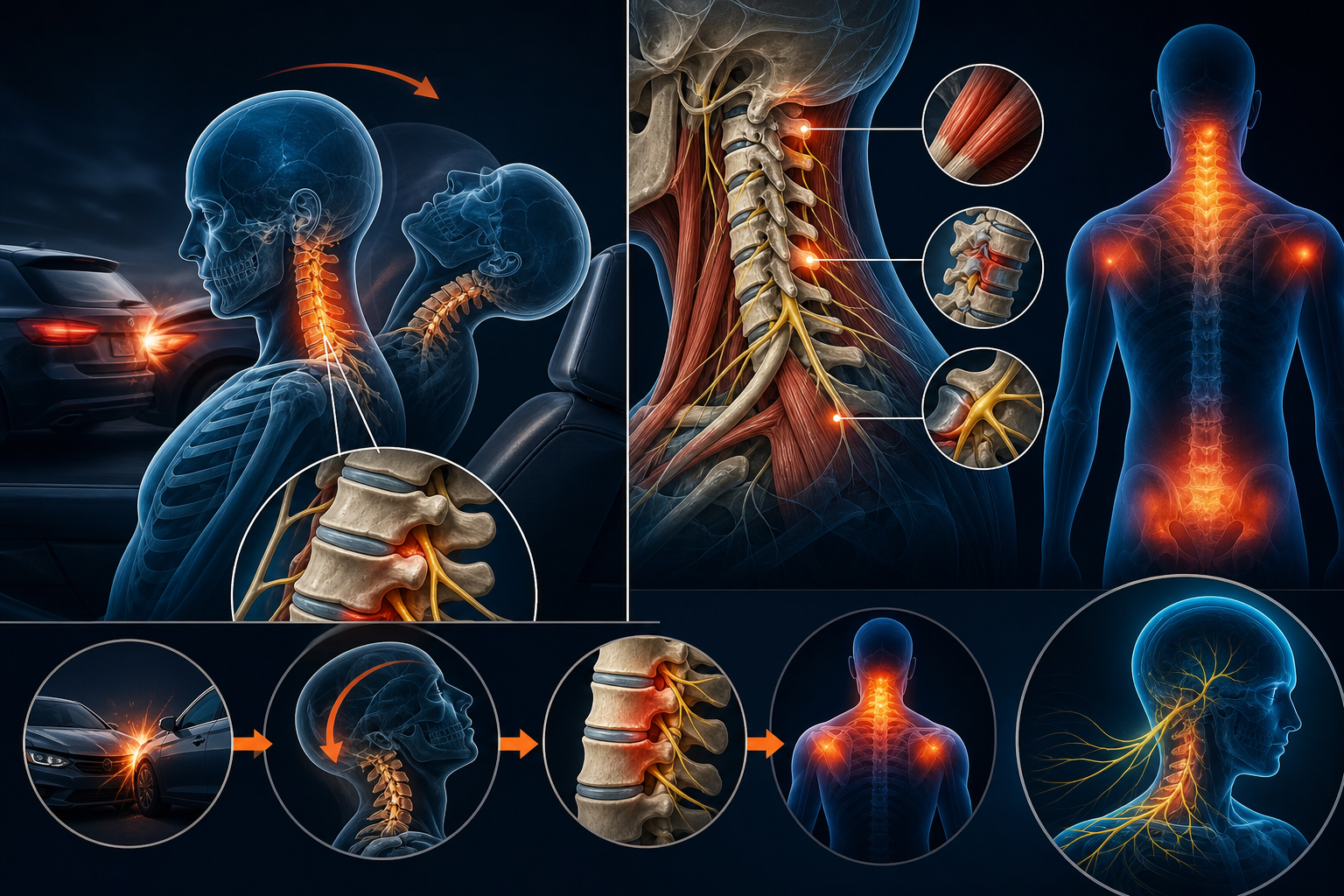
From a medical standpoint, seeking evaluation promptly after a motor vehicle accident — ideally within the first 24 to 72 hours — is associated with better outcomes for soft-tissue injuries. Symptoms like neck pain, back pain, headache, and stiffness often intensify in the days following a collision as inflammation develops, and early intervention may help limit the severity of that progression.
From a coverage standpoint, prompt evaluation also creates a contemporaneous medical record that documents the connection between the accident and your injuries. Delays in seeking care — even a week or two — can give insurers a basis to question whether your injuries are accident-related.
If you are unsure where to start, search for providers on Medximity who specialize in auto accident recovery and are experienced with both no-fault and Medicaid billing. You can filter by location, specialty, and insurance accepted.
Frequently Asked Questions
Does Medicaid cover car accident treatment in New York?
Medicaid can cover accident-related treatment in New York, but it is almost always the secondary payer — not the primary. New York's no-fault insurance system requires that auto insurance PIP benefits be billed first. Medicaid may cover eligible services after no-fault has been applied or exhausted, subject to your plan's coverage rules.
What is the 30-day no-fault election deadline for Medicaid recipients in New York?
Within 30 days of an accident, a Medicaid enrollee may elect to have Medicaid serve as the primary payer for accident-related medical expenses instead of using no-fault insurance first. This election is not automatic and has significant implications for your care and any related legal claim. Speaking with a patient advocate or licensed attorney before making this election is strongly advisable.
What happens when my no-fault benefits run out in New York?
Once no-fault PIP benefits are exhausted, Medicaid may cover continued medically necessary treatment, depending on your plan and the services needed. In some cases, providers may treat patients on a lien basis while a personal-injury case is pending. If Medicaid paid for accident-related care and you later receive a settlement, Medicaid may assert a lien to recover what it paid.
Can I find a chiropractor near me that accepts both Medicaid and no-fault in New York?
Yes. Many chiropractic and physical therapy practices in New York accept both no-fault insurance and Medicaid. When searching for a provider, ask specifically whether they accept your Medicaid managed care plan and are experienced with no-fault billing. Medximity's provider directory lets you search by specialty and insurance type.
Does my Medicaid managed care plan cover chiropractic care after an accident?
Coverage varies by plan. While no-fault insurance broadly covers chiropractic care for accident-related injuries, your managed Medicaid plan's coverage of chiropractic services after no-fault is exhausted depends on your specific plan's benefits. Contact your plan's member services line to verify network requirements and authorization rules before beginning or continuing treatment.
What are my rights as a non-English-speaking patient dealing with no-fault and Medicaid after an accident?
New York law and Medicaid regulations require language access services at no cost to patients with limited English proficiency. You have the right to an interpreter when calling your Medicaid plan or attending medical appointments, and to receive translated documents. No-fault insurers are also expected to accommodate language access needs. If you are not receiving these services, a patient advocate or legal aid organization can help you understand your options.
Is physical therapy after a car accident covered by Medicaid in New York?
Physical therapy is generally covered under New York no-fault insurance as a medically necessary service following an accident. Once no-fault benefits are exhausted, Medicaid — whether managed care or fee-for-service — may cover continued physical therapy if it meets medical necessity criteria and your plan's authorization requirements. Coverage specifics depend on your individual plan.
Key Takeaways
- In New York, no-fault auto insurance pays for accident-related medical care first. Medicaid is a secondary payer, not the primary.
- Medicaid recipients have a 30-day window after an accident to elect Medicaid as primary payer — a decision with significant consequences that warrants professional guidance.
- When no-fault benefits are exhausted, Medicaid may cover ongoing care, but your managed care plan's specific rules apply.
- Billing errors — especially billing Medicaid before no-fault — are common and can delay your care. Choose providers experienced with both insurance types.
- Seek evaluation promptly after an accident. Early treatment is associated with better outcomes and creates an important medical record.
- Non-English-speaking patients have the right to language assistance services from both their Medicaid plan and medical providers at no cost.
- If Medicaid covers accident-related costs and you later receive a settlement, Medicaid may have a right to recover what it paid. Consult a licensed attorney about lien rules.