Educational note: This article provides general educational information and is not a diagnosis or a substitute for professional medical advice. Discuss your symptoms, health history, and care options with a qualified healthcare professional. If you have severe or concerning symptoms, seek urgent or emergency medical care promptly.
These chiropractic FAQs for new patients answer common questions before a first appointment. Chiropractic care is a conservative, hands-on approach focused on the spine, joints, muscles, posture, and movement. A chiropractor may recommend adjustments, soft-tissue work, stretching, exercise guidance, ergonomic education, or coordination with other conservative providers.
What Is Chiropractic Care?
If you are wondering what does a chiropractor do, chiropractors evaluate and help manage many musculoskeletal concerns without invasive procedures. Care often focuses on joint mobility, muscle tension, movement patterns, and daily activities that may contribute to discomfort. Recommendations should be individualized based on exam findings, health history, and goals.
Some chiropractors emphasize general spine and extremity care, while others focus on specific approaches such as upper cervical care. For related reading, Medximity offers resources on neck pain treated by chiropractic doctors and upper cervical chiropractic care for headaches.
What Do Chiropractors Commonly Help Patients Manage?
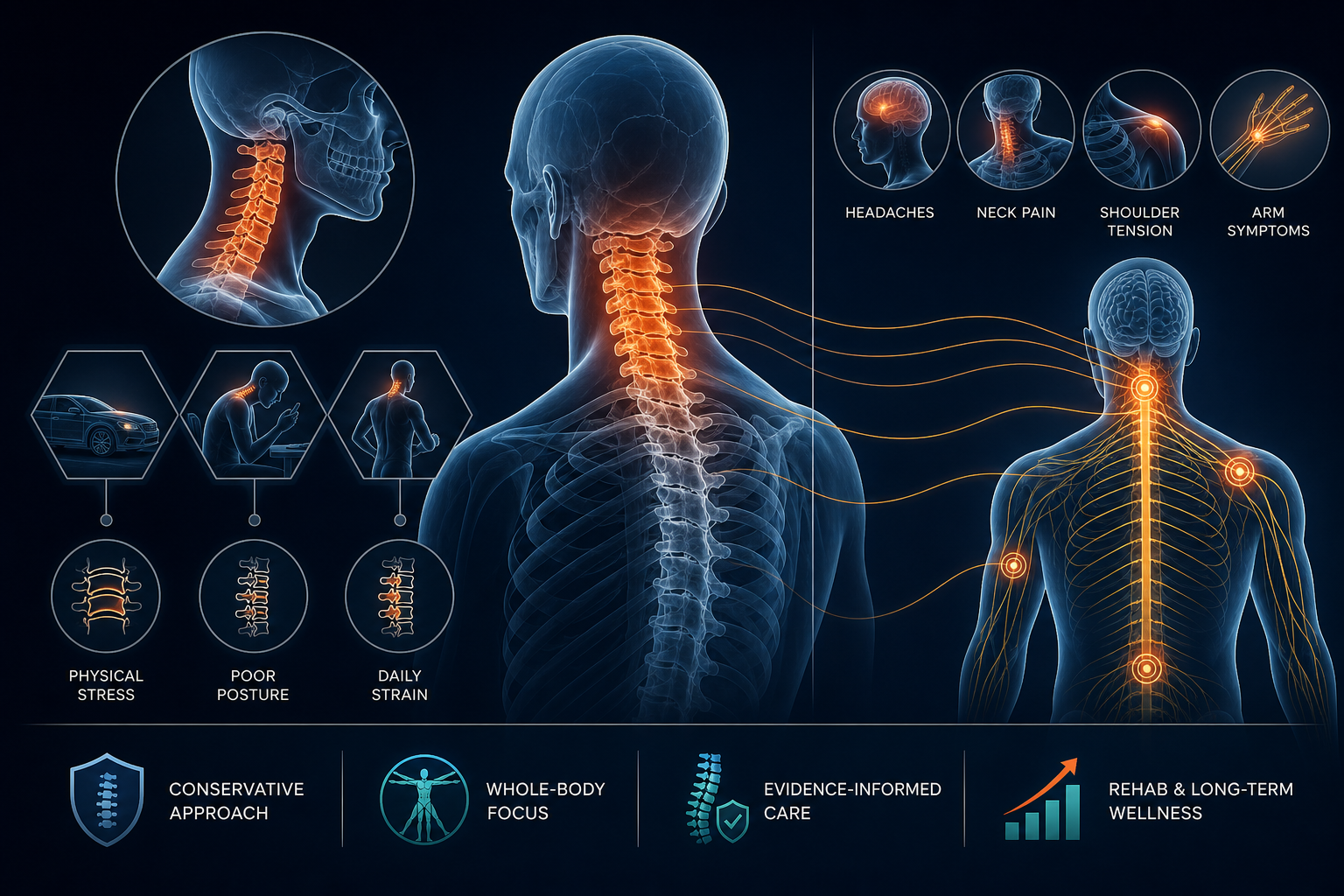
Conditions chiropractors commonly help manage include back pain, neck pain, joint stiffness, muscle tightness, tension-related headaches, posture-related discomfort, and reduced mobility after everyday strain. Some patients also seek chiropractic care as part of a broader wellness or rehabilitation plan after a minor injury, work-related strain, or vehicle collision.
Chiropractic care does not replace medical evaluation when symptoms suggest a more serious condition. It may be one part of a conservative plan that includes physical therapy, massage therapy, exercise, stretching, nutrition, improved sleep habits, or workstation changes. Medximity also provides educational articles on vertigo and chiropractic treatment and fibromyalgia management with chiropractic.
What Happens During a First Chiropractic Visit?
Many people ask what happens at first chiropractic visit appointments. Although the process varies by office, a first visit commonly includes a health history, discussion of symptoms and goals, review of prior injuries, posture and movement assessment, and orthopedic or neurologic screening when appropriate. The chiropractor may explain findings and discuss whether chiropractic care appears appropriate or whether another healthcare evaluation is needed first.
Your first visit may or may not include treatment. Some offices begin care the same day when findings support it; others wait until records, imaging reports, or additional information are reviewed. You should have time to ask questions before hands-on care begins.
Are Chiropractic Adjustments Safe?
Patients often ask are chiropractic adjustments safe for adults. Most adults tolerate chiropractic care well when it is provided by a licensed chiropractor after an appropriate evaluation. However, no hands-on treatment is appropriate for every person. Safety depends on your health history, symptoms, examination findings, technique used, and whether any red flags are present.
A chiropractor should ask about prior injuries, bone health, neurologic symptoms, recent trauma, major medical conditions, pregnancy status when relevant, and other factors that may affect care. Treatment can often be modified, or a referral may be recommended when chiropractic care is not the right starting point.
Does Chiropractic Care Hurt?
Another common question is does a chiropractic adjustment hurt. Many patients describe adjustments as pressure, movement, or a brief release rather than pain. Some people feel temporary soreness after care, similar to how muscles may feel after new activity, while others feel little soreness.
Tell the chiropractor if a position, pressure level, or technique feels uncomfortable. Chiropractic care can often be adjusted to fit your tolerance, body size, mobility, and preferences.
How Many Chiropractic Visits Might Be Needed?
There is no single answer to how many chiropractic visits are needed. Visit frequency may depend on how long symptoms have been present, the type of concern, exam findings, daily physical demands, response to care, and whether home exercises or ergonomic changes are part of the plan.
A responsible care plan should include goals, a reasonable reassessment point, and an explanation of what progress may look like. Some patients need only a short course of care, while others with recurring mechanical stressors may benefit from periodic follow-up. Individual results vary, and ongoing care should be based on clinical need and patient goals.
What Should You Tell a Chiropractor Before Treatment?
If you are unsure what to tell chiropractor before treatment, start with a complete and honest health history. Share when symptoms began, what makes them better or worse, recent falls or collisions, prior spine or joint injuries, prior imaging or test results, current healthcare providers, and current medications or supplements. Do not change clinician-directed treatment without speaking with the prescribing provider.
Also mention numbness, tingling, weakness, dizziness, balance problems, headaches that are new or unusual for you, fever, unexplained weight loss, or symptoms affecting bowel or bladder control. These details help the chiropractor decide whether conservative care is appropriate or whether medical evaluation is needed.
Can Chiropractic Care Be Combined With Physical Therapy or Massage?
Chiropractic care and physical therapy together may be considered when a patient needs both joint mobility work and structured rehabilitation. Massage therapy may also support relaxation, soft-tissue comfort, and movement tolerance for some people. Coordination among providers can help keep goals aligned and reduce duplicated or conflicting recommendations.
For example, a patient with back strain may receive chiropractic care for mobility, physical therapy for strengthening and movement retraining, and massage therapy for muscle tension. The specific combination should be based on the patient’s needs and provider recommendations.
When Should You Seek Urgent or Emergency Medical Care?
Knowing when to seek emergency care for back pain is important. Seek immediate medical attention for back or neck pain after significant trauma, new or worsening weakness, loss of bowel or bladder control, numbness in the groin or saddle area, fever with severe spinal pain, chest pain, shortness of breath, fainting, or a sudden severe headache that is unusual for you. These symptoms require prompt medical assessment.
If symptoms are not urgent but are persistent, worsening, or interfering with normal activities, schedule an evaluation with a qualified healthcare professional. Chiropractic care may be appropriate for some musculoskeletal concerns, but red-flag symptoms should be addressed first.
How to Choose a Chiropractor
Searching for a chiropractor near me for back pain can produce many options. Look for a licensed provider who performs a thorough intake, explains findings clearly, welcomes questions, discusses risks and alternatives, and adapts care to your comfort level. If you have a complex health history, ask whether the office coordinates with physical therapists, primary care clinicians, imaging centers, or other conservative care providers.
Convenience matters, but it should not be the only factor. Choose an office that gives you time to understand your care plan and does not pressure you into treatment before your questions are answered.
Questions to Ask Before Starting Chiropractic Care
Helpful questions to ask a chiropractor before treatment include: What may be contributing to my symptoms? What techniques do you recommend and why? Are there reasons chiropractic care may not be appropriate for me? How will we measure progress? When will we reassess? What should I do at home between visits? Should I also consider physical therapy, massage, stretching, or ergonomic changes?
Clear answers can help you feel informed and comfortable. Chiropractic care is most useful when it is individualized, conservative, and coordinated with the rest of your healthcare needs.