After a car accident, your body may be dealing with more than it's letting on. The adrenaline of the crash can mask pain for hours — sometimes days — and injuries like whiplash, herniated discs, and soft-tissue strains often don't fully announce themselves until inflammation has had time to set in. If you've been searching for auto-accident injury physical therapy near me, you're already taking one of the most important steps in your recovery.
This guide covers everything from what physical therapy actually does for crash-related injuries, to how long treatment typically takes, to what questions you should ask before choosing a provider.
Why Physical Therapy After a Car Accident Matters
Physical therapy after a car accident is not simply about managing pain — it's about restoring the function your body had before the crash. Collision forces, even at relatively low speeds, can overstretch ligaments, compress spinal discs, strain muscles, and disrupt the normal movement patterns your nervous system depends on. Left unaddressed, these changes can become chronic problems.
Research consistently suggests that early, guided movement is associated with better outcomes for soft-tissue injuries than prolonged rest. A licensed physical therapist can assess what structures are involved, design a treatment plan matched to your specific presentation, and progress that plan as your tissues heal — something no amount of rest alone can do.
Why Start Physical Therapy Immediately After an Accident
Timing matters. Starting physical therapy within the first week or two after a collision — once your provider has confirmed there are no fractures or other contraindications — may support faster recovery and reduce the risk of pain becoming a long-term issue. Early intervention gives your therapist a clearer picture of your baseline function and lets treatment keep pace with how your body is healing. Waiting weeks before seeking care can allow scar tissue to develop and compensatory movement habits to take hold, both of which make recovery longer and more complex.
Learn more about when to see a physical therapist after an injury on the Medximity blog.Common Injuries Physical Therapy Treats After a Car Crash
No two accidents produce identical injuries, but several patterns appear regularly in post-collision physical therapy practices.
Neck Pain and Stiffness After a Car Accident (Whiplash)
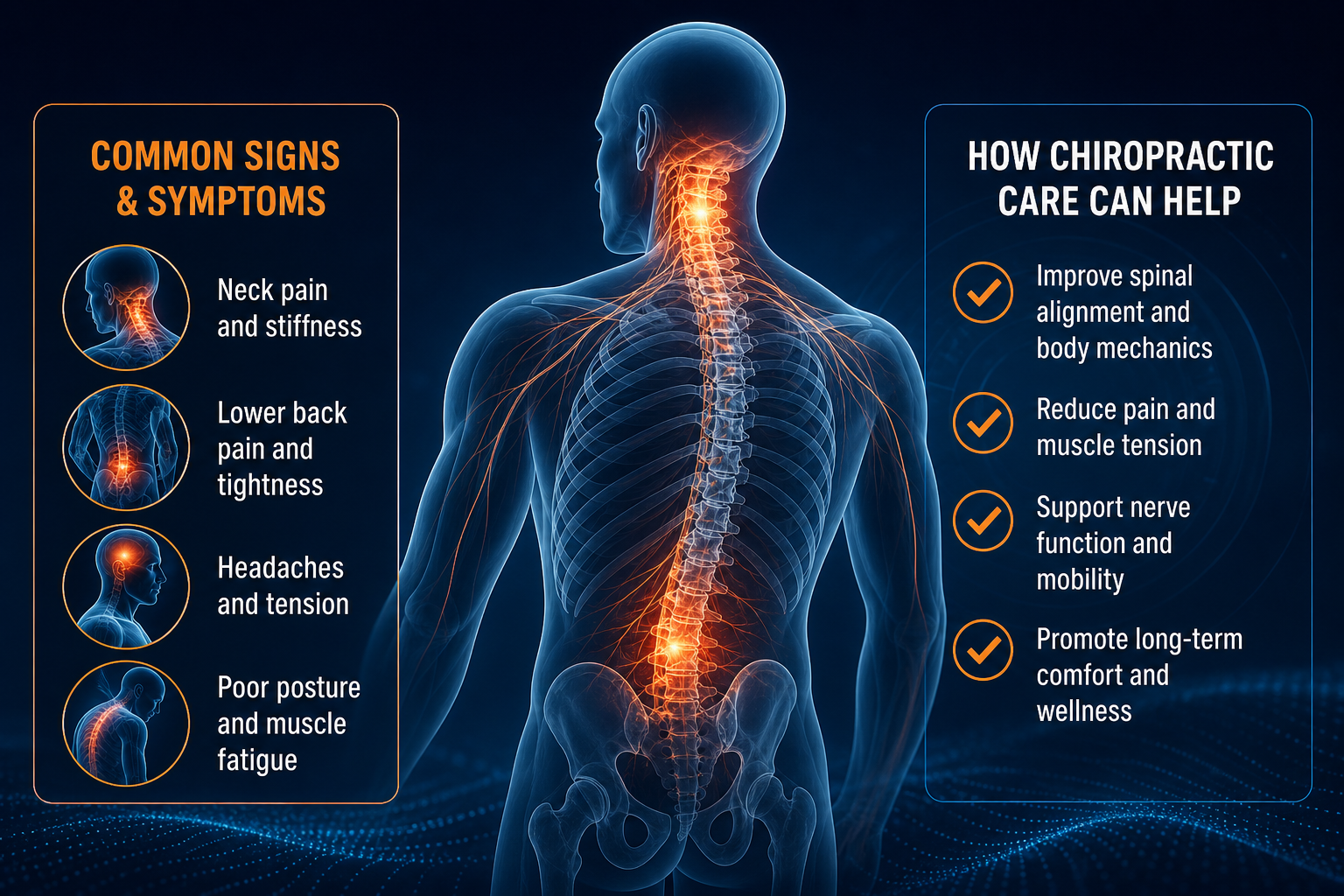
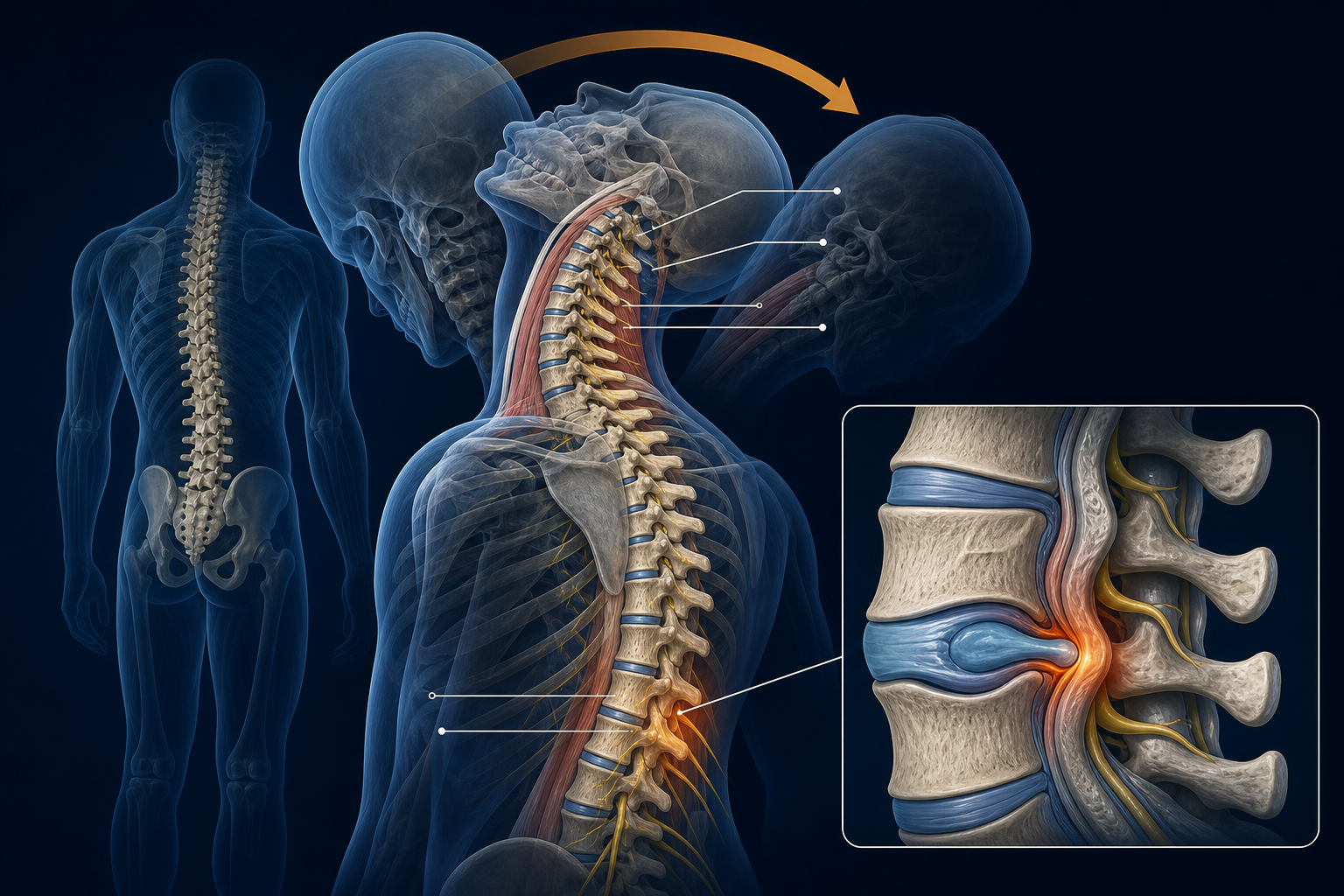
Whiplash — the rapid back-and-forth motion of the neck during a rear-end or frontal impact — is the most frequently reported auto-accident injury. Symptoms may include neck pain and stiffness after a car accident, headaches that start at the base of the skull, reduced range of motion, shoulder tension, and in some cases tingling or numbness into the arms. Physical therapy for whiplash typically involves manual therapy to restore joint mobility, targeted strengthening of the deep cervical muscles, and postural correction to take load off healing tissues.
Back Pain After a Car Accident
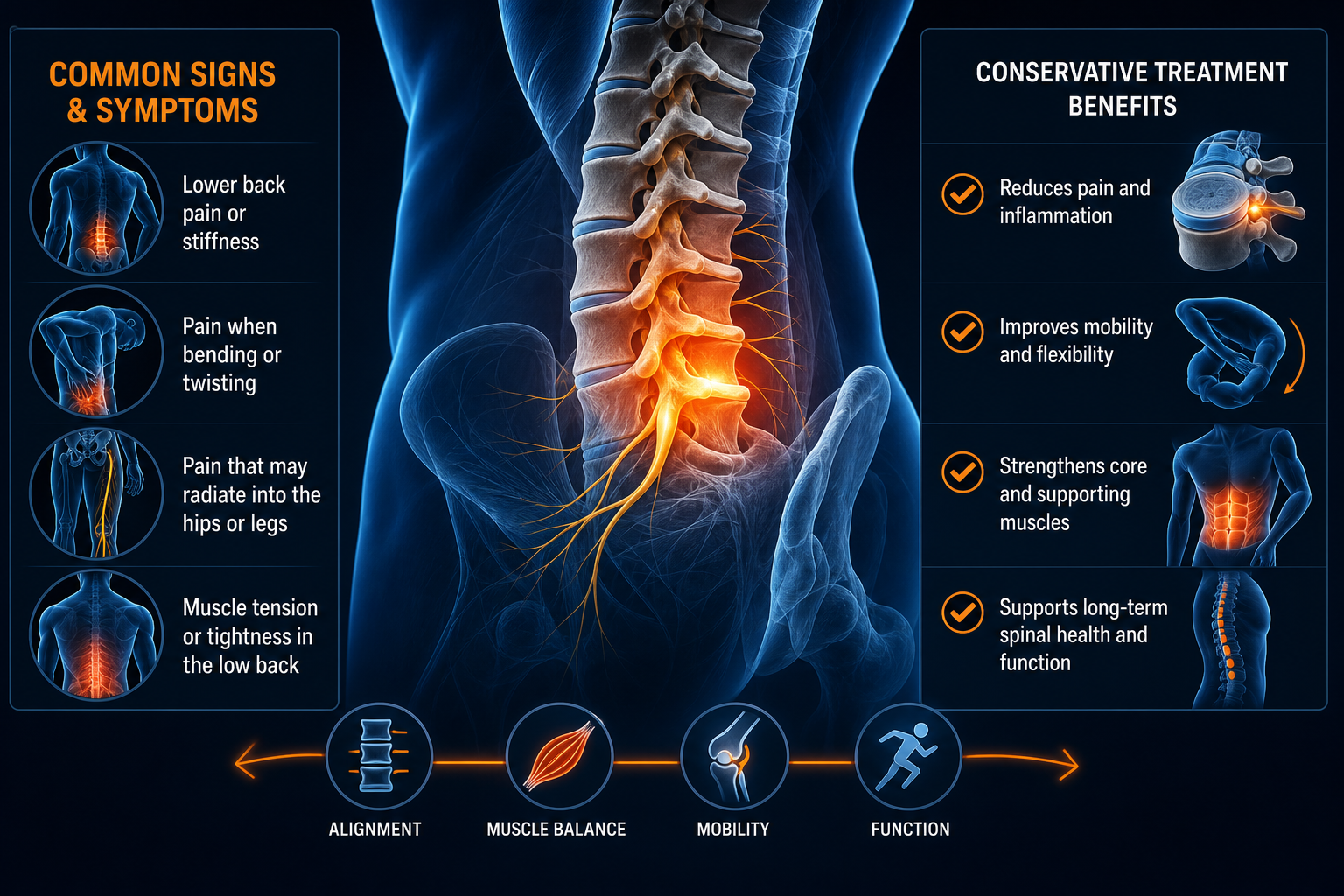
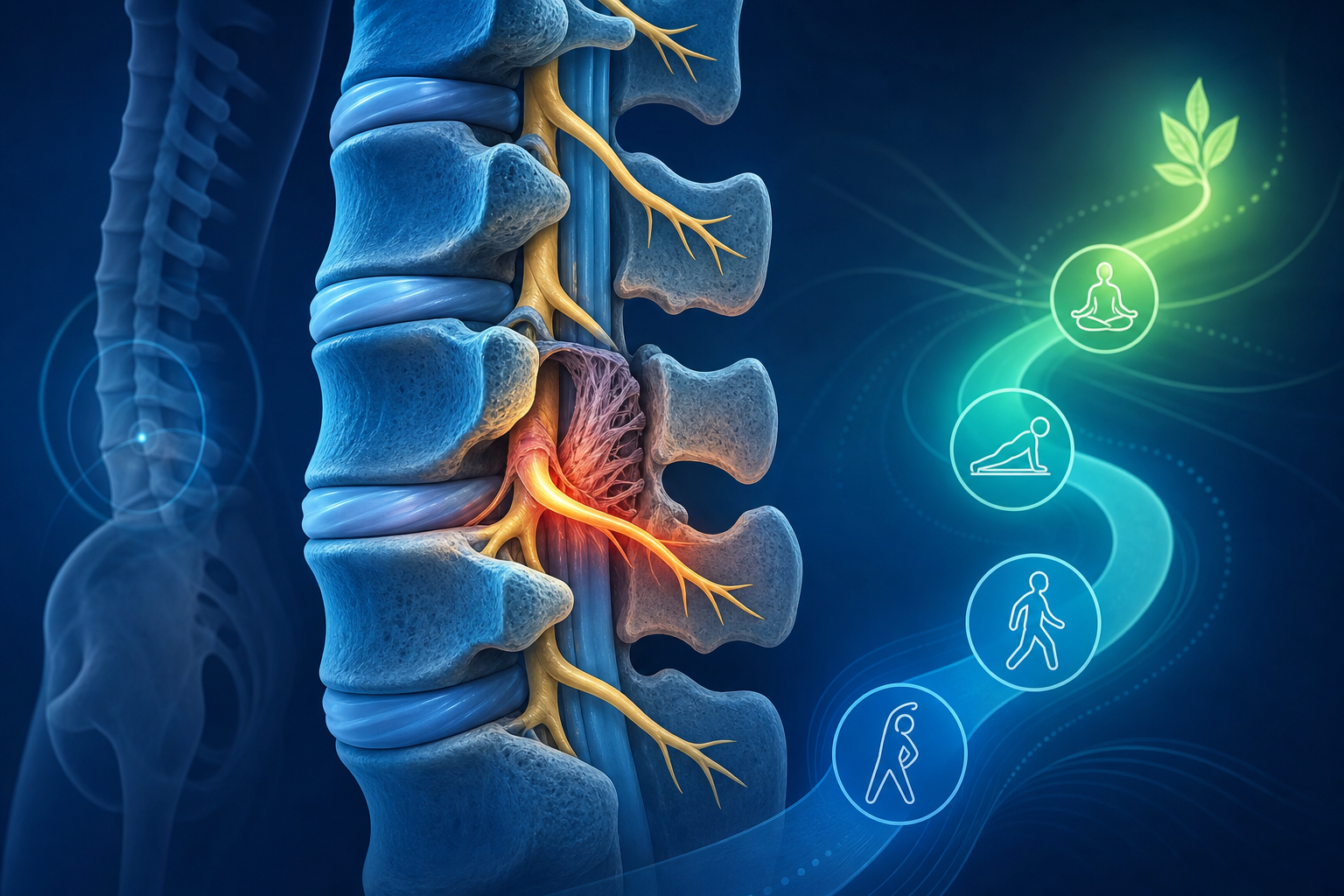
The lumbar spine absorbs significant force during a collision. Compression, shearing, and rotational forces can strain the muscles and ligaments of the lower back or stress the intervertebral discs. Many patients want to know how to fix back pain from a car accident without surgery, and for the majority of soft-tissue and disc-related injuries, physical therapy is a realistic and effective first path. Manual therapy, core stabilization, and gradual loading exercises are cornerstones of non-surgical back-pain management.
Explore physical therapists who treat lower back pain on Medximity.Shoulder, Hip, and Knee Injuries
Bracing against a steering wheel, seat belt loading across the chest and pelvis, or the body's own protective muscle contractions can strain or injure the shoulder girdle, hip, and knee joints. Physical therapists assess these injuries with movement screens and functional tests to identify where mobility is limited and where stability has been compromised.
What to Expect at Your First Physical Therapy Appointment After a Crash
Understanding what to expect at your first physical therapy appointment after a crash can reduce anxiety and help you get more out of the visit.
Your first session is primarily an evaluation. The therapist will review your intake paperwork, ask detailed questions about the accident, your symptom timeline, and any prior injuries or conditions. They will then conduct a hands-on physical examination: observing your posture, testing your range of motion, assessing strength and neurological signs, and palpating tissues to identify areas of tenderness or restriction.
Treatment may begin in the same session or at the next visit, depending on how your evaluation goes. You should leave with a clear sense of your working diagnosis, your proposed treatment plan, and how frequently sessions are recommended.
Is It Normal to Feel Worse After the First PT Session?
Yes — and this is one of the most common concerns patients raise. Mild soreness for 24 to 48 hours after the first few sessions is normal and expected, especially when joints that have been guarded and inflamed are moved through ranges they haven't visited in days or weeks. This is different from a sharp increase in the original injury pain, which warrants a call to your therapist. If soreness is manageable and fades within a day or two, it's generally a sign that tissues are responding to treatment.
Read our guide to what's normal during physical therapy recovery.How Long Does Physical Therapy Take After an Auto Accident?
One of the first questions patients ask is how long PT takes after an auto accident. The honest answer is that it depends on several factors: the severity and type of injury, how quickly you started care, your overall health and fitness baseline, and how consistently you complete your home exercise program between sessions.
For mild to moderate whiplash and soft-tissue injuries, many patients see meaningful improvement within six to eight weeks of consistent treatment. More complex injuries — significant disc involvement, multiple areas affected, or delayed treatment onset — may require three to six months of guided rehabilitation. Your physical therapist should be able to give you a reasonable timeline estimate after the initial evaluation and should update it as your progress becomes clearer.
Does Car Insurance Cover Physical Therapy Sessions?
Does car insurance cover physical therapy sessions? In most cases, yes — but the mechanism varies by state and policy type.
In no-fault states, your own Personal Injury Protection (PIP) coverage pays for medical treatment regardless of who caused the accident, up to your policy limits. In at-fault states, the at-fault driver's liability insurance may be responsible for your medical bills. Some patients also use their own health insurance and seek reimbursement later. Because these arrangements vary significantly by jurisdiction and policy, it's worth clarifying your coverage with your insurance carrier — and, if you have legal representation, with your attorney — before beginning treatment. Laws and deadlines around injury claims vary by state.
See how insurance typically works for conservative care after a car accident.How to Find the Best Physical Therapist for Car Accident Injuries
Not every physical therapy practice has deep experience with post-collision cases. When you're looking for the best physical therapist for car accident injuries, there are a few things worth considering.
Look for Relevant Experience
Ask whether the clinic regularly treats motor-vehicle-accident patients. Providers who work frequently with personal-injury cases tend to understand documentation requirements, PIP billing, and the progression of trauma-related injuries in ways that general orthopedic practices may not.
Assess Communication and Individualization
A good physical therapist listens carefully to your history, explains what they're finding and why, and adjusts your plan as you respond. If a provider assigns you the same generic exercises as everyone else on day one without a proper evaluation, that's a concern.
Warning Signs of a Bad Physical Therapist After an Accident
Watch for these warning signs of a bad physical therapist after an accident: no hands-on evaluation at the first visit; sessions that are entirely unsupervised from the start; a therapist who cannot explain the rationale behind your exercises; dismissiveness about your symptoms; or pressure to continue treatment without any measurable progress being discussed. You should feel that each session has a purpose and that you're part of the conversation about your care.
Search for experienced physical therapists near you on Medximity.Physical Therapy Treatment for Neck Pain After an Accident: What Techniques Are Used
For patients dealing with physical therapy treatment for neck pain after an accident, treatment typically draws from a toolkit of evidence-supported techniques:
- Manual therapy — hands-on joint mobilization and soft-tissue techniques to reduce pain and restore mobility
- Therapeutic exercise — progressive strengthening of the deep cervical flexors and rotator muscles that support the cervical spine
- Neuromuscular re-education — restoring the coordination between muscles that was disrupted by the injury
- Postural training — addressing forward head posture and thoracic stiffness that often accompany whiplash
- Modalities — therapeutic ultrasound, electrical stimulation, or heat and ice may be used to manage pain and inflammation during early recovery, though they are typically adjuncts rather than the core of treatment
Taking the Next Step
If you were recently in a car accident and are experiencing pain, stiffness, or any symptoms that feel off, the best thing you can do is get evaluated by a licensed physical therapist — and do it sooner rather than later. Recovery after a collision is not linear, and it's not something that rest alone reliably resolves. But with the right provider and a consistent plan, many patients return to their pre-injury function and feel genuinely better.
Use the Medximity directory to find a physical therapist in your area who has experience with auto-accident injuries, accepts your insurance, and can see you quickly.
Search for auto-accident injury physical therapists near you.