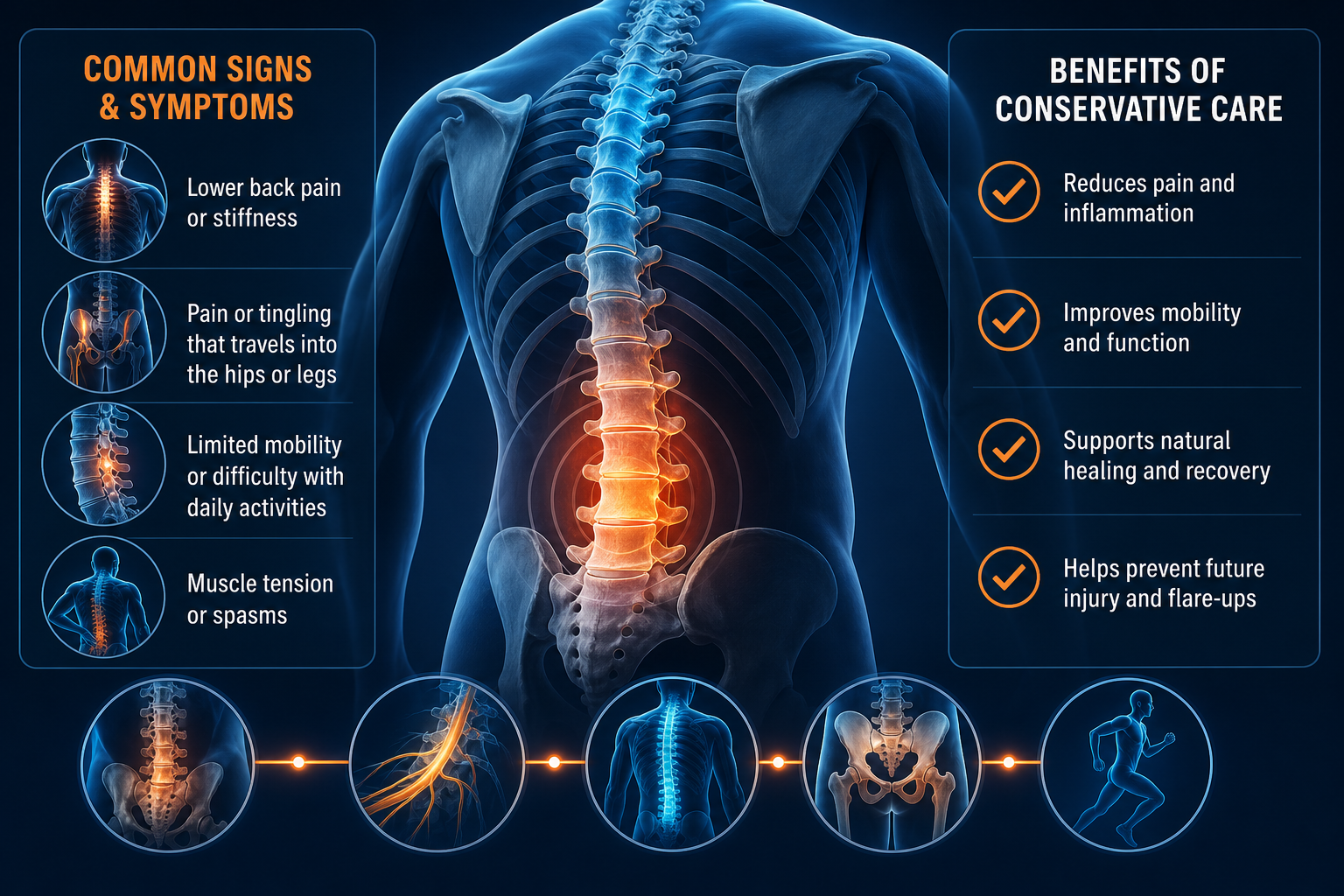
If you are searching for walk-in chiropractic care near you, you may be dealing with pain or stiffness that came on quickly and you do not want to wait several days for an appointment. Walk-in chiropractic clinics and same-day chiropractors may offer evaluation and conservative care for common musculoskeletal concerns such as sudden back pain, neck stiffness, headaches associated with neck tension, or discomfort after awkward movement.
Chiropractic care is not a substitute for emergency medical care. Some symptoms need urgent evaluation first. But for many non-emergency spine, joint, and soft-tissue complaints, a walk-in chiropractor can help assess what may be contributing to your symptoms, explain appropriate options, and begin a conservative care plan when it is clinically reasonable.
To compare nearby providers, start with Medximity’s directory for chiropractors near you. You can also use related resources on back pain, neck pain, and first visits to prepare before you go.
What Is Walk-In Chiropractic Care?
Walk-in chiropractic care means a chiropractic office may see patients without a long-standing scheduled appointment, often on the same day. Some clinics reserve time for urgent musculoskeletal complaints. Others accept walk-ins during specific hours or allow online same-day booking.
A walk-in chiropractor may evaluate spine and joint movement, posture, muscle tightness, neurological signs such as reflexes or sensation when appropriate, and how your pain responds to certain positions or motions. Depending on the findings, conservative treatment may include chiropractic adjustment, gentle mobilization, soft-tissue therapy, stretching guidance, ergonomic education, or referral to another provider if symptoms suggest a problem outside the chiropractor’s scope.
If you are wondering what is walk-in chiropractic care, the key difference is access. The clinical standards should still be the same. A same-day visit should include a history, exam, informed consent, and a clear explanation of recommended care rather than a rushed treatment-only encounter.
When Same-Day Chiropractic Care May Make Sense
People often look for a same day chiropractor near me when discomfort interferes with work, sleep, driving, or daily movement. Same-day chiropractic care may be appropriate for non-emergency symptoms such as:
- Back stiffness after lifting, sitting, travel, or a workout
- Neck pain when turning the head, especially after sleeping awkwardly
- New but mild-to-moderate lower back pain without major red flags
- Muscle spasm or tightness that limits comfortable movement
- Recurring pain that feels similar to prior mechanical flare-ups
- Joint restriction or reduced range of motion
A chiropractor for sudden back pain may help identify whether the pain appears mechanical, meaning related to joints, muscles, discs, posture, or movement patterns. However, sudden pain can have many causes. A qualified provider should screen for warning signs and recommend medical evaluation when needed.
For more patient-friendly background, see Medximity’s guide to seeing a chiropractor for back pain and our article on natural treatment for back stiffness.
When Is Back Pain an Emergency?
Before choosing walk-in chiropractic care, it helps to know when back pain is an emergency. Seek urgent medical care or emergency evaluation if back or neck pain occurs with symptoms such as:
- Loss of bowel or bladder control
- Numbness in the groin or saddle area
- Progressive leg weakness, foot drop, or trouble walking
- Severe pain after a fall, crash, or major trauma
- Fever, chills, unexplained weight loss, or history of cancer
- Chest pain, shortness of breath, or severe abdominal pain
- Severe headache, dizziness, fainting, confusion, or neurological changes
- Pain that is constant, worsening, and not affected by position or rest
These symptoms do not always mean something serious is happening, but they can be associated with conditions that need prompt medical assessment. If you are unsure, it is safer to contact an appropriate medical professional or emergency service. You can read more in Medximity’s overview of back pain emergency warning signs.
Neck Pain When Turning Your Head: Can a Chiropractor Help?
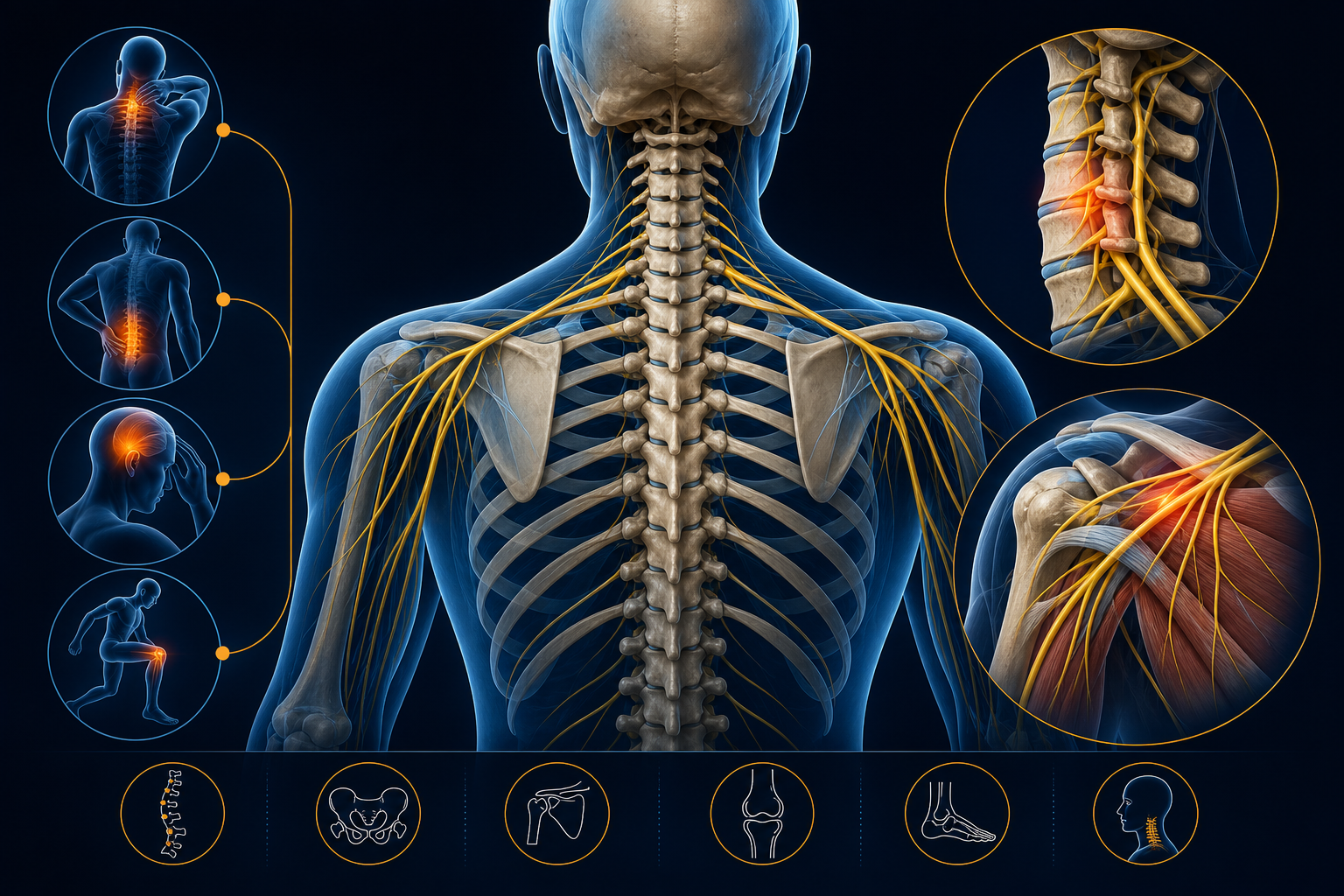
Many patients search for neck pain when turning head chiropractor after waking up with stiffness or feeling a sharp catch during rotation. Neck pain with turning may be associated with irritated facet joints, muscle guarding, posture strain, tension from prolonged screen use, or other mechanical contributors. In some cases, headaches, shoulder tightness, or upper back discomfort may occur at the same time.
A chiropractor may assess your neck range of motion, muscle tenderness, joint mobility, posture, and any symptoms traveling into the arm. If conservative care is appropriate, treatment may involve gentle mobilization, chiropractic adjustment, soft-tissue techniques, home mobility exercises, or activity modification. Treatment should be tailored to your comfort level, medical history, and exam findings.
If neck pain follows a collision, includes numbness or weakness in the arm, causes severe headache, or is paired with dizziness, vision changes, trouble speaking, or loss of balance, seek medical evaluation promptly. For non-emergency concerns, Medximity’s article on chiropractic care for neck pain can help you learn what to expect.
What Happens at a First Chiropractic Visit?
If this is your first visit, you may wonder what happens at first chiropractic visit, especially when you are walking in rather than booking weeks in advance. While each office has its own process, a complete first chiropractic visit usually includes several steps.
Health History and Symptom Review
The chiropractor or clinical staff may ask when the pain started, what makes it better or worse, whether symptoms travel into an arm or leg, what activities are limited, and whether you have had prior injuries, surgeries, imaging, or medical conditions. Honest answers help the provider decide whether chiropractic care is appropriate that day.
Physical Examination
The exam may include posture observation, range-of-motion testing, orthopedic tests, muscle strength checks, reflexes, sensation, and palpation of joints or soft tissues. Not every patient needs the same tests. The exam should match your symptoms.
Diagnosis or Working Impression
Your chiropractor may explain a working impression, such as joint restriction, muscle strain, mobility limitation, or another suspected mechanical contributor. In many cases, imaging is not required at the first visit. If your history or exam suggests that X-rays, advanced imaging, or another type of medical evaluation may be needed, the provider should explain why.
Treatment Plan and First Treatment
If chiropractic care is appropriate, you may receive treatment during the same visit. This might include an adjustment, mobilization, soft-tissue work, stretching instruction, or advice on heat, ice, movement, sleep position, or workstation setup. You should have a chance to ask questions before any hands-on treatment begins. For more detail, read Medximity’s guide to what happens at a first chiropractic visit.
Walk-In Chiropractor vs Appointment Chiropractor
When comparing a walk-in chiropractor vs appointment chiropractor, the best choice depends on your symptoms, schedule, and care goals.
Walk-In Chiropractic Care
Walk-in care may be helpful when symptoms arise suddenly and you want to be evaluated quickly. It can be convenient for travelers, busy workers, parents, or anyone who cannot wait for the next available appointment. The tradeoff is that availability can vary. You may have a wait, and you may not see the same chiropractor each time if the clinic uses rotating providers.
Scheduled Chiropractic Appointments
Appointments may be better when you need continuity, a detailed rehabilitation plan, longer treatment time, or follow-up for recurring issues. Scheduled care can also help patients coordinate chiropractic treatment with physical therapy, massage therapy, primary care, or medical specialists when multiple providers are involved.
Both models can be appropriate. The important question is not only convenience, but whether the provider performs a careful evaluation and explains why a treatment plan fits your situation.
What to Bring to a Chiropractor Appointment
Knowing what to bring to chiropractor appointment can make a same-day visit smoother. If available, bring:
- A photo ID and insurance card, if you plan to use insurance
- A list of current medications and supplements
- Relevant medical history, surgeries, or known diagnoses
- Recent imaging reports, not just image files, if you have them
- Names of other providers involved in your care
- Comfortable clothing that allows movement
- Notes about when symptoms started and what activities trigger them
You do not need to know exactly what is wrong before you arrive. The provider’s role is to evaluate your symptoms, discuss reasonable next steps, and help you understand whether chiropractic care may be suitable.
Questions to Ask a Chiropractor Before Treatment
Good chiropractic care should include clear communication. Helpful questions to ask a chiropractor include:
- What findings from my exam are guiding your recommendation?
- Are there any symptoms that would make you refer me out?
- What treatment options do I have today?
- What should I expect to feel after treatment?
- How many visits might be reasonable before reassessing progress?
- What can I do at home to support recovery?
- Do you offer exercises or coordination with physical therapy if needed?
- What are the costs, insurance details, or payment options?
A trustworthy provider should welcome informed questions. You can review more examples in Medximity’s resource on questions to ask a chiropractor.
How to Find the Best Walk-In Chiropractor Near Me
The best walk-in chiropractor near me is not always the closest office or the one with the longest hours. Look for a chiropractor who takes time to evaluate your symptoms, screens for red flags, explains treatment options, and respects your comfort level.
As you compare clinics, consider whether the office clearly lists walk-in or same-day availability, accepts your insurance or offers transparent self-pay pricing, treats your type of concern, and provides follow-up options if your symptoms need ongoing care. Patient reviews may offer useful context, but they should not replace your own judgment during the visit.
Medximity can help you compare provider profiles, locations, and specialties through the Medximity provider directory or by browsing local chiropractor listings. If your symptoms are new, severe, or unusual, choose a provider who will evaluate first and treat only when it is appropriate.
Natural Treatment for Back Stiffness: What May Help Between Visits
For mild stiffness without emergency symptoms, simple conservative measures may help some people feel and move better. Gentle walking, frequent position changes, light mobility exercises, hydration, sleep support, and ergonomic adjustments may reduce strain. Heat may feel helpful for muscle tightness, while some people prefer cold after an acute strain. Avoid forcing stretches through sharp pain.
A chiropractor or physical therapist can help you choose movements that fit your situation. General advice online cannot account for your injury history, health conditions, or exam findings. If stiffness persists, worsens, or keeps returning, an in-person evaluation may help identify movement patterns or contributing factors that need a more specific plan.
Ready for Walk-In Chiropractic Care Near You?
Walk-in chiropractic care near you can be a convenient option for sudden stiffness, non-emergency back pain, neck pain when turning your head, or a flare-up that limits normal movement. A good same-day visit should still include a careful history, focused exam, explanation of findings, and a conservative plan that matches your needs.
If you are ready to compare options, use Medximity to find chiropractors accepting patients near you. If your symptoms include emergency warning signs, seek urgent medical care before scheduling chiropractic treatment.
Frequently Asked Questions
Do chiropractors take walk-ins?
Some chiropractic offices accept walk-ins, while others offer same-day appointments by phone or online booking. Availability varies by clinic, provider schedule, and the type of care you need. It is usually wise to call ahead when possible, even if the office advertises walk-in chiropractic care.
Can I see a chiropractor the same day for sudden back pain?
In many cases, yes, a same-day chiropractor may evaluate sudden back pain if you do not have emergency warning signs. The visit should include screening to determine whether conservative chiropractic care is appropriate or whether medical evaluation is needed first.
Is walk-in chiropractic care safe?
Chiropractic care is generally considered a conservative, non-surgical approach for certain musculoskeletal complaints, but it is not appropriate for every person or every symptom. Safety depends on your health history, exam findings, treatment type, and whether red flags are present. A qualified chiropractor should discuss risks, benefits, and alternatives before treatment.
What should I wear to a walk-in chiropractic visit?
Wear comfortable clothing that lets you bend, turn, and move easily. Athletic wear or loose-fitting clothes are usually helpful. If you are coming from work, the clinic may still be able to examine and treat you, but restrictive clothing can make movement testing more difficult.
Will I get adjusted at the first visit?
You may receive an adjustment at the first visit if the chiropractor determines it is appropriate and you consent to treatment. Some patients receive a different type of care, such as gentle mobilization, soft-tissue therapy, exercise instruction, or referral for further evaluation.
How do I choose between walk-in and scheduled chiropractic care?
Walk-in care may be useful for quick access when symptoms are non-emergency but disruptive. Scheduled care may be better for complex problems, ongoing rehabilitation, or continuity with the same provider. The right choice depends on your symptoms, goals, and the clinic’s evaluation process.
This article is for educational purposes only and is not a substitute for professional medical advice, diagnosis, or treatment. Always consult a qualified healthcare provider about your specific condition. If you may be experiencing a medical emergency, call 911 or seek emergency care immediately.