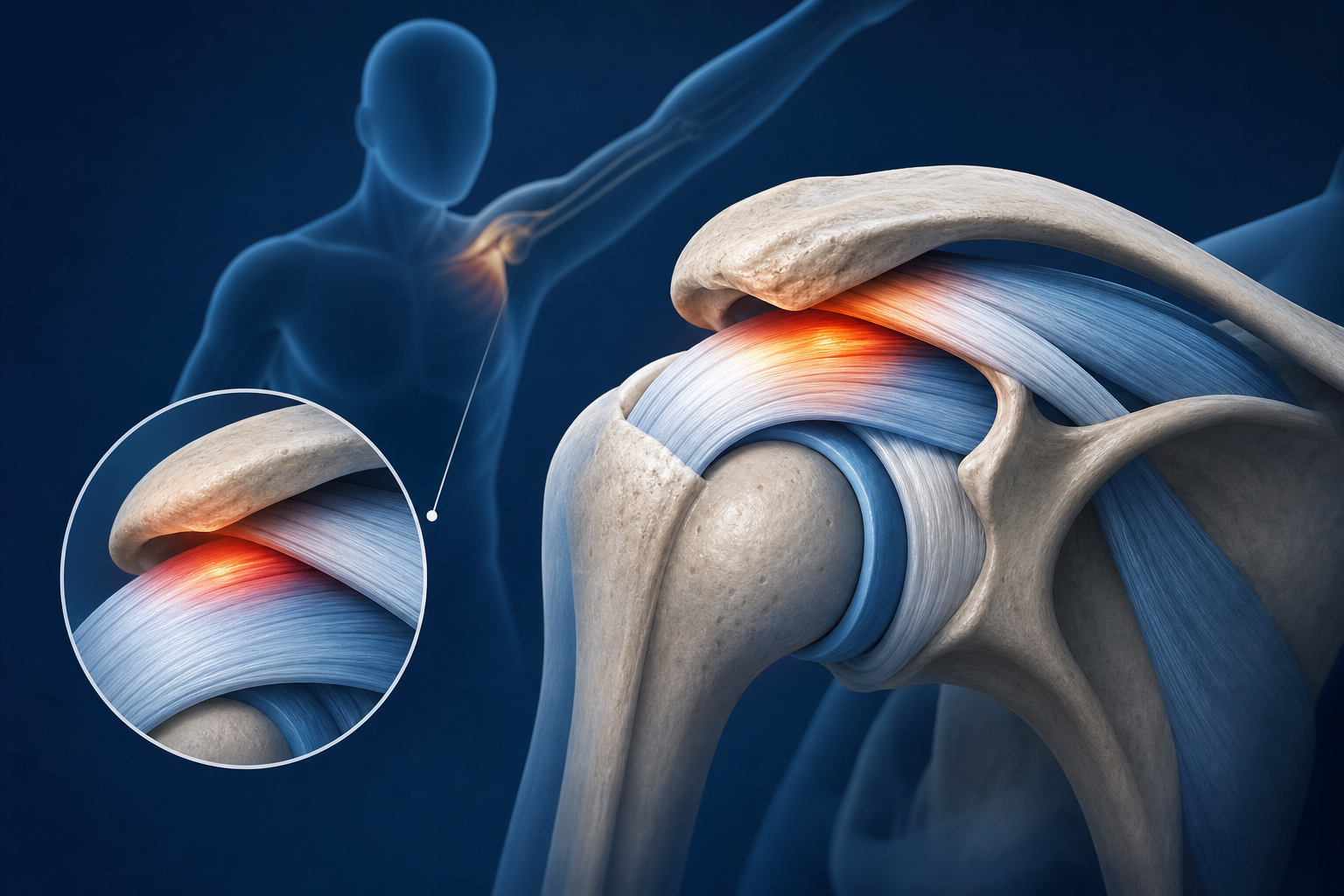
Understanding Rotator Cuff Syndrome: Symptoms, Causes, and Treatment can help you make sense of shoulder pain that shows up when you reach overhead, lift a bag, sleep on one side, or try to get dressed. Rotator cuff syndrome is not one single injury. It is a general term for irritation, strain, tendinopathy, impingement-related pain, or tearing involving the group of muscles and tendons that help stabilize and move the shoulder.
For many people, rotator cuff symptoms improve with conservative care such as activity modification, guided exercise, physical therapy, posture and movement coaching, and a gradual return to daily tasks. Some cases need more evaluation, especially when pain follows a fall, weakness is sudden, or symptoms do not improve. A qualified healthcare provider can help determine what may be contributing to your shoulder pain and whether conservative treatment is appropriate for your situation.
If you are comparing care options, Medximity can help you learn more about shoulder pain, explore physical therapy services, or search for a physical therapist near you who works with shoulder rehabilitation.
What Is Rotator Cuff Syndrome?
The rotator cuff is a group of four muscles and their tendons that attach the upper arm bone to the shoulder blade. These muscles help keep the ball of the shoulder joint centered while you lift, rotate, reach, push, pull, or carry. Because the shoulder is designed for a wide range of motion, the rotator cuff has to provide both mobility and control.
Rotator cuff syndrome usually refers to pain or dysfunction involving one or more of these tendons. It may include tendon irritation, overuse-related tendinopathy, partial tearing, inflammation in nearby tissues, or mechanical irritation as the tendon moves under the top of the shoulder blade. The exact source of pain can vary, which is why a hands-on evaluation is often helpful.
The Four Rotator Cuff Muscles
The rotator cuff includes the supraspinatus, infraspinatus, teres minor, and subscapularis. Each muscle contributes to shoulder control in a slightly different way. The supraspinatus is often involved in pain with lifting the arm to the side. The infraspinatus and teres minor help rotate the arm outward. The subscapularis helps rotate the arm inward and contributes to front-of-shoulder stability.
When one part of this system becomes irritated or weak, nearby muscles may compensate. This can change how the shoulder blade moves, how the upper arm bone glides, and how much strain is placed on the neck, upper back, and shoulder joint.
Common Symptoms of Rotator Cuff Syndrome
Symptoms can range from a mild ache to significant pain and weakness. Some people notice symptoms gradually after weeks or months of overhead activity. Others feel pain after a specific movement, fall, or lifting incident. Rotator cuff syndrome does not feel the same for everyone, but several patterns are common.
Shoulder Pain With Lifting or Reaching
One of the most common concerns is rotator cuff pain when lifting arm, especially when reaching overhead, reaching out to the side, putting dishes away, grabbing a seat belt, or lifting something away from the body. Pain may be felt on the outside of the shoulder, the front of the shoulder, or the upper arm. Some people describe a painful arc, where the shoulder hurts most during the middle part of raising the arm.
Night Pain and Difficulty Sleeping
Many people ask, why does my shoulder hurt at night? Night pain can happen when irritated shoulder tissues are compressed by side-sleeping, when the arm rests in a position that stresses the tendon, or when the shoulder has been aggravated during the day. Pain may wake you when you roll onto the affected side or when the arm rests overhead.
Night pain is common with several shoulder conditions, not only rotator cuff syndrome. If it is persistent, worsening, or associated with major weakness, it is a good reason to schedule an evaluation.
Weakness or Loss of Shoulder Endurance
Rotator cuff problems may cause weakness, but weakness can mean different things. Sometimes the muscle truly cannot generate force. Other times pain limits effort, making the arm feel weak even though the muscle is capable of working. You may notice difficulty lifting a gallon of milk, holding a hair dryer, placing an object on a shelf, or keeping the arm elevated for more than a few seconds.
Clicking, Catching, or Popping
People often wonder, is it normal to hear shoulder clicking? Occasional painless clicking can happen in healthy shoulders. The shoulder contains tendons, ligaments, cartilage, and moving joint surfaces, and some sounds are not concerning by themselves. Clicking is more worth evaluating when it is painful, associated with catching or instability, follows an injury, or comes with reduced strength or motion.
Stiffness and Limited Range of Motion
Some people with rotator cuff syndrome have trouble reaching behind the back, fastening a bra, tucking in a shirt, or reaching into the back seat of a car. Stiffness may come from protective guarding, shoulder capsule tightness, pain-related movement avoidance, or a separate condition such as adhesive capsulitis. A provider can help sort out whether the main issue appears to be tendon irritation, joint stiffness, neck involvement, or a combination.
Rotator Cuff Syndrome vs Shoulder Pain: What Is the Difference?
The phrase rotator cuff syndrome vs shoulder pain can be confusing because rotator cuff syndrome is one possible cause of shoulder pain, not a completely separate category. Shoulder pain can also come from the neck, the acromioclavicular joint, biceps tendon irritation, arthritis, instability, frozen shoulder, muscle strain, or referred pain from another region.
Rotator cuff-related pain often worsens with reaching, lifting, or rotating the arm. Neck-related pain may travel from the neck into the shoulder or arm and may be associated with numbness, tingling, or changes in reflexes. Joint-related pain may feel deeper and may come with grinding or stiffness. Because symptoms overlap, self-diagnosis can be unreliable.
If you are unsure whether your symptoms are coming from the shoulder, neck, or upper back, an evaluation by a qualified provider can help identify likely contributors. Medximity also offers information on related topics such as neck pain versus shoulder pain and conservative care options.
What Causes Rotator Cuff Problems?
When people ask what causes rotator cuff problems, the answer is often a combination of load, tissue capacity, posture, movement patterns, age-related tendon changes, and previous injury history. Rotator cuff symptoms may develop after a single event, but they commonly build over time.
Repetitive Overhead Activity
Repeated reaching, lifting, throwing, painting, stocking shelves, swimming, tennis, construction work, and certain gym movements can increase stress on the rotator cuff. This does not mean those activities are bad. It means the shoulder may need adequate strength, mobility, recovery, and load progression to tolerate them well.
Sudden Strain or Trauma
A fall onto an outstretched hand, a sudden pull on the arm, lifting something unexpectedly heavy, or bracing during a slip may irritate or injure the rotator cuff. Sudden pain with immediate weakness deserves prompt evaluation, particularly if you cannot lift the arm after the incident.
Age-Related Tendon Changes
Tendons can become less tolerant of strain over time. Many adults develop rotator cuff changes that may or may not cause symptoms. Imaging findings do not always match pain levels, so a provider will usually consider your symptoms, strength, range of motion, daily function, and exam findings rather than relying on one piece of information alone.
Shoulder Blade Mechanics and Posture
The shoulder blade provides the foundation for shoulder motion. If the shoulder blade does not upwardly rotate, tilt, or stabilize well during reaching, the rotator cuff may work harder. Prolonged desk posture, upper-back stiffness, limited rib mobility, or weak scapular muscles may contribute to symptoms in some people.
Training Errors or Rapid Load Increases
A new workout routine, sudden increase in overhead lifting, returning to sports too quickly, or doing too much after a period of inactivity can irritate shoulder tissues. Conservative care often focuses on rebuilding capacity gradually so the shoulder can tolerate normal life, work, and exercise demands.
When Should You See a Provider for Shoulder Pain?
Many mild shoulder aches improve with rest from aggravating tasks and gentle movement, but there are times when professional evaluation is appropriate. You should consider seeing a qualified provider if shoulder pain lasts more than a few days, keeps returning, interferes with sleep, limits work or daily activities, or causes noticeable weakness.
Seek prompt medical evaluation if pain follows a fall or traumatic event, you cannot raise the arm, the shoulder looks deformed, you have significant swelling or bruising, you experience numbness or tingling down the arm, or you have chest pain, shortness of breath, fever, or unexplained illness symptoms. Those signs may require urgent assessment.
If you are searching for the best shoulder pain specialist near me, consider looking for a provider who performs a thorough exam, explains likely causes in plain language, discusses conservative options, and refers when additional medical evaluation is needed. Medximity can help you find healthcare providers near you based on your care needs.
What to Expect During a Rotator Cuff Evaluation
A shoulder evaluation usually begins with a conversation about your symptoms. The provider may ask when the pain started, what movements make it better or worse, whether you had an injury, what your work and exercise demands are, and how symptoms affect sleep or daily activities.
Movement and Strength Testing
Your provider may assess shoulder range of motion, neck motion, shoulder blade movement, and strength in different positions. They may compare both sides to see whether weakness, stiffness, or pain is isolated to one area. Special tests may be used to help identify whether the rotator cuff, biceps tendon, joint capsule, neck, or another structure may be involved.
Functional Assessment
Because the shoulder is used differently from person to person, a good evaluation often includes functional tasks. A warehouse worker, parent carrying a child, baseball player, desk worker, and retired golfer may all need different movement strategies and goals. Your treatment plan should reflect what you need your shoulder to do.
Imaging and Referrals
Not every case of shoulder pain needs imaging right away. X-rays, ultrasound, or MRI may be considered when symptoms are severe, traumatic, persistent, or not responding as expected. If your provider suspects a condition outside the scope of conservative care, they may recommend that you see a medical specialist for further evaluation.
Rotator Cuff Treatment Without Surgery
Rotator cuff treatment without surgery is often the first approach for many non-emergency cases, especially when symptoms are related to irritation, tendinopathy, movement limitations, or manageable weakness. Conservative care is designed to reduce aggravation, restore motion, rebuild strength, and help you return to daily activities safely.
Treatment should be individualized. A plan that helps one person may not be right for another, especially if the pain is related to work demands, sport mechanics, neck involvement, or a previous injury. Your provider can help determine which strategies are appropriate for your exam findings and goals.
Activity Modification Without Complete Rest
Complete rest for too long may lead to stiffness and loss of conditioning. Instead, many providers recommend temporarily modifying painful activities while keeping the shoulder moving within a comfortable range. This may mean reducing overhead work, changing lifting technique, avoiding repeated end-range motions for a short period, or breaking tasks into smaller sessions.
Therapeutic Exercise
Exercise-based rehab may include gentle range-of-motion work, isometric strengthening, rotator cuff strengthening, scapular stabilization, upper-back mobility, and gradual return to loading. Early exercises may be low intensity and focused on control. As symptoms improve, the program may progress toward functional tasks such as carrying, pushing, pulling, reaching, or sport-specific movement.
Manual Therapy
Some patients may benefit from hands-on care that addresses shoulder joint mobility, soft tissue restrictions, upper-back stiffness, or neck-related contributors. Manual therapy is usually most effective when combined with exercise and education rather than used as a stand-alone solution.
Ergonomics and Movement Coaching
Desk setup, sleeping position, lifting technique, and exercise form can affect shoulder symptoms. Small changes may reduce repeated irritation. For example, keeping frequently used items below shoulder height, supporting the arm during desk work, or adjusting how you lift objects away from the body may help some patients manage symptoms during recovery.
Physical Therapy for Rotator Cuff Syndrome
Physical therapy for rotator cuff syndrome commonly focuses on restoring usable motion, reducing painful movement patterns, and rebuilding shoulder strength. A physical therapist may design a plan based on your pain level, exam findings, work demands, sport needs, and current capacity.
A typical plan may include education, mobility exercises, progressive resistance training, shoulder blade control, rotator cuff strengthening, and gradual exposure to the movements that currently bother you. For example, if reaching overhead is painful, your therapist may start with supported or partial-range exercises before progressing to full overhead activity.
Physical therapy is not just a list of exercises. It should help you understand which movements are safe to continue, which ones may need temporary modification, and how to progress without repeatedly flaring symptoms. If you want help locating care, you can search Medximity for physical therapists near you.
Can a Chiropractor Help With Shoulder Pain?
Some people search for a chiropractor for shoulder pain near me when shoulder pain is connected to neck stiffness, upper-back mobility, posture, or movement mechanics. Chiropractors who treat musculoskeletal conditions may evaluate the shoulder, neck, thoracic spine, and surrounding soft tissues to determine whether conservative care may be appropriate.
Chiropractic care for shoulder pain may include joint mobilization or manipulation where appropriate, soft tissue techniques, mobility exercises, strengthening guidance, ergonomic advice, and referral when symptoms suggest a condition needing medical evaluation. As with any provider, the care plan should match your diagnosis, comfort level, and goals.
You can learn more about chiropractic care or use Medximity to search for chiropractors near you.
How to Fix Shoulder Weakness Naturally
Many people ask how to fix shoulder weakness naturally. In conservative care, natural usually means noninvasive strategies such as progressive exercise, movement retraining, posture support, recovery planning, and healthy daily habits. The key is that weakness should be evaluated if it is sudden, severe, worsening, or associated with trauma.
For mild, gradual weakness, a provider may use a staged plan. Early work may focus on comfortable motion and gentle isometric contractions. The next stage may add resistance bands, light weights, or bodyweight exercises for the rotator cuff and shoulder blade muscles. Later stages may include functional strengthening, carrying, pushing, pulling, or overhead control if those tasks are relevant to your life.
Progress should be gradual. More exercise is not always better, especially when tendons are irritated. A common goal is to find the amount of loading the shoulder can tolerate, then build from there. If symptoms flare for more than a short time after exercise, the program may need to be adjusted.
How Long Does Rotator Cuff Pain Last?
How long does rotator cuff pain last depends on the cause, severity, your activity demands, overall health, and how early the shoulder is managed. A mild strain or irritation may improve over days to weeks. Tendon-related pain that has been present for months may take longer and often requires consistent strengthening and load management. More significant injuries can require a longer recovery plan and closer follow-up.
It is reasonable to expect that recovery may not be perfectly linear. Some days may feel better than others, especially as you test new activities. The goal is usually a trend toward better motion, less night pain, improved strength, and more confidence using the arm.
If symptoms are not improving despite appropriate conservative care, or if weakness is significant, your provider may recommend further evaluation. This does not always mean invasive care is needed, but it can help clarify what is happening and guide the next step.
Daily Habits That May Support Shoulder Recovery
Small daily choices can reduce irritation while you work through a recovery plan. These habits are not a substitute for a professional evaluation, but they may help some people avoid repeated flare-ups.
Adjust Reaching and Lifting
Keep objects close to your body when possible, avoid sudden lifting with the arm extended, and reduce repeated overhead reaching during painful phases. If your job requires overhead work, a provider may help you develop pacing strategies and strengthening goals that match those demands.
Support the Arm During Desk Work
Unsupported arms can increase shoulder and neck muscle activity. Resting the forearm on a desk or armrest, keeping the keyboard and mouse close, and avoiding prolonged shrugged posture may reduce strain for some people.
Modify Sleep Position
If side-sleeping increases pain, you may be more comfortable avoiding direct pressure on the painful shoulder for a period of time. Some people find it helpful to support the arm with a pillow so the shoulder is not pulled forward or overhead. If night pain persists, schedule an evaluation.
Keep Moving Within Tolerance
Gentle, comfortable motion may help maintain mobility. Painful forcing, aggressive stretching, or heavy lifting through sharp pain may worsen symptoms for some people. Your provider can help you distinguish useful exercise discomfort from signs that the shoulder is being overloaded.
Questions to Ask Your Shoulder Pain Provider
When you meet with a provider, clear questions can help you understand the plan. Consider asking what structures may be contributing to your symptoms, which activities are safe to continue, which movements should be modified temporarily, what signs would warrant follow-up, and how your progress will be measured.
You can also ask how your plan will address strength, range of motion, shoulder blade control, sleep comfort, work tasks, and return to exercise. A good conservative care plan should be specific enough that you know what to do between visits and how to progress safely.
Finding Shoulder Pain Care Near You
If shoulder pain is limiting sleep, work, exercise, or daily routines, you do not have to guess your way through it. A qualified provider can evaluate your shoulder, explain likely causes, and recommend a conservative plan when appropriate. Depending on your needs, that may include physical therapy, chiropractic care, rehabilitation, or referral for further medical evaluation.
Medximity helps patients compare providers across conservative musculoskeletal care. You can explore rehabilitation services, search for a physical therapist, or look for a chiropractor who evaluates shoulder pain in your area.
FAQ: Rotator Cuff Syndrome
What is rotator cuff syndrome?
Rotator cuff syndrome is a general term for pain or dysfunction involving the rotator cuff muscles and tendons. It may include tendon irritation, tendinopathy, impingement-related pain, strain, or tearing. A provider can help identify the likely cause based on your history and exam.
Why does my shoulder hurt when I lift my arm?
Shoulder pain when lifting the arm may be related to rotator cuff irritation, tendon overload, shoulder blade mechanics, stiffness, or another shoulder condition. If the pain persists, worsens, or limits your function, an evaluation can help clarify the cause.
Is shoulder clicking normal?
Occasional painless clicking can happen in many shoulders and may not be a problem. Clicking that is painful, new after an injury, associated with catching, or paired with weakness should be assessed by a qualified provider.
Can rotator cuff pain go away without surgery?
Many cases of rotator cuff-related pain may improve with conservative care such as activity modification, physical therapy, strengthening, and movement coaching. More severe or traumatic injuries may need further evaluation, so it is best to discuss your symptoms with a provider.
How long does rotator cuff pain last?
Recovery time varies. Mild irritation may improve in weeks, while longer-standing tendon pain can take months of consistent rehab and load management. If symptoms are not improving, follow up with a healthcare professional.
This article is for educational purposes only and is not a substitute for professional medical advice, diagnosis, or treatment. Always consult a qualified healthcare provider about your specific condition. If you may be experiencing a medical emergency, call 911 or seek emergency care immediately.


