Understanding neck disc degeneration: symptoms, causes, and treatment starts with one key point: disc changes in the neck are common, especially with age, but they do not always cause pain. When symptoms do appear, conservative care such as chiropractic care, physical therapy, movement training, posture changes, and home exercises may help many people manage discomfort and improve function.
Neck disc degeneration refers to gradual changes in the cushioning discs between the bones of the cervical spine. These changes may be part of normal aging, but they can also be influenced by repetitive strain, prior injury, genetics, smoking history, and daily posture demands. If your neck hurts when looking down, you have stiffness that does not improve, or you notice neck pain with arm tingling, it is worth being evaluated by a qualified healthcare provider.
This guide explains what neck disc degeneration is, how cervical discs change with age, how it differs from a herniated disc, when to seek care, and what to expect from non-surgical treatment options. If you are ready to compare providers, you can search for a chiropractor for cervical disc degeneration near you or find physical therapy for neck disc degeneration through Medximity.
What Is Neck Disc Degeneration?
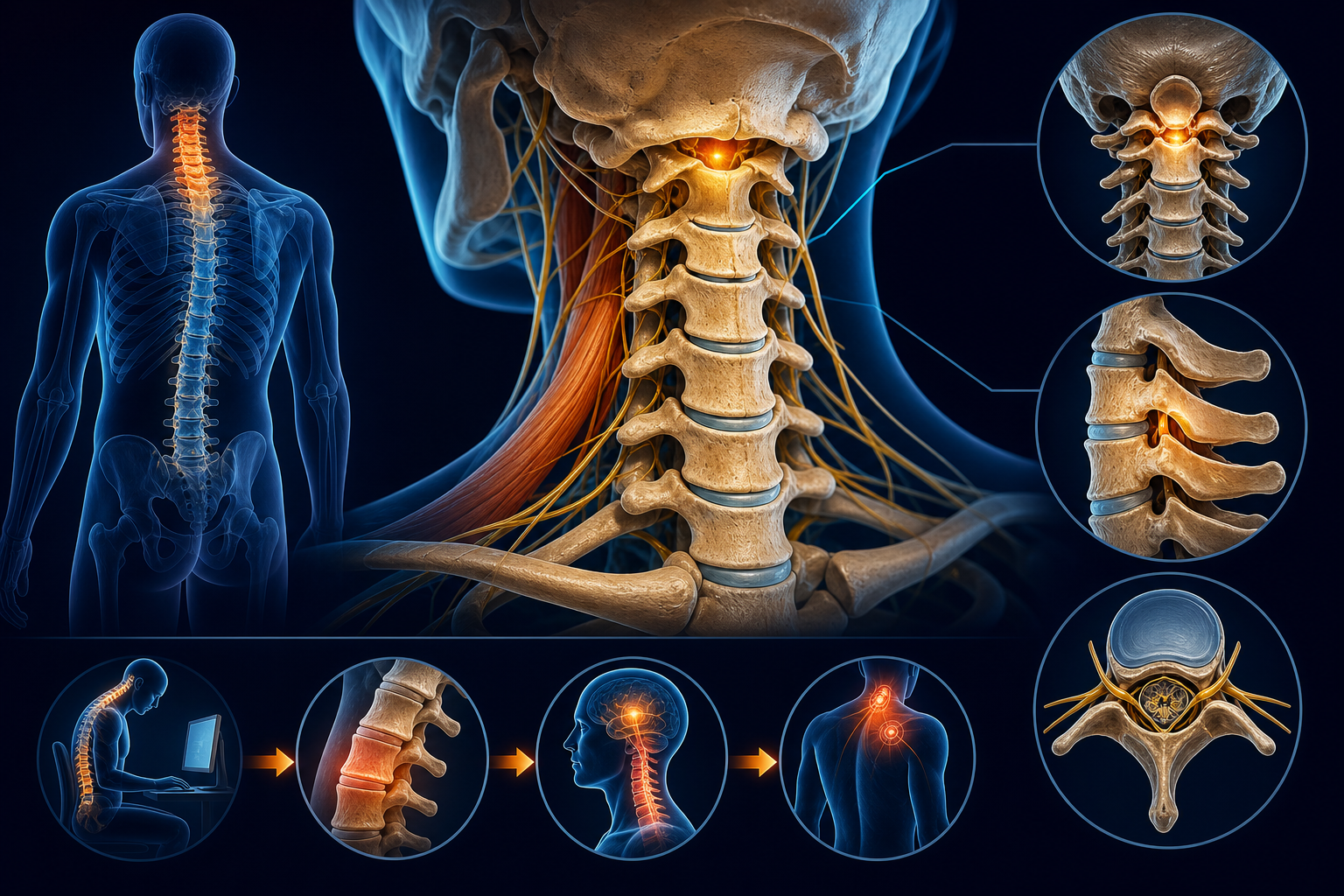
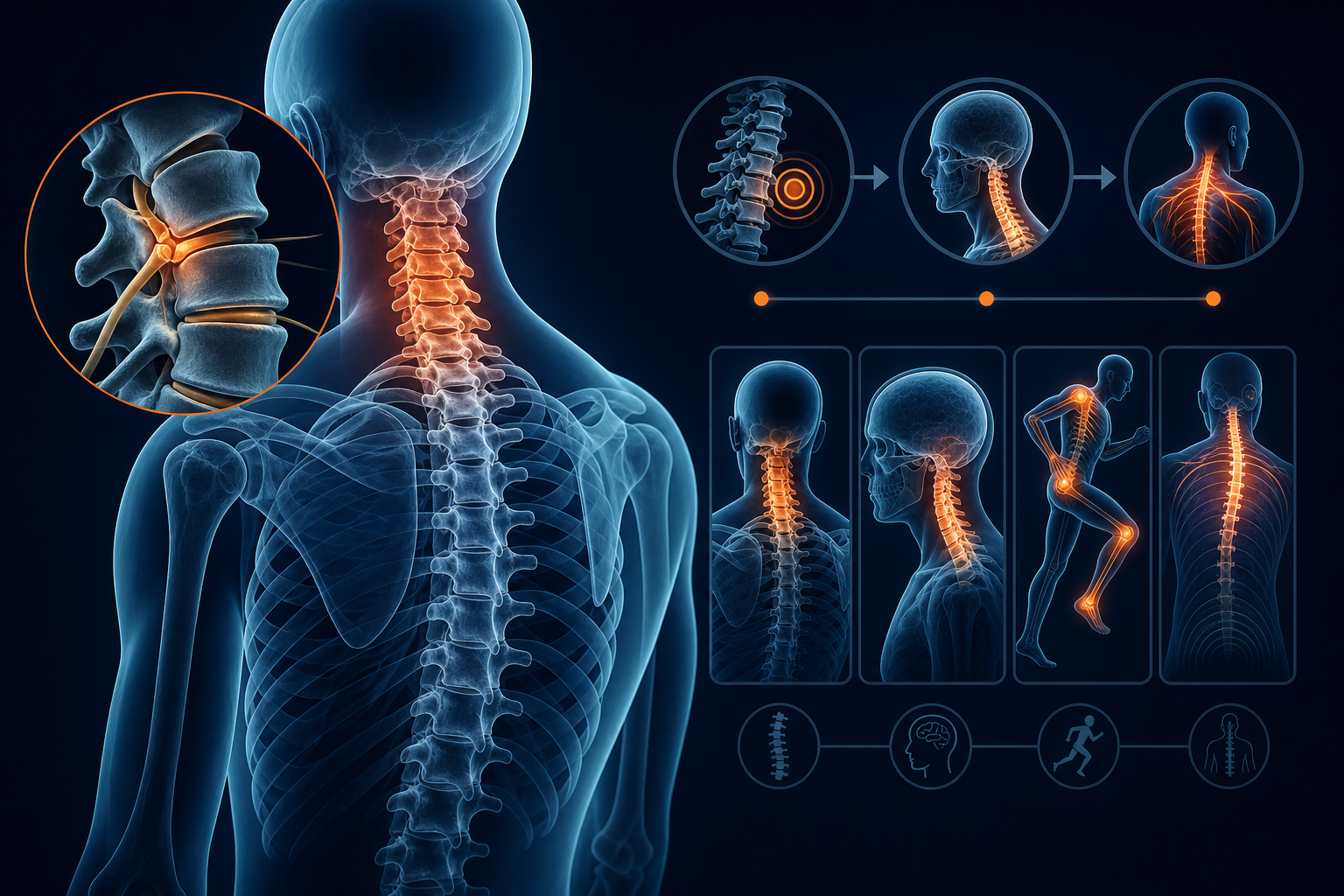
Neck disc degeneration, also called cervical disc degeneration or cervical degenerative disc disease, describes age-related or wear-related changes in the intervertebral discs of the neck. The cervical spine is the upper portion of the spine. It includes seven vertebrae, labeled C1 through C7, and the discs between many of those bones help absorb load and allow controlled movement.
Each cervical disc has a tougher outer layer and a softer center. Over time, discs may lose water content, become less flexible, flatten slightly, or develop small changes in their outer fibers. These changes may alter how the neck moves and how stress is distributed across the joints, muscles, ligaments, and nerves nearby.
Despite the phrase “degenerative disc disease,” this is not always a disease in the way many people use that word. Disc degeneration can be a normal structural change, similar to gray hair or skin changes. Many people have disc degeneration on imaging and have little or no neck pain. Symptoms tend to depend on whether the disc changes are irritating nearby tissues, contributing to inflammation, narrowing spaces where nerves travel, or affecting the way the neck moves.
For a broader overview of neck symptoms, you may also find Medximity’s neck pain condition page helpful.
How Cervical Discs Change With Age
Understanding how cervical discs change with age can make imaging results less alarming. As the body ages, discs often lose some hydration. A well-hydrated disc can behave somewhat like a cushion. A less hydrated disc may be thinner and less elastic. This can reduce shock absorption and may place more demand on the small facet joints in the back of the spine.
Common age-related findings may include disc height loss, bone spur formation, mild bulging, changes in spinal alignment, and stiffness in the surrounding soft tissues. These findings may sound serious, but they are common. The presence of degeneration on an X-ray or MRI does not automatically mean it is the source of your symptoms.
In many cases, providers look at the whole clinical picture: your symptoms, medical history, movement patterns, strength, reflexes, sensation, posture, and any imaging that is medically necessary. A scan can show structure, but it cannot always show pain. That is why a hands-on exam and a clear symptom history matter.
Is Neck Disc Degeneration Normal Aging?
A common question is, “Is neck disc degeneration normal aging?” In many cases, yes. Cervical disc degeneration becomes more common as people get older. Some people develop visible disc changes earlier than others due to genetics, occupational stress, prior trauma, sports history, or lifestyle factors. Others have advanced-looking imaging findings and few symptoms.
It may be more helpful to ask whether the degeneration is currently associated with pain, nerve irritation, reduced mobility, or difficulty with daily tasks. A provider may assess whether your symptoms match a specific level of the neck, whether a nerve appears irritated, or whether muscle guarding and joint stiffness are contributing to discomfort.
Normal aging does not mean you have to ignore symptoms. If neck stiffness, headaches, arm symptoms, or activity limitations are affecting your life, conservative care may help you move better and manage flare-ups more confidently.
Common Symptoms of Cervical Disc Degeneration
Symptoms vary widely. Some people have no symptoms at all. Others notice mild stiffness or recurring flare-ups. A smaller group may develop nerve-related symptoms if disc changes or nearby bone changes irritate a cervical nerve root.
Neck pain and stiffness
The most common symptoms are aching, tightness, or stiffness in the neck. Pain may be centered in the lower neck, felt on one side, or spread into the upper back and shoulder blade area. Symptoms may feel worse after prolonged sitting, computer work, driving, or sleeping in an awkward position.
Neck hurts when looking down
Many people report that the neck hurts when looking down at a phone, laptop, book, or work surface. Looking down for long periods can increase muscular demand and may load irritated joints and discs. This does not mean looking down is dangerous, but it may signal that your neck needs better movement variety, strength, or ergonomic support.
Headaches
Some people with neck stiffness or upper cervical joint irritation experience headaches that seem to start at the base of the skull and travel toward the temples or forehead. These are sometimes described as cervicogenic-type headaches, meaning they may be influenced by the neck. A provider can help determine whether headaches require additional medical evaluation.
Neck pain with arm tingling
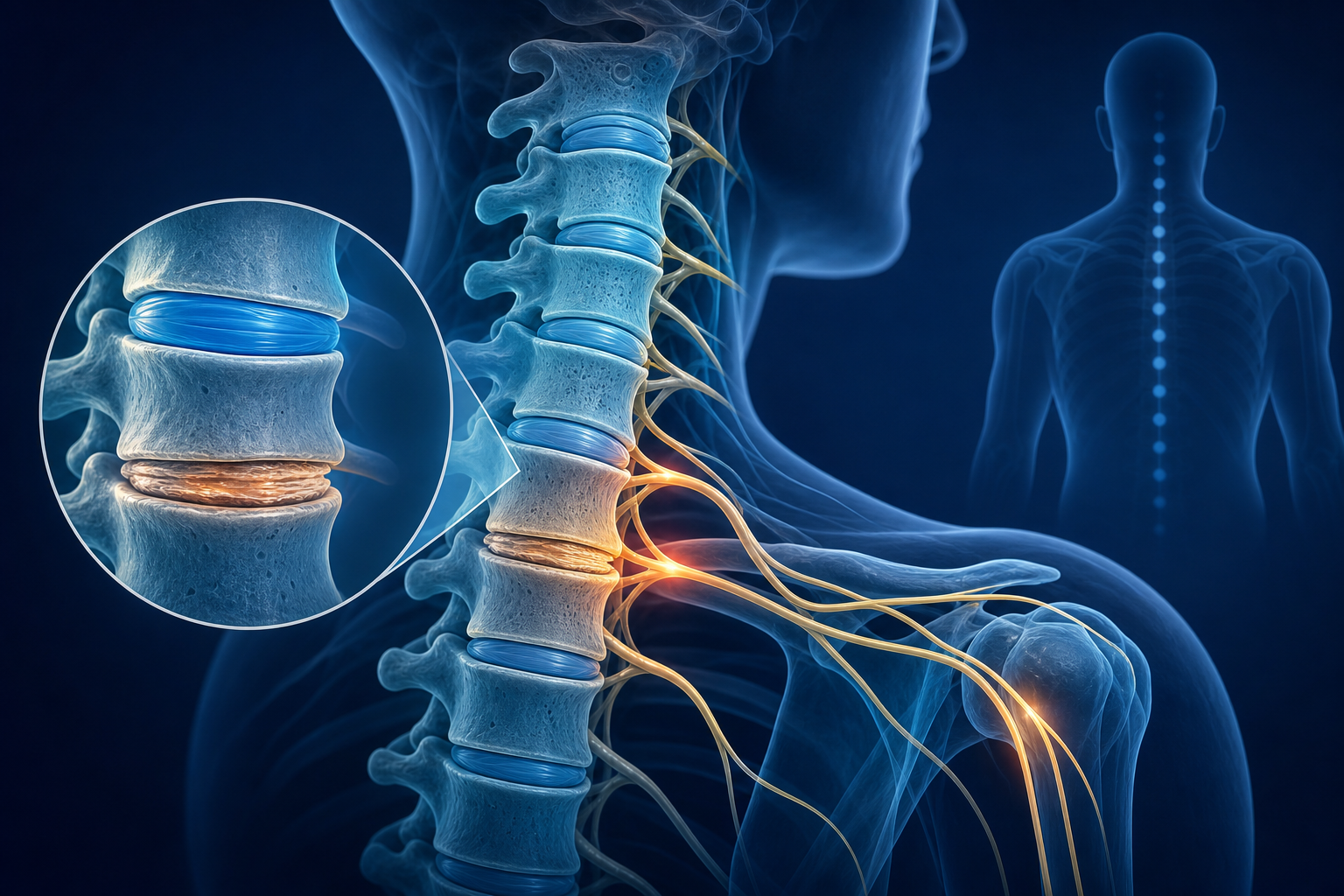
Neck pain with arm tingling can occur when a nerve in the cervical spine is irritated or compressed. Symptoms may travel into the shoulder, arm, hand, or fingers. Some people also notice numbness, burning, or weakness. Because arm tingling can have several causes, including nerve irritation outside the neck, a professional evaluation is important.
If nerve symptoms are part of your concern, Medximity’s information on a pinched nerve may help you understand common patterns and when to seek care.
Muscle tightness and reduced range of motion
When the neck is irritated, surrounding muscles may tighten to protect the area. This can make turning your head, checking blind spots, or looking up and down more difficult. Reduced movement may improve as pain calms and the neck becomes stronger and more mobile.
Shoulder blade or upper back discomfort
Cervical disc and joint irritation can sometimes refer discomfort toward the shoulder blade or upper back. This can feel like a deep ache, knot, or tension band. A provider may assess whether the source is the neck, shoulder, thoracic spine, or a combination of areas.
Neck Disc Degeneration vs Herniated Disc
Patients often ask about neck disc degeneration vs herniated disc. They are related but not the same.
Disc degeneration refers to gradual structural changes in a disc over time. The disc may lose hydration, become thinner, or develop small tears or bulges. Degeneration may or may not cause symptoms.
A herniated disc typically means disc material has pushed beyond its usual boundary and may irritate nearby nerves or tissues. A herniation can happen in a disc that already has degenerative changes, but it can also follow a specific strain or injury. Symptoms may include neck pain, arm pain, tingling, numbness, or weakness if a nerve root is affected.
The distinction matters because treatment planning depends on symptoms, exam findings, and severity. Many disc-related neck symptoms are managed conservatively, but worsening weakness, significant numbness, balance problems, or changes in bowel or bladder control require prompt medical attention.
For more background, review Medximity’s page on herniated disc symptoms and care options.
What Causes Cervical Disc Degeneration?
Cervical disc degeneration usually develops from a combination of factors rather than one single cause. Understanding these influences can help you reduce avoidable stress on your neck without blaming yourself for normal body changes.
Age-related disc changes
Age is one of the biggest factors. Discs naturally lose water content over time. This may reduce their ability to distribute load and may contribute to stiffness or sensitivity in some people.
Repetitive posture and work demands
Long periods of looking down, reaching forward, driving, dental or medical work, desk work, or overhead tasks can contribute to neck irritation. Posture is not about finding one perfect position. It is about varying positions, taking breaks, and building enough strength and mobility for the tasks you do most.
Prior injury
A previous sports injury, fall, whiplash-type event, or heavy lifting strain may affect how the neck moves. Some people develop persistent sensitivity after an injury, while others recover fully. If pain began after trauma or is progressively worsening, a provider can help determine whether further evaluation is appropriate.
Genetics and individual anatomy
Some people are more likely to develop disc changes earlier because of inherited factors. Spinal canal size, joint shape, and tissue characteristics may influence how much space nerves have and how the neck tolerates load.
Lifestyle and general health factors
Sleep quality, stress, general activity level, smoking history, and overall conditioning may influence pain sensitivity and tissue health. These factors do not explain every case, but improving what you can control may support recovery and reduce flare-ups.
When to See a Provider for Neck Disc Degeneration Symptoms
You do not need to wait until neck pain is severe before getting help. A chiropractor, physical therapist, or other qualified provider can assess your symptoms, screen for concerning signs, and create a conservative care plan when appropriate.
Consider scheduling an evaluation if:
- Your neck pain lasts more than a few days or keeps returning.
- Your neck hurts when looking down, driving, working, or sleeping.
- You have neck pain with arm tingling, numbness, or burning.
- You notice reduced range of motion that affects daily activities.
- You have headaches that seem connected to neck stiffness.
- You are unsure whether symptoms are muscle-related, joint-related, or nerve-related.
- You want guidance on safe exercises and ergonomic changes.
Seek prompt medical attention if symptoms are more concerning
Some symptoms need timely medical evaluation. These may include new or worsening arm or hand weakness, loss of coordination, difficulty walking, unexplained fever, unexplained weight loss, severe pain after trauma, numbness in multiple areas, or changes in bowel or bladder control. These symptoms do not always mean something serious is present, but they should not be ignored.
How Providers Evaluate Cervical Disc Degeneration
A provider usually begins with a detailed history. They may ask when symptoms started, what movements aggravate or ease them, whether pain travels into the arm, what your work and sleep positions are like, and whether you have had prior injuries.
The physical exam may include checking neck range of motion, posture, muscle tenderness, joint mobility, shoulder movement, reflexes, sensation, strength, and nerve tension signs. Providers may also look at how your upper back and shoulders move because these areas can influence neck strain.
Imaging is not always needed for uncomplicated neck pain. Many people improve with conservative care based on history and exam findings. If symptoms suggest significant nerve involvement, trauma, infection risk, or another concern, a provider may refer you for imaging or medical evaluation. Imaging decisions should be individualized.
Treatment for Cervical Disc Degeneration
Treatment for cervical disc degeneration is usually aimed at reducing irritation, improving movement, building strength, and helping you return to normal activity. Conservative care does not reverse normal disc aging, but it may help many patients manage symptoms and function better.
The right plan depends on your symptoms, exam findings, health history, and goals. Some people need short-term symptom relief. Others need a longer rehabilitation plan focused on posture tolerance, work capacity, sport, or recurrence prevention.
Chiropractic care for cervical disc degeneration
Chiropractic care may include gentle spinal or joint mobilization, carefully selected adjustments, soft tissue techniques, exercise instruction, posture coaching, and activity modification. The goal is typically to improve movement, reduce mechanical irritation, and support better function.
Not every technique is appropriate for every person. If you have nerve symptoms, osteoporosis risk, a history of neck surgery, vascular concerns, or other health considerations, your chiropractor should adjust the care plan accordingly or coordinate with another healthcare provider.
You can learn more about chiropractic care and what to expect on Medximity, or search for a chiropractor near you.
Physical therapy for neck disc degeneration
Physical therapy for neck disc degeneration often focuses on strengthening, mobility, motor control, and gradual return to activity. A physical therapist may evaluate how your neck, shoulder blades, thoracic spine, and breathing mechanics work together. Treatment may include guided exercises, manual therapy, nerve mobility work when appropriate, ergonomic training, and a home program.
PT can be especially helpful when symptoms are linked to work posture, muscle endurance, weakness, limited range of motion, or recurring flare-ups. A therapist can also help you learn which movements are safe to continue and which may need temporary modification.
For more information, visit Medximity’s page on physical therapy treatment or find a physical therapist near you.
Natural treatment for neck disc degeneration
Many people searching for natural treatment for neck disc degeneration are looking for non-surgical, non-drug approaches. Conservative options may include therapeutic exercise, mobility work, heat or ice based on comfort, posture changes, sleep position adjustments, stress management, and hands-on care from a qualified provider.
Natural does not mean one-size-fits-all. A movement that helps one person may aggravate another, especially when nerve symptoms are present. A provider can help you choose exercises and activity changes that fit your symptoms and current capacity.
Education and activity modification
Education is a major part of care. Many patients feel less fearful once they understand that degeneration is common and that pain does not always mean damage is worsening. Providers may help you identify patterns, such as symptoms that flare after long phone use, poor sleep, heavy lifting, or long drives.
Activity modification usually means adjusting load, duration, or position temporarily rather than stopping everything. For example, a provider may recommend more frequent breaks, changing monitor height, alternating sitting and standing, or using a book stand to reduce sustained neck flexion.
Best Exercises for Cervical Disc Degeneration
The best exercises for cervical disc degeneration depend on your symptoms and should be selected with guidance if pain is significant or if you have tingling, numbness, or weakness. In general, many people benefit from gentle mobility, deep neck flexor strengthening, upper back strengthening, and shoulder blade control.
Exercises should not sharply increase pain, cause new arm symptoms, or make numbness or weakness worse. Mild muscle effort or gentle stretching can be normal, but nerve symptoms should be taken seriously.
Chin tucks
Chin tucks may help improve deep neck flexor control and reduce forward-head strain. Sit or stand tall. Gently draw your chin straight back, as if making a “double chin,” without looking down. Hold briefly, then relax. Keep the motion small and comfortable.
Thoracic extension mobility
The upper back influences neck mechanics. Sitting tall with a towel roll or chair back at the upper back, gently extend over the support while keeping the neck relaxed. This may help people who feel stiff after desk work.
Scapular retractions
Shoulder blade strengthening may reduce demand on the neck muscles. Gently draw the shoulder blades back and slightly down without shrugging. Hold briefly, then release. This can be progressed with bands if appropriate.
Doorway pec stretch
Tight chest muscles may contribute to rounded shoulder posture. Place your forearms on the sides of a doorway and gently step forward until you feel a comfortable stretch across the chest. Avoid forcing the neck forward.
Controlled neck rotation
Slowly turn your head toward one side within a comfortable range, then return to center and repeat on the other side. This may help maintain mobility. Stop if it produces dizziness, sharp pain, or arm symptoms.
Nerve glides only when appropriate
If arm tingling is present, some providers may use nerve gliding exercises. These should be prescribed carefully because aggressive nerve stretching can worsen symptoms in some cases. If tingling travels into the arm or hand, it is best to get an evaluation before trying nerve exercises on your own.
What to Expect During Conservative Care
Your first visit usually includes a history, exam, and discussion of your goals. The provider may explain what appears to be contributing to symptoms and whether conservative care is appropriate. If warning signs are present, they may refer you for medical evaluation.
Treatment may begin with gentle techniques to reduce pain and improve motion. You may receive a small number of home exercises rather than a long routine. As symptoms improve, the plan may progress toward strength, endurance, work tolerance, and prevention of flare-ups.
Expect your provider to monitor response. If a technique or exercise makes symptoms worse, the plan should be adjusted. Good conservative care is not just a list of treatments; it is an ongoing process of matching the plan to your presentation and progress.
How Long Does Cervical Disc Pain Last?
How long cervical disc pain lasts varies. Mild flare-ups may improve over days to a few weeks with movement changes and conservative care. More persistent symptoms, especially those involving nerve irritation, may take longer and may improve gradually over weeks to months. Some people have recurring episodes and benefit from a long-term self-management plan.
Several factors can influence recovery time, including symptom severity, whether arm symptoms are present, work demands, sleep quality, stress, general health, and how consistently a person can follow an appropriate exercise and activity plan. If symptoms are not improving, are worsening, or are interfering with daily life, it is reasonable to seek a professional evaluation.
Daily Habits That May Help Reduce Neck Disc Irritation
Small daily changes may reduce repeated stress on sensitive neck tissues. These habits are not cures, and they may not be enough for everyone, but they can support a conservative care plan.
Change positions often
No posture is perfect forever. Try to change neck and shoulder position throughout the day. Short movement breaks may be more helpful than trying to sit perfectly for hours.
Bring screens closer to eye level
If your neck hurts when looking down, adjust your phone, laptop, or reading material when possible. Raise the screen, use a document holder, or take breaks from sustained flexion.
Support sleep positioning
A pillow that keeps your neck in a comfortable, neutral position may reduce morning stiffness. The best pillow varies by body type and sleep position. Avoid forcing the neck into a sharply flexed or rotated position for long periods.
Build strength gradually
Neck and upper back endurance often matter more than a single stretch. Gradual strengthening may help your neck tolerate work, driving, exercise, and daily tasks with fewer flare-ups.
Manage stress and jaw tension
Stress can increase muscle tension in the neck, shoulders, and jaw. Breathing drills, relaxation strategies, regular movement, and addressing jaw clenching may be useful parts of a broader plan.
Can Neck Disc Degeneration Be Prevented?
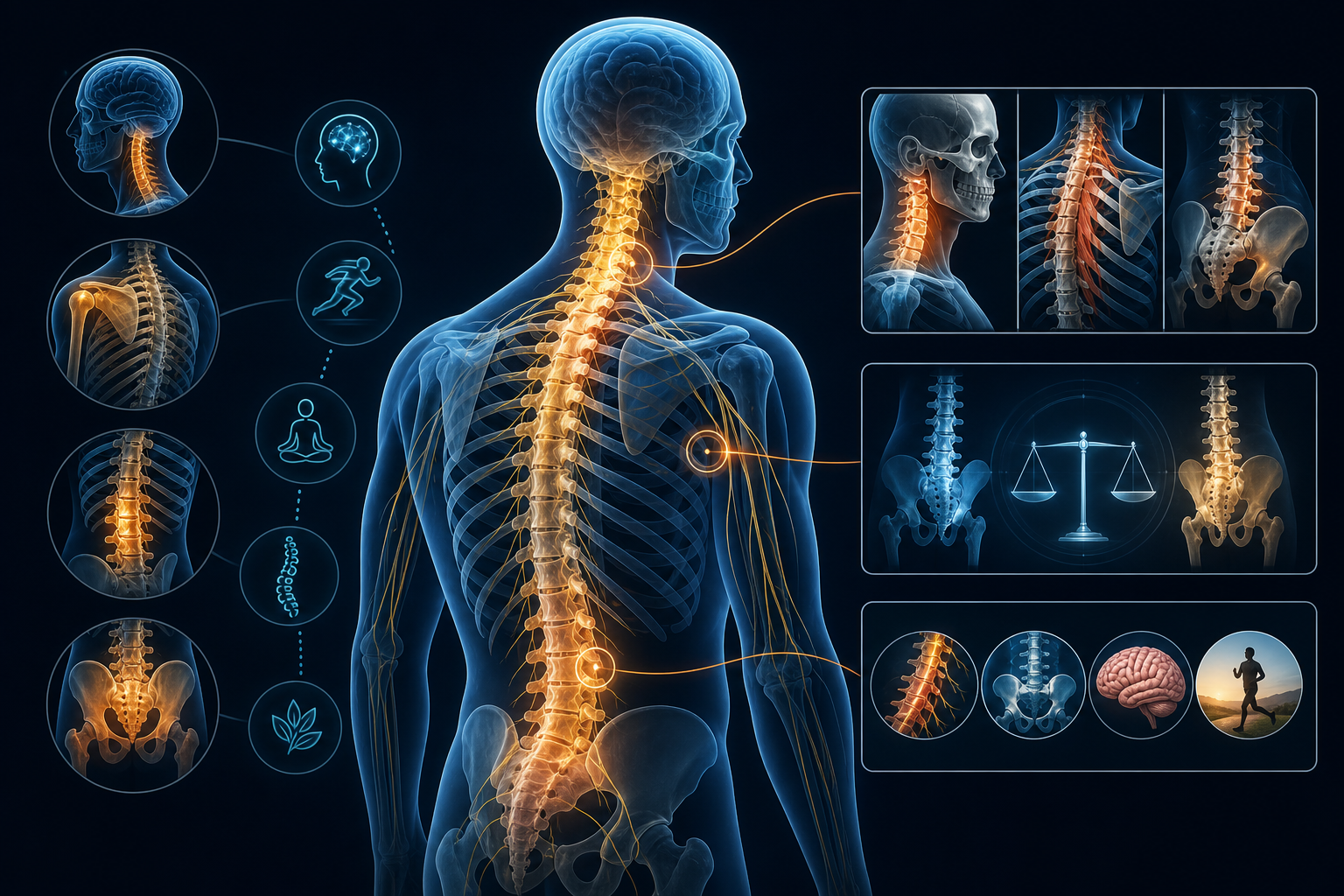
You cannot fully prevent age-related disc changes, and you do not need to treat normal aging as a failure. However, you may be able to reduce symptom flare-ups and support spinal health through regular physical activity, strength training, good sleep habits, smoking avoidance, ergonomic adjustments, and prompt attention to recurring pain patterns.
The goal is not to create a perfect spine. The goal is to help your neck stay mobile, strong, and resilient enough for your daily life.
Finding the Right Provider
If you are searching for treatment for cervical disc degeneration, look for a provider who performs a thorough exam, explains findings clearly, screens for nerve-related signs, and gives you an active plan rather than only passive treatment. The best fit may depend on your symptoms and preferences.
A chiropractor may be a good starting point if you want hands-on care, mobility work, and guidance on movement and posture. A physical therapist may be a good fit if you need progressive exercise, strength, endurance, or work-specific rehabilitation. In many cases, care can be collaborative.
Medximity helps patients compare providers and find conservative care options. Start by searching for a chiropractor for cervical disc degeneration near me or a physical therapist for neck disc degeneration.
Frequently Asked Questions
What is neck disc degeneration?
Neck disc degeneration is a gradual change in the discs between the bones of the cervical spine. Discs may lose hydration, become thinner, or change shape over time. These changes are common with aging and do not always cause pain.
Is neck disc degeneration the same as a herniated disc?
No. Degeneration refers to gradual wear-related disc changes. A herniated disc means disc material has pushed beyond its usual boundary and may irritate nearby tissues or nerves. The two can occur together, but they are not identical.
Can cervical disc degeneration cause arm tingling?
It may. Neck pain with arm tingling can occur when a cervical nerve root is irritated. Tingling can also come from other causes, so it is important to be evaluated if symptoms travel into the shoulder, arm, hand, or fingers.
Is cervical disc degeneration normal aging?
In many cases, yes. Disc changes are common as people get older. However, symptoms such as persistent pain, stiffness, weakness, numbness, or tingling should be assessed by a qualified provider.
What is the best treatment for cervical disc degeneration?
There is no single best treatment for everyone. Conservative care may include chiropractic care, physical therapy, exercise, posture changes, ergonomic adjustments, and education. The right plan depends on symptoms, exam findings, and goals.
What exercises are best for cervical disc degeneration?
Many people benefit from gentle chin tucks, upper back mobility, shoulder blade strengthening, and controlled neck range-of-motion exercises. If you have arm tingling, numbness, or weakness, ask a provider before starting exercises.
How long does cervical disc pain last?
Recovery time varies. Mild flare-ups may improve within days to weeks, while symptoms involving nerve irritation may take longer. If pain is worsening, recurring, or limiting daily activities, consider scheduling an evaluation.
When should I see a chiropractor or physical therapist?
Consider seeing a provider if neck pain persists, keeps returning, affects work or sleep, or is accompanied by arm tingling, numbness, or weakness. A provider can assess your symptoms and recommend an appropriate conservative care plan.
Key Takeaway
Neck disc degeneration is common, and imaging findings do not always equal pain. When symptoms occur, they may include stiffness, neck pain, headaches, reduced motion, or arm tingling. Conservative treatment for cervical disc degeneration may help many people improve comfort and function through movement, strengthening, hands-on care, and practical daily changes. If symptoms are persistent or nerve-related, a qualified provider can help you understand what is happening and what steps may be appropriate for your situation.