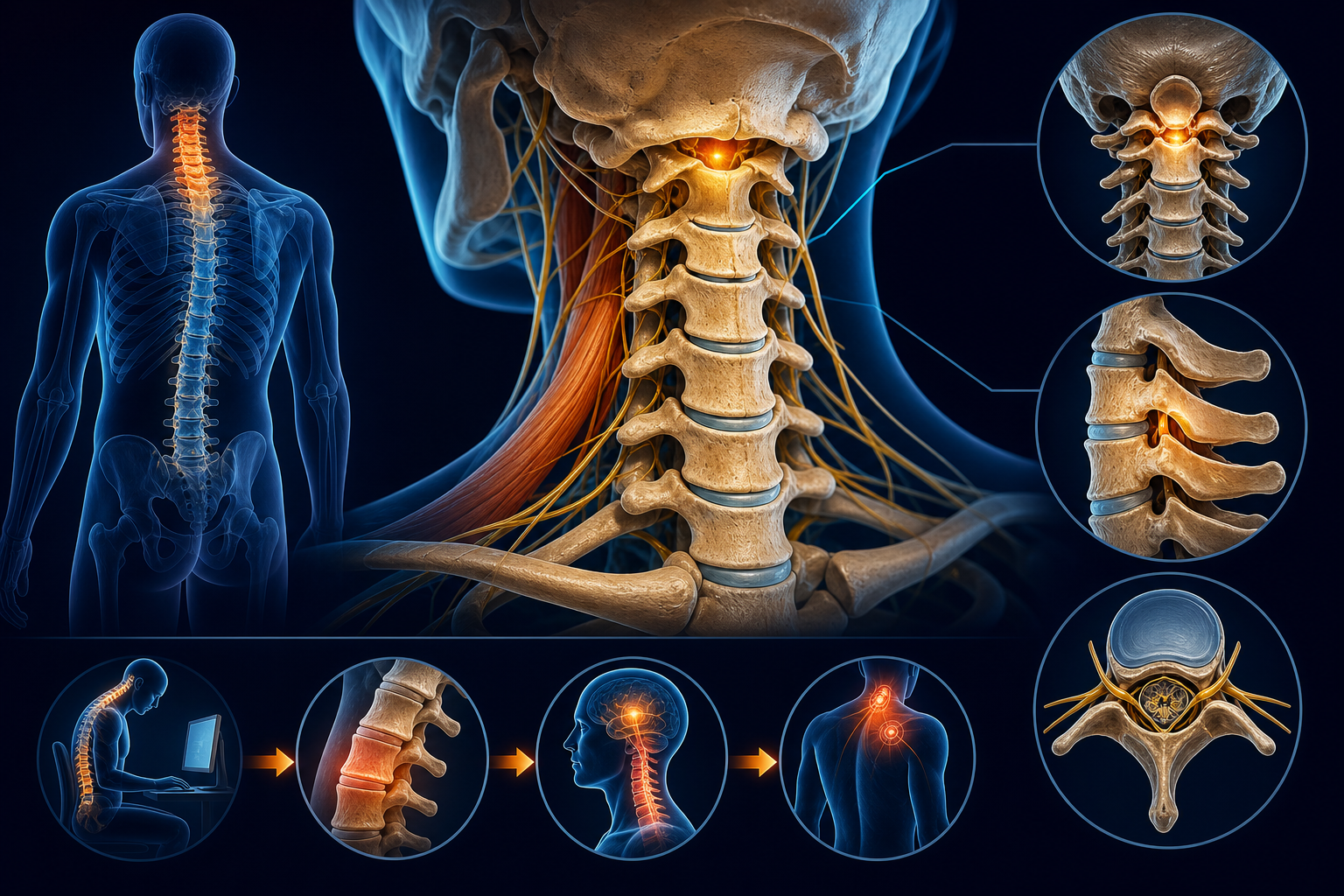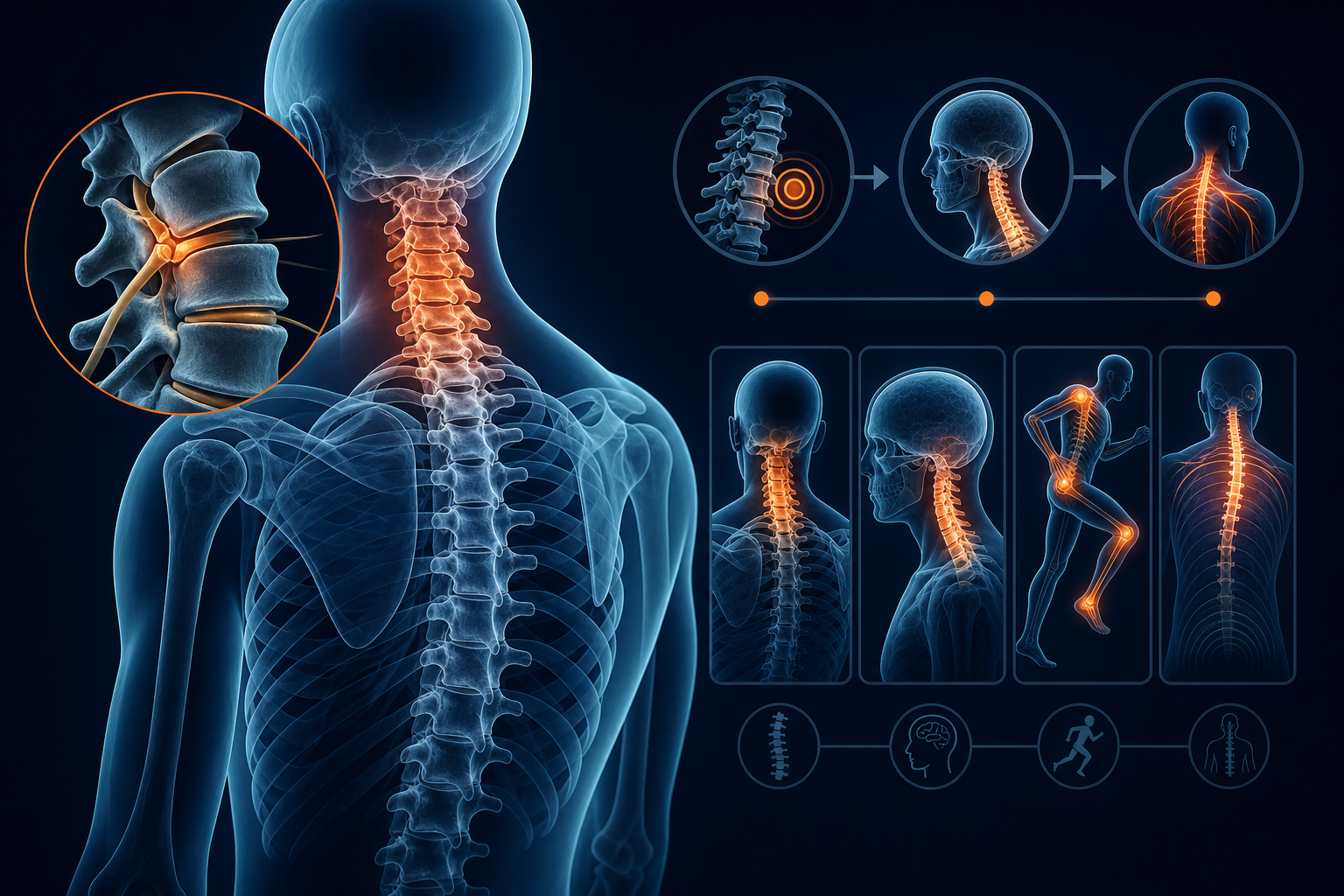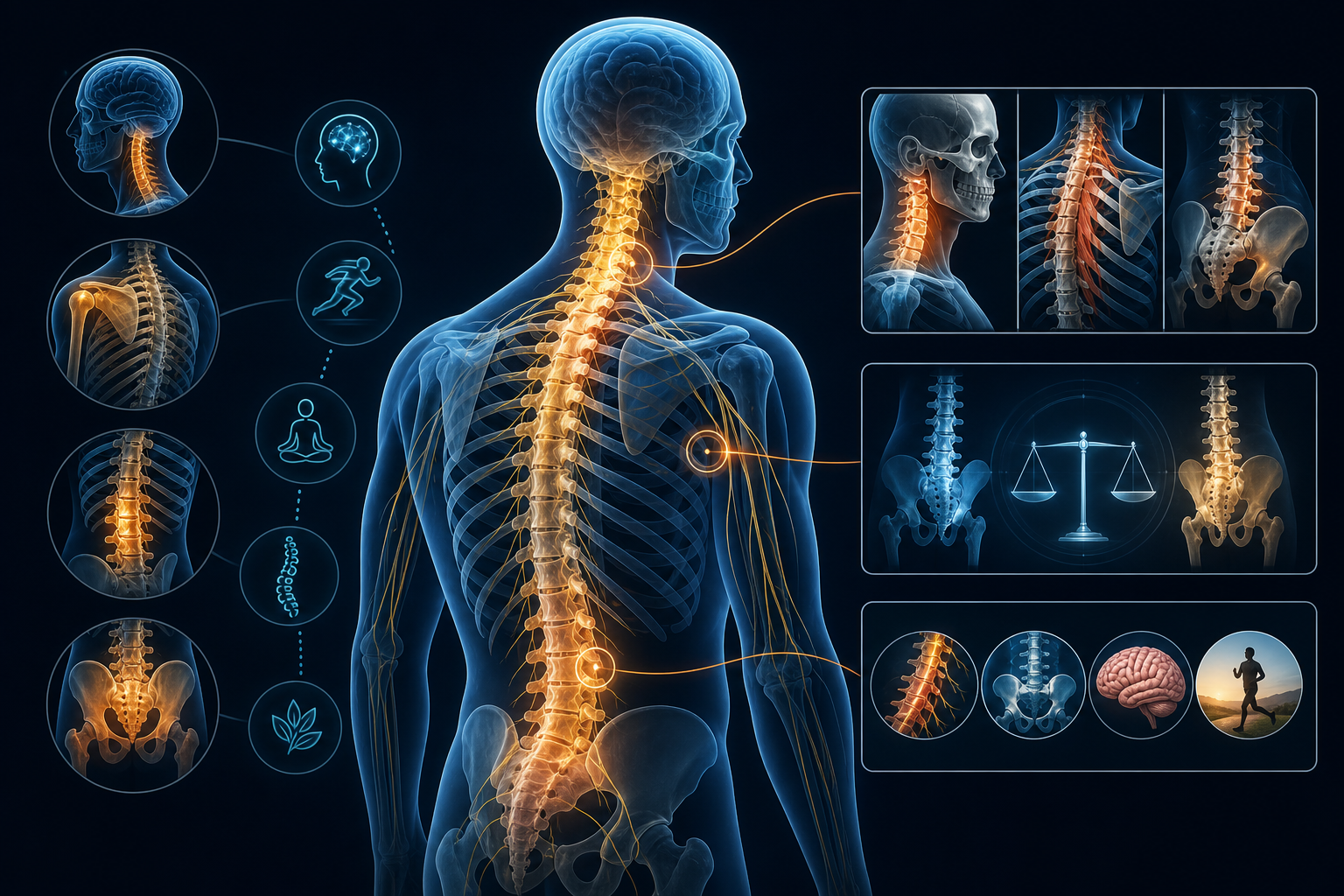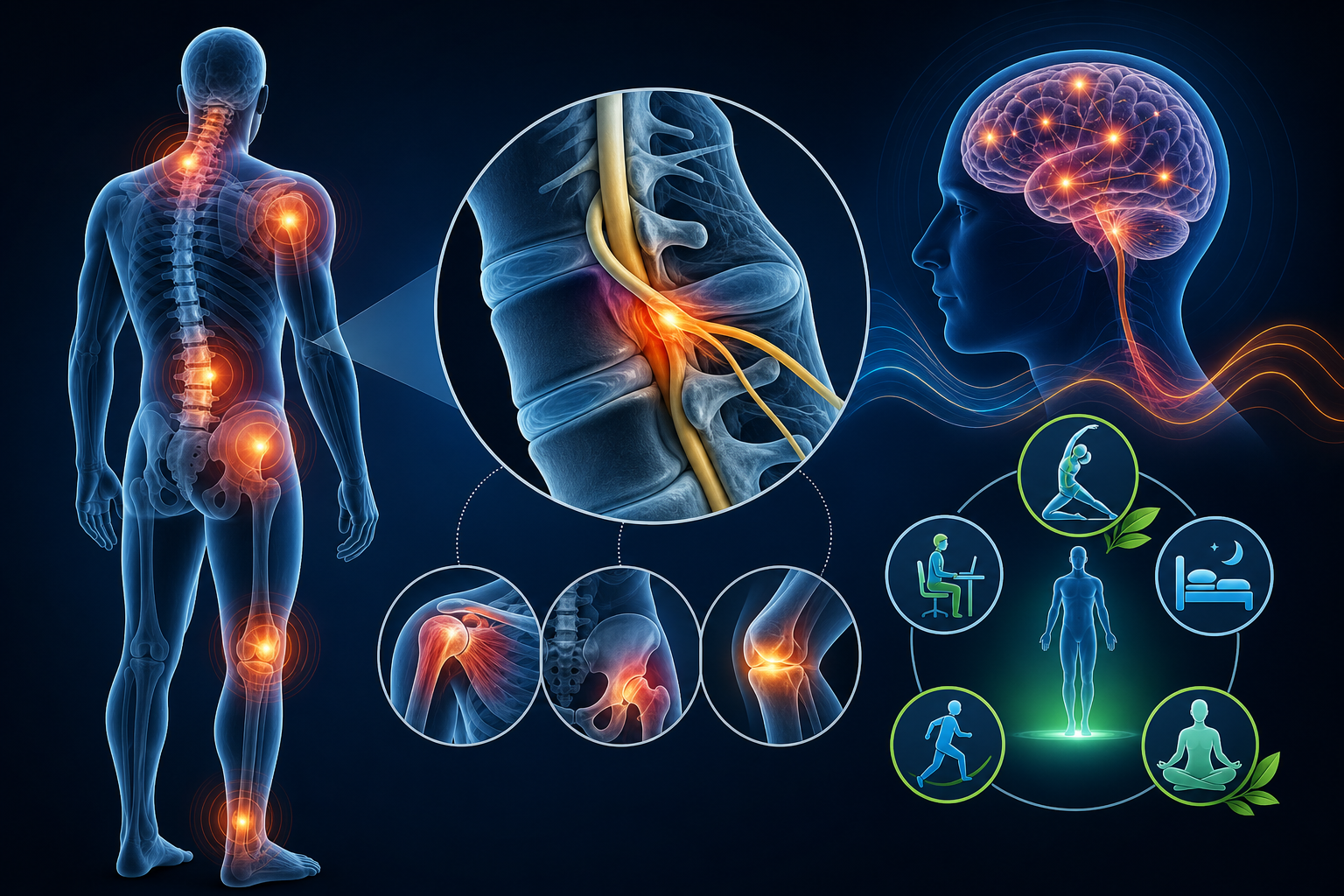
Understanding Chronic Pain: Symptoms, Causes, and Treatment begins with one key idea: chronic pain is not simply pain that feels severe. It is pain that persists, returns, or affects daily function over time. For many people, chronic pain can make work, sleep, exercise, driving, family responsibilities, and mood harder to manage.
Chronic pain is commonly described as pain that lasts longer than about three months, although the exact definition may vary by clinical context. It may follow an injury, develop gradually, or appear without one clear cause. Some people feel pain in one area, such as the low back or neck. Others describe pain all over the body for months, widespread soreness, burning, stiffness, or fatigue along with their pain.
This article explains what chronic pain is, common chronic pain symptoms, how chronic pain differs from acute pain, why pain may keep returning, and what conservative treatment options may help. It is educational and is not a diagnosis. If pain is affecting your daily life, a qualified healthcare provider can evaluate your specific symptoms and help you understand safe next steps.
What Is Chronic Pain?
Chronic pain is ongoing or recurring pain that lasts beyond the expected healing window for many injuries or conditions. In many clinical settings, pain lasting longer than three months is considered chronic. That does not mean the pain is imaginary or that nothing can be done. It means the pain system may have become more complex than the original injury alone.
Pain is produced by the nervous system as a protective signal. In acute pain, that signal often alerts you to a new injury, tissue irritation, or illness. With chronic pain, the signal may continue even after tissues have healed as much as they are likely to heal, or it may fluctuate because the body remains sensitive to movement, stress, inflammation, posture, sleep disruption, or repeated strain.
People searching for what is chronic pain symptoms are often trying to understand why their pain has not followed a simple timeline. Chronic pain can involve muscles, joints, discs, nerves, tendons, ligaments, or multiple body systems. It can also be influenced by how the brain and spinal cord process pain signals over time.
Chronic Pain vs Acute Pain Symptoms
Understanding chronic pain vs acute pain symptoms can help you describe your experience more clearly when you see a provider.
Acute pain
Acute pain usually begins suddenly. It may occur after a fall, a sports injury, a strain, a cut, or a clear event such as lifting something heavy. Acute pain often improves as the irritated tissue heals. It may feel sharp, throbbing, sore, swollen, or tender. In many cases, the pattern is easier to connect to a specific cause.
Chronic pain
Chronic pain lasts longer, returns repeatedly, or seems out of proportion to what you expected. It may be steady or come and go. It may feel aching, burning, stabbing, tight, electric, deep, or widespread. Some patients report that pain changes location or becomes easier to trigger over time. Others say, “I feel better for a while, then the same pain comes back.”
Chronic pain can also affect sleep, energy, mood, and activity level. These effects can create a difficult cycle: pain limits movement, reduced movement contributes to stiffness and weakness, and stiffness or weakness may make pain more likely to return.
Common Chronic Pain Symptoms
Chronic pain symptoms vary widely. Some people have a specific painful area, while others have more widespread symptoms. Common descriptions include:
- Aching pain that lasts for months
- Stiffness after sitting, sleeping, or standing
- Burning, tingling, or radiating discomfort
- Sharp pain with certain movements
- Muscle tightness or spasms
- Joint soreness or reduced range of motion
- Headaches associated with neck tension
- Back pain that improves and then returns
- Pain that worsens with stress, poor sleep, or inactivity
- Fatigue, reduced endurance, or fear of movement
Chronic pain does not always mean constant pain. Some people have daily symptoms. Others have flares that happen after activity, weather changes, long drives, desk work, or physical stress. If you are asking, “Is it normal to hurt every day?”, the answer is that daily pain is common, but it should not be ignored. A provider can help determine whether your symptoms fit a musculoskeletal pattern, a nerve-related pattern, a post-injury pattern, or something that needs additional medical evaluation.
How Long Does Chronic Pain Last?
How long does chronic pain last? depends on the underlying cause, your overall health, activity level, stress, sleep, previous injuries, and how your nervous system is responding. Some chronic pain improves with a structured care plan and consistent self-management. Some conditions require longer-term management with periodic flare-ups. Others may need evaluation by more than one type of provider.
It is helpful to think of chronic pain less as a simple countdown and more as a pattern to understand. A provider may ask when the pain started, what makes it better or worse, whether it travels, whether there are neurological symptoms, and how it affects walking, bending, lifting, work, or sleep. These details can guide conservative care and help identify warning signs that require prompt attention.
Why Does My Pain Keep Returning?
If you often wonder, “Why does my pain keep returning?”, there may be several possible reasons. Pain that returns is not always a sign of a new injury. It may reflect a combination of tissue sensitivity, mechanics, conditioning, workload, and nervous system sensitivity.
Incomplete recovery after an injury
After a sprain, strain, collision, or overuse injury, pain may improve before strength, mobility, and coordination fully recover. If you return to the same workload too quickly, the area may become irritated again. This is common with back pain, neck pain, shoulder pain, and repetitive-use injuries.
Movement patterns and posture stress
Posture does not need to be perfect to be healthy. However, long periods in one position can irritate sensitive tissues. Desk work, driving, lifting, repetitive bending, and prolonged phone use may contribute to recurring neck, back, shoulder, or hip pain in some people.
Weakness, stiffness, or poor load tolerance
Muscles and joints generally tolerate activity better when they are gradually conditioned. If an area is stiff, weak, or deconditioned, normal tasks can feel harder. Physical therapy and rehabilitation often focus on improving load tolerance so daily activities become less provocative.
Nerve sensitivity
Nerves can become irritated by inflammation, compression, or repeated mechanical stress. Some people experience tingling, burning, numbness, or pain that travels into an arm or leg. These symptoms should be assessed by a qualified provider, especially if they are worsening or associated with weakness.
Central sensitization
In some chronic pain conditions, the nervous system becomes more sensitive. This is sometimes called central sensitization. It may mean the body reacts strongly to normal movement, touch, stress, or fatigue. This does not mean the pain is “all in your head.” It means the pain-processing system may be on high alert. Conservative care may include graded activity, education, pacing, sleep support, and strategies to calm the system over time.
Pain All Over the Body for Months: What It May Mean
Pain all over the body for months can be especially frustrating because it may not point to one simple structure. Widespread pain may be associated with muscle sensitivity, chronic stress load, sleep disruption, inflammatory conditions, post-viral syndromes, fibromyalgia-like symptoms, medication effects, or other medical factors. Only a qualified clinician can evaluate which possibilities may apply to you.
If your pain is widespread, your provider may ask about fatigue, sleep quality, morning stiffness, headaches, digestive symptoms, mood changes, exercise tolerance, and any recent illness or injury. They may also ask whether pain is symmetrical, whether joints are swollen, and whether symptoms are changing over time.
Conservative musculoskeletal care may still play a helpful role for some patients with widespread pain, especially when the focus is gentle movement, flexibility, gradual strengthening, pacing, and function. However, widespread pain should be evaluated carefully, particularly if it is new, worsening, associated with unexplained weight loss, fever, significant weakness, or other systemic symptoms.
Common Causes and Contributors to Chronic Pain
Chronic pain can come from one main source or several overlapping contributors. A careful evaluation is important because two people with the same pain location may need different care plans.
Back pain and spinal conditions
Back pain is one of the most common reasons people seek conservative care. It may be associated with muscle strain, joint irritation, disc-related symptoms, movement limitations, arthritis-related changes, or nerve irritation. If back pain is part of your concern, Medximity’s resource on back pain symptoms and conservative care may help you understand common patterns.
Neck pain and headaches
Neck pain may develop after an injury, long-term desk work, poor sleep position, stress-related muscle tension, or degenerative changes. It may be linked with headaches, shoulder tension, or symptoms into the arm. Learn more in Medximity’s guide to neck pain causes and treatment options.
Arthritis-related joint pain
Arthritis-related changes can contribute to chronic joint stiffness, aching, and reduced mobility. Conservative care may focus on improving strength, joint motion, balance, and daily activity tolerance. Many people with arthritis-related pain benefit from a plan that balances movement with recovery.
Old injuries that never fully settled
An old ankle sprain, knee injury, shoulder strain, or back injury can sometimes change how a person moves. Over time, compensation patterns may irritate other areas. Rehabilitation can often help identify these patterns and gradually restore strength, mobility, and confidence.
Repetitive strain
Work tasks, sports, hobbies, caregiving, and household responsibilities can overload the same tissues repeatedly. Tendons, muscles, and joints may become sensitive when the load exceeds recovery. A treatment plan may include ergonomic changes, graded exercise, and technique adjustments.
Stress, sleep, and nervous system load
Pain is affected by the whole person. Poor sleep, chronic stress, low activity, anxiety about movement, and fatigue can increase pain sensitivity. This does not make pain less real. It means a complete plan often addresses both the painful area and the habits that influence recovery.
Chronic Pain After a Car Accident
Chronic pain after car accident injuries can involve the neck, back, shoulders, hips, knees, or headaches. Some symptoms appear right away. Others may become more noticeable days or weeks later as inflammation, muscle guarding, and altered movement patterns develop.
Common post-collision complaints include whiplash-associated neck pain, low back pain, headaches, shoulder pain, jaw discomfort, dizziness, and radiating symptoms. Not every symptom after a crash is musculoskeletal, so it is important to seek appropriate medical evaluation, especially if pain is severe, worsening, or accompanied by neurological symptoms.
Conservative care after a motor vehicle injury may include gentle mobility work, soft tissue therapy, chiropractic evaluation when appropriate, physical therapy, postural retraining, strengthening, balance work, and a gradual return to normal activities. The goal is typically to reduce irritation, improve movement, and help the patient rebuild function safely. Outcomes vary, and a provider can explain what is reasonable based on your exam findings.
When to See a Provider for Chronic Pain
You do not have to wait until pain becomes unbearable to ask for help. Consider scheduling an evaluation if pain has lasted more than a few weeks, keeps returning, limits your normal activities, affects sleep, or makes you avoid movement. A provider can assess your symptoms, screen for concerning signs, and recommend a conservative plan when appropriate.
Seek prompt medical attention if pain follows major trauma, is associated with chest pain, severe headache, fainting, fever, unexplained weight loss, new bowel or bladder changes, progressive weakness, numbness in the groin or saddle area, or significant neurological symptoms. These signs may require urgent evaluation.
If your symptoms seem musculoskeletal, you can search Medximity for physical therapy for chronic pain near me or a chronic pain chiropractor near me. A conservative care provider can help determine whether your pain pattern is appropriate for treatment in their setting or whether referral is needed.
What to Expect During a Chronic Pain Evaluation
A chronic pain evaluation usually begins with a detailed conversation. Your provider may ask when the pain started, how it feels, where it travels, what triggers it, what relieves it, and how it affects daily life. They may also ask about prior injuries, work demands, exercise habits, sleep, stress, and medical history.
History and symptom review
Your description matters. Try to explain whether pain is sharp, dull, burning, throbbing, tight, or electric. Note whether it is constant or intermittent. Tell the provider if symptoms are changing, spreading, or associated with numbness, tingling, weakness, dizziness, headaches, or balance problems.
Movement and functional assessment
The provider may assess posture, walking, balance, range of motion, strength, flexibility, joint mobility, and movement patterns. They may ask you to bend, squat, turn, raise an arm, or perform other simple movements to see what reproduces symptoms. This helps connect pain to function.
Neurological screening when needed
If you have radiating pain, numbness, tingling, or weakness, your provider may perform basic neurological tests such as reflexes, sensation, and strength checks. Depending on findings, they may recommend additional evaluation by an appropriate medical professional.
Care plan discussion
A good care plan should be understandable. You should know what the provider thinks may be contributing to your symptoms, what treatment options may help, how progress will be measured, what you can do at home, and when the plan should be adjusted.
Chronic Pain Treatment Without Surgery
Many people search for chronic pain treatment without surgery because they want to improve function while starting with conservative options. Conservative care does not guarantee that pain will disappear, but it may help many patients move better, reduce flare frequency, improve strength, and regain confidence in daily activities.
The best conservative care for chronic pain usually depends on the individual. A plan may combine hands-on care, exercise, education, pacing, ergonomic changes, and lifestyle support. The goal is not only short-term relief. It is also to help you understand your pain and build capacity over time.
Physical therapy for chronic pain
Physical therapy for chronic pain often focuses on movement, strength, flexibility, balance, and functional training. A physical therapist may start with gentle exercises and progress gradually as your tolerance improves. Treatment may also include manual therapy, neuromuscular re-education, posture and body mechanics coaching, and home exercise instruction.
If you are searching for physical therapy services for chronic pain, look for a provider who explains the plan clearly and adjusts exercises based on your response. Pain during rehab should be monitored, not ignored. Some mild discomfort may occur with new movement, but sharp, worsening, or concerning symptoms should be discussed with your provider.
Chiropractic care for chronic pain
Chiropractic care may be considered for some types of back pain, neck pain, joint restriction, and movement-related symptoms. A chiropractor may use spinal or joint manipulation, mobilization, soft tissue techniques, exercise instruction, and ergonomic guidance. Chiropractic treatment is not appropriate for every condition, so evaluation and screening are important.
Patients looking for chiropractic care for chronic pain should expect a provider to review health history, assess movement, explain risks and benefits, and refer out when symptoms suggest another type of care is needed.
Rehabilitation and graded activity
Graded activity means building tolerance step by step. Instead of waiting for a completely pain-free day, a provider may help you find a safe baseline of activity and increase gradually. This can be helpful when chronic pain has led to fear of movement, deconditioning, or repeated flare-ups after doing too much too soon.
Manual therapy and soft tissue care
Manual therapy may include joint mobilization, soft tissue techniques, stretching, or assisted movement. Some patients report short-term relief and improved mobility after hands-on care. For chronic pain, manual therapy is often most useful when paired with active rehabilitation, education, and home strategies.
Ergonomics and daily movement changes
Small changes to workstations, lifting habits, driving posture, sleep position, or activity pacing may reduce repeated irritation. Ergonomics is not about holding one perfect posture all day. It is about varying positions, reducing unnecessary strain, and matching tasks to what your body can tolerate.
How to Manage Chronic Pain Naturally
Many people ask how to manage chronic pain naturally. Natural management generally means non-invasive strategies that support movement, recovery, and nervous system regulation. These strategies should be tailored to your health status and discussed with a provider, especially if pain is new, severe, or changing.
Move consistently, but pace yourself
Gentle movement may help reduce stiffness and improve circulation. Walking, mobility exercises, light strengthening, stretching, aquatic exercise, or cycling may be options depending on your condition. The key is consistency and pacing. Doing too much on a good day can trigger a flare. Doing nothing for long periods can increase stiffness and sensitivity.
Use a flare-up plan
A flare-up plan can help you respond calmly when pain increases. This may include reducing activity intensity for a short time, using gentle range-of-motion exercises, prioritizing sleep, applying heat or cold if recommended by your provider, and returning gradually to your baseline routine. A provider can help you create a plan that fits your symptoms.
Improve sleep habits
Pain and sleep influence each other. Poor sleep can increase pain sensitivity, and pain can interrupt sleep. Regular sleep and wake times, reduced late caffeine, a calming wind-down routine, and supportive positioning may help some people. If pain is consistently preventing sleep, discuss it with a healthcare professional.
Build strength gradually
Strength training does not need to be intense to be useful. For chronic pain, the starting point may be very gentle. Over time, stronger muscles can support joints better and improve tolerance for daily tasks. A physical therapist can help choose exercises that match your current ability.
Reduce long periods of stillness
If sitting or standing for a long time worsens symptoms, try changing positions more often. Brief movement breaks may be more effective than forcing yourself into one posture. Even one or two minutes of walking, stretching, or breathing can help some people reset tension during the day.
Pay attention to stress load
Stress does not cause all chronic pain, but it can make pain feel louder. Breathing exercises, gentle movement, time outdoors, counseling, mindfulness, and social support may help some people manage the nervous system side of chronic pain. These strategies work best as part of a broader care plan, not as a replacement for evaluation when symptoms are significant.
How Providers Measure Progress in Chronic Pain Care
With chronic pain, progress is not always a straight line. A realistic plan often looks for several signs of improvement, not just a lower pain number. Your provider may track:
- Better sleep
- Improved range of motion
- Increased walking, lifting, or sitting tolerance
- Fewer flare-ups or shorter flare duration
- Improved strength or balance
- Less fear with movement
- Return to work, exercise, hobbies, or family activities
- Reduced reliance on rest to get through the day
Some patients feel better quickly. Others improve gradually with ups and downs. If a treatment plan is not helping, it should be reassessed. Your provider may modify exercises, change visit frequency, coordinate with another clinician, or recommend further evaluation when appropriate.
Questions to Ask a Chronic Pain Provider
When choosing care, it is reasonable to ask direct questions. Helpful questions include:
- What patterns do you see in my symptoms and movement exam?
- Are there any signs that I need another type of evaluation?
- What conservative treatments may help my condition?
- How will we measure progress?
- What should I do at home between visits?
- What symptoms mean I should stop an exercise or contact you?
- How long should we try this plan before reassessing?
A trustworthy provider should welcome these questions and answer in plain language. You should feel informed, not pressured.
Finding Conservative Chronic Pain Care Near You
If chronic pain is affecting your life, it may be time to get a professional evaluation. Medximity helps patients find conservative care providers, including chiropractors and physical therapists, based on specialty and location. You can compare provider profiles, learn about services, and choose a practice that fits your needs.
Start by searching for physical therapists near you if you want help with exercise-based rehabilitation, mobility, strength, and functional recovery. You can also search for chiropractors near you if you are interested in spine, joint, and movement-focused conservative care.
Chronic pain can feel discouraging, especially when symptoms keep returning. But ongoing pain does not mean you are out of options. With a careful evaluation, a clear plan, and realistic goals, many people can improve function and learn better ways to manage symptoms over time.
Frequently Asked Questions About Chronic Pain
What is chronic pain?
Chronic pain is pain that lasts longer than expected, often more than about three months, or pain that keeps returning. It may follow an injury, develop gradually, or occur with no obvious cause. A provider can help evaluate the likely contributors.
Is it normal to hurt every day?
Daily pain is common, but it is not something you have to simply accept without evaluation. If you hurt every day, especially if pain affects sleep, work, walking, or mood, consider seeing a qualified provider.
What is the difference between chronic pain and acute pain?
Acute pain usually begins suddenly and improves as an injury heals. Chronic pain lasts longer, returns repeatedly, or continues after the expected healing period. Chronic pain may involve tissue irritation, nervous system sensitivity, movement patterns, or several factors at once.
Can chronic pain happen after a car accident?
Yes. Some people develop ongoing neck pain, back pain, headaches, or other symptoms after a car accident. A proper evaluation can help determine whether symptoms appear musculoskeletal and whether conservative care may be appropriate.
Can physical therapy help chronic pain?
Physical therapy may help many patients with chronic pain by improving strength, mobility, balance, movement confidence, and activity tolerance. Results vary, and the plan should be tailored to your symptoms and goals.
Can chiropractic care help chronic pain?
Chiropractic care may help some patients with certain spine, joint, and movement-related pain patterns. A chiropractor should evaluate your history, screen for warning signs, explain treatment options, and refer you when another type of care is more appropriate.
How can I manage chronic pain naturally?
Natural chronic pain management may include gentle movement, graded strengthening, pacing, sleep support, ergonomic changes, stress reduction, and conservative care. These strategies should be personalized with help from a qualified provider.
When should I seek urgent care for pain?
Seek prompt medical attention for pain with major trauma, chest pain, severe headache, fever, unexplained weight loss, new bowel or bladder changes, progressive weakness, saddle numbness, fainting, or other concerning symptoms.