When Back Pain Changes Everything
Sarah had always prided herself on her active lifestyle. At 45, she regularly played tennis, chased after her young grandchildren, and maintained a demanding career in marketing. But over the past six months, something had gradually changed. What started as occasional lower back stiffness after long days at her desk had evolved into persistent, nagging pain that radiated down her left leg. Simple tasks like loading the dishwasher or picking up her grandson became exercises in careful positioning and wincing discomfort.
The breaking point came on a Tuesday morning when Sarah bent down to tie her shoes and felt a sharp, electric sensation shoot through her lower back. The pain was so intense that she had to sit on the edge of her bed for several minutes before she could stand upright. That afternoon, her family doctor delivered news that left her feeling both relieved and anxious: "You have lumbar disc degeneration, specifically what we call 'other intervertebral disc degeneration of the lumbar region.'"
Like many patients hearing this diagnosis for the first time, Sarah felt overwhelmed by questions and concerns. What exactly did this mean for her future? Would she be able to return to her active lifestyle? The medical terminology felt intimidating, and she worried about whether surgery would be her only option. Sarah's experience reflects that of millions of Americans who discover that their chronic back pain has a name—and more importantly, that effective treatment options exist.
Taking the First Steps Toward Relief
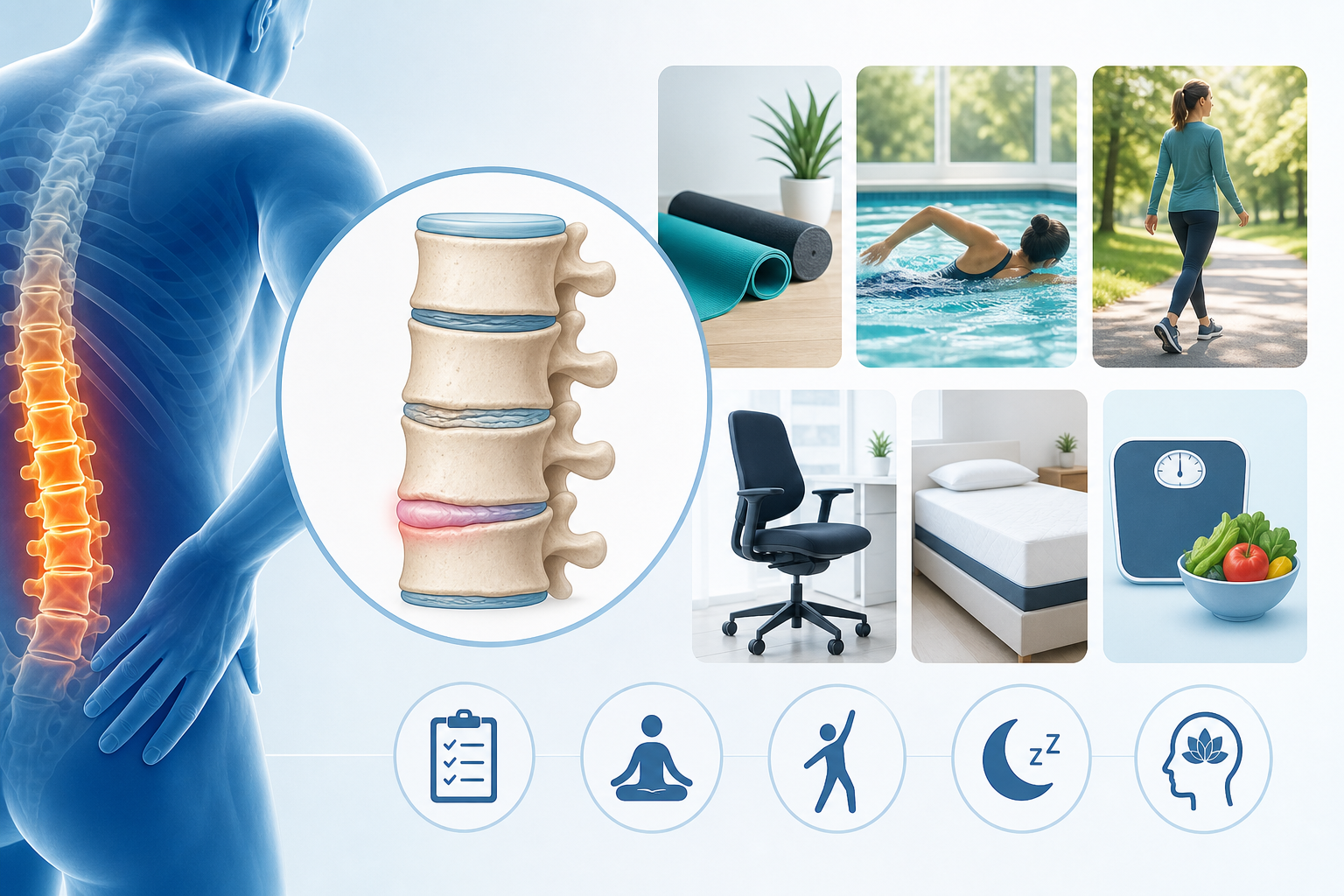
Understanding lumbar disc degeneration begins with recognizing what happens in the spine over time. The intervertebral discs in the lower back serve as natural shock absorbers between the vertebrae. As people age, these discs naturally lose some of their water content and flexibility, a process that can be accelerated by factors such as genetics, lifestyle, or previous injuries. When healthcare providers diagnose "other intervertebral disc degeneration, lumbar region," they're identifying changes in these discs that may be contributing to pain, stiffness, or other symptoms.
Many patients, like Sarah, initially attempt to manage their symptoms through rest, over-the-counter pain medications, and activity modifications. While these approaches can provide temporary relief, persistent or worsening symptoms typically indicate the need for a more comprehensive evaluation. Healthcare providers often recommend starting with conservative treatments, which may include anti-inflammatory medications, gentle stretching, and gradual return to appropriate activities.
The importance of proper medical evaluation cannot be overstated. A thorough assessment typically includes a detailed medical history, physical examination, and often imaging studies such as MRI or CT scans. This comprehensive approach helps healthcare providers understand the extent of disc degeneration and rule out other potential causes of back pain, such as spinal stenosis or herniated discs.
Patients should consider seeking specialized care when conservative measures fail to provide adequate relief after several weeks, when pain significantly impacts daily activities, or when symptoms worsen despite treatment. Early intervention with appropriate specialists can often prevent the progression of symptoms and improve long-term outcomes. The key is recognizing that lumbar disc degeneration is a manageable condition with numerous treatment pathways available.
Discovering Your Treatment Options
The landscape of treatment options for lumbar disc degeneration has expanded significantly in recent years, offering patients multiple pathways to relief. Conservative treatments remain the foundation of most treatment plans and often provide substantial improvement for many patients. Physical therapy plays a central role, focusing on strengthening core muscles, improving flexibility, and teaching proper body mechanics. Studies suggest that structured physical therapy programs can reduce pain and improve function in approximately 60-80% of patients with degenerative disc conditions.
Medication management may include anti-inflammatory drugs, muscle relaxants, or in some cases, prescription pain medications for short-term use. Healthcare providers may also recommend epidural steroid injections, which can provide targeted relief by reducing inflammation around affected nerve roots. These injections can offer relief lasting several months and may be repeated as needed, with success rates ranging from 50-90% depending on individual circumstances.
For patients who don't achieve adequate relief through conservative measures, minimally invasive procedures offer promising alternatives to traditional surgery. These may include radiofrequency ablation, which uses heat to interrupt pain signals, or percutaneous disc decompression techniques. These procedures typically involve smaller incisions, shorter recovery times, and lower complication rates compared to open surgery.
Surgical options become consideration when conservative treatments fail and symptoms significantly impact quality of life. Procedures may range from discectomy (removal of damaged disc material) to spinal fusion in more severe cases. Modern surgical techniques have improved significantly, with many procedures now performed using minimally invasive approaches that reduce tissue damage and accelerate recovery.
Alternative and complementary approaches, including acupuncture, chiropractic care, and massage therapy, may provide additional benefits for some patients. While these treatments may not address the underlying disc degeneration, they can contribute to pain management and improved mobility. Success rates vary widely among individuals, emphasizing the importance of personalized treatment approaches that may combine multiple modalities for optimal results.
Making Informed Treatment Decisions
Evaluating treatment options requires careful consideration of individual circumstances, including the severity of symptoms, overall health status, lifestyle factors, and personal treatment preferences. Age, activity level, and specific symptoms all play crucial roles in determining the most appropriate treatment approach. Healthcare providers consider these factors alongside imaging findings and response to previous treatments when developing recommendations.
Patients should come prepared with important questions when discussing treatment options with their healthcare team. Key questions include understanding the expected timeline for improvement, potential risks and benefits of each treatment option, and what to expect during recovery. Asking about success rates specific to your condition and circumstances can help set realistic expectations. It's also important to understand what symptoms warrant immediate medical attention and how to monitor progress effectively.
Understanding risks, benefits, and recovery timelines helps patients make informed decisions aligned with their goals and circumstances. Conservative treatments typically involve lower risks but may require patience, as improvement often occurs gradually over weeks to months. Minimally invasive procedures may offer faster relief but involve procedural risks and recovery periods. Surgical options, while potentially offering the most dramatic improvement, require careful consideration of surgical risks and longer recovery commitments.
Building an effective healthcare team often involves multiple specialists working collaboratively. This team may include orthopedic spine specialists or neurosurgeons for surgical evaluation, physical therapists for movement and strengthening programs, and pain management specialists for comprehensive pain control strategies. Each provider brings specific expertise that contributes to a comprehensive treatment approach.
Cost considerations and insurance coverage vary significantly depending on treatment choices and individual insurance plans. Most conservative treatments, including physical therapy and standard medications, are typically well-covered by insurance. More specialized procedures may require prior authorization or have higher out-of-pocket costs. Patients should verify coverage details and understand their financial responsibilities before proceeding with treatment recommendations.
Your Next Steps to Better Spine Health
The journey from chronic back pain to effective treatment may feel overwhelming, but it's important to remember that numerous effective treatment options exist for lumbar disc degeneration. Medical advances continue to expand the toolkit available to healthcare providers, offering patients more choices and better outcomes than ever before. The key is taking that first step toward professional evaluation and treatment rather than continuing to suffer in silence.
Finding qualified specialists in your area is often the most crucial step in your treatment journey. MedXimity's healthcare provider directory can help you locate experienced orthopedic spine specialists, neurosurgeons, physical therapists, and pain management specialists who understand the complexities of treating lumbar disc degeneration. Look for providers who take time to explain your condition, discuss all appropriate treatment options, and involve you as an active participant in treatment decisions.
Remember that treatment journeys are highly individual, and progress often takes time. What works best for one person may not be the ideal approach for another. Be patient with the process, maintain open communication with your healthcare team, and remain committed to recommended treatments. With proper care and persistence, most patients with lumbar disc degeneration can achieve significant improvement in their symptoms and return to meaningful, active lives.
Frequently Asked Questions
How long does it take to see improvement with conservative treatment for lumbar disc degeneration?
Most patients may begin to notice some improvement within 2-4 weeks of starting conservative treatment, though significant improvement often takes 6-12 weeks. Physical therapy typically requires consistent participation over several months to achieve optimal results. Healthcare providers usually recommend trying conservative approaches for at least 6-8 weeks before considering more invasive options.
Are there warning signs that indicate I need immediate medical attention for my back pain?
Patients should seek immediate medical care if they experience sudden severe pain, loss of bowel or bladder control, significant weakness in the legs, or numbness in the saddle area. Progressive neurological symptoms, such as increasing leg weakness or numbness, also warrant prompt evaluation by a healthcare provider.
Can lumbar disc degeneration be prevented or slowed down?
While some degree of disc degeneration is a natural part of aging, certain lifestyle factors may help slow the process. Regular exercise, maintaining a healthy weight, proper lifting techniques, and avoiding smoking may contribute to better spine health. However, genetic factors also play a significant role, and some degree of degeneration may occur despite preventive efforts.
What is the success rate of surgery for lumbar disc degeneration?
Success rates for spine surgery vary depending on the specific procedure and individual circumstances. Generally, studies suggest that 70-90% of patients experience significant improvement in leg pain following discectomy procedures. Fusion surgery success rates are typically 80-90% for appropriate candidates. Healthcare providers can discuss specific success rates based on individual conditions and recommended procedures.
Will I be able to return to sports and physical activities after treatment?
Many patients can return to their previous activity levels following successful treatment, though this depends on the severity of the condition and the specific treatment approach. Low-impact activities are often encouraged throughout treatment, while return to high-impact sports may require clearance from healthcare providers. Physical therapy typically includes sport-specific training when appropriate to facilitate safe return to desired activities.
This information is for educational purposes only and should not replace professional medical advice. Always consult with a qualified healthcare provider for personalized medical guidance.