Understanding Your Treatment Options: Questions That Matter
When adolescents receive a diagnosis of lumbar idiopathic scoliosis, families often feel overwhelmed by the treatment decisions ahead. Understanding available treatment options becomes crucial for making informed choices that can significantly impact a young person's development, self-esteem, and long-term spinal health. Lumbar scoliosis can affect daily activities, sports participation, and body image during critical teenage years when peer acceptance and physical confidence matter most.
The journey from diagnosis to treatment requires careful consideration of multiple factors, including curve severity, growth potential, and individual lifestyle needs. Each treatment path—whether observation, bracing, physical therapy, or surgery—carries different expectations, commitments, and outcomes. Making informed decisions with proper medical guidance helps ensure adolescents receive care that aligns with their unique circumstances while maintaining the best possible quality of life throughout their treatment journey.
Q: What is adolescent idiopathic scoliosis in the lumbar region and who does it affect?
Adolescent idiopathic scoliosis (AIS) in the lumbar region refers to an abnormal sideways curvature of the spine that primarily affects the lower back area, typically involving the lumbar vertebrae and sometimes extending into the lower thoracic region. This condition develops during adolescence without a known underlying cause, distinguishing it from scoliosis related to neuromuscular conditions or birth defects.
AIS affects approximately 2-3% of adolescents aged 10-18, with lumbar curves representing a smaller subset compared to thoracic curves. Girls are more commonly affected than boys, particularly as curves progress beyond 30 degrees. The condition typically emerges during periods of rapid growth, often becoming noticeable during middle school years when routine screenings may detect spinal asymmetry.
Lumbar curves differ from thoracic curves in several important ways. They tend to progress more slowly and are less likely to cause breathing problems since they don't directly affect the rib cage. However, lumbar scoliosis may be more likely to cause lower back pain and can potentially lead to degenerative changes in adulthood if left untreated. These curves often create noticeable changes in waist symmetry and hip alignment, which may be more cosmetically apparent in certain clothing or swimwear.
Q: What are the main treatment options available?
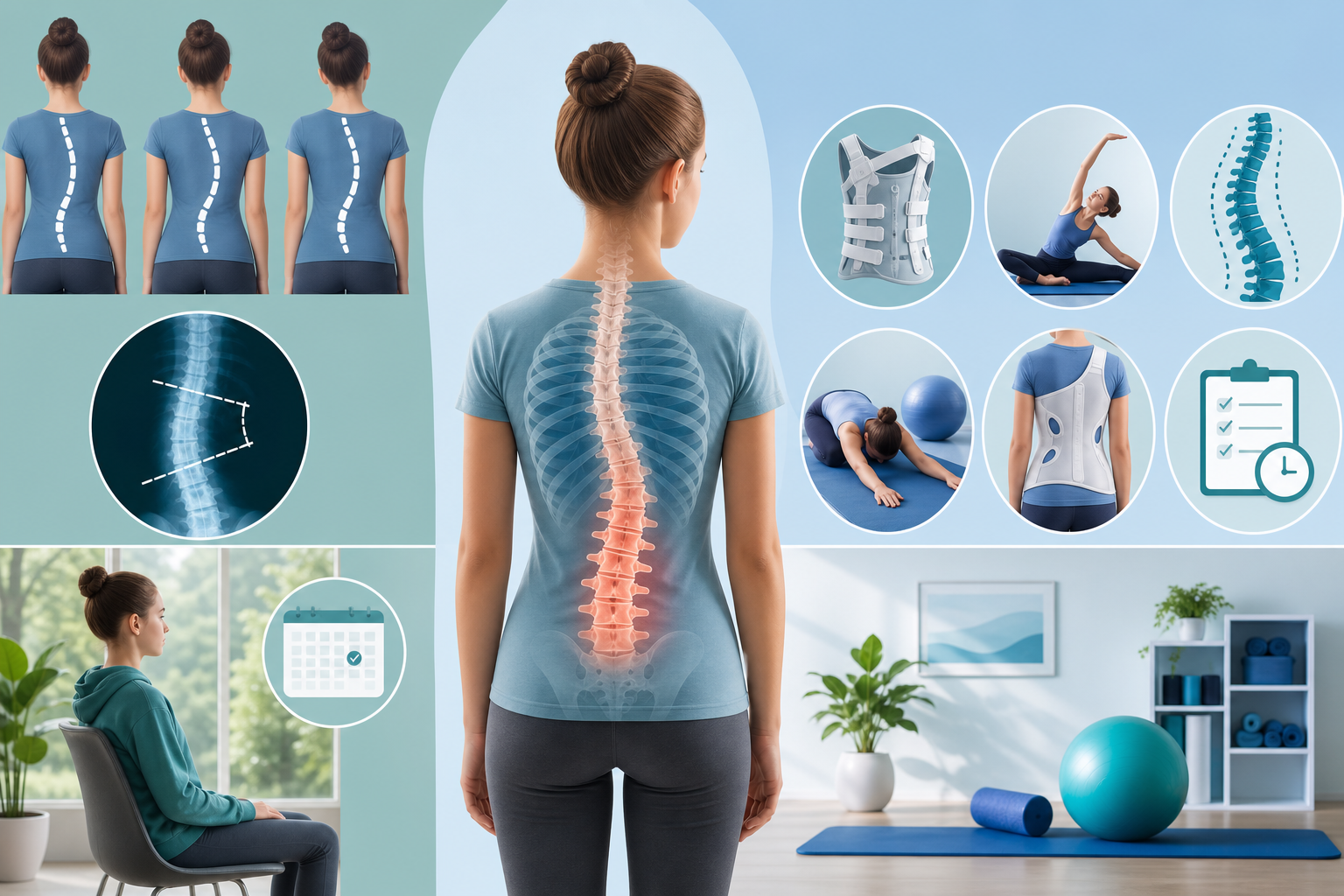
Treatment approaches for adolescent lumbar idiopathic scoliosis are typically categorized into four main options, each appropriate for different curve severities and patient circumstances. Healthcare providers select treatment based on factors including curve magnitude, skeletal maturity, and progression risk.
Observation represents the most conservative approach, recommended for mild curves typically measuring under 25-30 degrees on X-ray assessment. This approach involves regular monitoring through clinical examinations and periodic imaging to track any curve progression over time. Many adolescents with small, stable curves require no active intervention beyond careful surveillance.
Bracing, particularly with a thoracolumbosacral orthosis (TLSO), serves as the primary non-surgical treatment for moderate curves. These custom-fitted devices aim to prevent curve progression during remaining growth periods. Modern braces are designed to be worn under clothing and allow most normal activities while providing corrective pressure on the developing spine.
Physical therapy and specialized exercise programs can complement other treatments or serve as standalone approaches for specific cases. These programs often focus on core strengthening, postural awareness, and movement patterns that may help manage symptoms and potentially slow progression. Surgical intervention, including spinal fusion with instrumentation, becomes consideration for severe curves or those that continue progressing despite conservative measures.
Q: When is each treatment option recommended?
Treatment recommendations for lumbar AIS follow established guidelines based primarily on curve severity measured through Cobb angle assessment on standing X-rays. Curves under 25 degrees typically warrant observation with regular monitoring every 4-6 months during active growth periods. Healthcare providers assess progression risk by evaluating sequential X-rays and monitoring curve changes over time.
Bracing is generally recommended for curves measuring 25-40 degrees in adolescents with significant remaining growth potential. Skeletal maturity assessment using methods like Risser staging or hand X-rays helps determine how much spinal growth remains, influencing treatment urgency. Curves showing documented progression of 5-10 degrees between visits may warrant more aggressive intervention regardless of initial severity.
Growth potential plays a crucial role in treatment timing decisions. Adolescents who haven't reached peak height velocity or show open growth plates have higher progression risk, making earlier intervention more beneficial. Conversely, skeletally mature teenagers with stable curves may continue with observation even for moderate curve magnitudes.
Quality of life considerations increasingly influence treatment recommendations alongside traditional curve measurements. Healthcare providers consider factors such as back pain, activity limitations, cosmetic concerns, and psychological impact when developing treatment plans. Some adolescents with moderate curves may benefit from bracing primarily for symptom management rather than progression prevention, while others prioritize maintaining unrestricted activity participation in treatment selection.
Q: What can patients expect during each treatment approach?
Observation protocols typically involve regular appointments every 4-6 months during active growth, extending to annual visits once skeletal maturity is reached. Patients can expect standing X-rays at most visits to measure curve progression, along with clinical examinations assessing spinal flexibility, neurological function, and any developing symptoms. Families should prepare for potentially several years of monitoring, with treatment escalation if curves show significant progression.
Bracing requires substantial lifestyle adjustments and family commitment to achieve effectiveness. Most treatment protocols recommend wearing braces 16-23 hours daily, removing them only for bathing, swimming, and sometimes physical education classes. Adolescents typically need 2-4 weeks to adjust to brace wear, often experiencing initial skin irritation, sleep disruption, and emotional adjustment challenges. Regular orthotist appointments ensure proper fit and address any comfort issues throughout treatment.
Physical therapy programs usually involve 2-3 sessions per week initially, progressing to home exercise programs as patients master techniques. Treatment may include manual therapy, postural training, breathing exercises, and sport-specific conditioning. Patients can expect several months of consistent participation to achieve maximum benefits, with ongoing home exercises often recommended long-term.
Surgical procedures typically require 3-5 day hospital stays, with posterior spinal fusion being most common for lumbar curves. Patients can expect several months of activity restrictions during initial healing, gradually returning to full activities over 6-12 months. Recovery involves regular follow-up appointments, physical therapy, and careful monitoring for any complications during the healing process.
Q: How should families prepare for specialist consultations?
Gathering comprehensive medical records before specialist appointments ensures efficient consultations and informed treatment discussions. Families should collect all previous X-rays, MRI studies if performed, and clinical notes from referring physicians or school screening programs. Having a complete imaging history allows spine specialists to assess curve progression patterns and make more accurate treatment recommendations.
Documenting symptom patterns and activity impacts provides valuable information beyond X-ray measurements. Parents and adolescents should track any back pain episodes, activity limitations, sleep disturbances, or cosmetic concerns affecting daily life. Recording sports participation levels, academic performance impacts, and social concerns helps healthcare providers understand the full scope of how scoliosis affects the patient's quality of life.
Insurance verification and cost research prevent financial surprises and help families plan treatment approaches realistically. Contacting insurance providers to understand coverage for different treatment options, including bracing, physical therapy, and potential surgical procedures, allows for informed decision-making. Some treatments may require pre-authorization or have specific coverage limitations that influence timing and approach selection.
Researching treatment options beforehand enables families to ask informed questions during consultations. Understanding basic terminology, treatment goals, and potential outcomes helps maximize appointment efficiency and ensures important concerns are addressed. Preparing specific questions about daily life impacts, activity restrictions, and long-term expectations demonstrates engagement and helps build effective patient-provider relationships.
Q: What important questions should patients ask their spine specialist?
Treatment success rates and long-term outcomes should be among the first discussion topics during specialist consultations. Families may ask about progression prevention success rates with bracing, typical curve correction expectations, and long-term spine health outcomes for different treatment approaches. Understanding realistic expectations helps align treatment goals with achievable outcomes and prevents disappointment with normal treatment responses.
Recovery timelines and activity restriction details significantly impact adolescent lifestyle planning and family scheduling. Specific questions about return to sports, driving restrictions, school absence expectations, and physical therapy requirements help families prepare adequately for treatment demands. Understanding both short-term limitations and long-term activity prospects assists in treatment decision-making processes.
Risk profiles and potential complications deserve thorough discussion for all treatment options. While serious complications are relatively rare, understanding infection risks, hardware problems, pseudoarthrosis possibilities, or brace-related skin issues helps families make informed consent decisions. Discussing how complications are managed and their potential long-term impacts provides complete treatment understanding.
Cost comparisons and insurance coverage verification ensure financial planning alignment with treatment recommendations. Questions about payment plans, coverage appeals processes, and alternative treatment approaches may help families navigate financial constraints while securing appropriate care.
Making Informed Treatment Decisions
Effective treatment planning for adolescent lumbar idiopathic scoliosis requires individualized approaches that consider medical factors alongside patient and family preferences, lifestyle needs, and personal values. No single treatment approach suits every adolescent, making personalized care planning essential for optimal outcomes and patient satisfaction throughout the treatment journey.
Patient and family preferences play increasingly important roles in modern scoliosis care, with healthcare providers recognizing that treatment success depends partly on patient engagement and compliance. Open discussions about activity priorities, cosmetic concerns, and lifestyle impacts help ensure treatment plans align with individual goals while maintaining appropriate medical standards and safety considerations.
Finding qualified spine specialists who understand adolescent scoliosis complexities becomes crucial for accessing comprehensive care options and expert guidance. MedXimity connects families with experienced orthopedic surgeons and spine specialists who can provide thorough evaluations, discuss all treatment alternatives, and support informed decision-making throughout the treatment process.
---
This information is for educational purposes only and should not replace professional medical advice. Always consult with a qualified healthcare provider for personalized medical guidance.