Searching for top-rated chiropractors near me can be a useful starting point, but star ratings do not tell the full story. A thoughtful choice considers licensing, experience, communication, safety screening, conservative treatment options, and whether the provider’s approach fits your goals. This guide is general education for patients and consumers; it is not a diagnosis or a substitute for individualized medical advice from a qualified healthcare professional.
What “Top-Rated Chiropractors Near Me” Really Means
Online ratings can help you identify local chiropractors who are visible, reviewed, and active in your area. However, “top-rated” may reflect convenience, front-desk experience, communication style, or appointment availability as much as clinical fit. A chiropractor with many positive reviews may still not be the right match for every concern or care goal.
Use ratings as one filter, not the final decision. Look for patterns in reviews, clear information about services, and evidence that the office explains care plans without pressure. Location matters, especially if you may need multiple visits, but convenience should be balanced with qualifications and comfort with the provider.
When Chiropractic Care May Be Considered
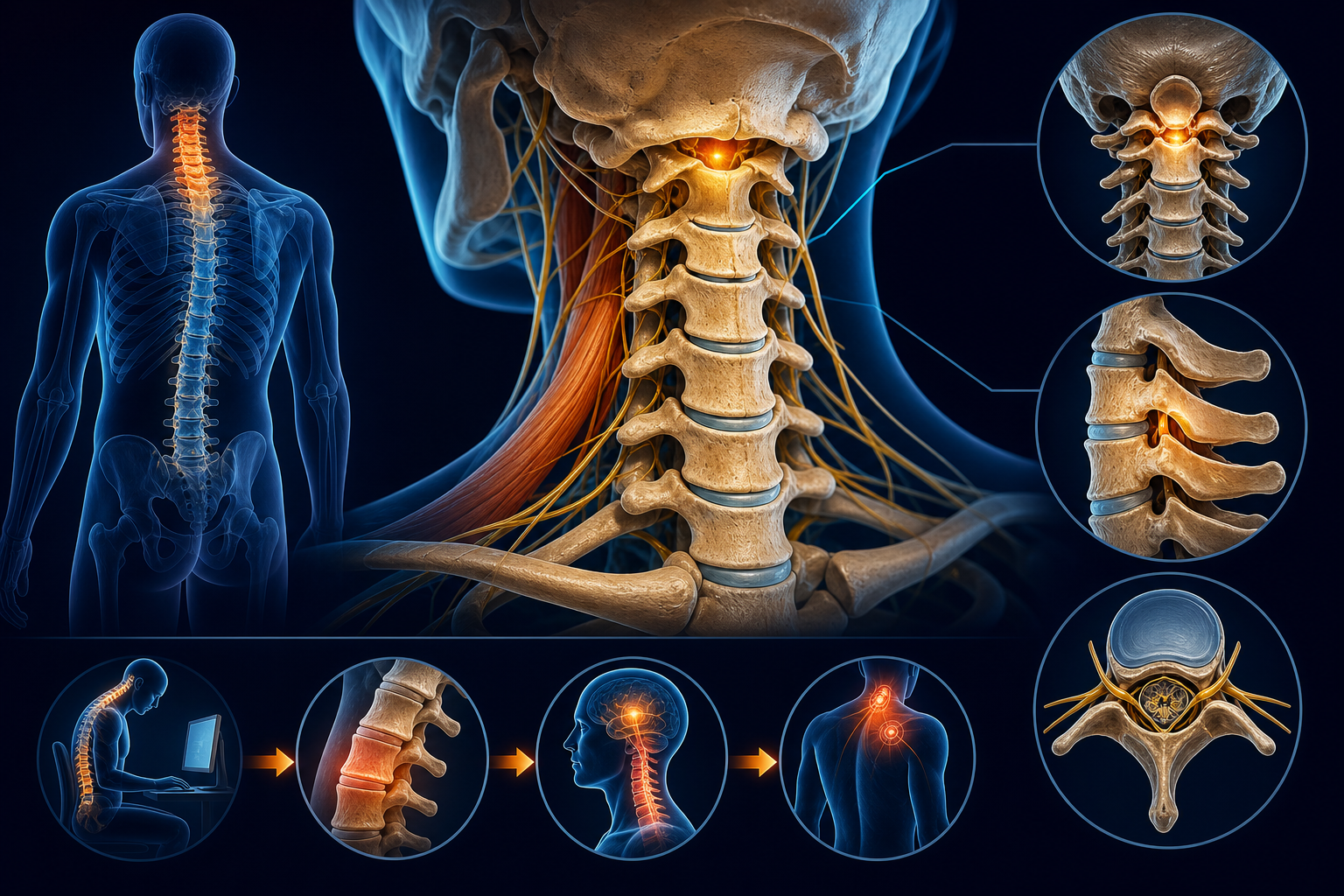
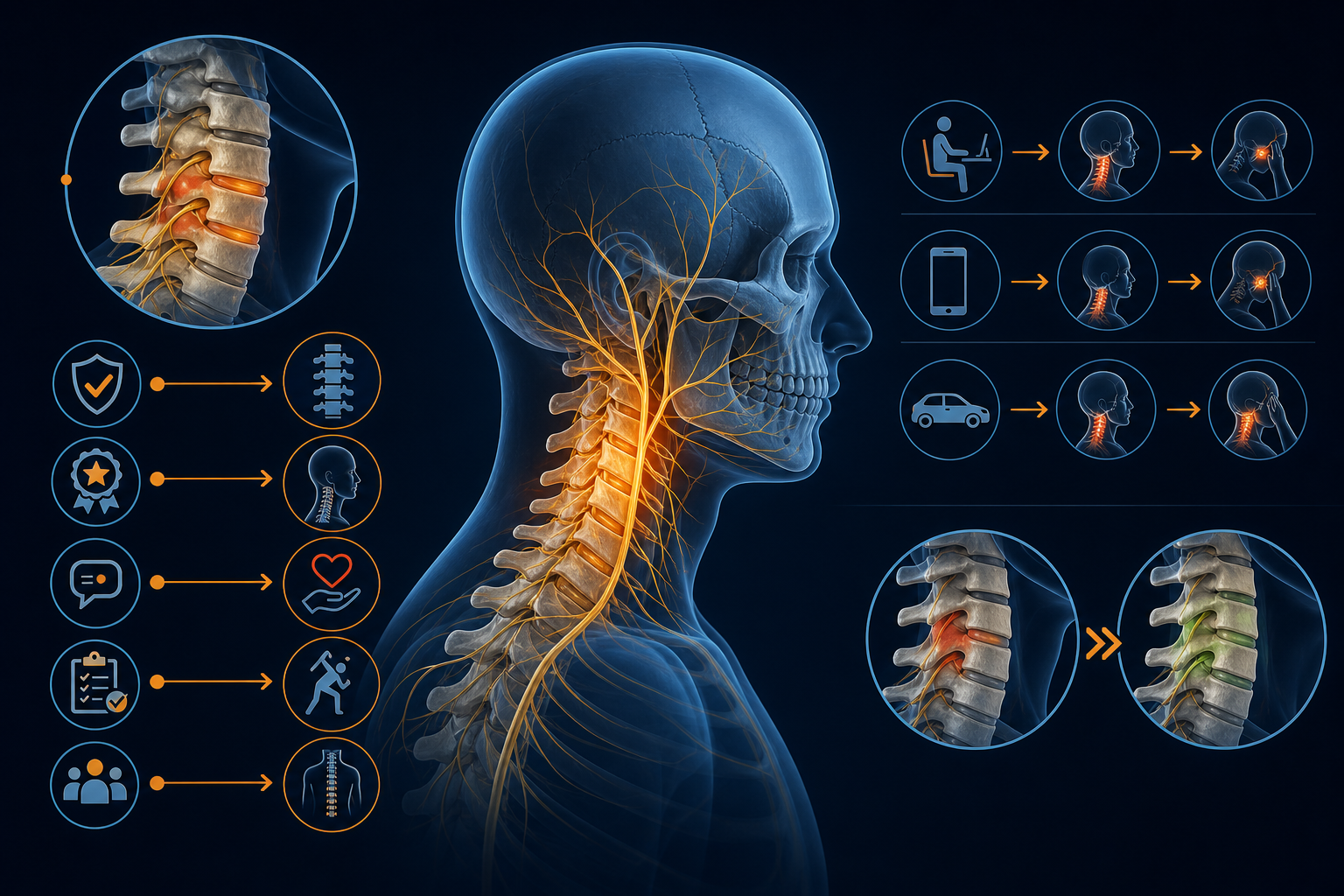
People commonly look for a chiropractor for neck and back pain, stiffness, headaches associated with neck tension, limited mobility, or discomfort after prolonged sitting or repetitive activity. Chiropractic care may also be considered as part of a conservative plan after some auto-related injuries, depending on symptoms and medical evaluation.
If you are exploring chiropractic care after car accident, describe the collision, symptom onset, prior conditions, and any medical evaluation you have received. For more context on neck trauma after a collision, MedXimity offers a related guide on finding a Whiplash Trauma Specialist near me. If you have neck injury concerns, you may also find What You Need to Know about Neck Injuries: Chiropractors Advise to Take Them Seriously! helpful.
How to Check Credentials, Licensing, and Relevant Experience
If you search for licensed chiropractor near me reviews, also confirm that the provider is licensed in your state through the appropriate state licensing board. Licensing requirements vary by state, but patients can usually verify whether a chiropractor holds an active license and whether public disciplinary information may be available.
For a simple version of chiropractor credentials and licensing explained, focus on three questions: Is the chiropractor currently licensed? Do they have experience with your general type of concern, such as neck pain, back pain, sports injuries, or auto-related injuries? Do they explain when they would refer you to another healthcare professional?
Additional training can be relevant, but titles and certificates should be easy to understand. If a credential is unfamiliar, ask what it means, who issued it, and how it relates to your care.
How to Compare Reviews Without Relying on Stars Alone
Learning how to compare chiropractor reviews means reading for useful details, not just counting stars. Look for repeated comments about listening, clear explanations, appointment flow, respectful communication, and whether patients felt informed about their options.
Be cautious with reviews that are vague, overly promotional, or focused on dramatic promises. A small number of negative reviews does not automatically mean poor care; scheduling issues, billing confusion, or mismatched expectations can affect reviews. The most helpful pattern is consistency across many patient experiences.
Conservative Treatment Options to Look For
Many patients searching for conservative treatment options for back pain want care that focuses on movement, function, and symptom management without invasive approaches. Depending on the provider and your evaluation, chiropractic care may include spinal or joint adjustments, soft-tissue work, stretching guidance, mobility exercises, posture and ergonomic coaching, and home-care education.
You may also wonder whether to see a chiropractor or physical therapist for pain. Chiropractors often focus on spinal and joint mobility, manual therapies, and conservative musculoskeletal care. Physical therapists often emphasize rehabilitation exercises, movement retraining, strengthening, and functional recovery. Some patients may work with one provider type, while others may benefit from coordinated care. The appropriate choice depends on your symptoms, history, preferences, and clinical evaluation.
Questions to Ask Before Scheduling an Appointment
If you are unsure what to ask a chiropractor, start with practical and safety-focused questions:
- Are you licensed in this state, and how can I verify that license?
- Do you commonly work with concerns like mine?
- What happens during the first visit?
- How do you decide whether chiropractic care is appropriate?
- What conservative treatment options do you offer besides adjustments?
- How do you explain risks, benefits, and alternatives?
- When would you refer a patient to another healthcare professional?
- What costs, insurance considerations, or documentation should I understand before care begins?
Clear answers can help you assess whether the office is transparent and patient-centered. A professional clinic should welcome reasonable questions and avoid pressuring you into a plan before an appropriate evaluation.
What to Expect at a First Chiropractic Visit
If you are wondering what happens at first chiropractic visit, the appointment often begins with paperwork and a health history. The chiropractor may ask about your symptoms, activity level, prior injuries, medical history, and goals. They may perform a physical examination focused on posture, range of motion, tenderness, strength, reflexes, or other musculoskeletal findings.
Depending on your presentation, the chiropractor may discuss whether chiropractic care appears appropriate, whether additional evaluation may be needed, and what conservative options may be considered. Not every first visit includes an adjustment. A careful provider should explain findings in understandable terms and invite questions before beginning care.
If headaches are part of your concern, MedXimity also has a guide on Finding a Migraine Headache Specialist near you. If leg numbness is involved, review Chiropractors on Leg Numbness: Should You Worry When It Happens? for general educational context.
Red-Flag Symptoms That Need Prompt Medical Attention
Some symptoms should be evaluated promptly by an appropriate medical professional rather than handled as a routine chiropractic appointment. These red flags before seeing chiropractor can include new or worsening weakness, numbness in the groin or saddle area, loss of bowel or bladder control, severe pain after significant trauma, unexplained fever with spine pain, chest pain, sudden severe headache, trouble speaking, facial drooping, or sudden trouble walking.
If symptoms suggest a medical emergency, seek immediate care through local emergency services or an emergency department. Chiropractic offices can be part of conservative musculoskeletal care, but they are not a replacement for emergency evaluation when urgent symptoms are present.
How to Choose a Chiropractor Who Fits Your Needs
Knowing how to choose a chiropractor comes down to matching qualifications, communication, treatment philosophy, and logistics. A strong fit is usually a provider who listens carefully, explains options in plain language, screens for symptoms that may need referral, and sets realistic expectations. Avoid offices that make guaranteed outcome claims, discourage questions, or recommend lengthy care plans before completing an appropriate assessment.
Consider whether the clinic’s hours, location, documentation process, and communication style support your needs. If you are recovering after a car accident or managing neck and back pain, organized documentation and coordinated communication with other involved healthcare professionals may be helpful. Online searches can introduce nearby options, but your final decision should be based on credentials, reviews, safety practices, services, and how respected you feel during the first conversation.
This article is for educational purposes only and is not a substitute for professional medical advice, diagnosis, or treatment. Always consult a qualified healthcare provider about your specific condition. If you may be experiencing a medical emergency, call 911 or seek emergency care immediately.