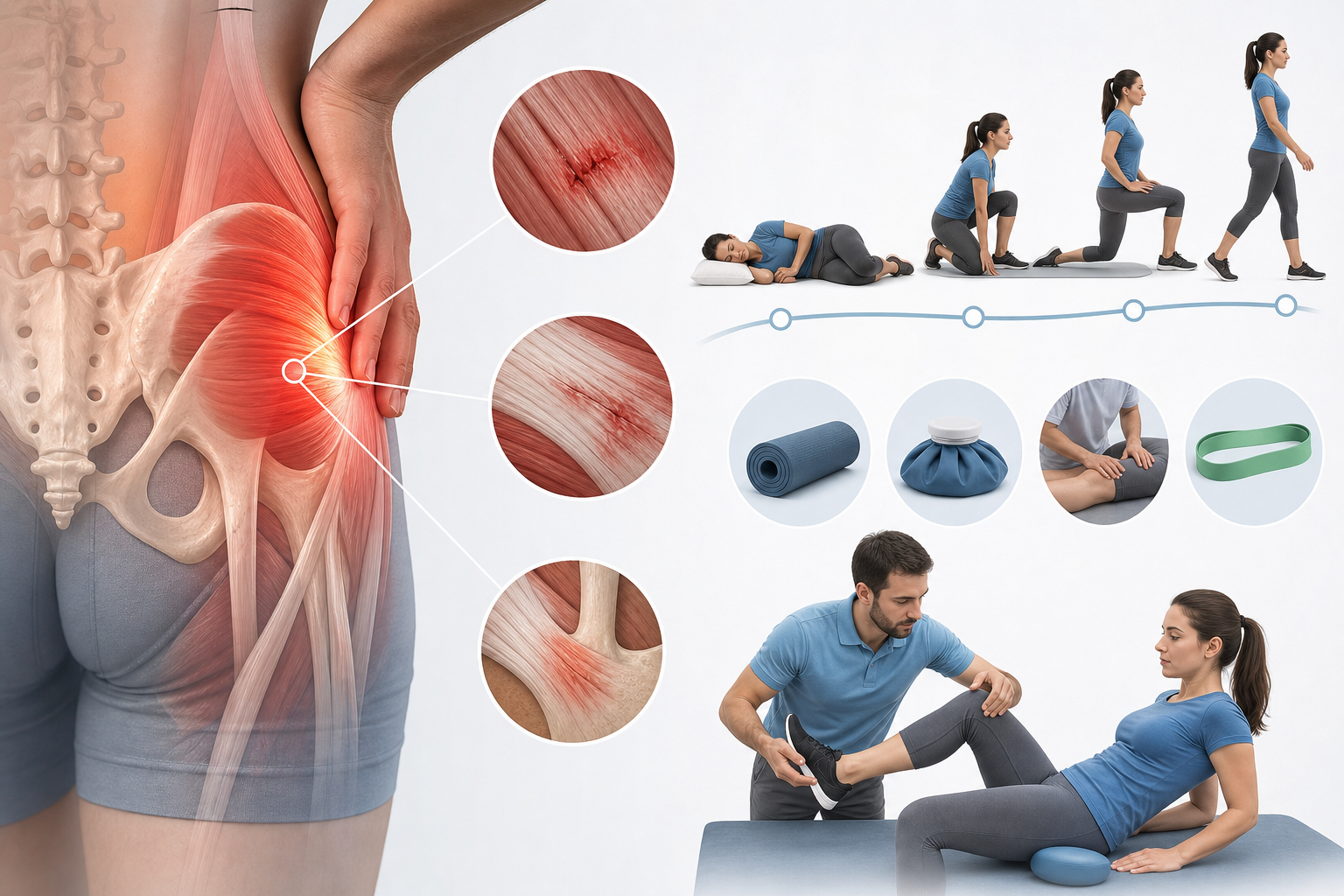
A strain of muscle, fascia and tendon of left hip, initial encounter: What Patients Need to Know begins with understanding that this diagnosis describes a soft tissue injury where the supportive structures around your left hip joint have been overstretched or partially torn. This common musculoskeletal condition typically causes localized discomfort, temporary stiffness, and difficulty performing weight-bearing movements. Most patients recover fully through guided conservative care, targeted stretching, and structured rehabilitation without invasive procedures.
What Does This Diagnosis Actually Mean?
This medical terminology describes a specific type of soft tissue injury affecting the connective tissues and muscles attached to your left hip bone. The phrase "initial encounter" simply indicates that you are in the first phase of treatment, which focuses on reducing discomfort and protecting the injured area. When these tissues are overstretched, your body sends protective signals to prevent further damage while natural healing processes begin.
Your left hip supports significant weight during daily activities like walking, standing, and sitting. When the supporting structures sustain a strain, the surrounding muscles often tighten up as a protective mechanism. This protective guarding can limit your range of motion and make simple movements feel uncomfortable or restricted. Conservative management focuses on restoring normal tissue elasticity and rebuilding strength without interrupting your natural recovery timeline.
- Muscle fibers that have been overstretched lose their ability to contract efficiently
- Fascia becomes thickened and less flexible around the injury site
- Tendon attachments experience micro-tears that require time to remodel
- Nerve endings in the area become more sensitive to movement and pressure
- Local blood flow increases to deliver healing cells to the damaged tissue
Understanding the specific tissues involved helps you follow your rehabilitation plan more effectively. You will notice gradual improvements in mobility as the tissue remodeling process continues. Tracking your progress against a structured timeline keeps your expectations realistic and your recovery on track.
How Can You Recognize the Symptoms of a Left Hip Strain?
Patients typically experience a sharp or dull ache in the front, side, or back of the left hip depending on which specific tissue sustained the injury. The discomfort usually worsens during activities that require lifting your leg, rotating your torso, or bearing weight on that side. You may also notice a feeling of tightness that makes stretching or bending feel restricted.
Early Warning Signs
Recognizing these symptoms early allows you to adjust your activity levels and seek professional guidance before the condition worsens. Pain that lingers after rest often indicates that the tissue needs more time to recover than typical muscle soreness. Pay attention to how your body responds to different movements throughout the day.
- Aching or stiffness in the groin, outer hip, or buttock region
- Temporary limping or altered walking patterns to avoid discomfort
- Difficulty standing up from a seated position or climbing stairs
- Muscle tightness that feels resistant to gentle stretching
- Swelling or warmth that may develop over the injured area
According to the American Academy of Orthopaedic Surgeons, soft tissue injuries in the hip region account for a significant portion of musculoskeletal complaints and respond well to structured conservative rehabilitation.
These symptoms naturally fluctuate as you move between rest and activity. Noticing patterns in your discomfort helps you and your provider adjust your daily routine appropriately. check your symptoms to see if your experience aligns with common soft tissue strain patterns before scheduling an evaluation.
A Phased Conservative Recovery Plan
Recovery follows a structured progression that protects the healing tissue while gradually restoring mobility and strength. Your rehabilitation journey typically moves through three distinct phases, each building upon the previous stage to ensure safe tissue adaptation. Starting with gentle movement and advancing to functional exercises creates a predictable path toward full recovery.
Phase One: Protection and Gentle Mobilization
The first stage focuses on reducing discomfort and maintaining safe movement without stressing the injured fibers. Active rest means avoiding activities that cause sharp pain while continuing gentle range-of-motion exercises. Your provider may recommend specific positioning strategies to unload the affected tissues during daily tasks.
- Perform gentle pelvic tilts and ankle pumps to maintain circulation
- Apply heat or cold therapy based on your provider’s specific recommendations
- Modify walking pace and use supportive footwear for stability
- Practice diaphragmatic breathing to reduce overall muscle guarding
Phase Two: Progressive Loading and Strengthening
Once initial discomfort decreases, the focus shifts to rebuilding tissue capacity through controlled resistance. Targeted strengthening exercises gradually reintroduce load to the hip flexors, glutes, and surrounding stabilizers. This phase requires consistent attention to form and pacing to avoid re-injury.
Progressive loading teaches your nervous system to trust the recovering tissues again. You will notice improved endurance and confidence when performing daily movements. find a physical therapist near you to receive a customized progression plan that matches your current tissue tolerance.
How Long Does Recovery Typically Take?
Most uncomplicated hip strains resolve within six to twelve weeks when patients follow a consistent conservative rehabilitation protocol. The exact timeline depends on the severity of the initial tissue damage, your age, and how quickly you begin guided movement therapy. Tissue remodeling occurs gradually, which means steady progress often feels slower than expected.
Treatment ApproachBest ForTypical DurationEvidence Level Chiropractic spinal and pelvic manipulationRestoring joint mobility and reducing muscle guarding2-6 weeksStrong clinical support for pain reduction and mobility Targeted physical therapyRebuilding strength and correcting movement patterns4-12 weeksGold standard for functional recovery Active stretching and exercise therapyMaintaining flexibility and preventing re-injuryOngoingHighly effective for long-term tissue health Ergonomic and lifestyle modificationsPreventing strain recurrence during daily activitiesContinuousEssential for sustainable recoveryResearch published in the Journal of Orthopaedic & Sports Physical Therapy emphasizes that gradual tissue loading accelerates collagen alignment and improves long-term outcomes. Skipping phases or returning to high-intensity activities too quickly often prolongs the recovery process. The National Institute of Arthritis and Musculoskeletal and Skin Diseases notes that soft tissue injuries respond best to early movement and structured loading. explore more health topics to learn how movement consistency impacts tissue healing.
Your Next Steps
Taking action now ensures you recover safely and return to your normal activities with confidence. Start by scheduling an evaluation with a qualified chiropractor or physical therapist who specializes in musculoskeletal rehabilitation. They will perform a thorough movement assessment and design a protocol that addresses your specific tissue limitations.
- Schedule a professional evaluation to confirm the extent of your tissue strain
- Follow your provider’s guided stretching and strengthening protocol consistently
- Adjust daily habits like sitting posture and sleeping positions to support healing
- Track your range of motion weekly to monitor tissue remodeling progress
Seek routine care if you experience persistent stiffness or mild discomfort that limits your daily movements. Visit a provider promptly if you notice sudden swelling, inability to bear weight, or pain that radiates down your leg. browse providers in your area to connect with a qualified specialist who can guide your recovery from the first visit.