Understanding Your Treatment Options for Lumbar Spine and Pelvis Sprains
When healthcare providers diagnose a sprain of unspecified parts of the lumbar spine and pelvis, this condition is documented using ICD-10-CM code S33.9. The term "initial encounter" indicates this is the first time a patient is receiving treatment for this specific injury episode. This classification helps healthcare systems track treatment progress and ensure appropriate care coordination from the onset of injury through recovery.
Patients facing this diagnosis typically have two primary treatment pathways to consider: conservative (non-surgical) management or surgical intervention. Conservative treatment focuses on healing through rest, physical therapy, medication, and lifestyle modifications, while surgical approaches may be recommended when severe structural damage requires direct repair or stabilization.
Understanding the differences between these treatment options empowers patients to make informed decisions alongside their healthcare providers. Each approach offers distinct advantages and considerations regarding recovery time, cost, and long-term outcomes. The choice between conservative and surgical treatment depends on injury severity, patient health status, lifestyle factors, and individual treatment goals. Consulting with qualified orthopedists, pain management specialists, and physical therapists ensures patients receive comprehensive evaluation and personalized treatment recommendations.
Conservative Treatment: The Non-Surgical Path
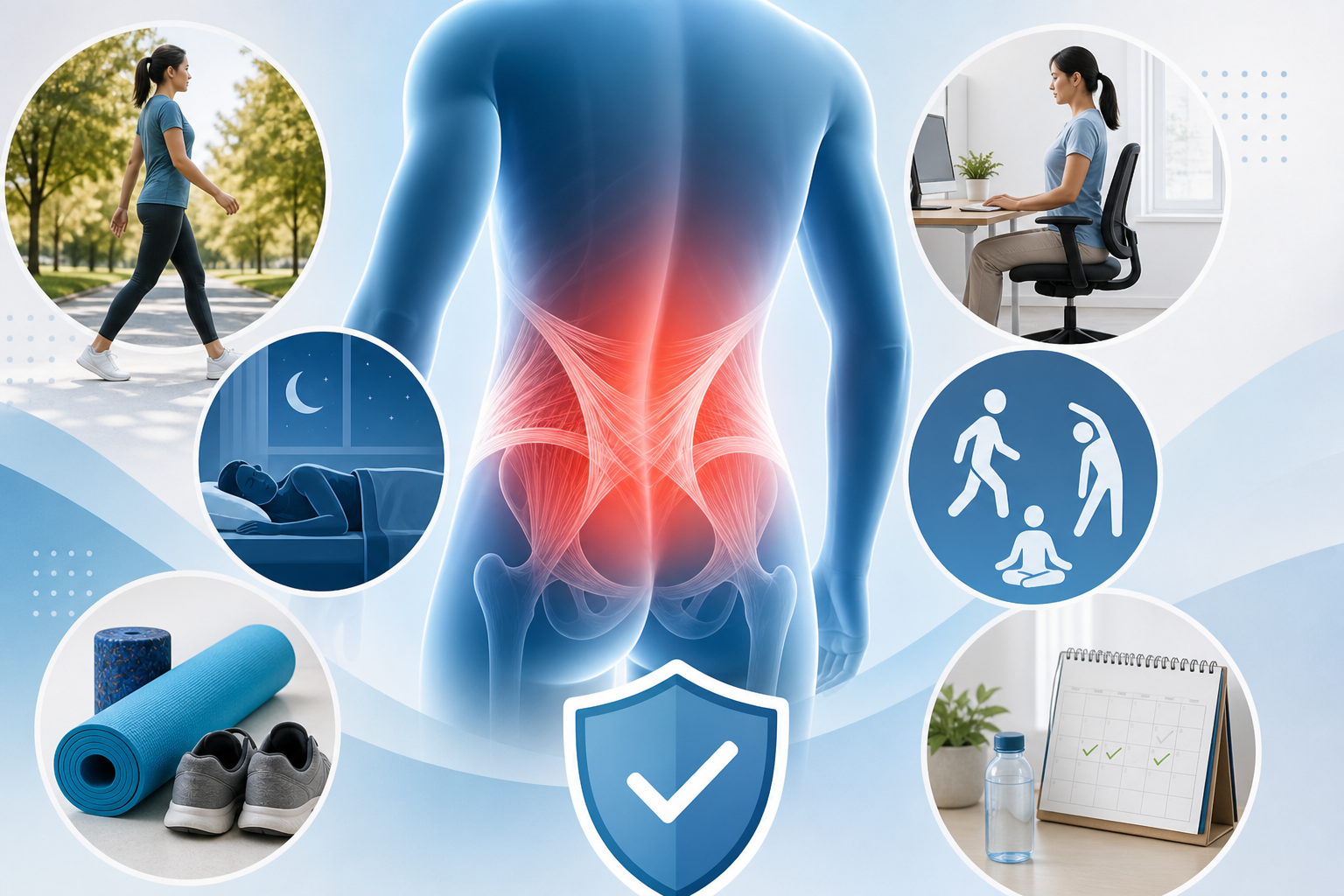
Conservative treatment for lumbar spine and pelvis sprains typically begins with a comprehensive physical therapy and rehabilitation protocol. Physical therapists design individualized exercise programs focusing on core strengthening, flexibility improvement, and proper body mechanics. These protocols often include gentle stretching exercises, gradual strength building, and functional movement training. Patients may start with passive treatments like heat therapy and electrical stimulation before progressing to active exercises as pain decreases and mobility improves.
Pain management techniques form a crucial component of conservative care. Healthcare providers may recommend over-the-counter anti-inflammatory medications, prescription pain relievers, or muscle relaxants depending on symptom severity. Non-pharmaceutical approaches include ice and heat therapy, massage therapy, and specialized techniques like dry needling or trigger point therapy. Many patients find success with a multimodal pain management approach that combines various techniques.
Recovery timelines for conservative treatment typically range from 6 to 12 weeks for mild to moderate sprains, though some patients may require several months for complete healing. Return-to-work guidelines depend on job demands, with desk workers often returning sooner than those performing physical labor. Healthcare providers may recommend modified work duties or ergonomic adjustments during the recovery process.
Insurance coverage for conservative treatments is generally comprehensive, with most health plans covering physical therapy sessions, imaging studies, and standard medications. Many insurance providers prefer conservative approaches as first-line treatment, often requiring documentation of failed conservative treatment before approving surgical interventions. Success rates for conservative treatment are encouraging, with approximately 80-90% of patients experiencing significant improvement within three months. Long-term outcomes show that patients who complete comprehensive rehabilitation programs have lower rates of injury recurrence and chronic pain development.
Surgical Intervention: When Surgery Becomes Necessary
Surgical treatment for lumbar spine and pelvis sprains becomes necessary when conservative management fails to provide adequate relief or when severe structural damage requires immediate intervention. Indications for surgery include persistent severe pain lasting beyond 6-12 weeks of conservative treatment, progressive neurological symptoms, significant spinal instability, or fractures involving the vertebrae or pelvis. Healthcare providers carefully evaluate imaging studies, symptom progression, and functional limitations before recommending surgical intervention.
Types of surgical procedures vary depending on the specific structures involved and injury severity. Common procedures include spinal fusion for instability, laminectomy for nerve decompression, or minimally invasive techniques for specific ligament repairs. Some patients may require hardware placement such as screws, rods, or plates to stabilize affected areas. Minimally invasive approaches have become increasingly popular, offering reduced tissue damage and potentially faster recovery times compared to traditional open surgery.
Recovery timelines for surgical intervention are typically longer than conservative treatment, with initial healing taking 6-12 weeks followed by extensive rehabilitation lasting 3-6 months. Post-surgical rehabilitation focuses on gradual mobilization, strength restoration, and functional recovery. Patients often experience activity restrictions during the initial healing phase, with gradual progression to normal activities under healthcare provider supervision.
Potential risks and complications include infection, bleeding, nerve damage, hardware failure, or persistent pain. While serious complications are relatively rare, patients should discuss all potential risks with their surgical team. Cost considerations for surgical intervention are significantly higher than conservative treatment, often ranging from $20,000 to $100,000 depending on procedure complexity. Insurance coverage varies, with most plans covering medically necessary procedures after conservative treatment has been attempted. Prior authorization requirements and coverage limitations should be thoroughly understood before proceeding with surgery.
Side-by-Side Comparison: Conservative vs Surgical Treatment
Recovery time differences between conservative and surgical approaches are substantial. Conservative treatment typically allows patients to return to normal activities within 6-12 weeks, while surgical intervention may require 6 months or longer for complete recovery. However, patients with severe injuries may experience prolonged symptoms with conservative treatment that could be resolved more definitively through surgical intervention.
Cost comparison reveals significant differences between approaches. Conservative treatment costs typically range from $2,000 to $8,000, including physical therapy, imaging, and medications. Surgical intervention costs are considerably higher, often exceeding $30,000 when including hospital stays, surgeon fees, anesthesia, and post-operative care. Insurance implications vary, with most plans favoring conservative approaches initially and requiring documentation of treatment failure before approving surgery.
Success rates show that 80-90% of patients improve with conservative treatment, while surgical success rates vary depending on the specific procedure and patient factors, typically ranging from 70-85%. Patient satisfaction tends to be high for both approaches when appropriately selected. Conservative treatment satisfaction often relates to avoiding surgery risks, while surgical patients frequently report satisfaction with definitive problem resolution.
Risk profiles differ significantly between approaches. Conservative treatment carries minimal risks, mainly related to medication side effects or delayed recovery. Surgical treatment involves inherent procedural risks including infection, anesthesia complications, and potential need for revision surgery. Impact on daily activities varies, with conservative treatment allowing gradual activity progression while surgical patients face initial activity restrictions followed by structured rehabilitation protocols. Work impact differs substantially, with conservative treatment patients often returning to work within weeks compared to surgical patients who may require extended leave.
Which Treatment Approach Is Right for Your Situation?
Several factors influence treatment decisions for lumbar spine and pelvis sprains. Injury severity, determined through physical examination and imaging studies, plays a primary role in treatment selection. Patient age, overall health status, activity level, and personal treatment preferences also significantly impact decision-making. Occupation demands, family responsibilities, and lifestyle factors require careful consideration when weighing treatment options.
Patients should ask their orthopedist or pain management specialist specific questions to guide treatment decisions. Important questions include: "What does my imaging show about injury severity?", "What are the success rates for each treatment option in my specific case?", "How long should I try conservative treatment before considering surgery?", "What are the long-term consequences of delaying surgical intervention?", and "What functional improvements can I realistically expect from each approach?"
Red flag symptoms requiring immediate medical attention include progressive weakness in legs, loss of bowel or bladder control, severe numbness or tingling, or dramatically worsening pain despite treatment. These symptoms may indicate serious nerve compression or other complications requiring urgent intervention.
Advocating for yourself in healthcare settings involves preparing questions in advance, requesting detailed explanations of treatment options, and seeking second opinions for surgical recommendations. Patients should feel comfortable discussing concerns about treatment approaches and requesting time to consider options. Finding qualified specialists through platforms like MedXimity ensures access to experienced healthcare providers who can provide comprehensive evaluation and treatment recommendations tailored to individual patient needs and circumstances.
Making an Informed Decision About Your Care
Choosing between conservative and surgical treatment for lumbar spine and pelvis sprains requires careful consideration of multiple factors including injury severity, personal circumstances, and treatment goals. Key considerations include recovery timeline preferences, risk tolerance, cost implications, and long-term functional expectations. Both treatment approaches offer potential benefits when appropriately selected based on individual patient factors.
Second opinions are particularly valuable for surgical recommendations, providing additional perspective on treatment necessity and alternative options. Consulting with healthcare providers who specialize in spine injuries ensures comprehensive evaluation and access to current treatment options. Taking time to thoroughly understand each approach enables patients to make confident decisions about their care. MedXimity provides valuable resources for connecting with qualified orthopedists, pain management specialists, and physical therapists who can guide patients through their treatment journey with expertise and compassion.
This information is for educational purposes only and should not replace professional medical advice. Always consult with a qualified healthcare provider for personalized medical guidance.