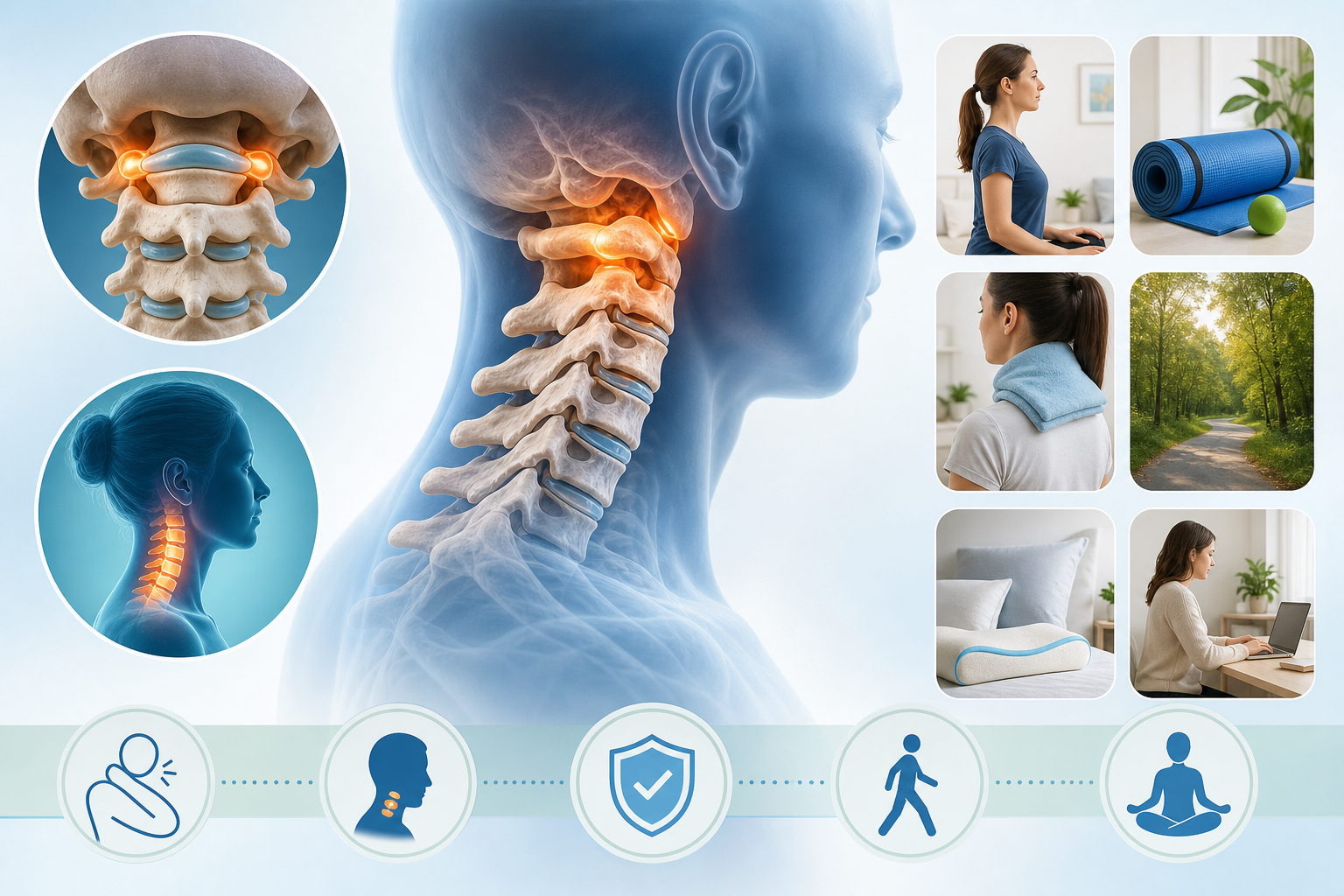
Spondylosis without myelopathy or radiculopathy in the occipito-atlanto-axial region describes age-related wear and tear at the top of your spine that affects the neck but does not compress nerves or the spinal cord. This condition often causes stiffness and headaches, but conservative care like chiropractic adjustments and physical therapy can help manage symptoms and restore mobility. You can find relief by connecting with a specialist who understands the unique mechanics of your upper cervical spine.
What Causes Spondylosis in the Upper Cervical Spine?
This condition develops when the joints and discs between your skull and the first two neck vertebrae undergo natural degeneration over time. The **occipito-atlanto-axial region** includes the junction where your skull meets your spine, involving the **C0 (occiput)**, **C1 (atlas)**, and **C2 (axis)** vertebrae. This area allows for most of your head's rotation and nodding. **Spondylosis** refers to the wear and tear of spinal discs and joints. When this happens at the top of the neck, it can lead to stiffness and discomfort. The diagnosis "without myelopathy or radiculopathy" is significant. It means the spinal cord is not compressed (**myelopathy**), and the nerve roots exiting the spine are not pinched (**radiculopathy**). This distinction helps providers focus on joint mobility and muscle balance rather than nerve decompression. According to the National Institute of Neurological Disorders and Stroke, cervical spondylosis is a common part of aging that affects spinal structure over decades.
Factors Contributing to Upper Cervical Wear and Tear
- Natural Aging: Cartilage and discs lose hydration and elasticity with age.
- Repetitive Strain: Frequent head movements or holding static positions.
- Previous Injuries: Past whiplash or trauma can accelerate joint changes.
- Genetics: Family history may influence bone density and joint structure.
- Postural Habits: Chronic forward head posture increases load on the upper cervical spine.
Bone spurs, or **osteophytes**, form as the body tries to stabilize the joint. These bony growths can limit range of motion but do not necessarily cause nerve damage. The upper cervical spine bears a significant portion of your head's weight. Any imbalance in this region can place extra stress on the remaining structures. Over time, this stress contributes to the degenerative changes seen in spondylosis. Understanding these causes helps you take proactive steps to protect your spine.
How Does Upper Cervical Spondylosis Affect Your Daily Life?
Spondylosis without nerve compression primarily impacts movement and comfort rather than causing limb weakness or loss of function. People with this diagnosis often experience **cervicogenic headaches**, which originate in the neck but radiate to the head. These headaches may feel like a dull ache at the base of the skull. **Neck stiffness** is another common symptom, making it difficult to turn your head fully. You might notice pain increases after sleeping in an awkward position or working at a computer for long periods. While this condition does not cause numbness or tingling in the arms, it can affect your quality of life through persistent discomfort. The **American Chiropractic Association** notes that neck pain and headaches are frequent reasons patients seek chiropractic care.
Recognizing Symptom Patterns
- Headaches: Often localized to the back of the head or behind the eyes.
- Neck Stiffness: Rigidity that may improve after light movement.
- Muscle Tension: Tightness in the shoulders and upper back.
- Pain with Movement: Discomfort that worsens with specific neck positions.
- Morning Stiffness: Reduced flexibility upon waking.
The mechanism of cervicogenic headaches involves referred pain from the upper cervical joints. When the **C1-C2** joint is restricted, pain signals can travel along shared nerve pathways to the head. This can mimic other types of headaches, making accurate diagnosis essential. Managing these symptoms often requires addressing the underlying joint dysfunction. You can check your symptoms to better understand your condition before visiting a provider.
Symptom Typical Location Common Triggers Impact Level Cervicogenic Headache Back of head, behind eyes Poor posture, stress Moderate to High Neck Stiffness Upper cervical spine Sleeping, prolonged sitting Moderate Muscle Tension Shoulders, trapezius Computer work, driving Mild to Moderate Joint Pain Atlanto-axial joint Rapid head turns ModerateWhat Conservative Treatments Help Manage This Condition?
Non-invasive therapies focus on reducing inflammation, improving joint mobility, and strengthening supporting muscles. **Chiropractic adjustments** can help restore proper movement in the restricted joints of the upper cervical spine. Gentle spinal manipulation may reduce pain and improve function. **Physical therapy** offers targeted exercises to strengthen the neck muscles that support the skull. A provider may also recommend **ergonomic modifications** to reduce strain during daily activities. Research published in the **Journal of Manipulative and Physiological Therapeutics** suggests that manual therapy can be effective for managing neck pain and associated headaches.
Chiropractic Care and Spinal Manipulation
- Joint Mobilization: Gentle movement to improve flexibility.
- Soft Tissue Therapy: Massage to release muscle tension.
- Spinal Adjustment: Precise force to restore alignment.
- Neuromuscular Re-education: Teaching muscles to work correctly.
Physical Therapy and Exercise Therapy
- Isometric Strengthening: Building strength without joint movement.
- Stretching Routines: Improving flexibility of neck muscles.
- Postural Training: Correcting forward head posture.
- Aerobic Exercise: Promoting blood flow and healing.
Nutrition and hydration also play a role in spinal health. Adequate water intake helps maintain disc hydration, while nutrients like collagen and vitamin C support connective tissue repair. Incorporating anti-inflammatory foods into your diet may help manage discomfort. These lifestyle adjustments work alongside clinical treatments to support long-term wellness.
When Should You Seek Professional Evaluation?
You should consult a provider when neck stiffness interferes with sleep, work, or daily activities, or when headaches become frequent. Early evaluation helps prevent symptoms from worsening. If you experience **new or worsening headaches**, schedule an appointment with a **chiropractor** or **physical therapist**. They can perform a thorough exam to confirm the diagnosis and rule out other causes. Diagnostic imaging like **X-rays** or **MRI** may be used to visualize the **occipito-atlanto-axial region** and assess the extent of spondylosis. These tools help providers create a precise treatment plan. If you notice any changes in balance, coordination, or strength, seek care promptly. While spondylosis without myelopathy does not typically cause these issues, a professional assessment ensures your safety.
Treatment Approach Best For Typical Duration Evidence Level Chiropractic Adjustment Joint mobility, pain relief 4-8 weeks Strong Physical Therapy Strength, posture correction 6-12 weeks Strong Ergonomic Modification Prevention, daily comfort Ongoing Moderate Stretching & Mobility Flexibility, stiffness Ongoing ModeratePreventing further degeneration involves maintaining a healthy weight and avoiding repetitive strain. You can explore more health topics to learn about spine wellness. For a broader selection, browse providers in your area to find the right match for your needs.
Your Next Steps: Finding Relief and Restoring Mobility
Take action by scheduling an evaluation with a qualified provider to discuss a personalized care plan tailored to your upper cervical spine. Start by searching for a chiropractor near you or a physical therapist in your area. Look for providers experienced in upper cervical care. During your first visit, expect a comprehensive history review, physical examination, and discussion of your goals. Your provider may recommend a combination of manual therapy, exercise, and lifestyle advice. Consistency with your care plan is key to long-term improvement. You can also explore more health topics to learn about spine wellness. For a broader selection, browse providers in your area to find the right match for your needs.
Building a support team that includes your provider and family can help you stay motivated. Setting realistic goals, such as improving sleep or reducing headache frequency, keeps you focused on progress. Remember that spondylosis is a manageable condition, and conservative care offers effective options for maintaining your quality of life. By taking these steps, you can regain comfort and return to the activities you enjoy.