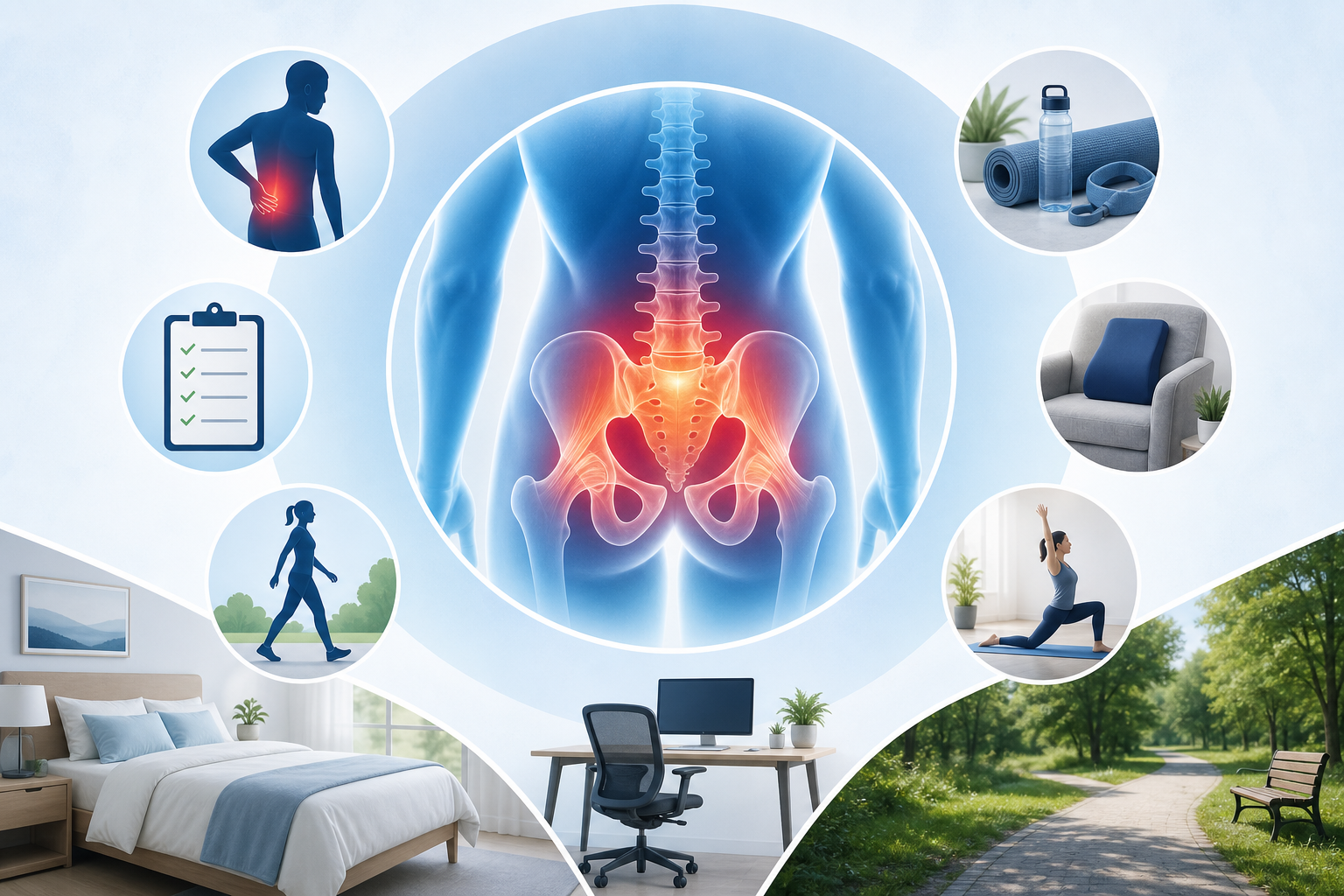
Essential Facts About Lumbar Spine and Pelvis Sprain Recovery
A sprain of other parts of the lumbar spine and pelvis, classified under ICD-10 code S33.8, represents an injury to the ligaments and soft tissues connecting your lower spine to your pelvic region. The term "initial encounter" indicates this is your first medical visit for this specific injury, marking the beginning of your diagnostic and treatment journey. Understanding this classification helps healthcare providers coordinate appropriate care and ensures proper documentation for insurance coverage and medical records.
Most patients can expect a recovery timeline of 6-12 weeks, though individual healing varies significantly based on injury severity, age, overall health, and adherence to treatment recommendations. During this period, daily living adaptations become essential for promoting healing while preventing re-injury. These modifications may include temporary changes to sleeping positions, work activities, and household tasks that previously seemed routine.
The selection of qualified healthcare providers plays a crucial role in recovery outcomes. Patients often benefit from a coordinated care team that may include primary care physicians, orthopedic specialists, physical therapists, and pain management professionals. Each provider brings specialized expertise to address different aspects of healing, from initial diagnosis and pain control to rehabilitation and prevention of future injuries. Finding providers who communicate effectively and understand your specific needs can significantly impact both recovery speed and long-term outcomes.
Understanding Your Injury: Medical Context and Anatomy
The lumbar spine consists of five vertebrae (L1-L5) in your lower back, while the pelvis forms a ring-like structure connecting your spine to your legs. These areas work together to support your body weight, enable movement, and protect vital organs. The ligaments in this region act like strong elastic bands, holding bones together while allowing controlled movement. When these ligaments stretch beyond their normal capacity or tear, a sprain occurs.
Sprains in the lumbar spine and pelvic region typically result from sudden movements, falls, sports injuries, or motor vehicle accidents. The injury may affect the sacroiliac joints, where the spine meets the pelvis, or other ligamentous structures supporting this critical junction. Unlike muscle strains, which involve muscle fibers, sprains specifically damage the connective tissues that provide stability between bones.
The "initial encounter" designation in medical coding distinguishes your first visit for this injury from subsequent follow-up appointments or ongoing care. This classification helps healthcare providers track your progress from acute injury through recovery phases. Initial encounters focus on diagnosis, pain management, and establishing a treatment plan, while subsequent encounters monitor healing progress and adjust treatments as needed.
Risk factors for lumbar spine and pelvic sprains include physical activities involving twisting or lifting, previous back injuries, poor core muscle strength, and occupations requiring repetitive bending or heavy lifting. Age-related changes in ligament elasticity and bone density can also increase susceptibility to these injuries, making prevention strategies increasingly important as patients age.
Comprehensive Analysis of Symptoms and Impact on Daily Life
Physical symptoms of lumbar spine and pelvic sprains typically manifest as localized pain that may radiate into the buttocks, hips, or upper thighs. Patients often describe the pain as sharp during movement and aching when at rest. The intensity can fluctuate throughout the day, often worsening with prolonged sitting, standing, or transitional movements like getting out of bed or rising from a chair. Muscle spasms frequently accompany the injury as surrounding muscles contract to protect the injured area, creating additional stiffness and discomfort.
Mobility limitations become apparent in everyday activities that require spinal flexibility or weight-bearing. Simple tasks like bending to tie shoes, reaching overhead, or turning to look behind while driving can trigger significant pain. Many patients experience difficulty finding comfortable sleeping positions, leading to disrupted sleep patterns that can further complicate recovery by affecting the body's natural healing processes.
The emotional and psychological impacts of chronic pain extend far beyond physical discomfort. Patients may experience frustration, anxiety, or depression as their injury interferes with work responsibilities, family activities, and personal interests. The uncertainty about recovery timelines can create additional stress, particularly when pain persists beyond initial expectations. Social isolation may develop when patients avoid activities they previously enjoyed, leading to decreased quality of life during the healing period.
Work and activity limitations vary depending on job requirements and injury severity. Office workers might struggle with prolonged sitting, while laborers face challenges with lifting and physical demands. The inability to perform usual activities can create financial concerns, especially when accommodations or time off work become necessary. Recreational activities, exercise routines, and hobbies may require temporary modification or cessation, affecting both physical fitness and mental well-being.
Symptom progression through healing phases typically follows a predictable pattern, beginning with acute pain and inflammation in the first few days, followed by a subacute phase where pain gradually decreases but movement remains limited. The chronic phase involves continued healing with gradual return of function, though some patients may experience intermittent flare-ups during this period.
Certain warning signs require immediate medical attention and should never be ignored. These include severe pain that doesn't respond to rest or prescribed medications, numbness or tingling in the legs or feet, loss of bladder or bowel control, progressive weakness in the legs, or fever accompanying back pain. These symptoms may indicate complications requiring urgent evaluation by healthcare professionals.
What Current Research Reveals About Treatment Outcomes
Recent evidence-based studies demonstrate that early, appropriate treatment significantly improves outcomes for lumbar spine and pelvic sprains. Research indicates that patients who receive comprehensive care within the first week of injury show 40-60% better functional outcomes at six months compared to those who delay treatment. Conservative management approaches, including physical therapy, pain management, and activity modification, prove effective for approximately 85-90% of patients with these injuries.
Physical therapy success rates are particularly encouraging when initiated within 2-4 weeks of the initial injury. Studies show that patients participating in structured rehabilitation programs experience faster return to normal activities and lower rates of chronic pain development. The optimal timing for physical therapy appears to be after the acute inflammatory phase subsides but before significant deconditioning occurs, typically 1-2 weeks post-injury for mild sprains and 2-4 weeks for more severe cases.
Medication protocols demonstrate varying efficacy depending on the approach and timing. Non-steroidal anti-inflammatory drugs (NSAIDs) show effectiveness in reducing both pain and inflammation when used appropriately during the acute phase. Muscle relaxants may provide short-term relief for associated muscle spasms, though research suggests limiting their use to prevent dependency and side effects. Opioid medications are generally reserved for severe, short-term pain management due to their risks and limited long-term benefits for this condition.
Long-term prognosis research reveals that most patients achieve good to excellent recovery within 3-6 months when following appropriate treatment protocols. Predictors of successful recovery include younger age, absence of previous back injuries, early initiation of treatment, good overall fitness level, and strong psychosocial support systems. Conversely, factors associated with prolonged recovery include delayed treatment, fear-avoidance behaviors, depression, and work-related injury claims.
Latest research on prevention strategies emphasizes the importance of core strengthening exercises, proper body mechanics training, and workplace ergonomic modifications. Studies indicate that individuals who maintain regular exercise routines focusing on flexibility, strength, and balance experience 30-50% fewer recurrent injuries compared to sedentary populations.
Healthcare Provider Insights and Professional Recommendations
Orthopedic specialists typically focus on structural assessment and diagnosis, utilizing advanced imaging techniques when conservative measures prove insufficient. These professionals excel at identifying specific anatomical issues that may complicate recovery and determining when surgical intervention might be necessary, though surgery is rarely required for isolated lumbar spine and pelvic sprains. Orthopedic care often includes injection therapies for persistent pain and coordination with other specialists for comprehensive treatment approaches.
Physical therapists serve as cornerstone providers in rehabilitation, developing individualized treatment plans that address both immediate symptoms and long-term functional goals. Their strategies typically include manual therapy techniques to improve joint mobility, therapeutic exercises to restore strength and flexibility, and patient education about proper body mechanics. Physical therapists also play crucial roles in preventing re-injury through movement analysis and corrective exercise prescription.
Pain management specialists become valuable when conventional treatments fail to provide adequate relief or when pain patterns suggest complex underlying issues. These professionals offer advanced interventional techniques, including targeted injections and specialized medication management protocols. Pain management approaches often emphasize multimodal treatment combining medications, procedures, and behavioral interventions to optimize outcomes while minimizing side effects.
Determining when to seek different types of medical care depends on symptom progression and treatment response. Primary care providers typically handle initial evaluation and conservative management, while referrals to specialists become appropriate when pain persists beyond 6-8 weeks, symptoms worsen despite treatment, or complications develop. Emergency care may be necessary for severe neurological symptoms or signs of serious complications.
Choosing the right healthcare team involves considering factors such as provider experience with spinal conditions, communication style, accessibility, and insurance coverage. Effective teams maintain clear communication channels between providers, coordinate treatment plans, and involve patients in decision-making processes. The best outcomes often result from collaborative approaches where each provider contributes their expertise while working toward shared treatment goals.
Actionable Recovery and Daily Living Strategies
Workplace accommodations and return-to-work planning require collaboration between patients, healthcare providers, and employers to ensure safe transitions back to full duties. Accommodations might include ergonomic workstation modifications, flexible scheduling for medical appointments, temporary lifting restrictions, or provisions for frequent position changes. Gradual return-to-work programs often prove more successful than immediate resumption of full duties, allowing patients to rebuild tolerance while monitoring symptom response.
Home environment modifications enhance safety and support healing during recovery. These changes may include using supportive cushions for seating, installing grab bars in bathrooms, keeping frequently used items at accessible heights, and ensuring adequate lighting to prevent falls. Sleeping surface adjustments, such as using pillows for support or temporarily sleeping in a recliner, can significantly improve rest quality during the acute recovery phase.
Exercise progression follows a structured approach, beginning with gentle range-of-motion activities and gradually advancing to strengthening and functional exercises. Healthcare providers typically recommend starting with basic movements like pelvic tilts and gentle stretching before progressing to more challenging activities. Activity guidelines emphasize listening to the body's signals, avoiding movements that reproduce pain, and maintaining consistency rather than intensity during early recovery phases.
Family support strategies include clear communication about limitations and needs, establishment of temporary role redistributions, and education about the injury to promote understanding and patience. Effective communication involves explaining how family members can assist without overprotecting, which can hinder recovery progress. Insurance navigation requires understanding coverage benefits, pre-authorization requirements for treatments, and documentation needs for workplace injury claims, ensuring optimal access to necessary care while minimizing financial burden.
Disclaimer: This information is for educational purposes only and should not replace professional medical advice. Always consult with a qualified healthcare provider for personalized medical guidance.