What You Will Learn
Navigating life after a thoracic spine ligament sprain can feel overwhelming, but understanding the recovery process empowers patients to make informed decisions about their care. This comprehensive guide walks through the essential stages of initial encounter management, from immediate pain control to long-term recovery planning. Patients will discover practical daily living adaptation strategies that minimize discomfort while promoting healing, along with realistic timeline expectations for their recovery journey. Healthcare providers often emphasize that proper initial management significantly influences long-term outcomes, making these early weeks crucial for establishing sustainable recovery habits that support spinal health and overall well-being.
Before You Begin: Understanding Your Diagnosis
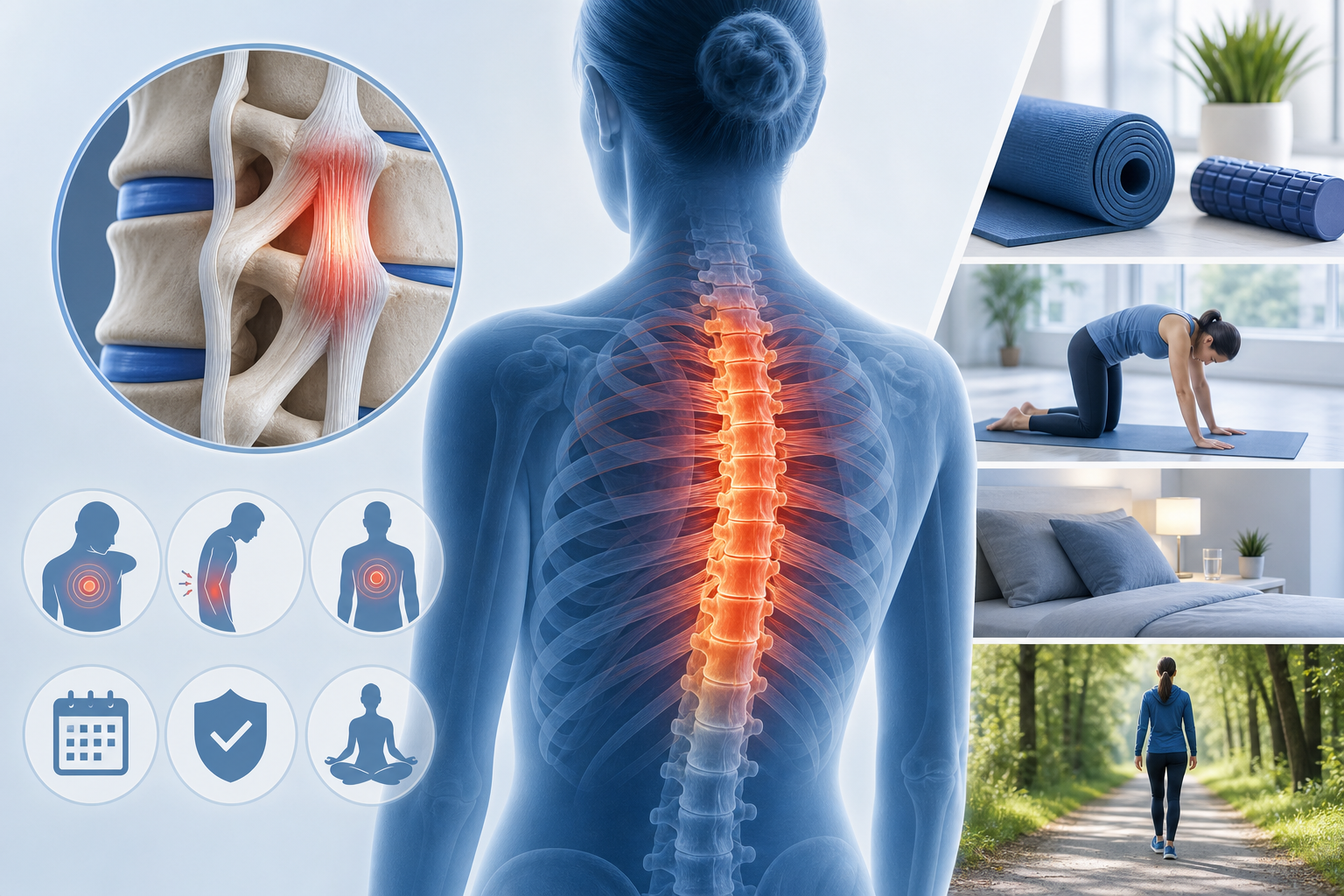
A thoracic spine ligament sprain, medically coded as S23.3 in the ICD-10 classification system, involves damage to the connective tissues that stabilize the middle portion of the spine. The thoracic spine consists of twelve vertebrae in the chest region, connected by ligaments that provide structural support and limit excessive movement. Healthcare providers typically assess injury severity through physical examination and imaging studies, categorizing sprains from mild stretching to partial or complete ligament tears.
During the initial medical consultation, patients can expect a comprehensive evaluation including pain assessment, range of motion testing, and neurological examination. The healthcare team may include primary care physicians, orthopedic specialists, and physical therapists, each contributing expertise to the treatment plan. Understanding this collaborative approach helps patients prepare for their medical appointments and establish realistic expectations for their recovery process. Early diagnosis and proper initial management significantly influence healing outcomes and long-term spinal function.
Step 1: Immediate Pain Management and Symptom Control
Healthcare providers often recommend implementing the RICE protocol during the initial days following a thoracic spine ligament sprain. Rest allows damaged tissues to begin healing, while ice application for 15-20 minutes several times daily can help reduce inflammation and pain. Compression through supportive garments may provide stability, and elevation, when possible, assists with reducing swelling in surrounding tissues.
Pain medications should be used exactly as prescribed by healthcare providers, with patients monitoring for any adverse reactions or concerning symptoms. Activity modifications become essential during this phase, with patients learning to avoid movements that aggravate pain while maintaining gentle mobility as tolerated. Warning signs requiring immediate medical attention include severe or worsening pain, numbness or tingling in the extremities, or any sudden changes in symptoms.
Sleep position adjustments can significantly impact comfort levels, with many patients finding relief by using supportive pillows and avoiding positions that stress the thoracic spine. Healthcare providers may recommend specific sleeping arrangements based on individual injury patterns and pain distribution.
Step 2: Adapting Your Daily Activities and Workplace
Ergonomic workspace modifications play a crucial role in supporting recovery while maintaining productivity. Patients working at computers may benefit from adjustable monitor heights, supportive chairs with proper lumbar support, and frequent position changes throughout the day. Healthcare providers often recommend taking regular breaks to prevent stiffness and reduce strain on healing ligaments.
Safe lifting techniques become essential for protecting the injured spine during recovery. Patients learn to lift with their legs rather than their back, keep objects close to their body, and avoid twisting motions while carrying items. Household tasks may require creative adaptations, such as using long-handled tools for cleaning or organizing frequently used items at easily accessible heights.
Transportation considerations include adjusting car seats for optimal support and taking breaks during long drives to prevent stiffness. Many patients benefit from discussing workplace accommodation options with their employers, such as modified duties or temporary schedule adjustments. Healthcare providers can provide documentation supporting these accommodations when medically necessary for proper healing.
Step 3: Beginning Physical Therapy and Exercise Modifications
Finding qualified physical therapists with experience treating thoracic spine injuries ensures patients receive specialized care tailored to their specific condition. Healthcare providers often provide referrals to trusted practitioners who understand the complexities of spinal ligament healing and can develop appropriate treatment protocols.
Initial therapy sessions typically focus on comprehensive assessment, pain management techniques, and gentle mobility exercises. Patients can expect discussions about their symptoms, functional limitations, and recovery goals. Physical therapists often begin with basic movements designed to maintain flexibility without stressing healing tissues, gradually progressing as tolerance improves.
Safe exercise progressions follow a structured approach, beginning with gentle range of motion activities and slowly incorporating strengthening exercises as healing progresses. Activity restrictions during the initial healing phase typically include avoiding heavy lifting, high-impact activities, and movements that cause significant pain or discomfort. Home exercise programs complement formal therapy sessions, providing patients with tools to support their recovery between appointments while maintaining consistent progress toward their functional goals.
Step 4: Managing Emotional and Mental Health During Recovery
Coping with activity limitations can create emotional challenges as patients adjust to temporary restrictions on their normal routines. Healthcare providers recognize that physical injuries often impact mental well-being, particularly when pain interferes with sleep, work, or recreational activities. Patients may experience frustration, anxiety, or mood changes as they navigate the uncertainty of recovery timelines.
Stress management techniques such as deep breathing exercises, meditation, or gentle relaxation practices can help patients maintain emotional balance during challenging recovery periods. These approaches may also contribute to pain management by reducing muscle tension and promoting overall well-being. Support system utilization becomes crucial, with family members and friends providing practical assistance and emotional encouragement.
Maintaining social connections helps prevent isolation during periods of limited mobility or activity restrictions. Patients often benefit from staying engaged in modified versions of their usual social activities or finding new ways to connect with others. Healthcare providers recommend seeking mental health support when emotional symptoms significantly impact daily functioning, sleep patterns, or overall quality of life, recognizing that comprehensive care addresses both physical and psychological aspects of recovery.
Step 5: Tracking Progress and Planning Long-term Recovery
Recovery milestone tracking helps patients and healthcare providers monitor healing progress and adjust treatment plans as needed. Patients may notice gradual improvements in pain levels, range of motion, and functional abilities over several weeks to months. Healthcare providers often use standardized assessment tools to measure progress objectively and ensure recovery stays on track.
Symptom documentation methods include keeping daily logs of pain levels, activities that worsen or improve symptoms, and functional improvements noticed during recovery. This information proves valuable during follow-up appointments, helping healthcare providers make informed decisions about treatment modifications or progression to more advanced activities.
Follow-up appointment scheduling ensures continuous monitoring of healing progress and timely adjustments to treatment plans. Gradual activity progression follows a structured approach, with patients slowly returning to normal activities as their symptoms improve and strength returns. Prevention strategies for re-injury become increasingly important as patients resume their regular routines, focusing on proper body mechanics, ongoing strengthening exercises, and awareness of activities that may stress the healing spine.
Common Mistakes to Avoid During Initial Recovery
Returning to activities too quickly represents one of the most significant risks to proper healing, as premature stress on injured ligaments can prolong recovery or worsen the injury. Patients often feel eager to resume normal activities when pain begins to improve, but healthcare providers emphasize that tissue healing requires adequate time even after symptoms start resolving.
Ignoring pain signals can lead to setbacks in recovery progress. Pain serves as the body's warning system, indicating when activities exceed current tissue tolerance. Patients who push through significant pain may inadvertently cause additional damage or delay the healing process. Healthcare providers encourage patients to listen to their bodies and modify activities when pain increases.
Skipping physical therapy sessions disrupts the structured progression of recovery and may result in incomplete healing or persistent functional limitations. Consistent therapy attendance allows for proper monitoring of progress and timely adjustments to treatment protocols. Poor posture habits during recovery can place additional stress on healing tissues and surrounding structures.
Inadequate rest periods between activities prevent tissues from recovering between demands, potentially slowing overall healing. Self-medicating without healthcare provider guidance poses risks of drug interactions, side effects, or masking symptoms that require medical attention. Patients benefit from maintaining open communication with their healthcare team about all medications and supplements they use during recovery.
Next Steps: Transitioning to Long-term Management
Ongoing care planning involves establishing relationships with healthcare providers who can support long-term spinal health and monitor for potential complications. Lifestyle modifications for prevention include maintaining proper posture, engaging in regular strengthening exercises, and being mindful of activities that stress the spine. Regular follow-up scheduling ensures continued monitoring even after initial symptoms resolve, allowing for early detection of any recurring issues. Finding specialized providers through platforms like MedXimity helps patients access qualified professionals who understand thoracic spine conditions and can provide comprehensive care. Building sustainable recovery habits creates a foundation for long-term spinal health and reduces the risk of future injuries.
Disclaimer: This information is for educational purposes only and should not replace professional medical advice. Always consult with a qualified healthcare provider for personalized medical guidance.