If you are searching for a fountain inn back pain chiropractor near me, you may be dealing with pain that affects work, sleep, exercise, or simple daily movement. Back pain is common, but that does not make it easy to live with. The right conservative care provider can help evaluate your symptoms, explain possible contributing factors, and recommend a plan that may include chiropractic care, rehabilitation exercises, mobility work, posture guidance, or referral when needed.
This article explains what may cause lower back pain, when back pain needs prompt medical attention, how chiropractic treatment for lower back pain often works, and what to expect at your first visit. It is educational only and is not a diagnosis. If your pain is severe, worsening, or connected to concerning symptoms, consult a qualified healthcare provider.
To compare local options, you can start with the Medximity directory for chiropractors near Fountain Inn, SC or browse the broader chiropractor directory.
What Is Back Pain?
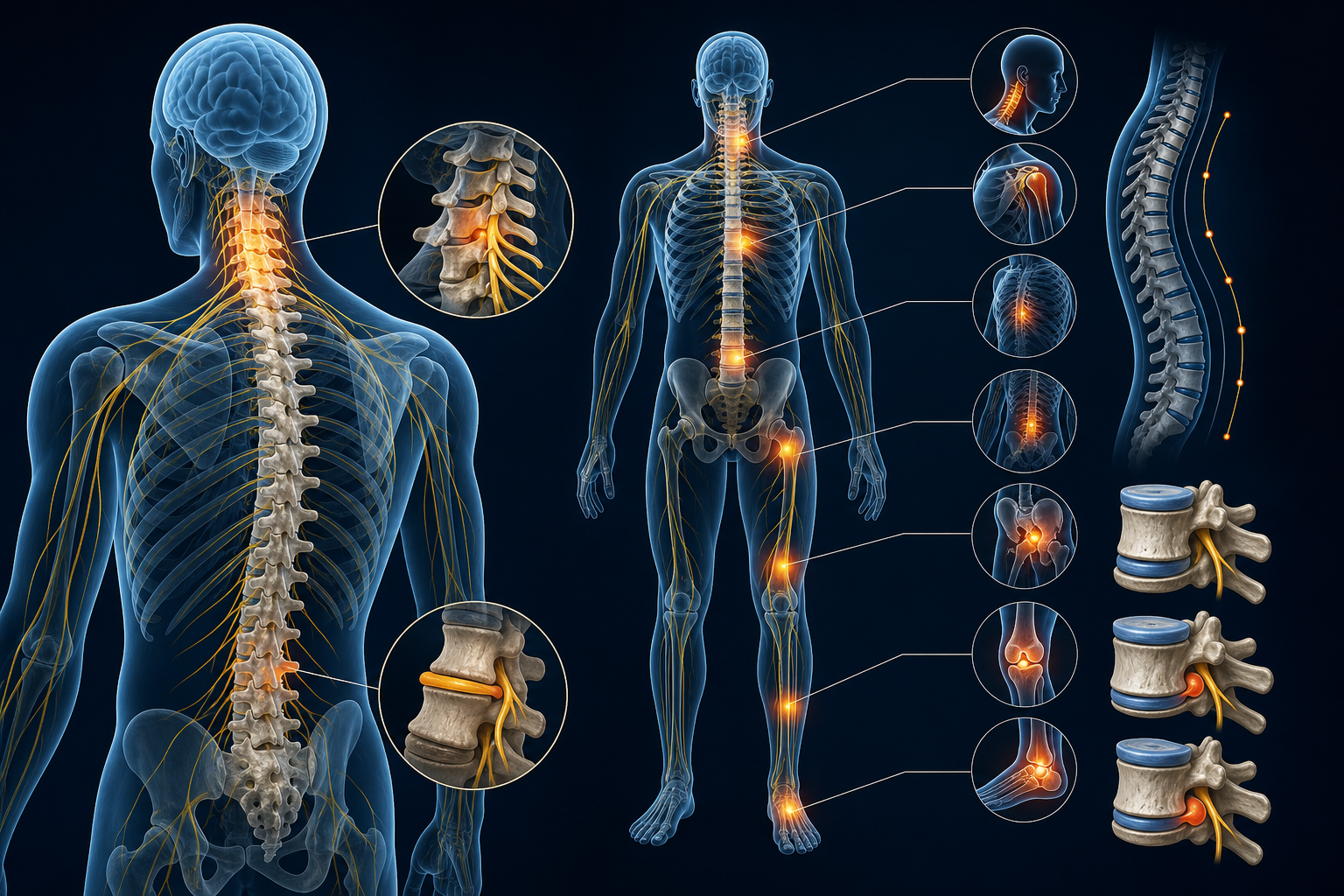
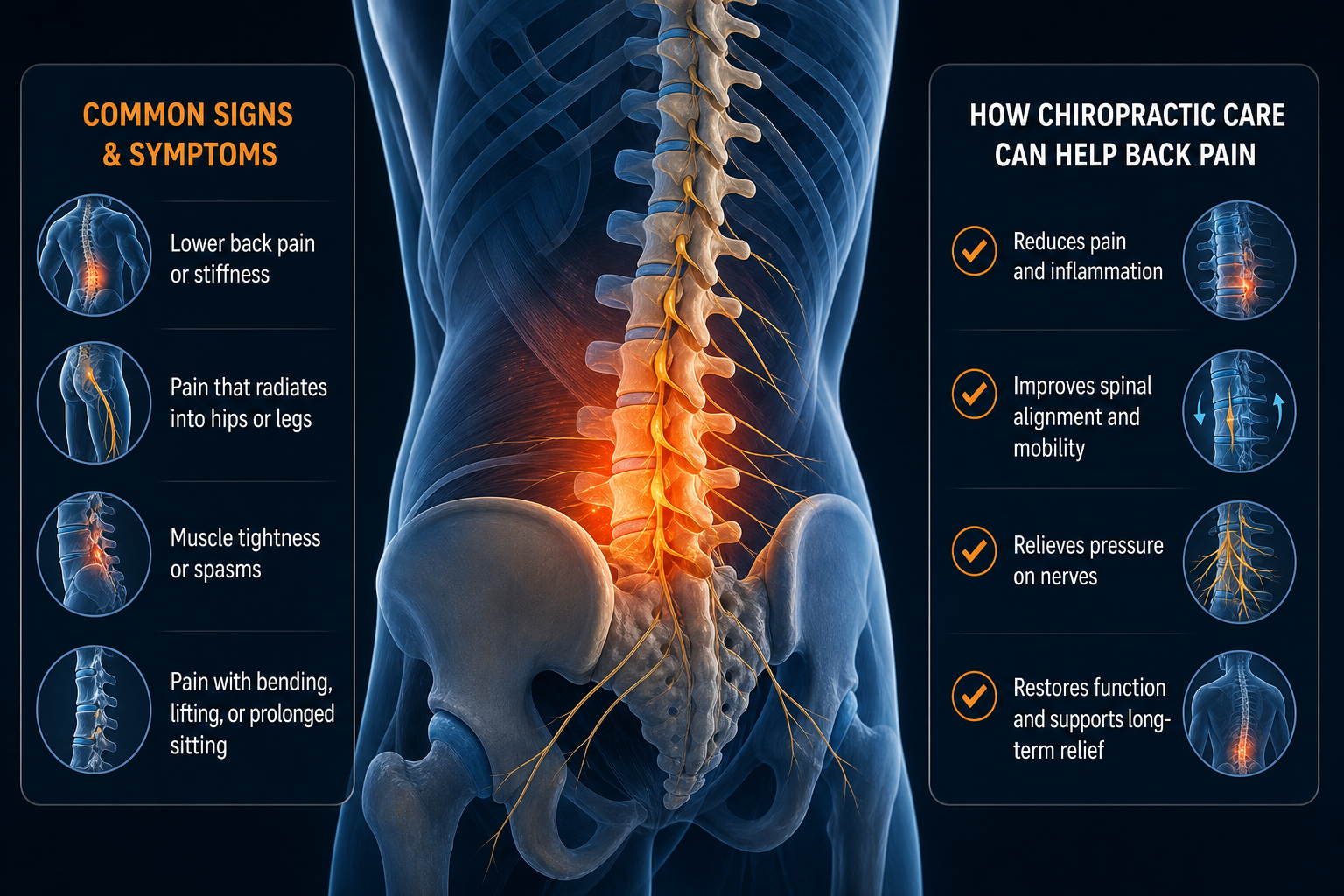
Back pain can involve muscles, joints, spinal discs, ligaments, nerves, or a combination of these structures. Some people feel a dull ache across the low back. Others notice sharp pain with certain movements, stiffness after sitting, spasms, or symptoms that travel into the hip, buttock, or leg.
Lower back pain is especially common because the lumbar spine supports much of the body's weight and helps with bending, lifting, twisting, and standing. Pain may start suddenly after lifting something awkwardly, or it may build gradually from repetitive strain, poor movement patterns, prolonged sitting, or reduced strength and mobility.
For a general overview of symptoms and conservative options, Medximity’s back pain condition guide and lower back pain resource may be helpful starting points.
What Causes Lower Back Pain?
Patients often ask, “What causes lower back pain?” The answer depends on the person, the activity that triggered symptoms, and the findings from an exam. In many cases, back pain is mechanical, meaning it is related to how the spine, joints, muscles, and nerves are moving or tolerating load.
Muscle Strain or Ligament Sprain
A strain or sprain may occur after lifting, twisting, yard work, sports, or even an unexpected movement. Pain may feel tight, sore, or sharp with movement. Some patients also report back spasms, which are involuntary muscle contractions that may be painful and limiting.
Joint Irritation
The joints of the spine can become irritated from repetitive stress, stiffness, or awkward mechanics. This may cause localized pain, especially with bending backward, twisting, or standing after sitting for a long period.
Disc-Related Pain
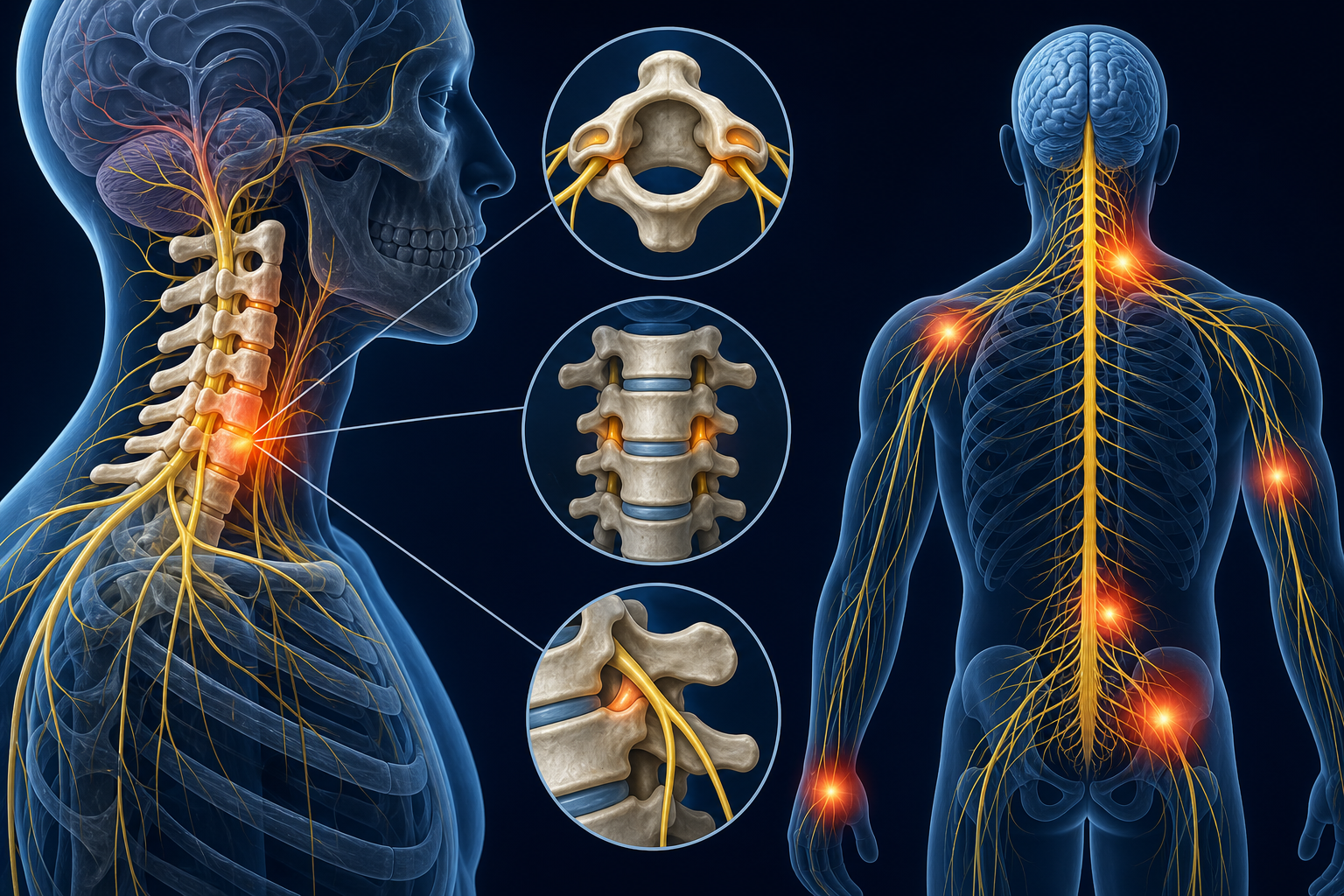
Spinal discs sit between the vertebrae and help absorb force. Disc irritation may contribute to low back pain and, in some cases, symptoms that travel into the leg. Not all disc changes cause pain, and imaging findings do not always match symptoms, so an in-person evaluation is important.
Nerve Irritation
If a nerve is irritated, some people feel pain, numbness, tingling, or weakness into the buttock, thigh, calf, or foot. These symptoms should be evaluated by a qualified provider, especially if they are progressive or affecting balance, strength, or walking.
Deconditioning, Mobility Limits, and Repetitive Stress
Long periods of sitting, reduced core and hip strength, limited flexibility, and repetitive work demands may all contribute to back pain over time. A provider may look beyond the painful area to assess hips, posture, movement habits, and work ergonomics.
Back Pain When Bending Forward
Back pain when bending forward can happen for several reasons. Some people feel pain because the low back muscles are guarding or strained. Others may have disc sensitivity, hip stiffness, or poor tolerance to spinal flexion under load. Bending to tie shoes may feel different than bending to lift a box, and those details matter during an exam.
A chiropractor or rehabilitation provider may assess how you bend, whether your hips are contributing, how your core muscles respond, and whether symptoms change with repeated movement. Treatment may include hands-on care, graded movement, lifting education, and exercises designed to improve tolerance over time.
“I Can’t Stand Up Straight” Back Pain: What It May Mean
When someone says, “I can’t stand up straight because of back pain,” it often means the body is guarding. Muscle spasm, joint irritation, or acute strain can make upright posture feel difficult. Some people temporarily lean to one side or avoid certain movements because the nervous system is trying to protect the area.
This can be alarming, especially if it happens suddenly. In many cases, acute back pain improves with appropriate conservative care and time, but severe pain, trauma, fever, unexplained weight loss, loss of bladder or bowel control, numbness in the groin or saddle area, or progressive leg weakness requires urgent medical evaluation.
Is It Normal to Have Back Spasms?
Back spasms are common with many types of low back irritation, but “common” does not mean they should be ignored. A spasm is a muscle contraction that may occur when the body senses strain, overload, or irritation. Spasms may feel like cramping, gripping, tightness, or sudden locking.
If spasms are mild and improving, a provider may recommend movement modification, gentle mobility, hydration, heat or ice depending on tolerance, and gradual return to activity. If spasms are severe, recurrent, associated with nerve symptoms, or preventing normal movement, it is reasonable to seek an evaluation.
Chiropractic Treatment for Lower Back Pain
Chiropractic treatment for lower back pain usually begins with an exam, not an adjustment. A chiropractor may ask about the onset of pain, daily activities, prior injuries, work demands, sleep, exercise, and symptoms such as numbness or tingling. The physical exam may include posture, range of motion, orthopedic testing, neurologic screening, and movement assessment.
Treatment varies by patient, but may include spinal manipulation or mobilization, soft tissue techniques, stretching, therapeutic exercise, posture coaching, and home-care recommendations. Spinal manipulation is a hands-on technique intended to improve joint motion and reduce mechanical irritation in selected patients. It is not appropriate for every condition, which is why evaluation matters.
You can learn more about this type of care in Medximity’s page on chiropractic adjustment.
Natural Treatment for Back Pain and Care Without Surgery
Many people looking for the best chiropractor for back pain in Fountain Inn are also looking for natural treatment for back pain or back pain treatment without surgery. Conservative care often focuses on improving movement, reducing irritation, building strength, and helping patients return to daily activity safely.
Common non-surgical approaches may include:
- Chiropractic adjustments or mobilization when clinically appropriate
- Therapeutic exercise for core, hip, and spinal control
- Gentle mobility work and stretching
- Soft tissue therapy for muscle tension and guarding
- Ergonomic changes for desk work, driving, or lifting tasks
- Education on pacing, activity modification, and gradual return to movement
Research and clinical guidelines commonly support conservative, non-drug approaches as part of early management for many types of uncomplicated low back pain. However, the best plan depends on your symptoms, medical history, and exam findings.
Chiropractor vs. Physical Therapy for Back Pain
Patients often compare chiropractor vs physical therapy for back pain. Both may help with conservative spine care, but their emphasis can differ. Chiropractors commonly focus on spinal joint function, hands-on treatment, movement assessment, and home guidance. Physical therapists often emphasize progressive exercise, strength, mobility, functional training, and rehabilitation after injury or surgery.
In practice, there can be overlap. Some chiropractic offices provide active rehabilitation, and some physical therapy clinics use manual therapy. The right choice depends on your diagnosis, goals, preferences, and whether you need hands-on care, structured rehab, or both. If you are comparing options, Medximity’s guide to chiropractic care vs. physical therapy for back pain can help you understand the differences.
You can also browse physical therapy treatment information if your care plan may involve rehabilitation exercises or functional strengthening.
How Long Does Back Pain Last?
How long back pain lasts varies. Some acute back pain improves within days to a few weeks. Other cases take longer, especially when symptoms involve nerve irritation, repeated aggravation, poor sleep, heavy job demands, or reduced strength and mobility.
A useful question is not only how long pain has been present, but whether it is improving, worsening, or staying the same. Pain that is gradually improving and not associated with red flags may respond well to conservative care. Pain that is severe, recurring, spreading into the leg, or interfering with basic activities deserves professional evaluation.
When to See a Provider for Back Pain
If you are wondering when to see doctor for back pain, consider both severity and pattern. You do not need to wait until pain is unbearable to ask for help. A provider may be useful when pain limits work, sleep, driving, exercise, or normal movement for more than a few days, or when symptoms keep returning.
Seek Prompt Medical Attention If You Have Red Flags
Seek urgent medical evaluation if back pain follows major trauma, is associated with fever, unexplained weight loss, history of cancer, loss of bladder or bowel control, numbness in the groin or saddle area, or progressive leg weakness. These symptoms are not typical of simple mechanical back pain and should be assessed quickly.
Consider Conservative Care When Pain Affects Daily Life
If you have stiffness, spasms, pain with bending, pain after sitting, or recurring flare-ups, a chiropractor or rehabilitation provider may be able to evaluate mechanical contributors and suggest a care plan. For more detail, see Medximity’s article on when to see a doctor for back pain.
What to Expect at a Fountain Inn Back Pain Chiropractic Visit
Your first visit should feel like an evaluation, not a rushed treatment. A chiropractor will typically review your health history, ask how symptoms started, identify movements that worsen or ease pain, and screen for signs that may require referral. You may be asked about work activities, exercise, prior injuries, medications, and any symptoms into the legs.
The exam may include checking range of motion, muscle strength, reflexes, sensation, posture, gait, and specific orthopedic movements. If chiropractic care appears appropriate, the provider may discuss a treatment plan. If your symptoms suggest another type of care is needed, the chiropractor may recommend referral to a medical provider, imaging consideration, or co-management.
Your Treatment Plan Should Be Clear
A good care plan should explain what the provider found, what the likely goals are, what treatment may include, how progress will be measured, and what you can do at home. You should also understand any risks, alternatives, and reasons to stop or modify care.
Home Care Matters
Even when hands-on treatment helps, recovery often depends on what happens between visits. Your provider may suggest gentle walking, movement breaks, lifting changes, specific stretches, strengthening exercises, or ergonomic adjustments. These recommendations should be matched to your condition and tolerance.
How to Find the Best Chiropractor for Back Pain in Fountain Inn
The “best” chiropractor for back pain in Fountain Inn is not the same for every patient. Look for a provider who listens carefully, explains findings in plain language, screens for red flags, uses conservative care appropriately, and adjusts the plan if you are not improving.
Helpful questions to ask include:
- Do you commonly treat lower back pain, sciatica-like symptoms, or back spasms?
- What does the first visit include?
- Do you provide exercises or movement guidance?
- How will we know if care is helping?
- When would you refer me to another provider?
If you are ready to compare local providers, search Medximity for a Fountain Inn back pain chiropractor near you. Reviewing provider profiles can help you understand services, location, and whether a clinic’s approach fits your needs.
FAQs About Back Pain Chiropractors Near Fountain Inn
Can a chiropractor help lower back pain?
Chiropractic care may help some types of lower back pain, especially when pain is related to joint stiffness, muscle tension, movement limitations, or mechanical irritation. A chiropractor should evaluate your symptoms first and refer you when signs suggest another type of medical care is needed.
Should I see a chiropractor if I have back pain when bending forward?
A chiropractor may be able to assess why bending forward aggravates your symptoms and whether conservative care is appropriate. Because bending pain can have several causes, an exam is more useful than guessing based on symptoms alone.
What if I can’t stand up straight because of back pain?
Difficulty standing upright can happen with spasms, acute strain, or guarding. If symptoms are severe, worsening, associated with trauma, or include numbness, weakness, bladder or bowel changes, or groin numbness, seek urgent medical evaluation.
Is chiropractic care a back pain treatment without surgery?
Yes, chiropractic care is a conservative, non-surgical approach. It may include manual therapy, spinal adjustment or mobilization, exercise, and education. It does not replace medical care when red flags or complex conditions are present.
How many visits will I need?
The number of visits varies based on your symptoms, exam findings, goals, and response to care. A provider should explain the recommended plan and reassess progress rather than offering a one-size-fits-all schedule.
Find Back Pain Care Near Fountain Inn
Back pain can be frustrating, but you do not have to navigate it alone. If you are searching for a fountain inn back pain chiropractor near me, start by choosing a provider who evaluates carefully, explains options clearly, and focuses on safe, conservative care. Medximity can help you compare local chiropractic providers and learn more about back pain treatment options before you schedule.