If you were hurt on the job, one of the first practical questions is often: Does workers' compensation cover rehabilitation? In many cases, workers' compensation may cover medically necessary rehabilitation that is related to an accepted work injury. That can include physical therapy, chiropractic care, therapeutic exercise, functional training, and other conservative services designed to help you recover movement, reduce pain, and return to work safely.
Coverage is not automatic in every situation. Workers' compensation laws vary by state, and claims may involve rules about authorized providers, referrals, treatment plans, medical necessity, and utilization review. This article is informational only and is not legal advice. If you have questions about your claim, deadlines, or benefits, consider speaking with a licensed workers' compensation attorney in your state. If you have questions about your symptoms or treatment options, consult a qualified healthcare provider.
For patients looking for care, Medximity can help you compare conservative care options and search for a workers comp rehabilitation provider near you.
What Is Work Injury Rehabilitation?
Work injury rehabilitation is a structured treatment process that may help an injured worker regain strength, mobility, coordination, and function after an injury related to job duties. Rehabilitation is usually conservative, meaning it focuses on non-surgical care such as movement, hands-on treatment, education, ergonomic guidance, and progressive activity.
What counts as work injury rehabilitation depends on the injury, the provider's evaluation, and the rules of the workers' compensation system involved. It may include treatment for a single traumatic event, such as a fall, or a cumulative injury that develops over time from lifting, reaching, bending, typing, driving, or repetitive tool use.
Common examples of work injury rehab
- Physical therapy: guided exercise, mobility work, strengthening, balance training, manual therapy, and return-to-work conditioning.
- Chiropractic care: spinal or extremity assessment, chiropractic adjustment when appropriate, soft-tissue techniques, movement coaching, and posture or lifting education.
- Functional rehabilitation: job-specific training such as lifting mechanics, squatting, pushing, pulling, carrying, reaching, or safe body positioning.
- Pain and mobility management: non-invasive strategies that may reduce stiffness and improve tolerance for daily activities.
- Home exercise programs: provider-directed movements that support progress between visits.
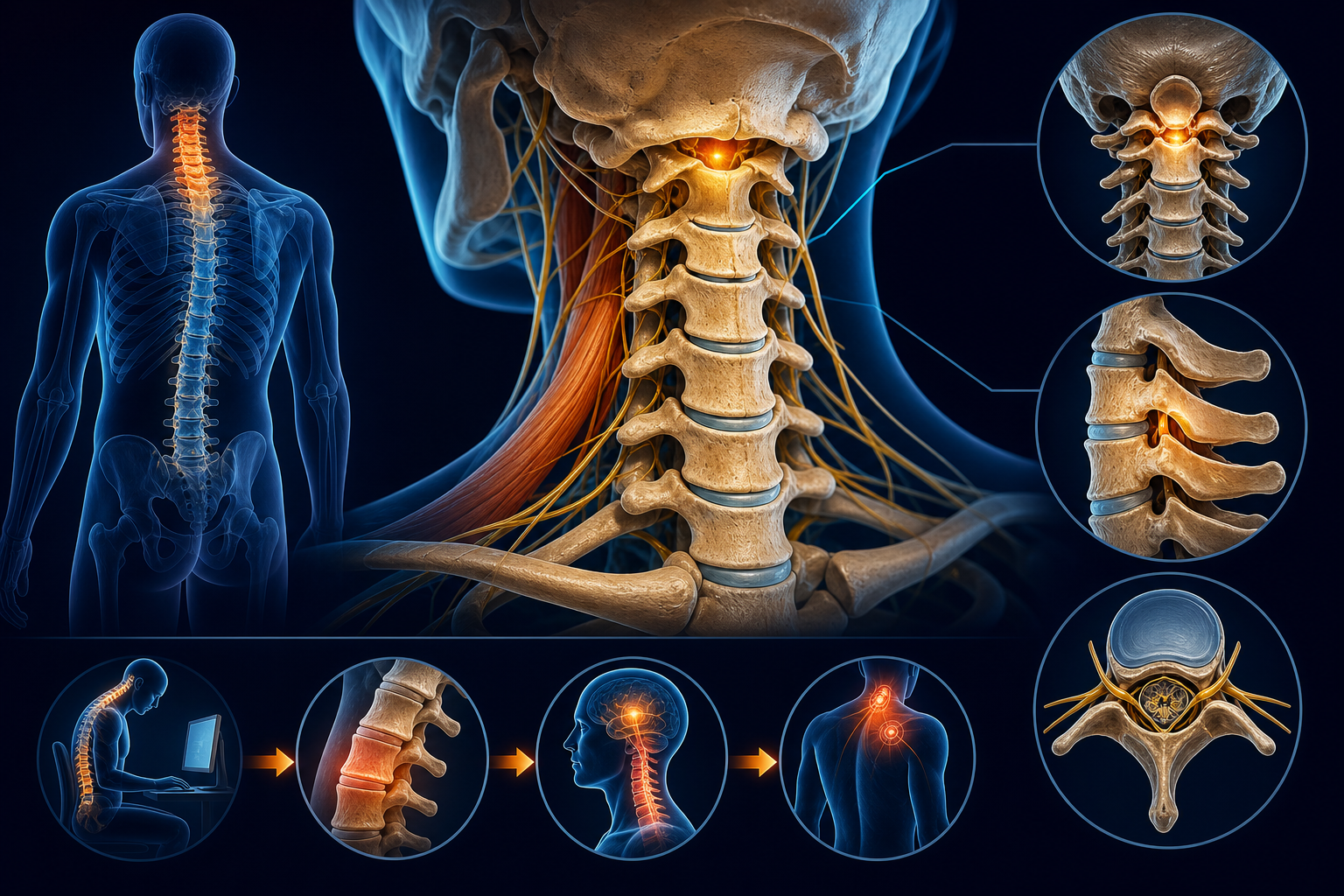
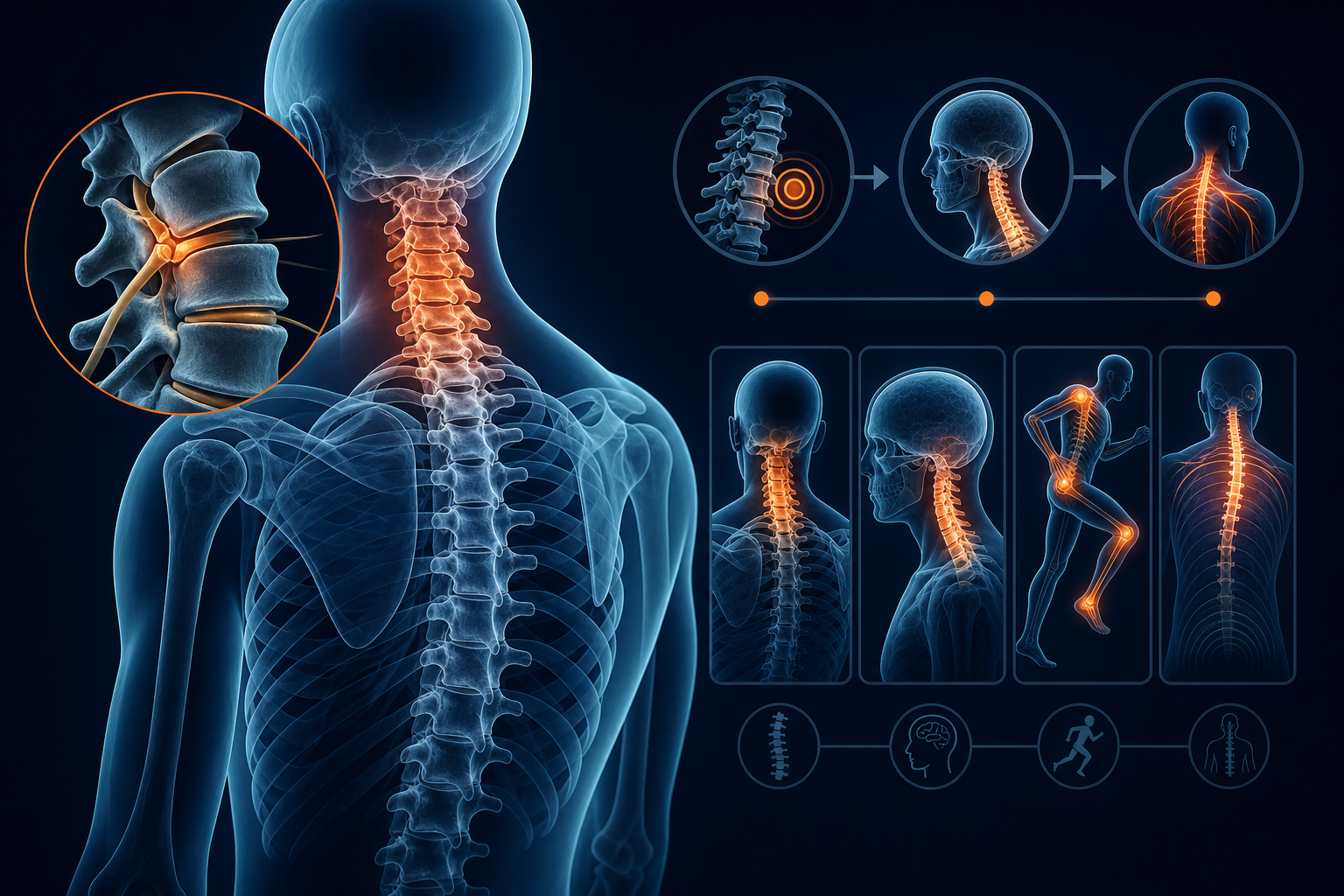
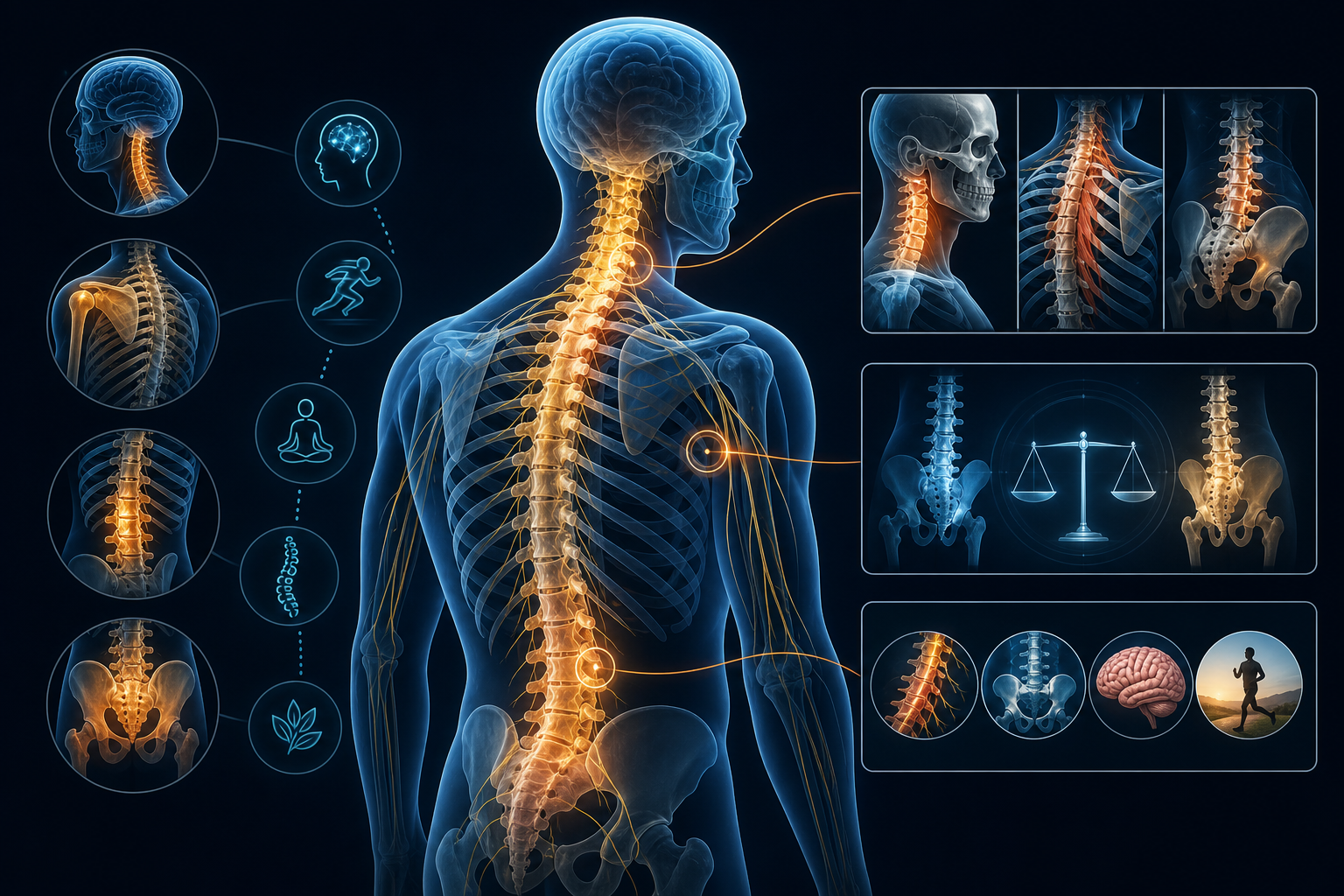
Rehabilitation may be used for back injuries, neck injuries, shoulder strains, knee injuries, repetitive stress conditions, sprains, strains, and some post-immobilization limitations. The exact plan should be based on a clinical evaluation rather than symptoms alone.
Does Workers' Compensation Cover Rehabilitation?
Workers' compensation may cover rehabilitation when the treatment is connected to a covered workplace injury and considered medically necessary. In practical terms, that often means a provider documents the diagnosis or clinical findings, explains the need for care, outlines a treatment plan, and tracks progress over time.
If you are asking, does workers comp cover physical therapy, the answer is often yes when physical therapy is authorized and tied to the accepted injury. Chiropractic care and other conservative rehabilitation may also be covered in some claims, but coverage rules can vary by jurisdiction, employer policy, insurance carrier, provider network, and claim status.
Because workers' compensation systems are state-specific, you should not assume that another worker's experience applies to your situation. Some states require specific forms, preauthorization, a treating physician referral, or treatment through an approved network. Others allow more provider choice. A licensed attorney or your state's workers' compensation office can explain claim rules, while your provider can explain the clinical purpose of the recommended care.
Rehabilitation coverage often depends on documentation
Clear documentation matters. A rehabilitation provider will typically record your history, job demands, objective findings, pain levels, functional limits, treatment response, and progress toward goals. This documentation may help show why care is being recommended, especially when authorization is required.
For example, if you have pain when lifting after a work injury, a provider may document shoulder range of motion, grip strength, lifting tolerance, pain triggers, and job-specific requirements. If you can't bend after a workplace back injury, the provider may assess lumbar mobility, hip motion, nerve-related symptoms, tolerance for sitting or standing, and safe movement strategies.
When Should an Injured Worker See a Rehabilitation Provider?
You should consider being evaluated by a qualified provider after a workplace injury when pain, stiffness, weakness, numbness, swelling, limited motion, or functional difficulty does not quickly improve, interferes with work duties, or affects basic activities such as walking, lifting, dressing, sleeping, driving, or using stairs.
Some injuries need prompt medical attention. Seek urgent or emergency care if you have severe pain after trauma, chest pain, difficulty breathing, major swelling, loss of bowel or bladder control, progressive weakness, significant numbness, a suspected fracture, head injury symptoms, or any symptom that feels serious or rapidly worsening.
For non-emergency injuries, early evaluation may help clarify what tissues may be involved and what level of activity is safe. A provider can also help determine whether conservative treatment such as physical therapy treatment or chiropractic care may be appropriate.
Common work injury symptoms that may benefit from rehab evaluation
- Back pain after lifting, twisting, prolonged sitting, or repetitive bending
- Neck pain after a fall, impact, driving task, or awkward posture
- Shoulder pain when reaching overhead, carrying, pushing, pulling, or lifting
- Knee, hip, ankle, or foot pain after slips, trips, or repetitive standing
- Wrist, elbow, or hand pain related to gripping, typing, tools, or vibration
- Weakness, stiffness, reduced endurance, or fear of returning to normal movement
If your primary issue is back pain, you can also review Medximity's patient resource on back pain and conservative care. For upper-body injuries, Medximity's shoulder pain resource may help you understand common movement-related causes.
What to Expect During Workers' Comp Rehabilitation
Rehabilitation usually starts with an evaluation. The provider will ask how the injury happened, what symptoms you have, what makes them better or worse, what your job requires, and what activities you need to return to. They may assess posture, range of motion, strength, balance, joint mobility, soft-tissue tenderness, walking pattern, lifting mechanics, and functional tasks.
Based on the findings, the provider may create a plan that includes in-office treatment, exercises, education, and home instructions. The plan may be updated as you improve or if symptoms change. In a workers' compensation setting, the provider may also send progress notes to the appropriate party, depending on state rules and authorization requirements.
Your first visit may include
- A review of the injury history and your current work restrictions, if any
- A physical examination focused on movement, strength, function, and pain triggers
- Discussion of your work duties, such as lifting weight, reaching height, standing time, or tool use
- A treatment plan with short-term and longer-term functional goals
- Home exercises or activity modifications to support recovery
- Education about expected soreness, warning signs, and when to follow up
Rehabilitation should be active and goal-oriented. Passive care alone, such as only resting or only receiving modalities, may not be enough for many work injuries. Many patients need a gradual progression that prepares the body for real job demands.
Physical Therapy vs. Chiropractic for Work Injury
Patients often ask about physical therapy vs chiropractic for work injury. The best fit depends on the injury, symptoms, provider training, state rules, and treatment goals. Both disciplines may play a role in conservative work injury care, and in some cases they overlap.
Physical therapy often emphasizes therapeutic exercise, mobility, strengthening, balance, gait training, work conditioning, and functional progression. It may be especially useful when an injured worker needs to rebuild strength and endurance for specific tasks.
Chiropractic care often focuses on the spine and musculoskeletal system, including joint mobility, spinal or extremity adjustment when appropriate, soft-tissue care, movement assessment, and education about posture and body mechanics. It may be considered for certain back, neck, and extremity conditions when clinically appropriate.
Neither option is automatically better for every person. A provider should evaluate your specific injury, explain the rationale for care, and coordinate within the workers' compensation requirements that apply to your claim. You can explore Medximity's physical therapy provider directory or search for chiropractors near you to compare available conservative care options.
Common Work Injuries That May Involve Rehabilitation
Rehabilitation may be recommended for many job-related injuries, particularly when pain limits movement or function. The goal is not only symptom relief. It is also to improve the injured worker's ability to perform safe, sustainable movement at home and, when appropriate, at work.
Treatment for shoulder injury at work
Shoulder injuries at work may occur from lifting, carrying, overhead reaching, pushing, pulling, or a fall onto the arm. Symptoms can include pain with reaching, weakness, stiffness, clicking, or difficulty sleeping on the affected side. Conservative rehabilitation may include range-of-motion exercises, rotator cuff and shoulder blade strengthening, manual therapy, posture training, and gradual return to lifting tasks.
If shoulder pain is severe, follows a major fall, or is associated with obvious deformity, significant weakness, numbness, or inability to raise the arm, prompt medical evaluation is important.
Back injury and difficulty bending
Back injuries are common in jobs that involve lifting, twisting, prolonged sitting, vibration, patient handling, or repetitive bending. If you can't bend after a workplace back injury, a provider may assess spinal motion, hip mobility, muscle guarding, nerve-related symptoms, and tolerance for basic activities.
Rehab may include gentle mobility work, core and hip strengthening, lifting mechanics, graded exposure to bending, and education about pacing. Some back injuries improve with conservative care, but worsening neurological symptoms or severe pain should be evaluated promptly.
Pain when lifting after work injury
Pain with lifting can come from several body regions, including the shoulder, elbow, wrist, back, hip, or knee. A rehabilitation provider may look at how you lift, where pain occurs, what load triggers symptoms, and whether weakness or mobility limits are contributing. Treatment may focus on building capacity gradually rather than simply avoiding all activity.
How Long Does Workers' Comp Rehab Last?
The answer to how long does workers comp rehab last varies. Some mild strains may require only a short course of care, while more complex injuries may need several weeks or longer. Duration can depend on the type of injury, severity, job demands, baseline health, consistency with home exercises, authorization rules, and whether symptoms improve as expected.
Workers' compensation rehabilitation is often measured by functional progress. Providers may track whether you can bend farther, lift more safely, walk longer, sleep better, sit or stand longer, reach overhead, or perform job-specific tasks with fewer symptoms. If progress stalls, the provider may modify the plan, communicate with the referring clinician, or recommend further evaluation within the appropriate medical process.
It is reasonable to ask your provider what goals they are tracking and how they will decide whether care is helping. A clear plan should include measurable objectives, not just repeated visits without reassessment.
Can Workers' Comp Rehab Help Without Surgery?
Many injured workers are interested in workers comp rehab without surgery. Conservative rehabilitation may help some patients improve pain, mobility, strength, and function without invasive treatment. However, outcomes vary, and not every injury responds the same way.
Rehabilitation cannot reverse every structural injury, and it should not be treated as a guarantee. Its role is to support healing, improve movement quality, reduce avoidable strain, and help the patient build tolerance for daily and work-related activity when safe. If symptoms worsen, new neurological signs appear, or function declines, the treatment plan should be reassessed by a qualified medical professional.
What If Workers' Comp Denied Rehab Authorization?
A workers comp denied rehab authorization notice can be frustrating, especially when you are still having pain or difficulty working. Denials may happen for many reasons, including missing documentation, questions about medical necessity, disputes about whether the injury is work-related, treatment guideline limits, provider network issues, or claim status problems.
This is both a medical documentation issue and a legal/administrative issue. Your rehabilitation provider may be able to clarify the treatment plan, provide progress notes, or communicate clinical findings through the proper channels. For questions about appeal rights, deadlines, hearings, or legal strategy, speak with a licensed workers' compensation attorney in your state. Laws and procedures vary by jurisdiction.
Helpful questions to ask after a denial
- Was the denial based on medical necessity, authorization rules, provider network status, or claim acceptance?
- Does the insurer need additional records or a revised treatment plan?
- Has the provider documented objective findings and functional goals?
- Are there state-specific appeal deadlines that apply?
- Who is allowed to request reconsideration under the applicable workers' compensation rules?
Do not ignore a denial if you still need care. Ask for clarification from the appropriate claims contact, your provider, or a qualified attorney, depending on the nature of the issue.
Is It Normal to Feel Worse After Rehab?
Some mild soreness after rehabilitation can be normal, especially when you begin new exercises, restore motion to a stiff area, or use muscles that have been guarded after injury. This soreness should usually be temporary and manageable. It should not feel like a major setback or a new injury.
If you are wondering, is it normal to feel worse after rehab, the answer depends on what worse means. Mild muscle soreness or fatigue may occur. Sharp pain, increasing numbness, spreading symptoms, major swelling, new weakness, dizziness, or pain that does not settle should be reported to your provider. Your treatment plan may need to be adjusted.
Good rehabilitation is not a test of pain tolerance. Your provider should explain what sensations are expected, what activities to avoid, and when to call for guidance.
How to Find Workers Comp Rehabilitation Near Me
When searching for workers comp rehabilitation near me or the best workers comp rehabilitation provider near me, look for a provider who regularly evaluates musculoskeletal injuries, communicates clearly, documents functional progress, and understands work-related activity demands. If your claim requires an authorized provider or network participation, confirm those details before scheduling.
A good provider should be able to explain your evaluation findings, the purpose of each treatment, how progress will be measured, and what you can safely do between visits. They should also encourage questions and adjust care when symptoms or job requirements change.
What to look for in a rehabilitation provider
- Experience with work-related back, neck, shoulder, knee, or repetitive strain injuries
- A clear evaluation process and measurable treatment goals
- Active rehabilitation, not just passive treatment
- Understanding of job-specific movement, lifting, and ergonomic demands
- Timely documentation and communication within appropriate claim rules
- A practical home program that fits your current ability level
You can start by using Medximity to find a rehabilitation provider near you, compare options, and review conservative care specialties. If you are unsure whether physical therapy, chiropractic, or another provider type fits your needs, begin with an evaluation and ask how the provider approaches work injury rehabilitation.
Key Takeaway for Injured Workers
Workers' compensation may cover rehabilitation when care is medically necessary, related to an accepted work injury, properly authorized when required, and documented according to the rules that apply in your state. Rehabilitation can include physical therapy, chiropractic care, functional training, and other conservative services that may help injured workers restore movement and return to daily activities more safely.
Because both medical needs and workers' compensation rules are fact-specific, the safest next step is to speak with the right professional for the right question: a qualified healthcare provider for diagnosis and treatment guidance, and a licensed attorney or appropriate workers' compensation resource for legal rights, deadlines, or disputed claim issues.