General information only: This article is educational material, not individualized legal advice, a coverage determination, or a guarantee of benefits. Coverage may vary by policy, payer, jurisdiction, date of loss, and individual circumstances. Patients should verify current requirements with USAA, their health insurer, their provider, and, when appropriate, a qualified attorney or insurance professional.
Does USAA Cover Auto Accident Treatment?
The short answer is: it depends on which USAA-related coverage is involved and what the policy says. When people ask, does USAA health cover car accident treatment, they may mean health insurance obtained through or associated with USAA, USAA auto insurance, or both. Those are different claim paths.
After a crash, treatment may be billed through auto insurance benefits, health insurance, a third-party liability claim, or another arrangement allowed by state law and the patient’s policies. USAA auto coverage may include medical benefits such as personal injury protection, no-fault coverage, or medical payments coverage if those benefits are part of the applicable policy. Health insurance may also apply, subject to plan terms, network rules, medical necessity requirements, deductibles, copays, and coordination provisions.
No public article can confirm whether a specific patient’s visit, imaging, chiropractic care, physical therapy, specialist evaluation, or procedure will be paid. The practical next step is coverage verification before or soon after treatment begins.
USAA Auto Insurance vs. Health Insurance: Why the Difference Matters
The distinction between USAA auto insurance vs health insurance claims matters because the payer, documentation, and reimbursement process may differ.
Auto insurance is tied to the crash. Depending on the policy and state, it may include benefits that pay accident-related medical bills directly, reimburse covered expenses, or evaluate bills as part of a liability claim. Auto claims commonly require accident details, claim numbers, dates of service, medical records, and bills connecting the treatment to the collision.
Health insurance is tied to the patient’s health plan. It may process claims under ordinary plan rules even if the injury came from a crash. However, health plans often ask whether another party, auto policy, workers’ compensation carrier, or settlement may be responsible. For patients, the key question is not only who pays, but which payer should be billed first and whether repayment rights may arise later.
How PIP, No-Fault Coverage, and MedPay May Apply
Personal injury protection, often called PIP, and no-fault coverage are governed by state law and policy terms. In some jurisdictions, PIP may be an initial source of payment for accident-related medical bills, regardless of who caused the crash. In other places, PIP may be optional, limited, or unavailable. Rules vary by jurisdiction and policy effective date.
Patients asking how USAA PIP covers accident medical bills should request the applicable declarations page, benefit information, claim number, and billing instructions. Ask whether PIP applies to the patient’s role in the crash, such as driver, passenger, pedestrian, or covered household member. Also ask whether the policy requires specific forms, provider documentation, examinations, or proof that care is accident-related and medically necessary.
USAA MedPay coverage after car accident may also be relevant if medical payments coverage is included in the auto policy. MedPay is generally separate from liability coverage and may help with eligible medical expenses, subject to policy terms. It can interact with health insurance differently depending on the plan and state law, so verification is essential.
When Health Insurance May Be Used After a Car Accident
Health insurance may be used after a crash in many situations, but the correct sequence depends on policy language, state rules, and available auto benefits. Patients commonly ask when to use health insurance after crash when PIP is exhausted, MedPay is unavailable, a liability claim is pending, or a provider does not bill auto insurance directly.
Even when health insurance is available, normal plan requirements may still apply, including network participation, referrals, prior authorization, medical necessity review, deductibles, copays, and claim filing procedures. The health insurer may also ask for the auto claim number, accident date, police report information, or details about any settlement.
A pending injury claim does not automatically pause medical billing. Providers, health insurers, auto insurers, and lienholders may have separate processes.
Treatment Types That May Require Coverage Verification
Coverage verification is especially important for care that continues beyond the emergency phase or requires multiple visits. For car accident treatment coverage verification USAA, patients and providers may need to confirm the claim number, benefit type, accident relationship, documentation requirements, and whether bills should go to auto insurance, health insurance, or both.
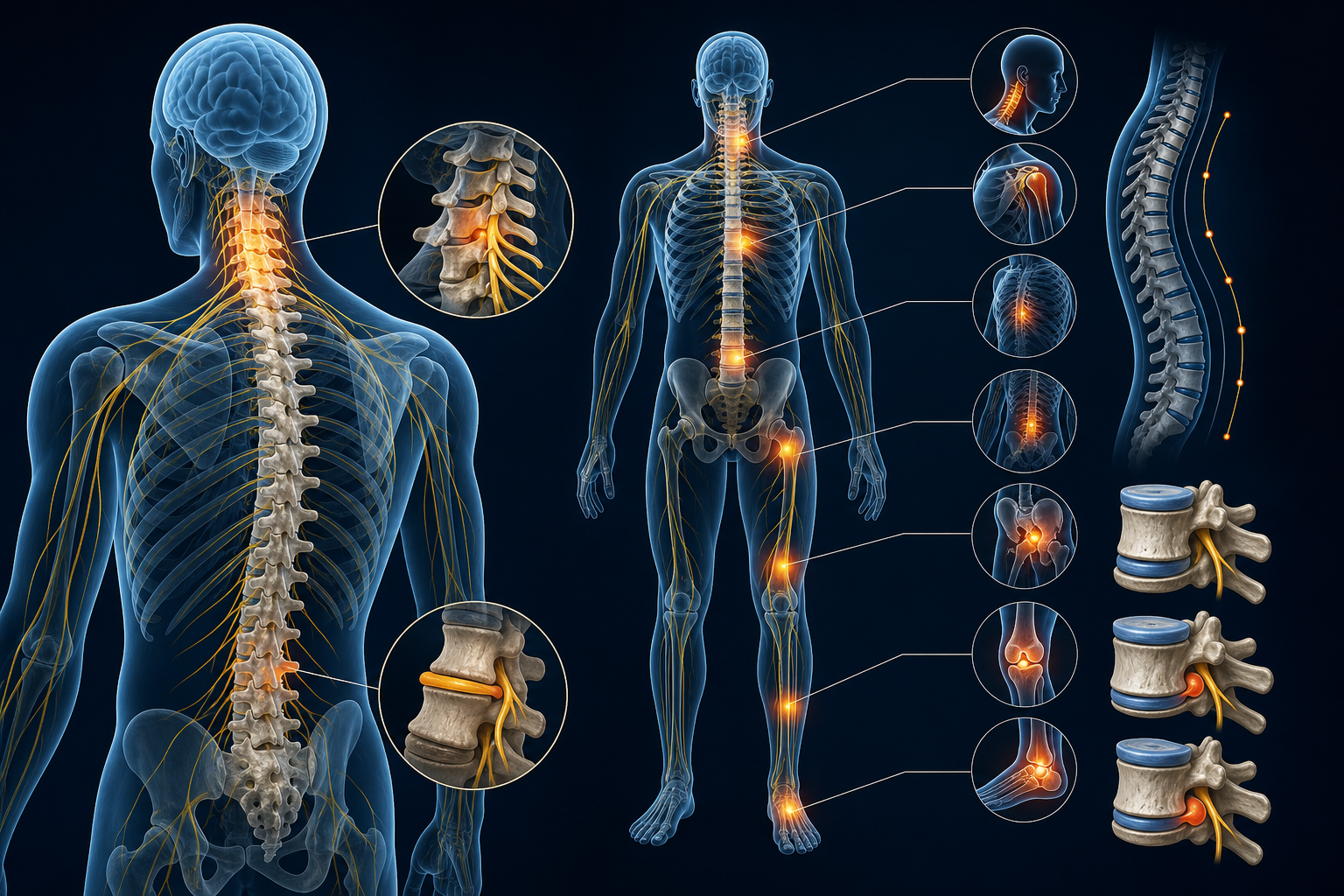
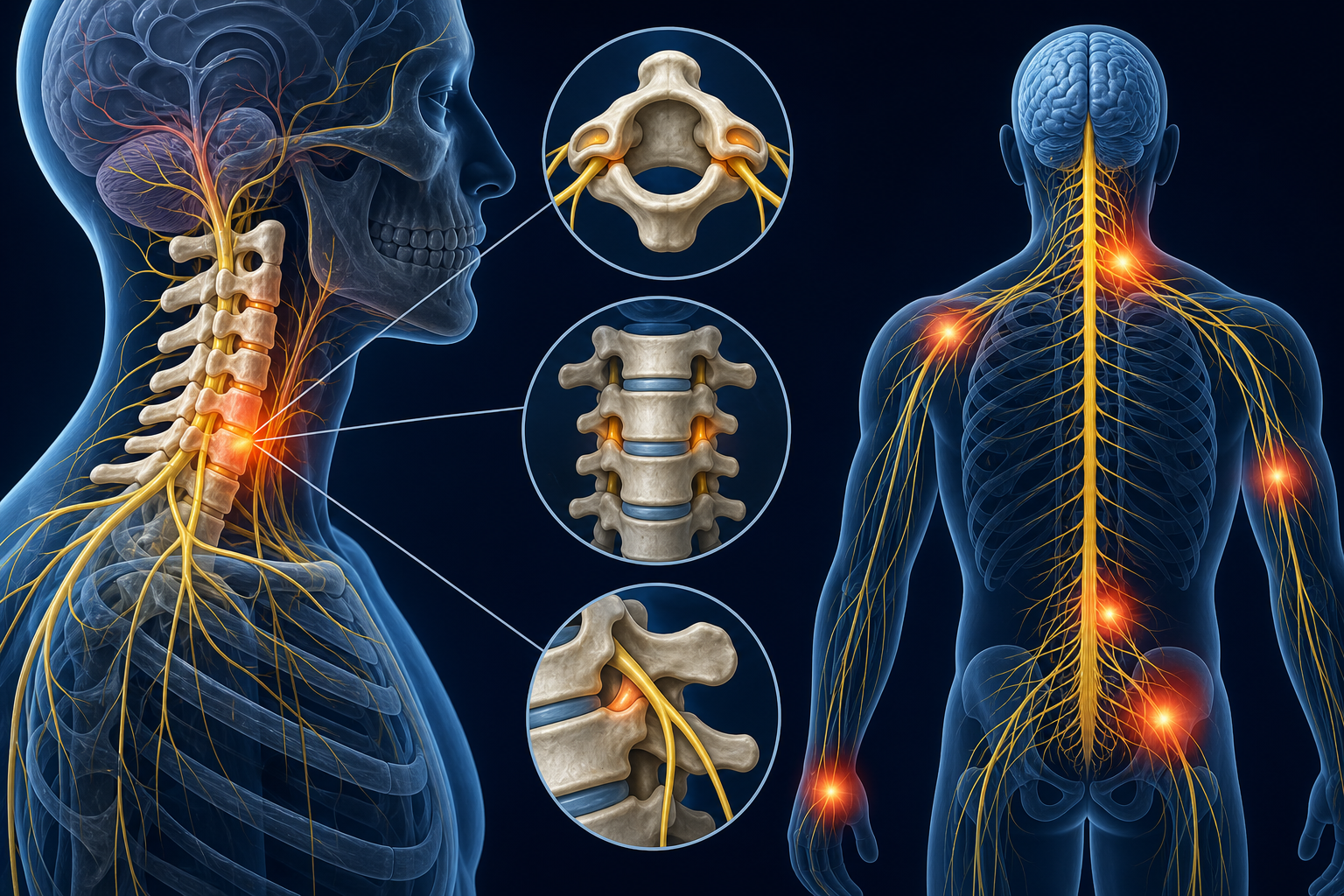
Services that may require verification include emergency care, diagnostic imaging, specialist visits, chiropractic care, physical therapy, pain management, neurological evaluation, and follow-up care for back, neck, head, or radiating pain. For general educational context on symptoms that may arise after trauma, Medximity offers resources on concussion concerns, lower back pain, sciatic pain, and upper cervical issues. These articles are educational and do not determine insurance coverage.
Before beginning a care plan, patients should ask the provider’s billing team whether they accept auto claims, health insurance, letters of protection, liens, or self-pay arrangements. They should also ask what happens if a payer denies or delays payment.
Coordination of Benefits, Subrogation, and Medical Liens
A USAA coordination of benefits accident claim may involve deciding which coverage is primary, which is secondary, and what information must be exchanged between insurers. Coordination rules can be contractual, statutory, or both. They may differ for PIP, MedPay, health insurance, Medicare-related plans, employer plans, and liability claims.
USAA subrogation after auto accident medical bills is another issue patients may hear about. In general, subrogation means an insurer or plan that paid medical expenses may seek reimbursement from a responsible party or from a later settlement, where allowed. The exact rights and procedures depend on plan documents, state law, federal rules that may apply to certain plans, and the facts of the case.
Medical liens can also affect settlement proceeds or patient responsibility. A lien is not the same as ordinary insurance billing. Patients should understand any lien or payment agreement before signing.
What Patients Should Ask USAA, Their Health Insurer, and Their Provider
The best questions to ask USAA after accident injury are specific and documented. Patients should consider asking:
- What claim number should medical providers use?
- Does the auto policy include PIP, no-fault, MedPay, or other medical benefits?
- Which bills should be submitted to auto insurance first, if any?
- Are forms, records, or examinations required for accident-related medical claims?
- Does the policy require proof that treatment is related to the crash?
- How should health insurance be coordinated with the auto claim?
- Will the insurer assert reimbursement or subrogation rights if another recovery occurs?
Patients should ask their health insurer whether accident claims require additional reporting and whether the plan expects another payer to be billed first. They should ask providers whether the office verifies coverage, submits records, tracks denials, and explains patient responsibility in writing.
Documents to Keep for an Accident-Related Treatment Claim
Useful documents for USAA accident medical claim review may include:
- Auto claim number and adjuster contact information;
- Health insurance card and plan information;
- Police report or crash exchange information, if available;
- Date, time, and location of the accident;
- Photos, repair estimates, or other accident documentation;
- Medical records, referrals, imaging reports, and treatment notes;
- Itemized bills and explanations of benefits;
- Receipts for out-of-pocket medical expenses; and
- Written communications with insurers, providers, and attorneys.
Patients should keep copies rather than relying only on insurer portals or provider systems. If a deadline may apply, verify it directly with the payer or a qualified professional; this article does not provide legal or claim-filing deadlines.
When to Speak With an Attorney or Insurance Professional
Patients may want to speak with an insurance professional when they are unsure which coverage applies, bills are denied, multiple insurers request information, or provider billing instructions conflict. They may want to consult an attorney for USAA accident medical bills when injuries are significant, liability is disputed, a settlement is being discussed, liens or subrogation claims are asserted, or they are being asked to sign a release.
An attorney can provide case-specific legal advice only after reviewing the facts, policies, medical bills, and applicable law. Patients should not rely on general online content as a substitute for professional review of their own claim.
FAQ: USAA, Health Insurance, and Auto Accident Medical Bills
Who pays medical bills after a USAA accident?
Who pays medical bills after USAA accident depends on the policy, state law, who was injured, available PIP or MedPay, health insurance rules, and whether a liability claim or settlement is involved. More than one payer may be involved, and one payer may later seek reimbursement where allowed.
Does USAA health cover car accident treatment automatically?
No automatic conclusion should be assumed. Health coverage may process accident-related care subject to plan terms, but auto benefits, coordination rules, exclusions, reimbursement rights, or reporting requirements may affect the claim.
Can a provider bill USAA auto insurance directly?
Some providers may bill auto insurance directly when a valid claim and applicable benefits exist. Others may bill health insurance or require another payment arrangement. Patients should confirm the provider’s billing policy before treatment when possible.
Is PIP the same as MedPay?
No. PIP, no-fault benefits, and MedPay are different types of auto-related medical coverage, and their availability and rules vary by jurisdiction and policy. Patients should verify the exact benefits listed in the applicable policy.
What if health insurance pays first?
If health insurance pays first, the plan may still ask for accident information and may assert reimbursement or subrogation rights if another party later pays. Keep explanations of benefits, bills, and settlement-related communications.