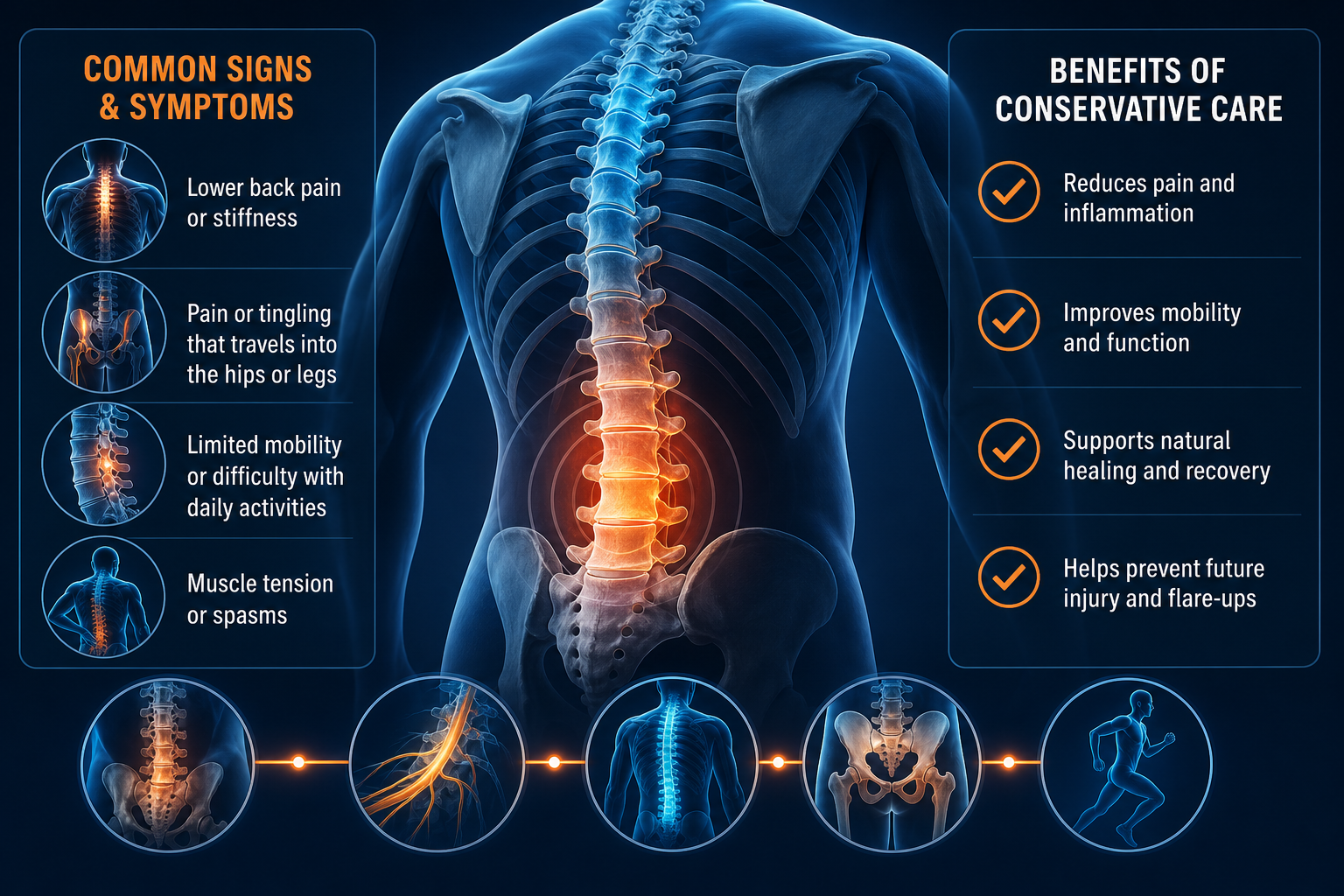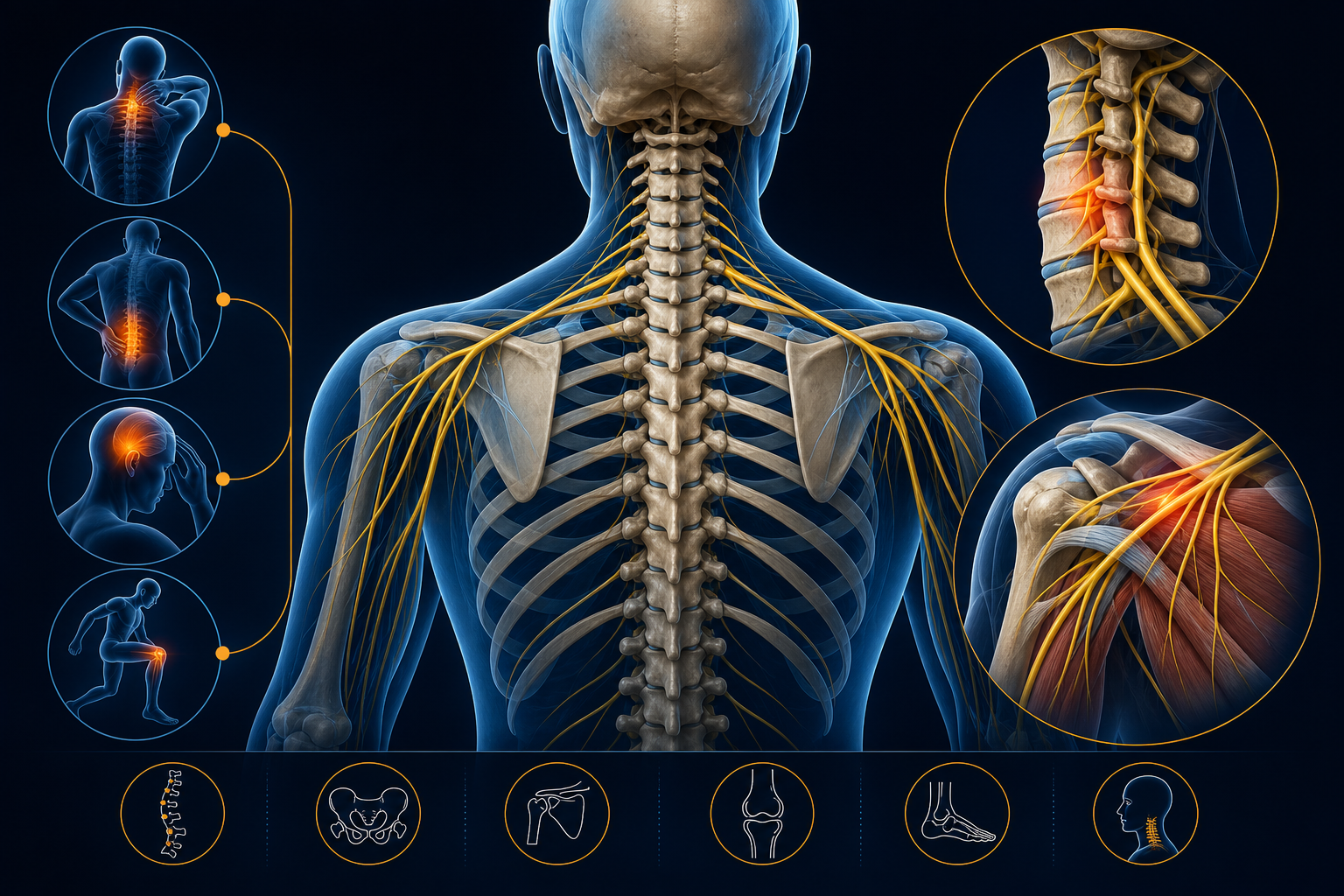
If you are dealing with low back pain, a herniated disc, sciatica-like symptoms, or pain down the leg when sitting, you may be wondering: Does UnitedHealthcare cover spinal decompression? The short answer is that it depends on your specific UnitedHealthcare plan, the type of spinal decompression being provided, your diagnosis, whether the service is considered medically necessary, and whether your provider is in network.
Some UnitedHealthcare plans may cover certain forms of conservative spine care, such as physical therapy, chiropractic care, or supervised mechanical traction, when plan requirements are met. However, coverage for non-surgical spinal decompression can vary, and some plans may treat certain decompression devices or branded decompression programs differently from standard therapy services. Before you begin care, it is wise to verify your benefits directly with UnitedHealthcare and ask the provider’s office how they bill the service.
This guide explains how spinal decompression coverage usually works, what patients should ask before starting treatment, and how to find a chiropractor accepting UnitedHealthcare for back pain or a spine rehabilitation provider near you.
What Is Spinal Decompression Therapy?
Spinal decompression therapy is a conservative treatment approach intended to reduce pressure on spinal joints, discs, and nearby nerve structures. In outpatient chiropractic or rehabilitation settings, the term often refers to a table-based treatment where controlled pulling forces are applied to the spine. The goal is to gently create space through the spinal segments and reduce mechanical irritation.
Patients often search for spinal decompression when they have conditions such as a herniated disc, bulging disc, degenerative disc changes, spinal stenosis, or nerve-related leg pain. It may be included as part of a broader care plan that also includes exercise, manual therapy, posture training, core strengthening, and activity modification.
It is important to understand that spinal decompression is not a guaranteed fix and is not appropriate for everyone. Some patients report improvement in symptoms, while others may need a different approach. A qualified provider can evaluate your history, symptoms, imaging when available, and safety factors before recommending any specific treatment.
Does UnitedHealthcare Cover Spinal Decompression?
UnitedHealthcare may cover some conservative spine care services under certain plans, but coverage for spinal decompression therapy is plan-specific. A UnitedHealthcare commercial plan, Medicare Advantage plan, employer-sponsored plan, marketplace plan, or state-specific plan may each have different rules. Coverage can also depend on how the service is documented and billed.
In many cases, a provider may use terms such as spinal decompression, mechanical traction, axial traction, or non-surgical decompression. These terms can sound similar to patients, but they may not be treated the same way by insurance. Some plans may cover mechanical traction when performed as part of physical therapy or chiropractic care, while other plans may exclude certain non-surgical spinal decompression devices or consider them investigational, experimental, or not separately reimbursable.
Because of this, the most accurate answer comes from your plan documents and a benefits check. Ask UnitedHealthcare whether your plan covers the specific service, provider type, diagnosis, and billing code your clinic intends to use. You can also ask the provider’s billing team to verify benefits before your first visit.
Common UnitedHealthcare Spinal Decompression Coverage Requirements
While requirements vary, several factors commonly affect whether a spinal decompression-related service may be covered by UnitedHealthcare.
Medical Necessity
Most insurance plans require that covered care be medically necessary. In practical terms, this means the provider must document why treatment is appropriate for your symptoms and functional limitations. For back pain or radiating leg symptoms, documentation may include your pain pattern, movement limitations, neurologic findings, prior conservative care, and response to treatment.
Diagnosis and Symptoms
Coverage may be more likely to be considered when there is a documented musculoskeletal or spine-related diagnosis, such as disc-related low back pain, radicular symptoms, or functional impairment. If you are experiencing sciatica-like pain, numbness, tingling, or pain down the leg when sitting, your provider may perform an exam to determine whether symptoms appear to be nerve-related. They should not assume the cause without an evaluation.
Provider Network Status
Your out-of-pocket cost may be significantly different depending on whether the clinic is in network. If you are looking for spinal decompression therapy near me, check whether the provider participates with your specific UnitedHealthcare plan. “Accepts UnitedHealthcare” does not always mean the provider is in network for every UnitedHealthcare product.
Prior Authorization or Referral Rules
Some plans require prior authorization before certain therapy services. Others may require a referral from a primary care provider, especially for specialist visits or certain rehabilitation services. If authorization is required and not obtained, you may be responsible for more of the bill.
Visit Limits and Benefit Maximums
Many plans have annual visit limits for chiropractic care, physical therapy, or rehabilitation. Some plans combine therapy benefits, while others separate chiropractic and physical therapy visits. If your care plan includes multiple services, ask whether each visit counts toward a benefit limit.
Billing Code and Service Description
Insurance coverage often depends on the billing code submitted by the provider. Mechanical traction may be billed differently from other modalities or from a branded non-surgical decompression program. A clinic should be able to explain, in general terms, how it bills the service and whether it expects the service to be covered, denied, or applied to your deductible.
Spinal Decompression vs Mechanical Traction
Patients often ask about spinal decompression vs mechanical traction because the terms are used inconsistently online. Mechanical traction is a broader clinical term for applying a pulling force to the spine, usually with a table or traction device. Non-surgical spinal decompression is often marketed as a more specialized version of traction that uses computer-controlled or cycle-based force patterns.
From a patient’s perspective, both may feel similar: you lie on a treatment table, are positioned with supportive straps or harnesses, and the device applies gentle pulling and relaxing phases. From an insurance perspective, however, the distinction can matter. A plan may have a benefit for mechanical traction within physical therapy but may not separately cover a branded decompression protocol.
If insurance coverage is a major factor in your decision, avoid relying only on marketing language. Ask the clinic: “Is this billed as mechanical traction, spinal decompression, chiropractic care, physical therapy, or something else?” Then confirm with UnitedHealthcare how your plan handles that service.
What Conditions May Lead Patients to Consider Spinal Decompression?
Spinal decompression is most commonly discussed for spine and disc-related symptoms. A provider may consider it as part of a conservative care plan for:
- Low back pain associated with disc irritation
- Neck pain with certain mechanical patterns
- Bulging or herniated discs
- Leg pain, tingling, or numbness that may be related to nerve irritation
- Degenerative disc changes
- Some cases of spinal stenosis, depending on severity and presentation
For people searching for non-surgical spinal decompression treatment or treatment for herniated disc without surgery, it is helpful to think of decompression as one possible tool rather than a complete plan by itself. Many patients benefit from a combination of education, progressive exercise, mobility work, and strategies to reduce symptom triggers during daily activities.
When Should You See a Provider?
You should consider seeing a qualified healthcare provider if back or neck pain is lasting more than a few days, keeps returning, limits walking or sitting, interferes with sleep, or travels into the arm or leg. A provider can help determine whether your symptoms appear mechanical, nerve-related, inflammatory, or related to another concern.
Seek urgent medical care promptly if you have new loss of bladder or bowel control, numbness in the groin or saddle area, fever with severe back pain, major trauma, unexplained weight loss, or progressive weakness in the leg or foot. These symptoms can have serious causes and should not be managed with routine spinal decompression visits alone.
If your symptoms are less urgent but persistent, a chiropractor, physical therapist, or spine rehabilitation provider can evaluate your movement, strength, nerve signs, posture, and functional limitations. You can start your search for a physical therapist near you or compare conservative spine care options through Medximity.
What to Expect During a Spinal Decompression Visit
Your first visit should start with an evaluation, not just treatment. The provider may ask about when symptoms began, what worsens or relieves them, whether pain travels into the leg, prior imaging, previous treatment, work duties, exercise habits, and health history. They may also perform orthopedic, neurologic, mobility, and strength testing.
If spinal decompression appears appropriate, you may be positioned on a specialized table. For low back treatment, a harness may be placed around the pelvis and trunk. The machine then applies controlled traction in cycles. Treatment should feel like a gentle pulling or stretching sensation, not sharp or worsening pain. Tell the provider immediately if symptoms increase, change, or feel unusual.
After treatment, your provider may recommend simple movements, stabilization exercises, walking, posture adjustments, or home strategies to help support the session. In many cases, decompression is paired with physical therapy and rehabilitation to improve strength and reduce repeated stress on irritated tissues.
How Long Does Spinal Decompression Take?
Patients often ask, “How long does spinal decompression take?” A single treatment session commonly lasts about 15 to 30 minutes, though appointment length may be longer when an exam, therapeutic exercise, manual therapy, or education is included. A full plan may involve multiple visits over several weeks, depending on your symptoms, goals, response to care, and insurance benefits.
Your provider should discuss a reasonable trial of care and measurable goals, such as improved sitting tolerance, reduced leg symptoms, better walking capacity, or improved function at work. If symptoms are not improving as expected, the plan may need to be adjusted or the provider may recommend further evaluation.
What Might You Pay With UnitedHealthcare?
Your cost can vary widely. A UnitedHealthcare copay for physical therapy may be different from a chiropractic copay, specialist copay, coinsurance amount, or deductible-based cost. Some plans require you to meet a deductible before coverage begins. Others apply a flat copay for each visit. If the service is not covered, you may be responsible for the full self-pay amount.
Before starting treatment, ask these questions:
- Is the provider in network with my exact UnitedHealthcare plan?
- Is spinal decompression, mechanical traction, chiropractic care, or physical therapy covered under my benefits?
- Will I need prior authorization or a referral?
- What is my copay, coinsurance, or deductible responsibility?
- Are there visit limits for chiropractic care, physical therapy, or rehabilitation?
- Will decompression be billed separately or as part of a therapy visit?
- What happens if UnitedHealthcare denies the service?
A reputable clinic should be willing to help you understand the difference between estimated benefits and guaranteed payment. Benefit verification is helpful, but it is not always a promise that the insurer will pay a claim.
How to Find Spinal Decompression Therapy Near You
If you are searching for spinal decompression therapy near me or the best spine rehab provider near me, start by looking for a provider who evaluates the whole problem, not just the painful area. Disc-related symptoms, leg pain, and sitting intolerance can involve strength, mobility, nerve sensitivity, work posture, and daily movement patterns.
On Medximity, you can explore conservative care options and compare provider profiles in your area. Depending on your needs, you may search for a local chiropractor, a physical therapy clinic, or a spine rehabilitation provider. When reviewing a profile or calling an office, ask whether they treat disc-related back pain, whether they offer decompression or traction, and whether they can verify UnitedHealthcare benefits.
Questions to Ask Before Starting Non-Surgical Spinal Decompression With Insurance
Because non-surgical spinal decompression with insurance can be confusing, it helps to ask clear questions before your first paid treatment session.
Questions for the Provider
- What diagnosis or clinical findings make decompression appropriate for me?
- Is this treatment being provided by a chiropractor, physical therapist, or another licensed provider?
- How will progress be measured?
- What other treatments are included in the care plan?
- How many visits are typically used for an initial trial of care?
- How do you bill this service to UnitedHealthcare?
- If it is not covered, what self-pay options are available?
Questions for UnitedHealthcare
- Is the provider in network for my plan?
- Does my plan cover mechanical traction or spinal decompression?
- Are there exclusions for non-surgical spinal decompression devices?
- Do I need prior authorization?
- What is my copay or coinsurance?
- How many visits are allowed per year?
- Does my deductible apply?
Writing down the representative’s name, date of call, and reference number may help if questions arise later. Still, final payment decisions are often based on the claim, documentation, plan terms, and medical necessity review.
Is Spinal Decompression Right for Everyone?
No. Spinal decompression may not be appropriate for some patients, including those with certain fractures, advanced osteoporosis, spinal instability, some surgical hardware considerations, severe neurologic deficits, infection, cancer-related spine concerns, or other medical issues. Pregnancy and certain vascular or inflammatory conditions may also affect whether traction-type care is appropriate.
This is why an evaluation matters. A provider should screen for safety concerns and explain why a conservative treatment is or is not a good fit for your situation. If your symptoms suggest a condition outside their scope, they may refer you to another healthcare professional for further evaluation.
Bottom Line: Verify Coverage Before You Begin
So, does UnitedHealthcare cover spinal decompression? Sometimes, but not always. Coverage depends on your plan, provider network, medical necessity, billing method, diagnosis, and any exclusions or authorization rules. Mechanical traction as part of therapy may be treated differently from a branded non-surgical decompression program.
If you are considering care for back pain, a herniated disc, or pain down the leg when sitting, start with a proper evaluation and a benefits check. A qualified provider can help you understand conservative treatment options, while UnitedHealthcare can confirm how your specific plan handles coverage and out-of-pocket costs.
To compare care options, explore Medximity’s spinal decompression overview, learn more about herniated disc symptoms and conservative care, or search for a spine rehab provider near you.
Frequently Asked Questions
Does UnitedHealthcare cover spinal decompression?
UnitedHealthcare coverage for spinal decompression depends on your specific plan and how the service is provided and billed. Some plans may cover mechanical traction or therapy-based spine care when medically necessary, while others may exclude certain non-surgical decompression services.
Is spinal decompression covered by insurance in general?
Sometimes. Insurance coverage varies by carrier, plan, diagnosis, provider type, and billing code. Patients should verify whether the service is covered, whether prior authorization is needed, and what out-of-pocket costs may apply.
What is the difference between spinal decompression and mechanical traction?
Mechanical traction is a broad clinical term for applying a pulling force to the spine. Non-surgical spinal decompression is often a specialized or branded form of traction. Insurance plans may treat these services differently, so terminology and billing matter.
Can spinal decompression help a herniated disc?
Spinal decompression may help some patients with disc-related symptoms, but results vary. It is usually considered as part of a broader conservative care plan that may include exercise, education, manual therapy, and activity modification.
How long does spinal decompression take?
A decompression session often lasts about 15 to 30 minutes, although the full appointment may be longer if evaluation, rehabilitation exercises, or other services are included. The number of visits depends on your condition, goals, response to care, and insurance benefits.
How do I find a chiropractor accepting UnitedHealthcare for back pain?
You can search Medximity for chiropractors and spine rehab providers, then contact the office to confirm whether they are in network with your exact UnitedHealthcare plan. Always verify benefits before beginning treatment.
When should I avoid routine decompression and seek urgent care?
Seek urgent medical care if you have new bowel or bladder problems, saddle numbness, fever with severe back pain, major trauma, unexplained weight loss, or progressive leg weakness. These symptoms may require prompt medical evaluation.