Does Tricare cover auto accident treatment? In many cases, TRICARE may cover medically necessary care for injuries related to a car accident, but coverage depends on your TRICARE plan, beneficiary category, provider network, referral or authorization rules, and whether another party such as auto insurance may be responsible for payment. If you have neck pain, back pain, headaches, shoulder pain, numbness, or difficulty moving after a crash, it is reasonable to seek evaluation from a qualified healthcare provider and confirm coverage details before starting ongoing care.
Auto accident injuries can be confusing because healthcare coverage and auto insurance may overlap. A patient may need an exam, imaging when appropriate, medication management from a qualified prescriber, physical therapy, rehabilitation, or other conservative care. At the same time, TRICARE may ask for information about the accident so it can coordinate benefits or pursue recovery from a responsible third party. That does not mean you should delay needed medical attention, but it does mean documentation matters.
This guide explains what patients need to know about TRICARE and car accident treatment, including physical therapy after a car accident with TRICARE, referrals, neck and back pain, chiropractic coverage, auto insurance coordination, and what to do if a TRICARE accident treatment claim is denied. For help finding local care, you can start with Medximity’s provider search or browse physical therapy providers near you.
How TRICARE may cover car accident injuries
TRICARE coverage is generally based on whether care is medically necessary, whether the service is a covered benefit, and whether plan rules are followed. A car accident does not automatically make treatment covered or non-covered. Instead, TRICARE typically looks at the type of care, the provider, the diagnosis, the treatment plan, and whether any referral or prior authorization is required.
For example, an emergency evaluation after a crash may be handled differently than a planned course of outpatient physical therapy. A visit with a primary care manager may have different requirements than care from an out-of-network specialist. Active duty service members, retirees, family members, and other beneficiaries may also have different rules depending on their plan and location.
If you are asking, “does TRICARE cover car accident injuries?” the safest answer is: it may, when the care is a covered benefit and TRICARE requirements are met. Patients should verify plan-specific rules directly with TRICARE, their regional contractor, or the provider’s billing team before assuming a visit or treatment course will be paid.
When to see a provider after a car accident
Some injuries are obvious immediately after a crash. Others develop over hours or days as inflammation, muscle guarding, joint irritation, or nerve sensitivity becomes more noticeable. It can be normal to feel worse the next day, but symptoms should still be taken seriously, especially if they affect movement, sleep, work, driving, or daily activities.
Seek urgent or emergency care right away if you have severe pain, chest pain, trouble breathing, loss of consciousness, confusion, repeated vomiting, weakness, new numbness, loss of bladder or bowel control, major swelling, deep cuts, suspected fracture, or symptoms that feel severe or rapidly worsening. This article is educational and cannot determine whether your symptoms are urgent.
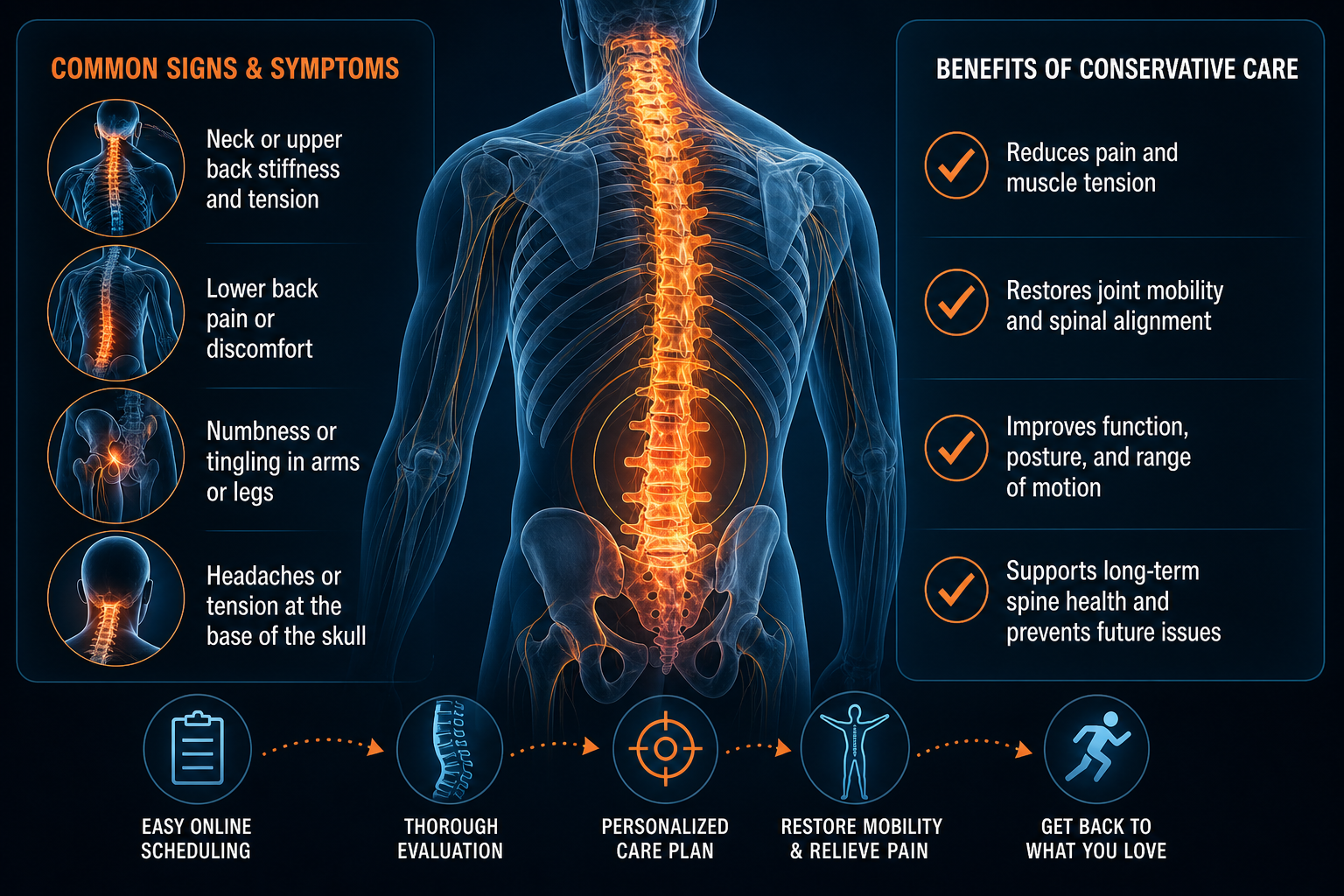
For non-emergency symptoms, consider scheduling an evaluation if you have neck pain after a car accident, back pain when driving after an accident, headaches, dizziness, shoulder pain, hip pain, knee pain, stiffness, limited range of motion, tingling, or pain that persists beyond a few days. A provider can assess your symptoms, document findings, and recommend an appropriate conservative treatment plan when indicated. You may also find Medximity’s guide to when to see a doctor after a car accident helpful.
Common auto accident symptoms TRICARE patients ask about
Neck pain after a car accident
Neck pain after a crash is often associated with rapid acceleration and deceleration forces. Soft tissues, joints, discs, and nerves in the cervical spine may be irritated. Some patients describe stiffness, headaches, pain between the shoulder blades, or discomfort when turning the head. These symptoms are sometimes called whiplash-associated symptoms, although a clinician should make any diagnosis after an exam.
If you are searching for “neck pain after car accident TRICARE,” your first step is usually to determine what type of evaluation your plan allows and whether you need a referral. Conservative care may include education, activity modification, gentle mobility work, therapeutic exercise, posture and ergonomic guidance, and physical therapy when medically necessary. You can learn more through Medximity’s neck pain resource.
Back pain when driving after an accident
Back pain when driving after an accident may occur because sitting increases pressure through the low back, hips, and pelvis. Muscle guarding, joint irritation, disc-related pain, or nerve sensitivity may also contribute. Long commutes, poor seat position, and bracing while driving can make symptoms more noticeable.
A provider may evaluate your range of motion, strength, reflexes, sensation, gait, posture, and pain triggers. Treatment may focus on graded movement, core and hip strengthening, mobility, manual therapy when appropriate, and practical strategies for sitting, lifting, and returning to activity. For more background, visit Medximity’s back pain resource.
Headaches, dizziness, and concussion-like symptoms
Headaches after a crash may come from the neck, muscle tension, stress, jaw irritation, or a head injury. Dizziness, light sensitivity, nausea, confusion, memory problems, or unusual sleepiness may require prompt medical evaluation. If symptoms suggest a possible concussion or other neurologic concern, a qualified medical provider should guide next steps.
Physical therapy may be used in some recovery plans for neck-related headaches, balance problems, or vestibular symptoms, but only after appropriate evaluation. TRICARE coverage may depend on diagnosis, medical necessity, referral rules, and provider participation.
Physical therapy after car accident with TRICARE
Physical therapy is one of the most common conservative treatments after a car accident. TRICARE may cover physical therapy when it is medically necessary, provided by an authorized provider, and consistent with plan rules. The goal is usually to improve function, reduce pain-related limitations, restore range of motion, build strength, and help patients return to daily activities safely.
A physical therapy plan may include therapeutic exercise, neuromuscular re-education, manual therapy, balance training, gait training, posture education, home exercises, and gradual return-to-activity guidance. The exact plan should be individualized after an examination. Patients should avoid assuming that every modality or treatment frequency will be covered; the provider may need to document medical necessity and progress.
If you are searching for “physical therapy after car accident TRICARE,” ask whether your plan requires a referral, prior authorization, or use of an in-network provider. You can also use Medximity to find physical therapists who treat injury-related pain.
Do you need a TRICARE referral for accident physical therapy?
Whether you need a TRICARE referral for accident physical therapy depends on your plan. TRICARE Prime beneficiaries commonly need a referral from their primary care manager for specialty care, including many outpatient therapy services. TRICARE Select beneficiaries may have more flexibility, but network status, cost-shares, and authorization rules still matter. Active duty service members typically have additional referral requirements.
Because rules can vary by plan, region, and beneficiary category, confirm before your first non-emergency visit whenever possible. Ask your primary care manager, regional contractor, or provider’s billing office whether the referral must be entered before treatment starts, whether authorization is required, how many visits are approved, and what documentation is needed if more visits are requested.
How long does TRICARE approval take?
Patients often ask, “how long does TRICARE approval take?” Approval times vary. Some referrals or authorizations may be processed quickly, while others may take longer if documentation is incomplete, the request needs medical review, or the provider is out of network. Emergency care should not be delayed while waiting for routine authorization, but ongoing outpatient care may require plan approval.
To reduce delays, make sure the referring provider includes the accident date, symptoms, diagnosis or suspected diagnosis, functional limitations, requested service, frequency, and medical rationale. Keep copies of referral numbers, authorization letters, visit summaries, and any communication with TRICARE or the provider.
TRICARE chiropractic care after a car accident
Many patients search for “TRICARE chiropractic care after car accident” because chiropractic treatment is commonly associated with neck and back pain. However, TRICARE chiropractic coverage is limited. In general, TRICARE does not cover chiropractic care for most beneficiaries. Active duty service members may have access to chiropractic services in certain military treatment facility settings when available and authorized, but coverage is not the same for all beneficiaries.
Because this is a frequent source of confusion, patients should verify chiropractic benefits directly before scheduling care they expect TRICARE to pay. If chiropractic care is not covered under your TRICARE plan, you may still be able to pursue other covered conservative options, such as evaluation by a primary care provider, physical therapy when medically necessary, or specialist care when referred.
Medximity includes chiropractic provider information for patients comparing conservative care options. If you are paying out of pocket or using another applicable benefit, you can browse chiropractors near you. Before beginning care, ask the office how they handle TRICARE, auto insurance, self-pay, documentation, and referrals.
Auto insurance vs. TRICARE accident treatment
One of the most confusing parts of post-crash care is the relationship between auto insurance and TRICARE accident treatment. TRICARE is a healthcare program, while auto insurance may include benefits or liability coverage related to a crash. Depending on the state, the policies involved, and the facts of the accident, auto insurance may be primary for certain bills, or TRICARE may pay first and later seek reimbursement from a responsible third party.
This process is often called coordination of benefits or third-party liability recovery. It does not necessarily change whether a medical service is clinically appropriate, but it can affect billing, paperwork, and reimbursement. Patients may be asked to complete accident questionnaires, provide claim numbers, identify auto insurers, or explain whether another person may be responsible for the injuries.
Because insurance rules and state auto coverage laws vary, patients should not rely on general articles as legal or benefits advice. If there is a dispute about responsibility, reimbursement, or a personal injury claim, consider speaking with the appropriate insurance representative or a licensed attorney in your jurisdiction. From the healthcare side, your priority is to get appropriate evaluation, follow plan rules, and keep clear documentation.
What information may TRICARE or a provider request?
After an auto accident, TRICARE or the treating provider may request details such as the date of the crash, where it occurred, the type of collision, whether you were the driver or passenger, the auto insurance claim number, and whether another insurer has paid or denied bills. Providers may also document symptom onset, exam findings, functional limitations, treatment recommendations, and response to care.
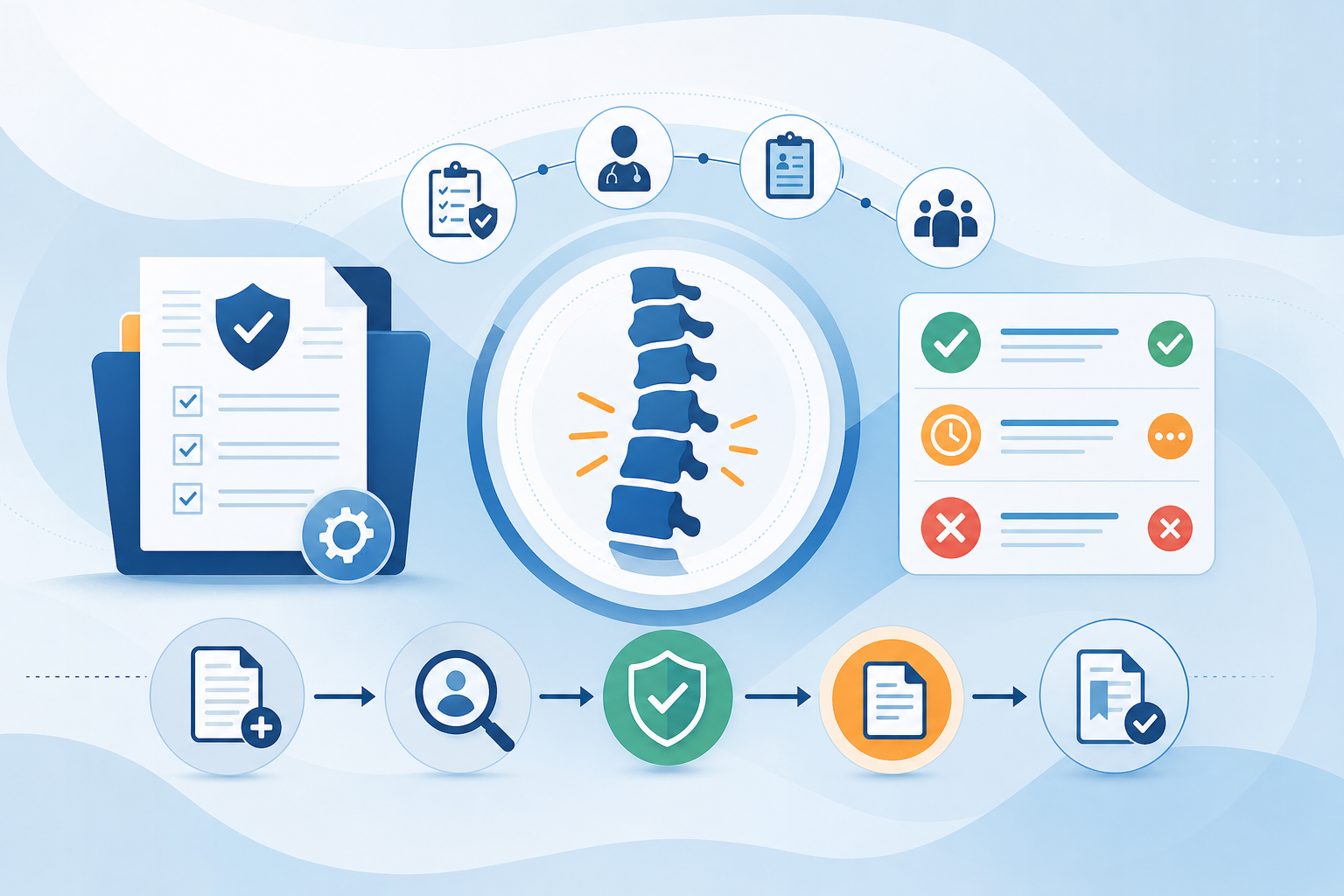
Accurate documentation helps the provider support medical necessity and helps billing teams route claims correctly. It may also reduce the risk of avoidable denials caused by missing information.
What to expect at your first visit after a car accident
Your first visit may be with a primary care manager, urgent care clinician, emergency department provider, physical therapist, or another qualified professional depending on your symptoms and TRICARE plan. The goal is to assess your condition, identify red flags, document the injury history, and decide whether conservative care, imaging, referral, or monitoring is appropriate.
History and symptom review
The provider will usually ask when the crash occurred, how your body moved during impact, whether airbags deployed, whether you hit your head, where you feel pain, and whether symptoms are improving, worsening, or changing. They may ask about headaches, dizziness, numbness, weakness, sleep disruption, prior injuries, medications, and work or military duties.
Physical examination
The exam may include range-of-motion testing, strength testing, reflexes, sensation, posture, gait, balance, joint mobility, and orthopedic or neurologic screening. The exact exam depends on your symptoms. A provider may recommend imaging if specific findings suggest the need, but many soft-tissue injuries are initially managed with conservative care when serious injury is not suspected.
Treatment plan and documentation
If physical therapy or rehabilitation is recommended, the treatment plan may include visit frequency, expected goals, home exercises, activity modifications, and criteria for progress. For TRICARE coverage, documentation should connect the treatment to medical necessity and functional improvement. If your symptoms change or worsen, tell your provider promptly.
For a deeper look at rehabilitation, read Medximity’s article on what to expect at physical therapy after a car accident.
Car accident treatment without surgery through TRICARE
Many patients prefer car accident treatment without surgery when conservative care is appropriate. TRICARE may cover non-surgical services that are medically necessary and included benefits. These may include evaluation, physical therapy, rehabilitation, certain durable medical equipment when covered and prescribed, and specialty consultation when referred or authorized.
Conservative care does not mean “doing nothing.” A structured rehabilitation plan may help some patients improve mobility, strength, coordination, and tolerance for work, driving, childcare, exercise, and household tasks. Progress is often gradual, and symptoms may fluctuate. The provider should adjust the plan based on response, goals, and any new findings.
Not every patient improves at the same pace. Factors such as injury severity, prior pain history, sleep, stress, job demands, activity level, and other health conditions may influence recovery. If symptoms are not improving as expected, the provider may reassess the plan or coordinate with your primary care manager.
How to find a TRICARE auto accident doctor near you
If you are searching for a “TRICARE auto accident doctor near me,” start by clarifying the type of provider you need. For many patients, the first step is a primary care manager or in-network primary care provider. For movement-related pain, a physical therapist may be part of the care team if referred or authorized. For severe or complex symptoms, a medical specialist may be needed.
When comparing providers, ask practical questions before scheduling:
- Do you accept my TRICARE plan?
- Are you in network for my region?
- Do I need a referral or prior authorization before the visit?
- Do you treat car accident-related neck pain, back pain, or soft-tissue injuries?
- How do you document functional limitations and progress?
- How do you coordinate billing if auto insurance is also involved?
- What should I bring to the first visit?
Medximity can help you compare local options. Start with the Medximity provider directory and filter by specialty, location, and care needs. If rehabilitation is recommended, you can search specifically for physical therapy clinics.
What to bring to your appointment
Bringing the right information can make the visit more useful and may help prevent billing delays. Consider taking your TRICARE ID information, referral or authorization details if already issued, photo identification, accident date, auto insurance claim information if available, discharge papers from urgent or emergency care, imaging reports, medication list, and a written symptom timeline.
It may also help to write down what activities are difficult now compared with before the crash. Examples include driving more than 20 minutes, lifting groceries, turning your head to check blind spots, sleeping through the night, sitting at a desk, caring for children, exercising, or performing military or job duties. Functional details help providers understand how symptoms affect daily life.
Why symptoms may appear days after a crash
Patients often ask, “is it normal to hurt days after crash?” It can happen. During and immediately after a collision, stress hormones and adrenaline may temporarily mask discomfort. Over the next 24 to 72 hours, inflammation, stiffness, bruising, muscle guarding, or joint irritation may become more noticeable. Some symptoms may also emerge as you return to work, driving, exercise, or household tasks.
Delayed pain does not automatically mean a serious injury, but it should not be ignored if it persists, worsens, or includes neurologic symptoms such as numbness, tingling, weakness, or coordination changes. A qualified provider can evaluate whether your symptoms fit a conservative care plan or require additional assessment.
What if TRICARE denied an accident treatment claim?
A TRICARE denied accident treatment claim can be frustrating, especially when you are already dealing with pain and appointments. Denials can happen for many reasons, including missing referral information, lack of prior authorization, out-of-network care, incomplete documentation, questions about medical necessity, coordination with auto insurance, coding issues, or services that are not covered benefits.
Start by reading the explanation of benefits or denial notice carefully. Look for the denial reason, dates of service, provider name, claim number, and instructions for reconsideration or appeal. Then contact the provider’s billing office to confirm whether the claim was submitted correctly and whether additional records can be supplied. If auto insurance is involved, make sure the correct coordination information has been provided.
Deadlines and procedures for appeals can vary by plan and claim type, so verify the process directly with TRICARE or your regional contractor. This article is not legal, billing, or benefits advice, but it can help you identify common issues to discuss with the appropriate representatives.
Documentation that may support a corrected claim or appeal
Helpful documentation may include the referral, authorization number, provider notes, diagnosis codes, treatment plan, progress notes, accident questionnaire, auto insurance information, and a letter of medical necessity when appropriate. The provider’s office may be able to submit corrected information if the denial was caused by a clerical or documentation issue.
Questions to ask before starting ongoing treatment
Before beginning a multi-visit treatment plan, ask the provider and insurer enough questions to understand your likely responsibilities. You do not need to become a billing expert, but you should know whether the provider is in network, whether authorization is required, how many visits are approved, whether there are cost-shares, and what happens if more visits are needed.
Useful questions include:
- Is this service a covered TRICARE benefit for my plan?
- Is the provider authorized or in network?
- Was my referral entered correctly?
- Does the authorization specify a visit limit or date range?
- Will the provider document progress and medical necessity?
- Do I need to update TRICARE if auto insurance is involved?
- What are my expected out-of-pocket costs?
Asking early can reduce surprises later. It also gives the provider’s team a chance to correct referral or authorization problems before multiple visits occur.
Key takeaways for TRICARE patients after a car accident
- TRICARE may cover medically necessary auto accident treatment when the service is a covered benefit and plan rules are followed.
- Physical therapy may be covered after a car accident if it is medically necessary and properly referred or authorized when required.
- Chiropractic care is generally not covered by TRICARE for most beneficiaries, although limited access may exist for some active duty service members in military treatment settings.
- Auto insurance and TRICARE may need to coordinate benefits, especially when another party or policy may be responsible.
- Delayed neck pain, back pain, headaches, or stiffness can occur after a crash, but severe, worsening, or neurologic symptoms should be evaluated promptly.
- Denied claims are often related to referrals, authorization, documentation, network status, or coordination of benefits.
FAQ: TRICARE and auto accident treatment
Does TRICARE cover car accident injuries?
TRICARE may cover car accident injuries when treatment is medically necessary, the service is a covered benefit, and plan requirements are met. Coverage can depend on your TRICARE plan, provider network, referral rules, authorization requirements, and whether auto insurance is involved.
Can I get physical therapy after a car accident with TRICARE?
Physical therapy may be covered when medically necessary and properly referred or authorized if your plan requires it. Ask your primary care manager, regional contractor, or physical therapy clinic whether a referral is needed before your first visit.
Does TRICARE cover chiropractic care after a car accident?
TRICARE generally does not cover chiropractic care for most beneficiaries. Some active duty service members may have access to chiropractic services in certain military treatment facilities when available and authorized. Always verify benefits before scheduling care you expect TRICARE to pay.
What should I do if I have neck pain after a car accident?
If neck pain is severe, worsening, associated with weakness or numbness, or follows a head injury, seek prompt medical evaluation. For non-emergency neck pain, a qualified provider can assess your symptoms and determine whether conservative care such as physical therapy may be appropriate.
Is it normal to hurt days after a crash?
Some patients notice pain or stiffness hours or days after a crash as inflammation, muscle guarding, or activity demands increase. Delayed symptoms should be evaluated if they persist, worsen, interfere with daily life, or include neurologic signs such as numbness, tingling, or weakness.
How long does TRICARE approval take for physical therapy?
Approval times vary by plan, region, documentation, and whether medical review is needed. To reduce delays, confirm referral requirements early and make sure the request includes diagnosis, accident details, functional limitations, and the recommended treatment plan.
Will auto insurance pay before TRICARE?
It depends on the state, policy, and accident details. Auto insurance may be involved through medical payments coverage, personal injury protection, liability coverage, or another arrangement. TRICARE may also coordinate benefits or seek reimbursement from a responsible third party.
What if TRICARE denies my accident treatment claim?
Review the denial reason, contact the provider’s billing office, confirm referral and authorization details, and ask whether corrected documentation can be submitted. Appeal rights and deadlines vary, so verify the process directly with TRICARE or your regional contractor.
Finding care after an accident
After a crash, the best next step is usually a timely evaluation, clear documentation, and a treatment plan that fits your symptoms and coverage rules. TRICARE may cover many forms of medically necessary accident care, but referrals, authorizations, network status, and auto insurance coordination can affect how claims are handled.
If you are ready to compare local providers, use Medximity to search for auto accident care providers near you, including physical therapy and other conservative care options. Always confirm TRICARE participation, referral requirements, and expected costs before starting ongoing treatment.
This article is for educational purposes only and is not a substitute for professional medical advice, diagnosis, or treatment. Always consult a qualified healthcare provider about your specific condition. If you may be experiencing a medical emergency, call 911 or seek emergency care immediately.