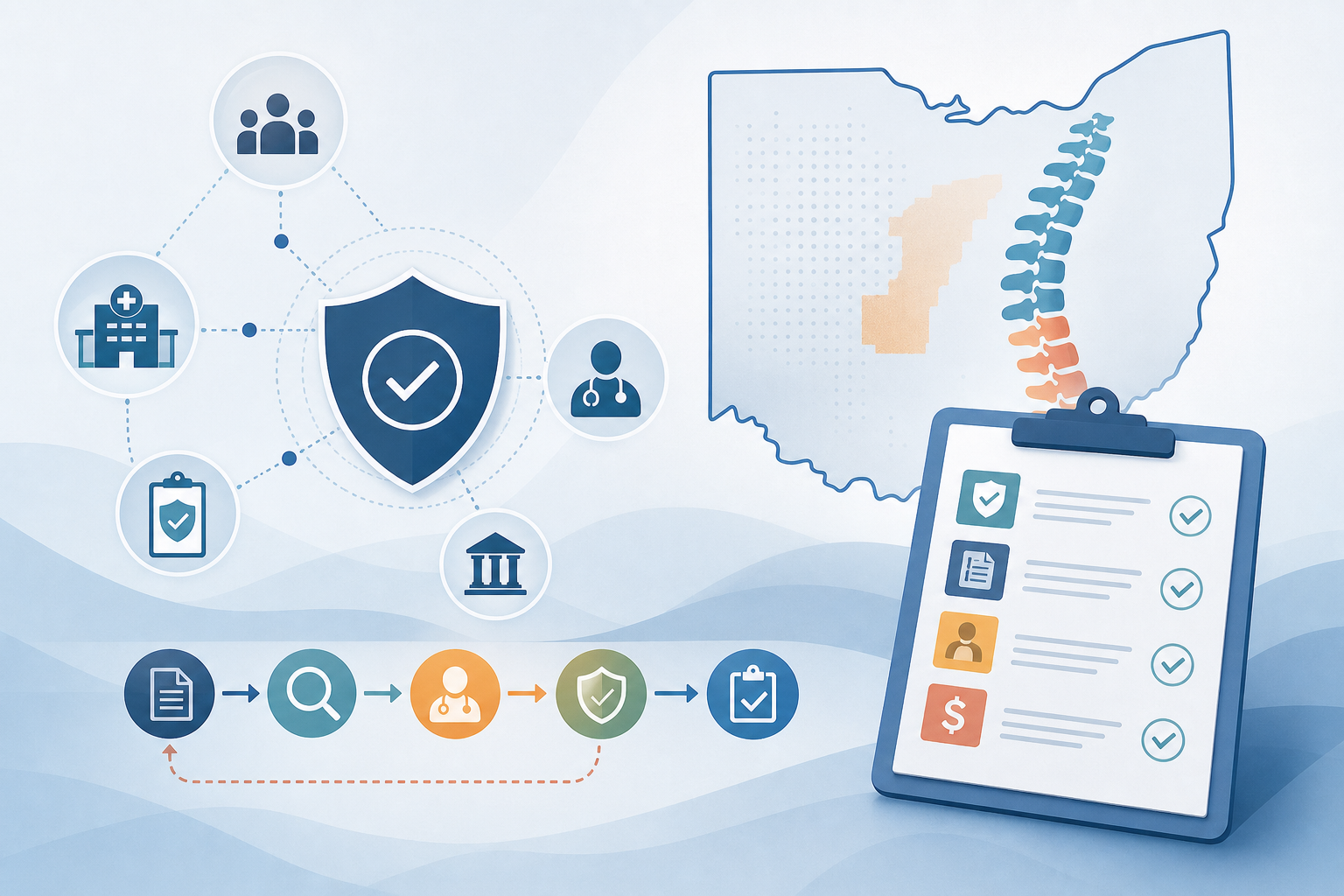
Does Ohio Medicaid Cover Chiropractic Care? What Patients Need to Know depends on a few key details: your Ohio Medicaid eligibility, whether you are enrolled in a managed care plan, whether the chiropractor accepts Ohio Medicaid, and whether the visit meets coverage rules such as medical necessity. In many cases, Medicaid coverage is not as simple as “covered” or “not covered.” The exact answer often comes down to your plan and the provider’s participation status.
If you are searching for a chiropractor that accepts Ohio Medicaid near me, the safest first step is to verify your benefits before scheduling. A chiropractic office may be able to check your plan, but you should also contact your Medicaid managed care organization or review your member materials. This can help you understand whether spinal manipulation, an exam, imaging, referrals, prior authorization, or visit limits apply.
This article is for Ohio patients and caregivers who are considering conservative care for back pain, neck pain, stiffness, or movement problems. It is general educational information, not a guarantee of coverage or medical advice. Your plan, symptoms, and provider network matter.
Does Ohio Medicaid Cover Chiropractors?
Ohio Medicaid may cover chiropractic services when the care is medically necessary, provided by an eligible Medicaid-enrolled provider, and billed according to Ohio Medicaid chiropractic coverage rules. However, coverage can vary based on whether you are covered through traditional Medicaid or a Medicaid managed care plan.
For many patients, the most important question is not only “does Ohio Medicaid cover chiropractors?” but also “does my specific plan cover this chiropractor, this visit type, and this service?” A chiropractor can be licensed and experienced but still not participate with your Medicaid plan. Similarly, a plan may cover some chiropractic services but not others.
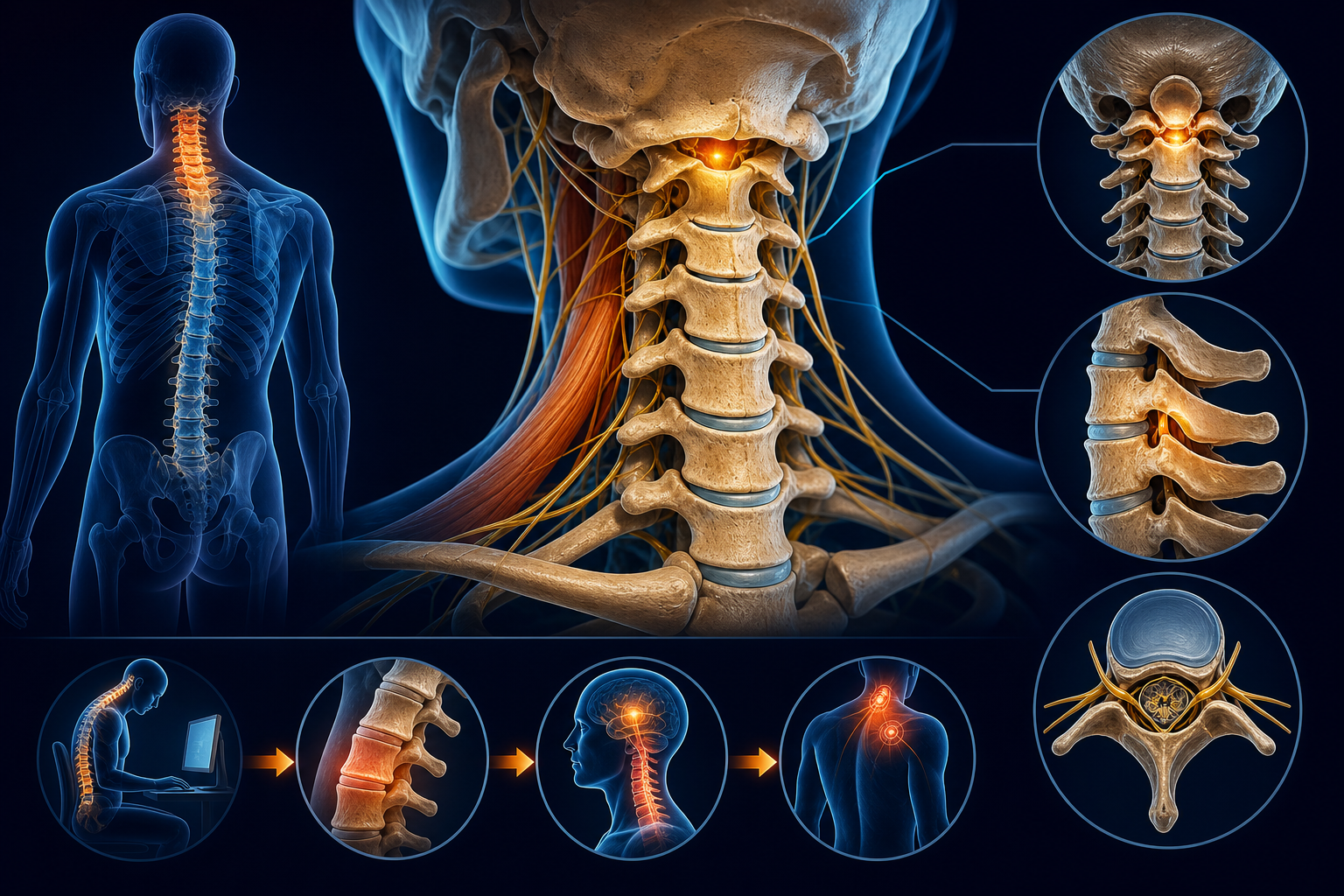
Patients commonly seek chiropractic care for spine-related pain or reduced mobility, including low back pain, neck pain, headaches associated with neck tension, and discomfort after a strain. Chiropractic care generally focuses on the spine, joints, muscles, and nervous system using hands-on techniques, movement recommendations, and conservative care strategies. If you are comparing options, Medximity’s chiropractic care overview explains what chiropractors do and how treatment is typically structured.
What Chiropractic Services May Be Covered by Ohio Medicaid?
Covered services depend on your plan, but chiropractic benefits are often tied to care that is considered medically necessary for a covered condition. The most common service patients ask about is a spinal adjustment, also called spinal manipulation. If you are searching for Ohio Medicaid spinal adjustment coverage, ask your plan whether manual manipulation of the spine is covered, whether a diagnosis is required, and whether there are limits on the number of visits.
Initial chiropractic evaluation
A first visit may include a health history, discussion of symptoms, physical examination, posture or movement checks, and a review of previous records if available. Coverage for the initial evaluation can depend on your plan’s rules and whether the chiropractor is in network.
Spinal adjustment or manipulation
Chiropractic adjustment is a hands-on technique intended to improve joint motion and reduce mechanical irritation in the spine or nearby joints. Some patients report short-term improvement in pain or movement after spinal manipulation, especially for certain types of uncomplicated back or neck pain. Results vary, and chiropractic care is not appropriate for every condition.
Therapeutic exercise and home care guidance
Some chiropractic offices include stretching, strengthening, posture coaching, or ergonomic advice. Whether these services are separately covered by Medicaid depends on the plan and billing rules. In some cases, similar services may be covered through physical therapy instead.
Services that may not be covered
Ohio Medicaid may not cover every service offered in a chiropractic office. Cash services, wellness-only visits, maintenance care without a covered medical need, certain supports or products, and out-of-network visits may not be covered. Some services may require prior authorization or documentation showing why care is medically necessary.
Because plan policies can change, do not rely only on a website, advertisement, or old information. Verify your benefits before the appointment.
When Should You See a Chiropractor for Back Pain or Neck Pain?
Many patients consider chiropractic care when back or neck pain affects daily movement, sleep, work, driving, or childcare. A Medicaid chiropractor for back pain Ohio patients can access may help evaluate whether conservative spine care is appropriate for symptoms such as stiffness, muscle tightness, reduced range of motion, or pain that changes with posture or activity.
You may want to schedule an evaluation if you have:
- Low back pain that has not improved with basic self-care
- Neck stiffness or pain that limits turning your head
- Recurring pain with lifting, bending, sitting, or standing
- Muscle tightness after a minor strain
- Headaches that seem related to neck tension or posture
- Difficulty returning to normal movement after an injury
If you are searching for a neck pain chiropractor covered by Medicaid or typing “can’t move neck Medicaid chiropractor,” take sudden severe symptoms seriously. Chiropractic care may be one option for some mechanical neck problems, but severe or unusual symptoms should be assessed promptly by an appropriate healthcare provider.
Seek urgent care for red flags
Do not wait for a chiropractic appointment if you have symptoms that may require urgent medical evaluation. These include new weakness, numbness in the groin or saddle area, loss of bladder or bowel control, fever with spine pain, unexplained weight loss, severe headache, chest pain, trouble walking, pain after a major fall or crash, or sudden severe neck stiffness with illness. These symptoms do not always mean something dangerous is happening, but they should be checked quickly.
For general education about symptoms and conservative care options, you can also review Medximity resources on back pain and neck pain.
How to Verify Medicaid Chiropractic Benefits in Ohio
Learning how to verify Medicaid chiropractic benefits before your visit can help you avoid surprise bills, denied claims, or delays in care. You do not need to know every billing term, but you do need clear answers about your plan.
1. Identify your Medicaid plan
Start by checking your Medicaid card or member portal. Many Ohio Medicaid members are enrolled in a managed care organization. The managed care plan may have its own provider network, referral rules, and prior authorization requirements.
2. Ask whether chiropractic care is covered
Call the member services number on your card and ask whether chiropractic services are covered under your plan. Use specific language: “Is chiropractic spinal manipulation covered for adults?” or “Are chiropractic visits covered for neck or back pain?” If the patient is a child or teen, ask about pediatric coverage rules separately.
3. Confirm the chiropractor is in network
Ask whether the specific chiropractor or clinic accepts your Medicaid plan. A clinic may accept one Medicaid managed care plan but not another. If you are using Medximity, start with Ohio chiropractors on Medximity and then verify participation directly with the office and your plan.
4. Ask about referrals and prior authorization
Some plans may require a referral from a primary care provider, prior authorization, or documentation before care is covered. If authorization is needed, ask who submits it and how long approval may take.
5. Confirm visit limits and covered services
Ask whether there is a yearly visit limit, whether the first exam counts toward that limit, and whether spinal adjustments, exercise instruction, or re-evaluations are included. If you have already used therapy or chiropractic visits this year, ask whether that affects your remaining benefits.
Questions to Ask a Medicaid Chiropractor Before Scheduling
The right questions can make scheduling easier and reduce confusion at the front desk. These questions to ask Medicaid chiropractor offices can help you understand whether the clinic is a good fit:
- Do you currently accept my Ohio Medicaid plan?
- Are you in network with my specific managed care organization?
- Do I need a referral from my primary care provider?
- Do you handle prior authorization if my plan requires it?
- Which chiropractic services are typically covered under my plan?
- Are there services in your office that Medicaid does not cover?
- Will you tell me before providing any non-covered service?
- What should I bring to my first appointment?
- How do you document medical necessity for back or neck pain?
- What happens if my claim is denied?
A reputable office should be willing to explain its billing process in plain language. The office may not be able to guarantee payment because the final decision belongs to the plan, but it should help you understand what is likely required before your appointment.
Why Medicaid May Deny a Chiropractic Visit
If you are wondering why Medicaid denied chiropractic visit claims, several common issues may be involved. A denial does not always mean chiropractic care was inappropriate; it may mean the claim did not meet a plan rule.
The provider was not enrolled or in network
Coverage often depends on seeing a provider who participates with your Medicaid plan. If the chiropractor is out of network, the visit may be denied or treated as non-covered.
The service was not covered
Some plans cover certain chiropractic services but not others. For example, spinal manipulation may be treated differently from wellness visits, supplies, massage-only services, or maintenance care.
Medical necessity was not documented
Plans often require documentation showing symptoms, functional limitations, exam findings, diagnosis, treatment plan, and progress. If documentation is incomplete, a claim may be denied.
Prior authorization or referral rules were not followed
If a plan requires approval before treatment and the office did not obtain it, the claim may be denied even if the service is otherwise covered.
A visit limit was reached
Some benefits have limits. If your covered visits have already been used, additional appointments may require authorization or may not be covered.
If a denial happens, contact the chiropractic office and your plan for an explanation. Ask for the denial reason in writing and what information is needed for reconsideration or appeal. Appeal rights and timelines vary, so follow your plan’s instructions and ask questions promptly.
Chiropractic Care vs. Physical Therapy with Medicaid
Patients often compare chiropractic care vs physical therapy Medicaid coverage when they have spine pain, stiffness, or trouble moving. Both are conservative, non-surgical approaches, but they are not identical.
Chiropractic care often focuses on spinal joint motion, manual adjustment, soft tissue work, posture, and movement advice. Physical therapy often emphasizes rehabilitation, therapeutic exercise, mobility training, strengthening, balance, and functional recovery after injury, surgery, illness, or chronic pain. Some patients benefit from one approach, while others may be referred to the other based on symptoms, medical history, or plan requirements.
If your main goal is a natural treatment for back pain Medicaid may cover, both chiropractic care and physical therapy may be worth asking about. “Natural” does not mean risk-free or automatically appropriate, but conservative care may help many patients improve movement, build strength, and manage symptoms without invasive treatment.
To compare options, see Medximity’s guides to physical therapy and choosing between a chiropractor and physical therapist for back pain. You can also search for Ohio physical therapy providers on Medximity.
What to Expect at Your First Medicaid Chiropractic Visit
Your first chiropractic appointment is usually focused on evaluation, safety, and deciding whether chiropractic care is appropriate. The provider should ask about your symptoms, medical history, medications, prior injuries, work demands, and what makes your pain better or worse. They may also ask about previous imaging or treatment.
Bring the right information
Bring your Ohio Medicaid card, photo ID, managed care plan card if separate, referral if required, medication list, prior imaging reports if available, and names of other healthcare providers involved in your care. If your pain started after an accident or work injury, tell the office before your appointment because billing rules may be different.
Expect an exam before treatment
The chiropractor may check posture, range of motion, reflexes, muscle strength, sensation, joint movement, and tenderness. They should explain what they find in understandable language. If your symptoms suggest that chiropractic treatment is not appropriate, they may refer you to another provider.
Your treatment plan should be specific
If care is recommended, ask what the plan includes, how often visits may occur, what goals are being measured, and how progress will be reassessed. A plan for back or neck pain may include spinal adjustment, gentle mobilization, stretching, strengthening, home exercises, activity modification, or ergonomic guidance. Medximity’s spinal adjustment resource explains the basics of this common chiropractic treatment.
You should understand costs before care begins
Before treatment, ask whether the office has verified coverage and whether any services may be non-covered. Medicaid patients should be especially cautious about signing financial agreements they do not understand. Ask for plain-language clarification before accepting any optional service that may not be covered.
How to Find a Chiropractor That Accepts Ohio Medicaid Near You
Finding the right provider can take a few calls, especially if you have a managed care plan. Start by checking your plan’s provider directory, then confirm directly with the clinic. Because directories can be outdated, always verify before the visit.
When searching online for chiropractor that accepts Ohio Medicaid near me, look for offices that clearly list insurance participation, new patient availability, and the conditions they commonly treat. You can begin with Medximity’s search for chiropractors in Ohio, then call the office to confirm your Medicaid plan is accepted.
If you have trouble finding an appointment, ask your primary care provider, Medicaid managed care plan, or member services representative for help locating an in-network provider. You can also ask whether physical therapy or another conservative care option is covered if chiropractic appointments are limited in your area.
Key Takeaway: Coverage Is Possible, But Verification Matters
So, does Ohio Medicaid cover chiropractic care? The answer is: it may, depending on your plan, provider, diagnosis, medical necessity, and service type. The most reliable way to know is to verify benefits with your Medicaid plan and the chiropractic office before scheduling.
Chiropractic care may be a reasonable conservative option for some patients with back pain, neck pain, stiffness, or movement-related discomfort. It is not the right fit for every symptom or every diagnosis, and coverage is not guaranteed. A qualified provider can evaluate your situation, explain treatment options, and help you understand whether chiropractic care is appropriate under your plan’s rules.
FAQ: Ohio Medicaid Chiropractic Coverage
Does Ohio Medicaid cover chiropractic care for adults?
Ohio Medicaid may cover chiropractic services for adults when plan rules are met, but coverage depends on your specific Medicaid program or managed care plan. Always verify whether the chiropractor is in network and whether the service requires referral or prior authorization.
Can I see any chiropractor with Ohio Medicaid?
No. You generally need to see a chiropractor who participates with your Ohio Medicaid plan. A provider may accept one Medicaid managed care plan but not another, so confirm with both the office and your plan before scheduling.
Is a spinal adjustment covered by Ohio Medicaid?
Ohio Medicaid spinal adjustment coverage may be available in some situations, but it depends on medical necessity, provider participation, billing rules, and plan limits. Ask your plan specifically whether chiropractic spinal manipulation is covered for your diagnosis.
Do I need a referral for a Medicaid chiropractor in Ohio?
Some plans may require a referral from a primary care provider, while others may not. Managed care plans can have different rules, so check your member materials or call the number on your Medicaid card.
What if Medicaid denies my chiropractic claim?
Ask the chiropractic office and your plan for the denial reason. Common causes include out-of-network providers, missing prior authorization, lack of documentation, non-covered services, or visit limits. Your plan can explain any review or appeal process that may be available.
Is chiropractic care or physical therapy better for back pain?
Neither is automatically better for every patient. Chiropractic care may focus more on spinal joint movement and manual adjustment, while physical therapy often focuses on exercise-based rehabilitation and functional strength. A qualified provider can help determine which conservative option may fit your symptoms and coverage.