If you were hurt in a car accident, fall, workplace incident, or another injury event, you may be wondering: Does Medicare (Traditional) Cover Personal Injury Treatment? What Patients Need to Know starts with one key point. Traditional Medicare may cover medically necessary care for accident-related injuries, but Medicare may also need to coordinate with auto insurance, liability insurance, workers’ compensation, or a personal-injury settlement.
In practical terms, Medicare is often able to help with covered medical services such as physician visits, diagnostic evaluation, physical therapy, and certain rehabilitation services when they are medically necessary and provided by Medicare-enrolled clinicians. However, Medicare does not cover every treatment, and it does not simply pay because an injury is connected to a personal-injury claim. Coverage depends on Medicare rules, documentation, the type of provider, and whether another insurer is legally responsible for payment.
This article explains traditional Medicare vs Medicare Advantage injury coverage, what to know about physical therapy after car accident Medicare coverage, limits on chiropractic care, and why Medicare conditional payments in personal injury cases can matter. It is general education, not legal or medical advice. Your coverage and responsibilities can vary based on your facts, your state, and your providers.
What counts as personal injury treatment?
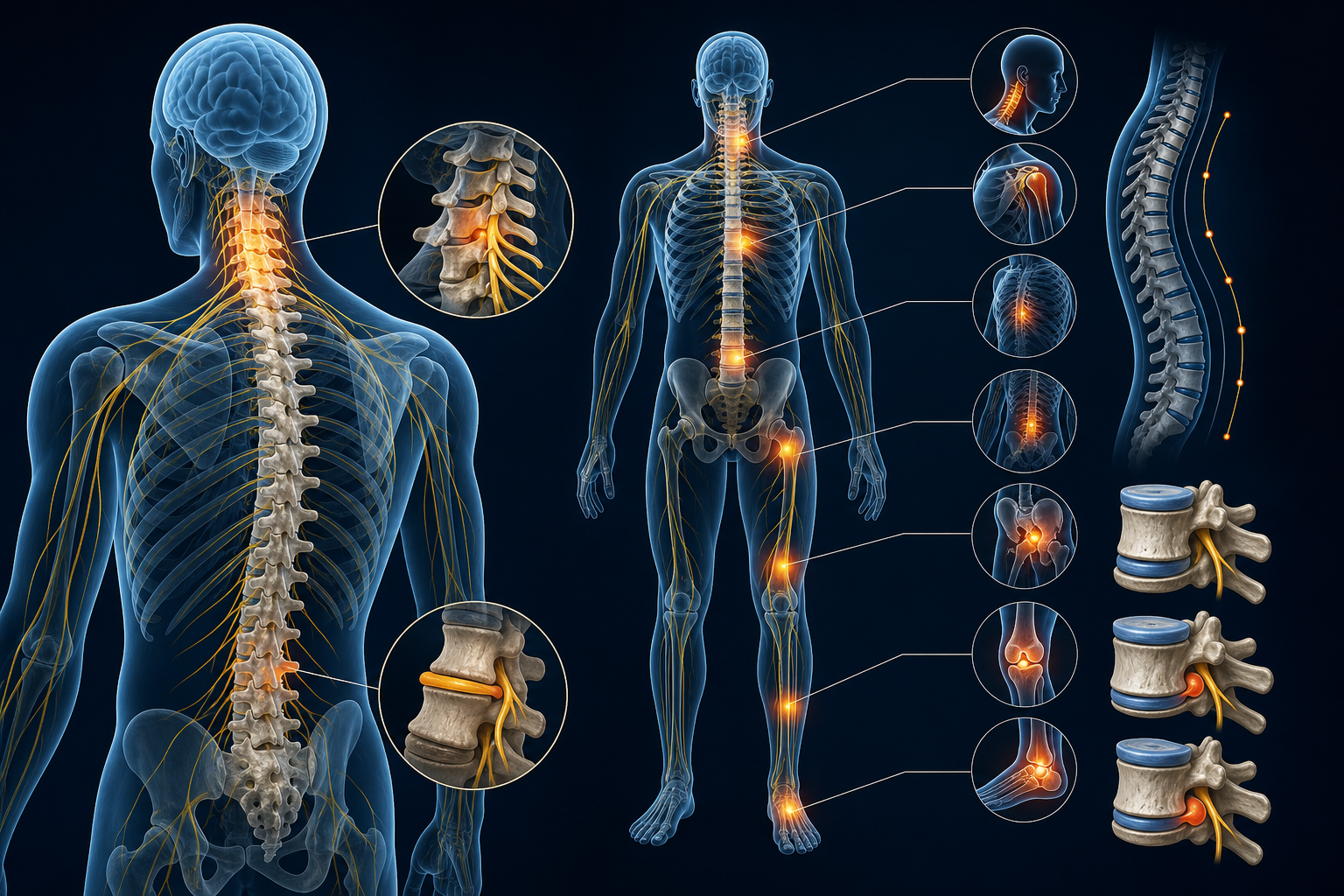
Personal injury treatment usually refers to medical care for injuries caused by an accident or incident where another party or insurance policy may be involved. Common examples include neck pain after car accident treatment, back pain after fall Medicare coverage questions, shoulder or knee injuries after a trip-and-fall, headaches after a collision, or mobility problems after an impact injury.
Treatment may include an exam, imaging when clinically appropriate, physical therapy, chiropractic care within Medicare’s limits, rehabilitation exercises, gait and balance training, pain-management education, bracing or assistive device evaluation, and follow-up visits. Many patients are looking for injury rehab without surgery Medicare coverage because they want conservative options first, such as movement-based rehabilitation, strengthening, mobility work, and functional recovery planning.
If you are comparing care options, Medximity can help you search for Medicare physical therapy providers, chiropractic providers, and rehabilitation specialists in your area.
Does Medicare cover accident injury treatment?
In many cases, yes. Traditional Medicare may cover accident injury treatment when the service is medically necessary, meets Medicare coverage rules, and is performed by an eligible Medicare provider. For most outpatient injury care, Medicare Part B is the part of traditional Medicare that patients encounter most often.
Part B may help cover office visits, physical therapy, occupational therapy, some diagnostic services, durable medical equipment when medically necessary, and certain outpatient rehabilitation services. The patient is generally responsible for the Part B deductible and coinsurance unless they have supplemental coverage, such as a Medigap policy, that applies.
The fact that an injury came from an accident does not automatically exclude Medicare coverage. At the same time, Medicare is considered a secondary payer in some situations. If another insurer should pay first, Medicare may either wait for that payer or make what is called a conditional payment. Conditional payments are explained later in this article.
Traditional Medicare vs Medicare Advantage injury coverage
Traditional Medicare and Medicare Advantage can both cover medically necessary injury care, but the way coverage works can be different.
Traditional Medicare
Traditional Medicare is administered under federal Medicare rules. Patients can generally see any Medicare-enrolled provider who accepts Medicare, subject to the provider’s scope of practice and Medicare coverage requirements. For accident-related rehabilitation, traditional Medicare may cover medically necessary outpatient therapy when the provider documents the need for care and the services meet Medicare’s standards.
If you are searching for Medicare personal injury treatment near me, confirm that the provider accepts Medicare and that the specific service you need is covered. A clinic may accept Medicare for some services but not for others.
Medicare Advantage
Medicare Advantage plans are offered by private insurance companies approved by Medicare. They must cover services that traditional Medicare covers, but they often use plan networks, prior authorization, referrals, or different cost-sharing rules. Some plans may offer additional benefits, while others may require you to use in-network providers for the lowest out-of-pocket cost.
If you have Medicare Advantage, call the number on your plan card before beginning non-emergency injury rehabilitation when possible. Ask whether the provider is in network, whether authorization is required, and how accident-related billing is handled. This can help reduce avoidable billing delays.
Physical therapy after a car accident and Medicare
Physical therapy after a car accident may be covered by Medicare Part B when it is medically necessary and ordered or certified under an appropriate plan of care. Physical therapy may help some patients improve mobility, strength, balance, posture, range of motion, and tolerance for daily activities after an injury. It may also include education on safe movement, home exercises, and gradual return to function.
For example, a patient with neck stiffness after a collision may receive supervised exercises, manual therapy within the therapist’s scope, postural training, and activity modification. A patient with back pain after a fall may work on core and hip strength, walking tolerance, balance, and safe lifting mechanics. These examples are general; your provider should evaluate your symptoms and medical history before recommending a plan.
There is no simple universal answer to the best Medicare physical therapy after accident because the right care depends on the injury pattern, your goals, your medical conditions, and your provider’s assessment. A good therapy plan is usually specific, measurable, and updated as you improve or as new concerns appear.
Patients can learn more about conservative care options on Medximity’s physical therapy treatment page or compare nearby clinicians through the physical therapy provider search.
Does Medicare cover chiropractic after an accident?
Medicare coverage for chiropractic care is narrower than many patients expect. Traditional Medicare Part B may cover manual manipulation of the spine by a chiropractor when it is medically necessary to correct a spinal subluxation, as defined under Medicare rules. This coverage is limited. Medicare generally does not cover other chiropractic services such as routine maintenance care, many exams, X-rays ordered by a chiropractor, massage therapy, or non-covered supportive services when billed as chiropractic care.
That means the answer to does Medicare cover chiropractic after accident is: sometimes, but only for the covered spinal manipulation service when Medicare requirements are met. If you are seeking care for neck pain after car accident treatment or back pain after fall Medicare coverage, ask the chiropractic office which services are Medicare-covered and which may be your responsibility.
Some patients choose chiropractic care as part of a conservative plan, while others may need physical therapy, medical evaluation, or coordinated rehabilitation. If symptoms are severe, worsening, or associated with neurologic changes, a medical evaluation may be needed before or alongside conservative care.
For more background, visit Medximity’s chiropractic care resource or search for chiropractors near you.
Common accident-related conditions Medicare patients ask about
Back pain after a fall
Back pain after a fall can come from soft-tissue strain, joint irritation, disc-related pain, fracture, or other causes. Medicare may cover evaluation and medically necessary treatment, but coverage depends on the service and provider. Because falls can be more serious for older adults, especially when osteoporosis, blood thinners, balance problems, or prior spine conditions are involved, it is wise to seek medical evaluation if pain is significant, persistent, or accompanied by new weakness, numbness, fever, bowel or bladder changes, or difficulty walking.
Medximity’s back pain resource explains common causes and conservative care options.
Neck pain after a car accident
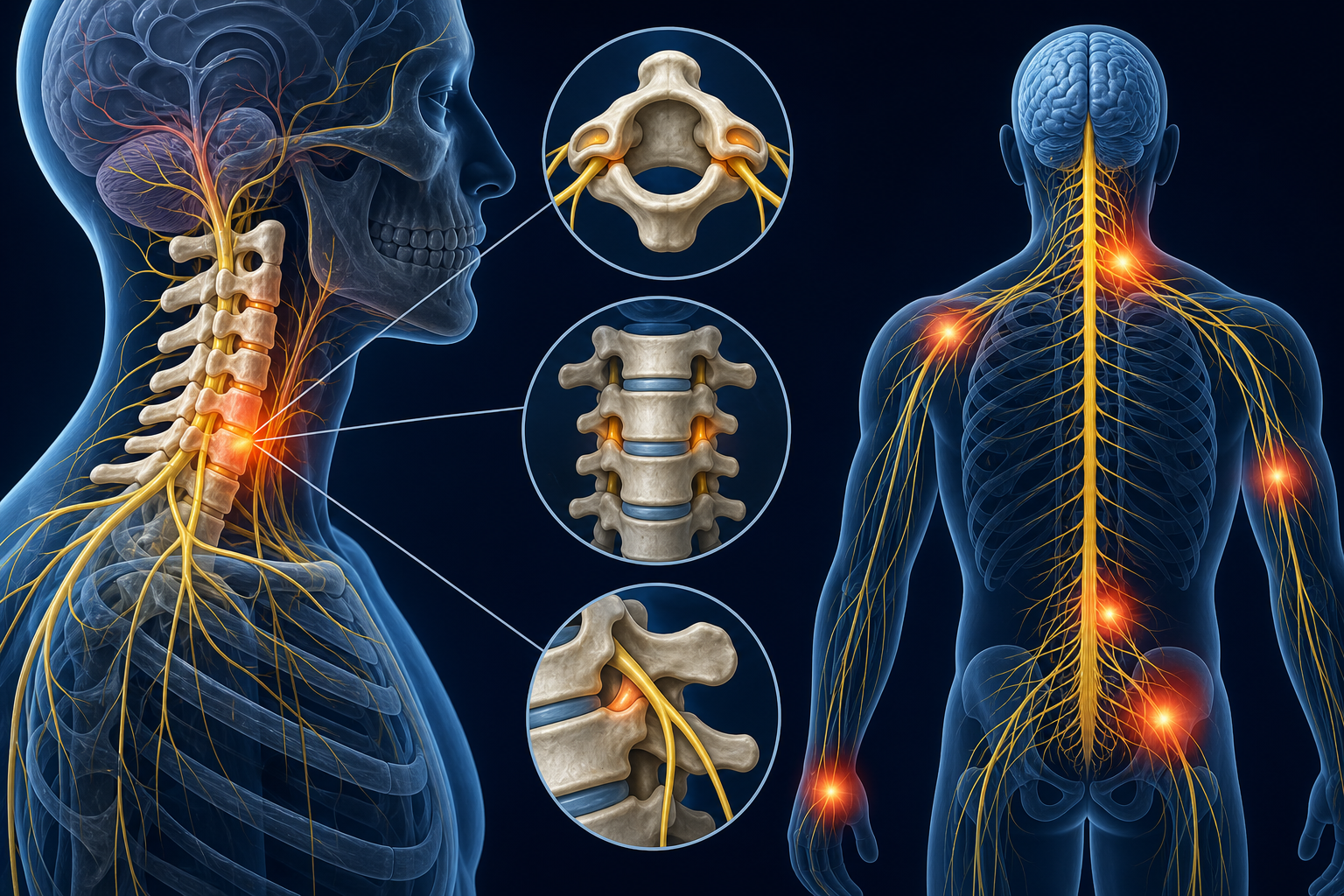
Neck pain after a car accident is often described as whiplash-associated pain, although only a qualified provider can evaluate the cause. Symptoms may include stiffness, headache, shoulder discomfort, reduced range of motion, or pain with driving and sleeping positions. Medicare may cover medically necessary evaluation and treatment, including physical therapy in appropriate cases.
Seek prompt medical attention after a collision if you have severe pain, loss of consciousness, confusion, chest pain, shortness of breath, new numbness or weakness, trouble walking, or symptoms that are getting worse. For educational information, see Medximity’s neck pain guide.
Knee, shoulder, and balance problems after an accident
Medicare may also cover medically necessary care for joint injuries, gait problems, or balance issues after a fall or collision. Rehabilitation may include strengthening, flexibility work, balance training, and instruction in safe movement. Some patients may need a walker, cane, brace, or other equipment if medically necessary and covered under Medicare rules.
When should you see a provider after an accident?
Consider seeing a qualified healthcare provider if you have pain that lasts more than a short time, limited movement, trouble walking, headaches, dizziness, swelling, bruising, sleep disruption, or difficulty with normal activities after an accident. You should seek urgent or emergency care for severe symptoms, new neurologic changes, chest pain, breathing difficulty, confusion, fainting, suspected fracture, or bowel or bladder changes.
Even if symptoms seem mild at first, a provider can document your history, examine the affected area, screen for red flags, and recommend a conservative treatment plan when appropriate. Documentation is also important for billing because Medicare and other insurers typically need clear records showing medical necessity, diagnosis codes, treatment goals, and progress.
What to expect at your first injury treatment visit
Your first visit will usually begin with questions about the accident, your symptoms, your medical history, medications, prior injuries, and what activities are limited. The provider may assess posture, range of motion, strength, sensation, balance, walking pattern, tenderness, and functional movements. If there are warning signs or the provider believes imaging or medical evaluation is needed, they may refer you to an appropriate clinician.
For physical therapy, you can often expect a plan of care that includes goals, visit frequency, home exercises, and measurable functional targets. For chiropractic care, you can expect the office to explain whether the service being recommended is covered by Medicare and whether any non-covered services may require a patient notice or separate financial agreement.
Bring your Medicare card, any Medicare Advantage or supplemental insurance card, accident-related insurance information if available, a medication list, prior imaging reports if you have them, and the names of other providers involved in your care.
How Medicare billing works after a personal injury
Medicare billing after a personal injury can be more complicated than ordinary office billing because more than one payer may be involved. For example, there may be Medicare, a Medigap policy, auto medical payments coverage, liability insurance, workers’ compensation, or another payer. Which payer is primary can depend on the type of accident and applicable law.
Traditional Medicare may pay covered bills when another responsible payer has not paid promptly. When Medicare pays in that situation, the payment may be conditional. In plain language, Medicare is paying now on the condition that it may be reimbursed later if another payer, settlement, judgment, award, or recovery is available.
Medicare conditional payments personal injury explained
Medicare conditional payments personal injury explained simply: Medicare may cover certain medical bills while your injury matter is unresolved, but Medicare may later seek reimbursement for accident-related payments if there is a settlement or other recovery. This is sometimes called a Medicare lien, although the exact terminology and process can vary.
If you are asking can Medicare take my injury settlement, the general answer is that Medicare may have a right to be reimbursed from a settlement or recovery for conditional payments related to the injury. The amount, process, and timing depend on the claim and Medicare’s records. This is one reason patients often work with their attorney, insurer, and medical providers to identify accident-related bills accurately. Laws and procedures vary, so speak with a licensed attorney about your specific situation.
How long does Medicare injury billing take?
There is no guaranteed timeline. Ordinary Medicare claim processing may take weeks, while accident-related coordination and conditional payment resolution can take longer. If multiple insurers are involved, or if there are disputes about which bills are related to the accident, the process may take months. Medicare Advantage plans may have their own internal processes and timelines.
Patients can help by giving providers accurate insurance information early, updating the clinic if a claim number or attorney changes, and reviewing Medicare Summary Notices or plan explanations of benefits for accuracy. If you see a bill that appears incorrect, contact the provider’s billing office promptly.
What Medicare usually does not cover for injury care
Medicare coverage is not unlimited. Depending on the situation, Medicare may not cover services that are not medically necessary, routine wellness or maintenance care, non-covered chiropractic services, missed appointment fees, certain comfort services, or treatment from providers who are not eligible to bill Medicare for that service. Medicare also does not pay personal-injury damages, lost wages, pain and suffering, or legal costs.
Patients should ask for a clear explanation before starting any service that may not be covered. If a provider believes Medicare may deny a service, the office may ask you to review and sign a notice explaining possible financial responsibility. Read these forms carefully and ask questions before signing.
How to find Medicare personal injury treatment near me
When searching for Medicare personal injury treatment near me, look for providers who regularly treat accident-related musculoskeletal injuries and understand Medicare documentation. You may want to ask:
- Do you accept traditional Medicare or my Medicare Advantage plan?
- Is the provider enrolled with Medicare for the service I need?
- Do you treat accident-related back pain, neck pain, balance problems, or joint injuries?
- How do you document medical necessity and progress?
- How do you handle billing when another insurer may be involved?
- Will I be told in advance if a recommended service may not be covered?
You can start your search with Medximity’s physical therapy directory, chiropractic directory, or broader rehabilitation provider search.
Questions to ask before beginning treatment
Before you begin accident-related care, it is reasonable to ask the clinic what Medicare typically covers for your type of visit, whether the provider accepts assignment, what your expected coinsurance may be, and whether your Medigap or Medicare Advantage plan changes the process. You can also ask how often the plan of care will be reassessed and what signs would prompt referral to another provider.
For legal or settlement questions, ask a licensed attorney in your state. Healthcare providers can explain diagnosis, treatment, records, and billing policies, but they should not be expected to advise you about settlement strategy or legal rights.
Key takeaways for Medicare patients after an accident
Traditional Medicare may cover medically necessary accident injury treatment, including many outpatient medical and rehabilitation services, but coverage is service-specific. Physical therapy after a car accident may be covered when Medicare requirements are met. Chiropractic coverage after an accident is limited mainly to manual spinal manipulation for a covered subluxation. Medicare Advantage plans may use networks and authorizations, so plan rules matter.
Finally, if another insurer or settlement is involved, Medicare conditional payments may need to be addressed. Keep copies of bills, notices, provider records, and insurance communications. Most importantly, seek care from qualified providers who can evaluate your injury, explain your options, and help you understand what to expect.