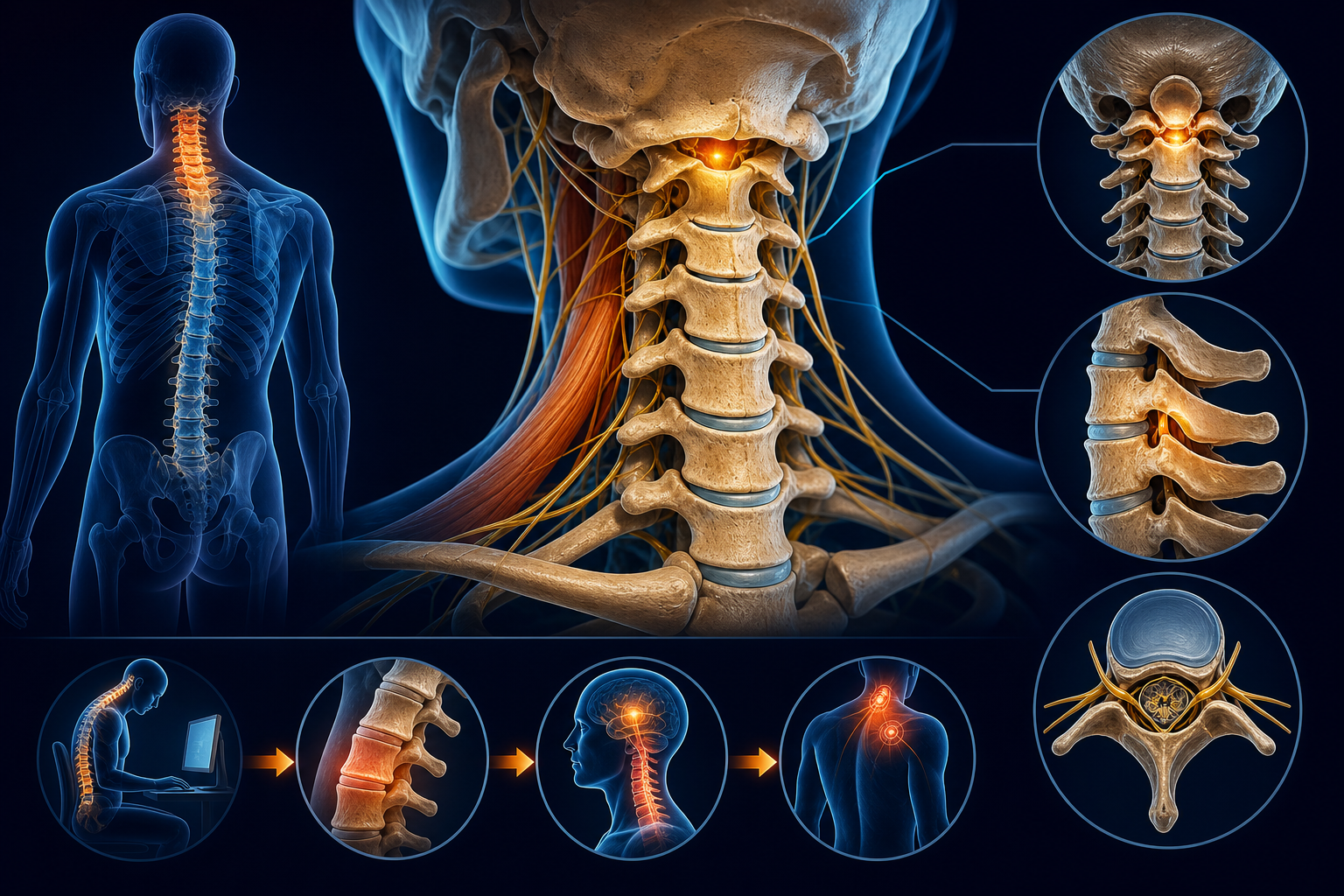
Does Medicare Advantage cover personal injury treatment? What patients need to know is that coverage often depends on the type of care, medical necessity, plan rules, and whether another insurer may be responsible for the accident-related bills. Medicare Advantage plans commonly cover medically necessary treatment after a car crash, fall, or other injury, but accident care can involve extra steps such as coordination of benefits, prior authorization, network requirements, and possible recovery from a settlement.
If you are dealing with pain after a car accident, Medicare coverage questions can feel just as stressful as the injury itself. This guide explains how Medicare Advantage accident treatment usually works, why accident medical bills are different, and what to expect if you need chiropractic care, physical therapy, or rehabilitation after a crash. It is general educational information, not legal or insurance advice. Your plan documents, state law, and the facts of your injury matter, so it is wise to contact your Medicare Advantage plan, your provider’s billing office, and, when a claim or settlement is involved, a licensed attorney in your state.
If you are looking for conservative care now, Medximity can help you search for chiropractors near you and physical therapy providers near you who may treat accident-related neck pain, back pain, and mobility problems.
What counts as personal injury treatment under Medicare Advantage?
In this context, “personal injury treatment” usually means medical care for injuries caused by an accident, such as a motor vehicle crash, slip and fall, workplace incident, or other event where another insurance policy or legal claim may be involved. The treatment itself may be ordinary medical care, but the billing path can be different because the injury may be connected to auto insurance, no-fault benefits, liability coverage, workers’ compensation, or a settlement.
Common accident-related care may include an evaluation for neck pain, back pain, headaches, shoulder pain, hip pain, muscle strain, joint stiffness, balance changes, or reduced range of motion. Conservative care may include chiropractic adjustment when covered and appropriate, physical therapy, therapeutic exercise, manual therapy, posture and movement education, home exercise instruction, and rehabilitation focused on daily function.
Medicare Advantage plans are offered by private insurance companies approved by Medicare. They must cover the same medically necessary services that Original Medicare covers, but they can use networks, referrals, copays, utilization management, and prior authorization rules. Some plans offer supplemental benefits beyond Original Medicare, while others limit certain services to specific providers or settings.
Does Medicare Advantage cover accident treatment?
In many cases, yes, Medicare Advantage may cover accident treatment when the service is medically necessary, is a covered benefit under the plan, and is provided according to the plan’s rules. That may include visits with a primary care provider, specialist evaluation, imaging when ordered by an appropriate clinician, physical therapy, and certain chiropractic services.
The important distinction is that Medicare Advantage coverage does not always mean the plan is ultimately the only payer. If your injury was caused by a car accident or another incident where auto insurance, no-fault coverage, liability insurance, or workers’ compensation may apply, your plan may coordinate benefits with that payer. In some circumstances, the Medicare Advantage plan may pay conditionally and later seek reimbursement if another party or settlement is responsible under applicable rules.
This is one reason patients often hear different terms after an accident: primary payer, secondary payer, conditional payment, lien, subrogation, coordination of benefits, and reimbursement. These terms can be confusing, but they all point to the same practical issue: who pays the medical bill first, and who may have a right to be repaid later?
Why accident medical bills are different
Accident medical bills are different because an injury may involve more than one payer. A routine physical therapy visit for chronic knee pain may be billed directly to your health plan. A therapy visit after a car accident may involve your Medicare Advantage plan, your auto insurer, no-fault benefits if available in your state, medical payments coverage, a liability insurer, or an attorney-managed claim.
Billing rules vary by state and policy type. In some no-fault states, personal injury protection or similar benefits may be billed before health insurance. In other situations, your Medicare Advantage plan may process the bill first and later investigate whether another insurer should reimburse the plan. Provider offices often ask accident patients for the date of injury, type of accident, claim number, auto insurer, attorney contact if applicable, and other insurance information because they must submit claims accurately.
If you are unsure how your care should be billed, call your Medicare Advantage member services number and ask how accident-related treatment should be reported. You can also ask the provider’s billing team what information they need before your first visit. If a settlement or lawsuit is involved, speak with a licensed attorney about your specific obligations because laws and deadlines vary by jurisdiction.
Medicare Advantage vs Original Medicare injury care
Patients often compare Medicare Advantage vs Original Medicare injury care because the two programs can feel different after an accident. Original Medicare is administered through Medicare Part A and Part B, often with optional supplemental coverage. Medicare Advantage is administered by a private plan that replaces Original Medicare as the way you receive Part A and Part B benefits, and often includes prescription drug coverage and other plan-specific features.
Network and referral rules
Original Medicare generally allows patients to see any participating Medicare provider. Medicare Advantage plans may require patients to use in-network providers, obtain referrals, or follow plan-specific access rules. If you need treatment for back pain after an accident or physical therapy for whiplash near you, check whether the clinic is in your Medicare Advantage network before scheduling whenever possible.
Prior authorization
Medicare Advantage prior authorization for therapy is common in some plans. A plan may authorize an initial evaluation and a limited number of visits, then require progress notes or updated documentation before approving more care. This does not mean your treatment is unimportant. It means the plan wants documentation showing that therapy is medically necessary and tied to measurable functional goals.
Copays and out-of-pocket costs
Many Medicare Advantage plans use copays for therapy visits, specialist visits, chiropractic care, and diagnostic services. Your cost may depend on the provider type, network status, and whether the plan approved the service. Ask about expected copays before starting care, but understand that accident-related billing can change if another payer becomes responsible.
Chiropractic treatment after a car accident and Medicare
Chiropractic treatment after a car accident Medicare coverage can be narrow. Under Medicare rules, chiropractic coverage is generally limited to manual manipulation of the spine when specific criteria are met, such as treatment of a spinal subluxation. Medicare Advantage plans must cover at least what Original Medicare covers, but they may apply network rules, documentation requirements, visit management, or prior authorization. Some plans may offer additional chiropractic benefits, but this varies by plan.
After a crash, a chiropractor may evaluate spinal motion, posture, muscle guarding, tenderness, joint restrictions, and how symptoms affect daily activities. Treatment may include spinal manipulation when appropriate, soft-tissue techniques, mobility exercises, ergonomic guidance, and a home program. Chiropractic care may help some patients manage neck pain, back pain, stiffness, and movement limitations after an accident, but results vary and coverage depends on your plan.
If you are researching neck pain treatment without surgery after a crash, you may also find Medximity’s guide to neck pain care options helpful. A qualified provider can help determine whether conservative care is appropriate for your specific symptoms.
Physical therapy for whiplash, back pain, and mobility problems
Physical therapy after an accident is often focused on restoring safe movement, reducing activity limitations, and helping the patient return to normal tasks as tolerated. For whiplash-associated neck pain, therapy may include gentle range-of-motion work, strengthening, postural training, manual therapy, balance or vestibular screening when appropriate, and gradual return to activity. For low back pain after a crash, therapy may include trunk and hip strengthening, movement retraining, flexibility work, and education about pacing daily activity.
Patients commonly search for physical therapy for whiplash near me when pain persists for more than a few days or when turning the head, driving, sleeping, lifting, or working becomes difficult. A physical therapist does not need to promise a cure to be useful. The goal is to evaluate function, identify impairments that may be contributing to symptoms, and build a plan that can be measured over time.
For more background, read Medximity’s related resources on physical therapy after a car accident, whiplash treatment options, and back pain after a car accident.
How long does Medicare cover physical therapy?
There is no simple visit number that applies to every patient. Medicare coverage for physical therapy generally depends on medical necessity, the provider’s documentation, your progress, and your plan’s rules. Medicare no longer uses a simple hard annual cap in the way many patients remember, but therapy services still must be reasonable, necessary, and supported by documentation.
With Medicare Advantage, your plan may approve therapy in blocks. For example, it may authorize an evaluation and several visits, then ask the therapist to submit progress notes if more visits are requested. Those notes may include pain level, range of motion, strength, functional limits, home exercise participation, progress toward goals, and why continued skilled therapy may be needed.
If you are worried about how long Medicare will cover physical therapy, ask three questions before or during your first visit: Is this provider in network? Does my plan require prior authorization? What happens if my therapist recommends more visits than the initial approval allows?
When should you see a provider after an accident?
You should consider seeing a qualified healthcare provider after an accident if you have pain, stiffness, headaches, dizziness, numbness, weakness, reduced range of motion, difficulty sleeping, trouble walking, or symptoms that interfere with work, driving, or daily tasks. Some symptoms appear right away. Others may become more noticeable over the next several days as inflammation, muscle guarding, and activity changes develop.
Seek urgent medical attention right away for severe or worsening symptoms, chest pain, shortness of breath, fainting, confusion, significant head injury, new weakness, loss of bowel or bladder control, severe abdominal pain, or other concerning symptoms. These signs may require prompt evaluation beyond routine chiropractic or therapy care.
If your symptoms are not an emergency but are limiting your movement, conservative providers can often help assess whether chiropractic care, physical therapy, or rehabilitation may be appropriate. You can use Medximity to search for providers by specialty and location.
What to expect at your first accident-related visit
Your first visit will usually include both a clinical evaluation and insurance intake. The clinic may ask about the accident date, how the injury happened, where you feel symptoms, what makes symptoms better or worse, prior injuries, current medications, other medical conditions, and whether you have already had imaging or emergency care. You may also be asked for Medicare Advantage plan information, auto insurance information, claim numbers, attorney information if you have one, and any letters from insurers.
Clinical evaluation
A chiropractor, physical therapist, or other provider may assess posture, range of motion, strength, reflexes or sensation when appropriate, gait, joint mobility, muscle tenderness, and functional tasks such as bending, lifting, turning, or walking. The evaluation helps the provider determine whether conservative care may be suitable or whether referral to another clinician is needed.
Treatment plan
If treatment is appropriate, your plan may include visit frequency, home exercises, activity guidance, manual therapy, chiropractic adjustment when covered and clinically appropriate, therapeutic exercise, and progress reassessments. The provider should explain the purpose of each part of care and what changes would prompt modification of the plan.
Documentation
Documentation matters in accident care. Your records may need to show the diagnosis or clinical impression, relationship to the reported injury, objective findings, functional limitations, treatment provided, response to care, and medical necessity for continued visits. Good documentation helps your plan evaluate coverage and helps maintain an accurate medical record.
Does no-fault affect Medicare Advantage billing?
Yes, no-fault coverage can affect Medicare Advantage billing, but the details depend on your state and your insurance policies. In some states, no-fault or personal injury protection benefits may be expected to pay for accident-related medical care before health insurance. In other situations, Medicare Advantage may process claims and later coordinate with an auto insurer.
Because no-fault laws and accident billing rules vary by jurisdiction, avoid assuming that a friend’s experience in another state applies to you. Contact your plan and the provider’s billing office early. If you have an attorney, ask how medical bills, health insurance payments, and potential reimbursement claims are typically handled in your state.
Can Medicare Advantage recover from an injury settlement?
Medicare Advantage plans may have recovery, reimbursement, or subrogation rights when they pay for medical treatment related to an injury and another party later pays a settlement or judgment. The exact process can vary by plan, state law, and case facts. This is one of the most important reasons to keep all medical bills, explanation of benefits statements, and plan letters organized after an accident.
This article cannot tell you whether a plan can recover from your specific settlement or how much may be owed. Those questions are legal and fact-specific. If you have a personal injury claim, speak with a licensed attorney in your jurisdiction about Medicare Advantage reimbursement issues before resolving the claim.
Practical steps before starting accident treatment
- Call your Medicare Advantage plan. Ask whether the provider is in network, whether prior authorization is needed, and how accident-related claims should be reported.
- Give accurate accident information. Tell the clinic whether the injury involved a car crash, fall, work incident, or other claim-related event.
- Ask about documentation. Therapy and chiropractic visits may require notes showing medical necessity, progress, and functional goals.
- Track your symptoms and function. A simple log of pain patterns, sleep issues, missed activities, and movement limits may help you communicate clearly with your provider.
- Keep billing paperwork. Save explanation of benefits forms, bills, authorization letters, and settlement-related correspondence.
- Get legal guidance when needed. If a claim or settlement is involved, consult a licensed attorney about your specific rights and obligations.
For a broader post-accident checklist, see Medximity’s guide on what to do after a car accident.
FAQ: Medicare Advantage and personal injury treatment
Does Medicare Advantage cover personal injury treatment after a car accident?
Medicare Advantage may cover medically necessary accident-related care when the service is covered by the plan and plan rules are followed. However, auto insurance, no-fault coverage, workers’ compensation, or liability insurance may affect billing and reimbursement.
Does Medicare Advantage cover chiropractic care after a crash?
Coverage is usually limited and plan-specific. Medicare chiropractic coverage generally focuses on manual manipulation of the spine when medical necessity criteria are met. Medicare Advantage plans may use networks, prior authorization, or visit limits, and some may offer added benefits.
Will Medicare Advantage cover physical therapy for whiplash?
It may cover physical therapy for whiplash-related limitations when therapy is medically necessary and properly documented. Your plan may require prior authorization or periodic progress updates before additional visits are approved.
Why is my provider asking for auto insurance if I have Medicare Advantage?
The provider may need auto insurance information because accident-related bills can involve coordination of benefits. Another insurer may be primary, or your Medicare Advantage plan may need to determine whether it has reimbursement rights.
Can Medicare Advantage take money from my settlement?
A Medicare Advantage plan may have recovery or reimbursement rights if it paid medical bills related to an injury and you later receive a settlement or judgment. The rules are fact-specific and vary, so speak with a licensed attorney about your situation.
How many therapy visits will Medicare Advantage approve?
There is no universal number. Many plans approve therapy based on medical necessity, documentation, progress, and prior authorization rules. Ask your plan and therapist how approvals are handled.
Find accident-related conservative care with Medximity
Medicare Advantage can cover many forms of medically necessary injury care, but accident treatment often requires more coordination than routine visits. Before beginning chiropractic treatment, physical therapy, or rehabilitation, confirm your plan’s network rules, prior authorization requirements, and accident billing process. Then choose a provider who can evaluate your symptoms, document your progress, and explain what to expect in plain language.
Medximity helps patients compare conservative care options and find providers who treat neck pain, back pain, whiplash-related symptoms, and movement limitations. Start by browsing chiropractic providers or physical therapy clinics near you.