If you were hurt at work in California, you may be wondering: Does Medicaid cover workers compensation treatment in California? The short answer is that California Medicaid, known as Medi-Cal, may cover eligible medical care in some situations, but it generally is not meant to replace workers’ compensation when the injury is job-related. Workers’ compensation is usually the primary coverage for accepted work injuries, while Medi-Cal may become involved only under certain circumstances, such as a delayed or denied claim, emergency care, or care that is not clearly connected to the workplace injury.
This can feel confusing when you are in pain and trying to get help. Many injured workers ask, “Does Medicaid pay for work injury treatment?” or “Can I use Medi-Cal if hurt at work in California?” The answer depends on the facts of the injury, the status of the workers’ compensation claim, the provider’s billing rules, and Medi-Cal coordination requirements. This article is general education, not legal or insurance advice. Coverage rules can vary, and patients should confirm details with Medi-Cal, the workers’ compensation claims administrator, their provider’s billing office, and, when needed, a licensed California workers’ compensation attorney.
If you are looking for conservative care after a work accident, Medximity can help you compare local providers. You can search for a California chiropractor or find California physical therapy providers who may evaluate work-related back, neck, shoulder, knee, or soft-tissue injuries.
Medicaid, Medi-Cal, and Workers’ Compensation: How They Differ
To understand workers compensation vs Medicaid coverage California, it helps to separate the purpose of each program.
What is Medi-Cal?
Medi-Cal is California’s Medicaid program. It provides health coverage for eligible residents based on income, disability status, age, pregnancy, household circumstances, or other qualifying factors. Medi-Cal may cover medically necessary services such as primary care, specialist visits, imaging when appropriate, rehabilitation, and other covered benefits, depending on the patient’s plan and eligibility.
However, Medicaid programs are generally considered payers of last resort. That means if another responsible payer exists, such as workers’ compensation, auto insurance, or another health plan, Medi-Cal may require coordination before paying. In some cases, Medi-Cal may seek reimbursement if another payer later becomes responsible.
What is workers’ compensation?
Workers’ compensation is an insurance system for employees who are injured or become ill because of their job. In California, workers’ compensation may cover medical care that is reasonably required to evaluate or treat an accepted work-related injury. This may include doctor visits, diagnostic testing, chiropractic care, physical therapy, rehabilitation, and other services when authorized and medically supported.
Workers’ compensation is different from regular health insurance because it is tied to the work injury claim. The claims administrator may require treatment within a medical provider network, authorization before certain services, and utilization review to determine whether requested treatment is medically necessary under applicable rules.
Does Medicaid Pay for Work Injury Treatment?
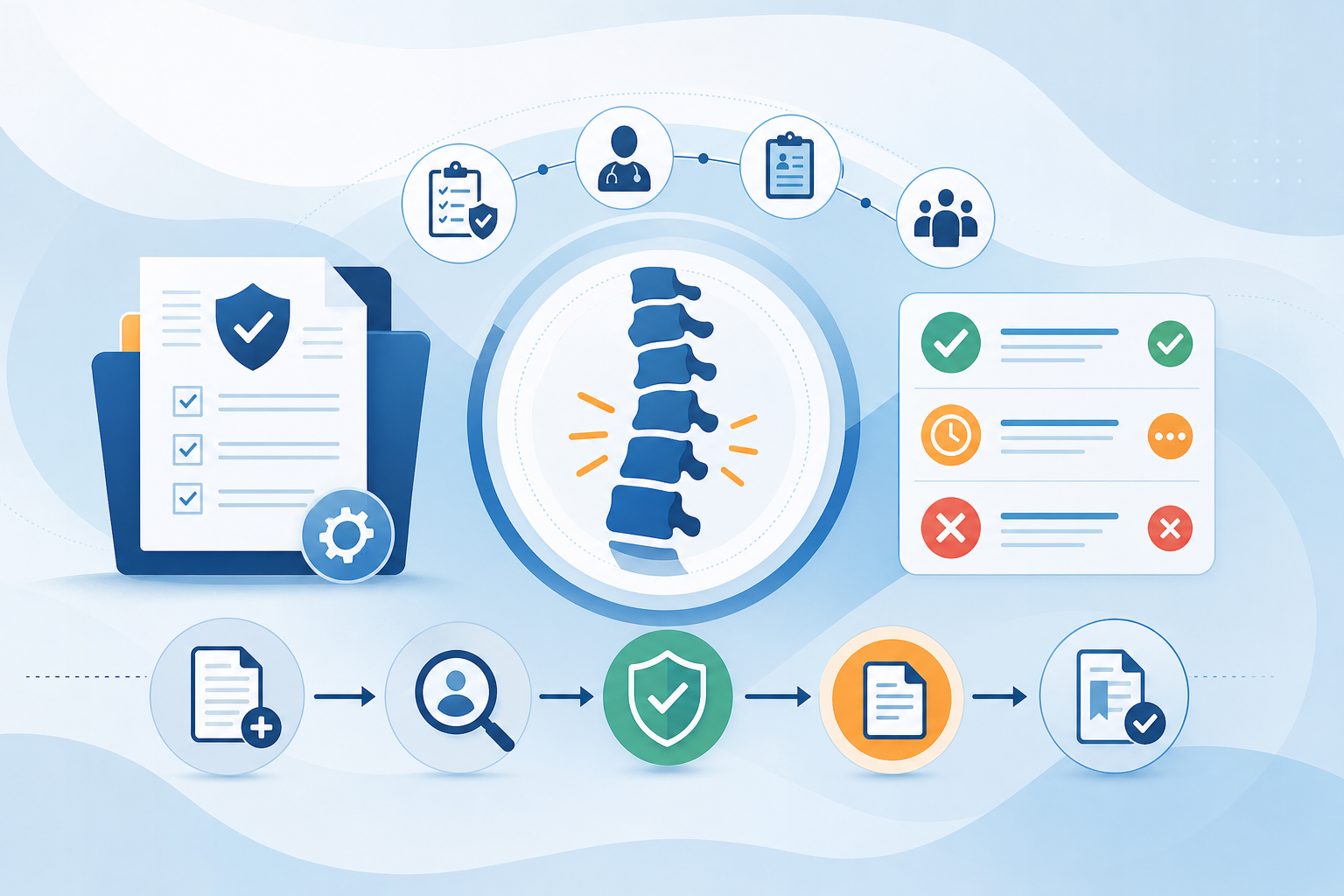
In many cases, if an injury is clearly work-related and the workers’ compensation claim is accepted, treatment should be billed through workers’ compensation rather than Medi-Cal. If a provider knows the condition is connected to a work injury, the billing office may ask for the workers’ compensation claim number, employer information, claims administrator, adjuster contact, date of injury, and authorization details before scheduling non-emergency care.
That said, real life is not always simple. Patients may have Medi-Cal and a work injury claim at the same time. This is sometimes described as Medi-Cal work injury claim overlap billing. The overlap may arise when the employer has not reported the claim yet, the injury is disputed, the claim is under investigation, or the patient needs care before workers’ compensation authorization is clear.
If Medi-Cal pays for care that is later determined to be the responsibility of workers’ compensation, reimbursement or lien issues may arise between payers. Patients are not expected to resolve those billing rules alone, but they should be honest with every provider about how the injury happened. Giving complete information helps reduce claim delays, billing confusion, and unexpected notices.
Can I Use Medi-Cal If Hurt at Work in California?
The question can I use Medi-Cal if hurt at work California has no one-size-fits-all answer. In general, you should tell the provider and Medi-Cal plan that the injury happened at work. The provider may then determine whether they can bill Medi-Cal, whether they must bill workers’ compensation, or whether they need authorization from the workers’ compensation carrier before treatment continues.
Emergency care is handled differently than routine follow-up care. If you have severe symptoms after a workplace accident, such as significant trauma, chest pain, trouble breathing, signs of stroke, loss of consciousness, suspected fracture, new weakness, numbness in the groin area, or loss of bowel or bladder control, seek emergency medical help right away. After urgent needs are addressed, the billing and coverage questions can be sorted out.
For non-emergency work injuries, patients often start by reporting the injury to their employer, requesting claim information, and asking where they are approved to receive care. If you are already covered by Medi-Cal, it may still be helpful to call your plan and ask how they handle work-related injuries that are pending, disputed, or denied.
What Happens If Workers’ Comp Denies My Claim in California?
Patients often ask, what happens if workers comp denies my claim California? A denial means the claims administrator is not accepting responsibility for the injury or some part of the claim at that time. Denials can involve disputes about whether the injury happened at work, whether the worker is covered, whether the condition is related to the job, or whether a particular treatment request is medically necessary.
If a claim is denied, patients may still need medical evaluation and care. Depending on eligibility and plan rules, Medi-Cal or another health plan may cover some medically necessary services, but the provider must know that the injury may be work-related. If the denial is later overturned or another payer becomes responsible, billing may be adjusted.
Because workers’ compensation procedures and deadlines are legal matters, consider speaking with a licensed California workers’ compensation attorney or an appropriate state resource about your rights and options. Medximity does not provide legal advice and cannot predict whether a claim, denial, appeal, or treatment request will be approved.
Is It Normal to Use Medi-Cal While Waiting for Workers’ Comp?
Some patients ask whether it is normal to use Medi-Cal while waiting for workers’ comp. It is not unusual for injured workers to feel stuck between systems, especially when a claim is new, the employer has not provided claim details, or treatment authorization is pending. However, whether Medi-Cal can be used depends on the service, the provider, the patient’s plan, and whether another payer is responsible.
The safest approach is transparency. Tell the clinic, hospital, chiropractor, physical therapist, or imaging center that the injury occurred at work and that a workers’ compensation claim may be pending. Ask how they handle billing if workers’ compensation has not approved treatment yet. Some providers may wait for authorization. Others may treat under certain conditions. Some may not accept Medi-Cal or workers’ compensation at all.
If you are searching for work injury treatment without workers comp approval, ask specific questions before the appointment: Do you treat work-related injuries? Do you accept Medi-Cal? Do you accept workers’ compensation? Do you require authorization first? Will I be responsible for payment if the claim is denied? Clear answers up front may help avoid billing surprises.
How Long Does Workers’ Comp Take to Approve Treatment?
The question how long does workers comp take to approve treatment depends on the type of care requested, whether the claim is accepted, whether treatment is within the approved provider network, and whether utilization review is required. Initial evaluation may happen relatively quickly, especially when an employer directs the injured worker to an occupational medicine clinic. Follow-up care such as chiropractic visits, physical therapy, imaging, or specialist referrals may require a treatment request and authorization.
In California, certain treatment decisions may be subject to formal review timelines, but patients should not rely on general timelines for their specific situation. Ask the treating provider’s office when the request was submitted, what was requested, whether additional records are needed, and who to contact at the claims administrator. Keeping a simple timeline of calls, appointments, denials, and approvals may help you stay organized.
Chiropractic Care Covered by Workers’ Comp in California
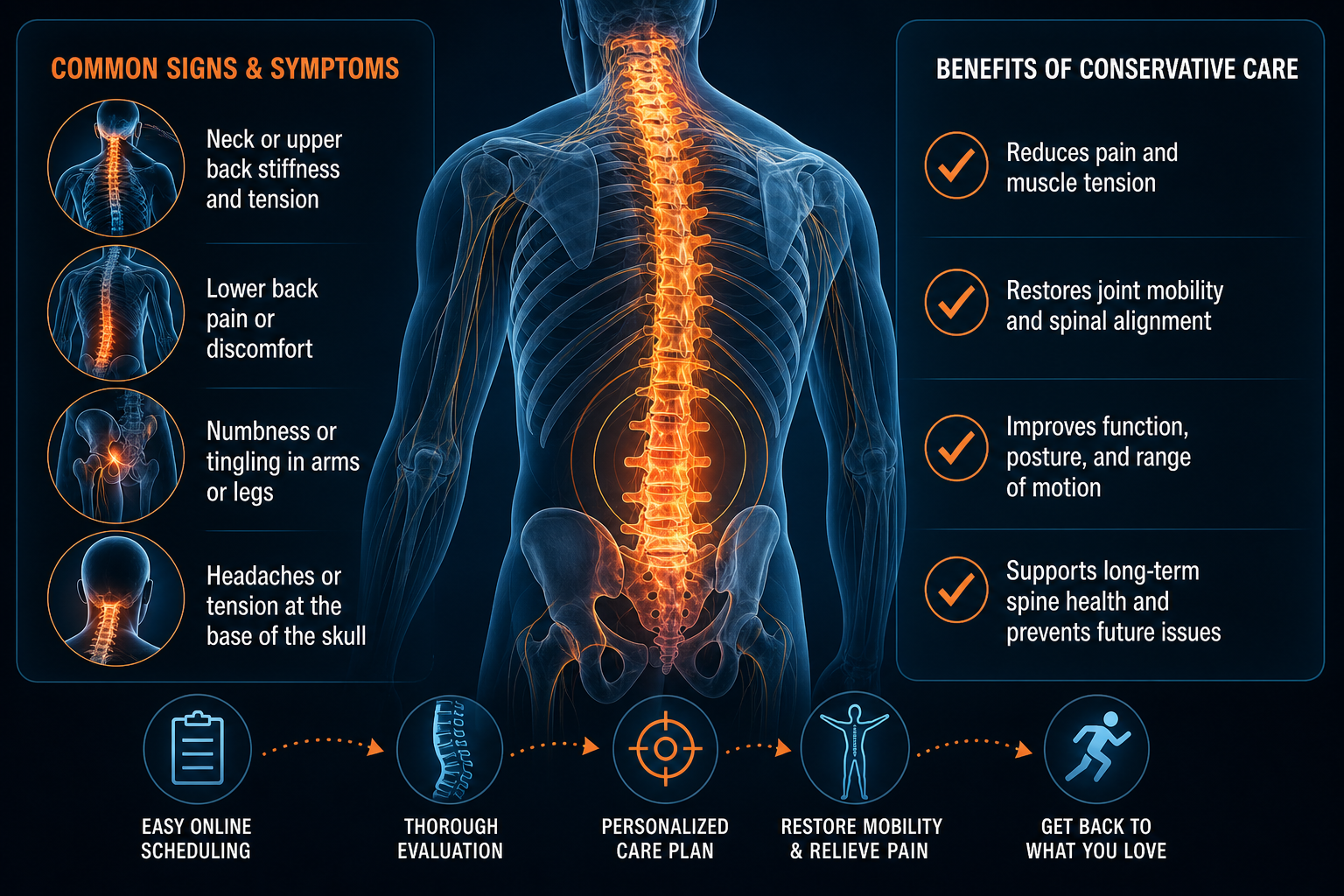
Chiropractic care covered by workers comp California may be available when it is medically appropriate, related to the accepted work injury, and authorized under the claim. Chiropractors commonly evaluate musculoskeletal complaints such as back pain, neck pain, joint stiffness, headaches associated with neck dysfunction, and certain sprain or strain injuries. Conservative care may include spinal or joint manipulation, soft-tissue therapy, therapeutic exercise, posture education, activity modification, and home care guidance.
Chiropractic care is not appropriate for every injury, and it should be based on an exam and the patient’s medical history. A chiropractor may refer a patient for additional evaluation if symptoms suggest a fracture, nerve compression, inflammatory condition, or another issue outside the scope of conservative care. If you are asking, can I see a chiropractor after a work accident, the answer is often “possibly,” but coverage and authorization depend on the workers’ compensation claim and provider network rules.
To learn more about conservative spine care, read Medximity’s guide to chiropractic adjustment and review common information about back pain. You can also search for the best workers comp chiropractor near me in California by comparing local chiropractic profiles, services, and appointment options.
Work Injury Physical Therapy Covered by Insurance in California
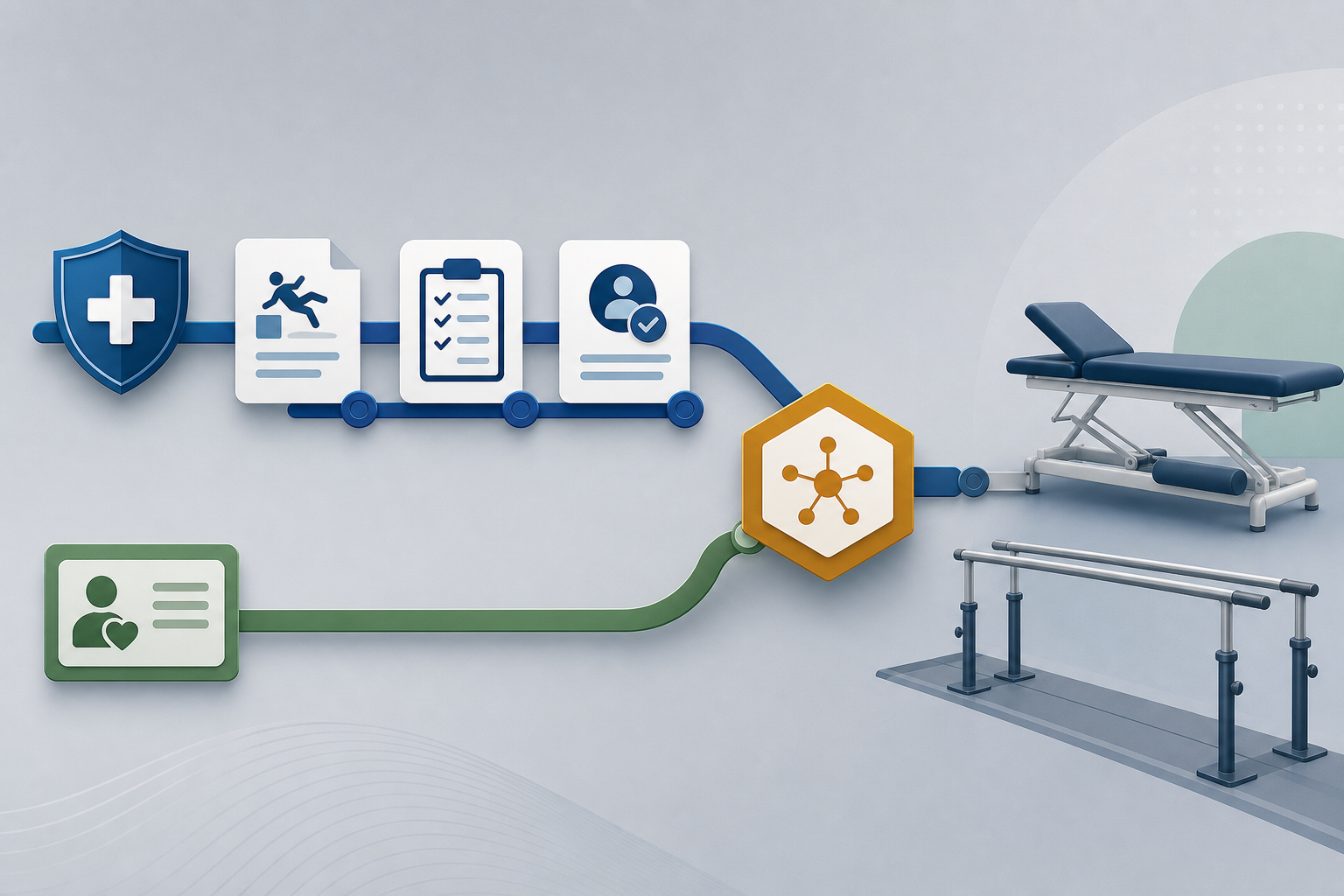
Work injury physical therapy covered by insurance California may be available through workers’ compensation when the therapy is connected to an accepted work injury and authorized. Physical therapy is often used for sprains, strains, post-immobilization weakness, reduced range of motion, balance issues, and functional limitations after a workplace accident. A physical therapist may use therapeutic exercise, manual therapy, gait training, neuromuscular re-education, ergonomic coaching, and progressive return-to-activity planning.
Physical therapy goals are usually functional: improving movement tolerance, rebuilding strength, reducing aggravating movement patterns, and helping the patient return to daily activities as safely as possible. Results vary by injury type, overall health, work demands, attendance, and whether the patient can modify painful activities during recovery.
For more information, visit Medximity’s overview of physical therapy or read about physical therapy after a work injury. You can also search for physical therapists in California who provide rehabilitation services for musculoskeletal injuries.
When to See a Provider After a Work Injury
You should consider medical evaluation after a work injury if pain is severe, symptoms are worsening, movement is limited, you cannot safely perform your job duties, or symptoms last more than a few days. You should seek urgent or emergency care for red-flag symptoms such as major trauma, severe headache after a head injury, new numbness or weakness, loss of coordination, visible deformity, suspected fracture, uncontrolled bleeding, or changes in bowel or bladder control.
Even if symptoms seem mild, an evaluation may help document what happened, identify whether conservative care is appropriate, and create a treatment plan. Work injuries often involve soft tissues such as muscles, ligaments, tendons, discs, and joints. Pain can change over the first several days as inflammation, guarding, and movement patterns evolve. A qualified provider can help determine whether the condition appears suitable for chiropractic care, physical therapy, modified activity, or referral for additional evaluation.
What to Expect at a Work Injury Chiropractic or Physical Therapy Visit
At the first visit, the provider will usually ask how the injury happened, what movements aggravate symptoms, what improves them, whether symptoms travel into the arms or legs, and whether you have had similar problems before. They may review your work duties, including lifting, pushing, pulling, driving, standing, repetitive motion, computer work, or overhead activity.
The exam may include posture and movement assessment, range-of-motion testing, strength testing, orthopedic tests, neurological screening, palpation, and functional tasks related to your injury. Based on the findings, the provider may discuss a conservative treatment plan, home exercises, activity modifications, expected reassessment points, and whether additional medical evaluation is recommended.
If the visit is billed through workers’ compensation, the office may also prepare documentation for the claims administrator. This can include diagnosis codes, objective findings, work status information, treatment requests, and progress notes. Accurate documentation matters because treatment authorization often depends on whether the requested care is clearly connected to the work injury and supported by clinical findings.
Questions to Ask Before Scheduling Treatment
Before you schedule care for a work injury, consider asking the clinic these questions:
- Do you treat work-related injuries in California?
- Do you accept workers’ compensation claims?
- Do you accept Medi-Cal, and are there limits for work-related injuries?
- Do I need authorization before the first visit?
- Are you in the required medical provider network for my claim?
- What information should I bring, such as claim number, adjuster contact, employer name, or denial letter?
- What happens if workers’ compensation denies payment?
- Can you coordinate documentation with my treating physician or claims administrator?
These questions do not guarantee coverage, but they can help you understand the process before care begins.
Finding Conservative Care in California
If you were injured at work and need evaluation, start by confirming your coverage pathway. If workers’ compensation has accepted the claim, ask where you are authorized to treat. If the claim is delayed or denied, ask your Medi-Cal plan, health plan, or provider billing office how treatment may be handled. If symptoms are urgent or severe, seek appropriate emergency care first.
Medximity helps patients compare conservative care providers, including chiropractors and physical therapists, across California. Search for a California chiropractor for work-related musculoskeletal pain, explore physical therapy providers in California, or review Medximity’s article on seeing a chiropractor after an accident for additional context about post-injury conservative care.
FAQ
Does Medicaid cover workers compensation treatment in California?
California Medicaid, called Medi-Cal, may cover eligible care in some situations, but workers’ compensation is generally the primary payer for accepted work-related injuries. If the injury happened at work, tell every provider and ask how billing will be coordinated.
Can I use Medi-Cal if workers’ comp has not approved treatment yet?
Possibly, but it depends on the service, your Medi-Cal plan, the provider’s policies, and whether workers’ compensation is expected to be responsible. Ask the provider’s billing office and your Medi-Cal plan before non-emergency treatment whenever possible.
What if workers’ comp denies my claim?
If your claim is denied, you may still seek medical evaluation through available coverage, but the provider should know the injury may be work-related. For questions about challenging a denial or protecting legal rights, speak with a licensed California workers’ compensation attorney.
Can I see a chiropractor after a work accident?
Many patients can be evaluated by a chiropractor after a work accident, especially for back, neck, and joint symptoms, but workers’ compensation coverage usually depends on claim acceptance, network rules, medical necessity, and authorization.
Is physical therapy covered for a work injury?
Physical therapy may be covered through workers’ compensation when it is related to an accepted work injury and authorized. Medi-Cal or another plan may have different rules if the workers’ compensation claim is delayed or denied.
How can I avoid billing problems with Medi-Cal and workers’ comp?
Be clear that the injury happened at work, provide claim information when available, ask whether authorization is required, and keep copies of denial letters, treatment requests, and billing notices. Coverage decisions should be confirmed with the payer and provider.