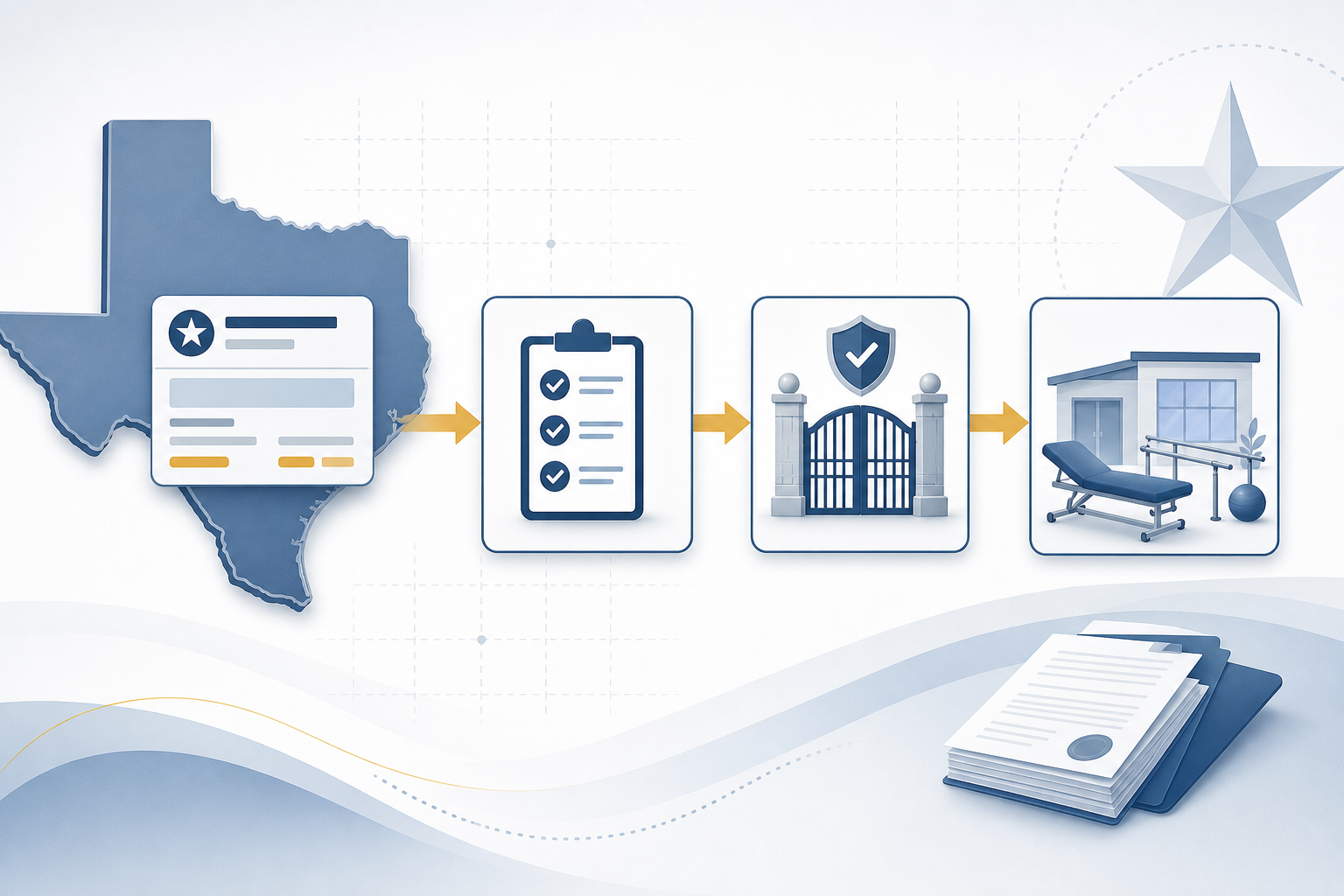
If you're on Medicaid in Texas and dealing with pain, an injury, or a condition that affects how you move, you may be wondering whether physical therapy is a covered benefit. The short answer is yes — Texas Medicaid generally covers physical therapy — but the details matter. Visit limits, prior authorization requirements, and the specific plan you're enrolled in all shape what you can access and when. Here's what you need to know before scheduling your first appointment.
How Texas Medicaid Covers Physical Therapy
Most Texans on Medicaid receive coverage through a managed care program called STAR (State of Texas Access Reform). Children may be covered under CHIP (Children's Health Insurance Program), and some adults qualify for STAR+PLUS, which serves people with disabilities or complex health needs. Each of these programs includes physical therapy as a covered service, but the terms — including who authorizes care, how many visits are allowed, and what documentation is required — are managed by the specific health plan you're enrolled in, such as United Healthcare Community Plan, Molina Healthcare, Amerigroup, or others contracted with the state.
Because each managed care organization sets its own utilization policies within state guidelines, your benefits may differ from another Medicaid patient's even if you live in the same county. Always verify your specific plan's PT benefit before assuming coverage.
Medicaid Physical Therapy Visit Limits for Texas Adults
Texas Medicaid managed care plans typically cover a set number of physical therapy visits per year, often in the range of 20 to 30 visits, though this figure is not fixed across all plans or all diagnoses. Some plans allow additional visits when medically necessary, provided your provider submits supporting documentation and receives approval. For children enrolled in CHIP or STAR Kids, visit limits and coverage terms may be more generous, particularly when PT is part of an individualized care plan for a developmental or neurological condition.
If you're approaching your visit limit, talk to your physical therapist early. They can work with your plan's utilization management team to request extended coverage when your condition warrants it.
Do You Need a Referral for Physical Therapy on Medicaid in Texas?
In most Texas Medicaid managed care plans, a referral or prescription from a primary care provider (PCP) is required before you begin physical therapy. Your PCP is typically your first point of contact for any new health concern under STAR. They will evaluate your condition, determine whether PT is appropriate, and either refer you directly or coordinate with your plan. Some plans may allow a specialist — such as an orthopedic physician or neurologist — to make the referral instead.
Going to a physical therapist without a required referral can result in a denied claim, so it's worth confirming this step with your plan before your first visit. Search for physical therapists near you who accept Medicaid through the Medximity provider directory to find in-network options in your area.
How Prior Authorization Works for Physical Therapy
Many Texas Medicaid plans require prior authorization before physical therapy begins — or before additional visits beyond an initial approved set are allowed. Prior authorization is a process in which your provider submits clinical information (diagnosis, functional limitations, treatment goals, and plan of care) to your health plan for review. The plan then approves, denies, or requests more information before coverage is confirmed.
How long does Medicaid prior authorization take for PT? Timelines vary by plan, but standard reviews are generally completed within 3 to 5 business days. Urgent or expedited reviews — when a delay could harm your health — are typically processed within 24 to 72 hours. Your physical therapy provider's office usually handles the submission, but staying in contact with both your provider and your plan can help prevent delays.
What Conditions Qualify for Medicaid Physical Therapy Coverage?
Texas Medicaid covers physical therapy when it is medically necessary — meaning a licensed provider has documented that PT is reasonably expected to improve your function, reduce pain, or prevent deterioration of a covered condition. Common qualifying conditions include:
- Back and neck injuries, including strains and herniated discs
- Post-surgical rehabilitation (such as after a joint replacement or spinal procedure)
- Neurological conditions affecting movement, including stroke recovery and cerebral palsy
- Orthopedic conditions such as arthritis, tendinopathy, and fractures
- Balance disorders and fall prevention needs in older adults
- Developmental delays and movement-related conditions in children
- Work-related injuries when Medicaid is the primary coverage
Coverage is not automatic for any diagnosis. Your provider's documentation of functional limitations and measurable treatment goals is what supports the medical necessity determination. Learn more about what to expect at your first physical therapy appointment so you can prepare the right information.
Can Medicaid Deny Physical Therapy?
Yes, Medicaid plans can deny physical therapy if the service is not deemed medically necessary, if required steps (such as prior authorization or a referral) were skipped, or if the provider is out of network. A denial is not necessarily the final word. Texas Medicaid enrollees have the right to appeal a denial through their managed care organization, and if the appeal is unsuccessful, to request a State Fair Hearing through the Texas Health and Human Services Commission. Your physical therapist or primary care provider can often assist by submitting additional clinical documentation to support the appeal.
Physical Therapy Without Insurance or With Low-Cost Options in Texas
If your Medicaid coverage has lapsed, you are in a coverage gap, or your specific plan does not cover PT for your situation, there are still pathways to affordable care in Texas. Federally Qualified Health Centers (FQHCs) across the state offer sliding-scale physical therapy services based on income. Some university physical therapy programs offer reduced-cost treatment through supervised student clinics. Community health clinics and nonprofit rehabilitation centers may also serve patients with limited or no insurance coverage.
Read our guide to finding affordable physical therapy without insurance for a closer look at low-cost options in Texas communities. You can also browse Texas physical therapists by city and filter by insurance accepted to find providers who work with Medicaid patients.
Medicaid vs. Medicare: How Physical Therapy Coverage Differs
It's worth clarifying the difference between Medicaid and Medicare physical therapy coverage, since the two programs are often confused. Medicare is a federal program primarily for adults 65 and older (and some younger adults with disabilities), while Medicaid is a joint federal-state program based on income and other eligibility factors. Medicare Part B covers outpatient PT with no hard annual visit cap, though it does apply a financial threshold and may require a therapist to certify ongoing medical necessity. Texas Medicaid, by contrast, is managed through private health plans under state contracts, which means visit limits, authorization requirements, and network rules vary by plan. If you are enrolled in both programs (called dual eligibility), Medicare is typically billed first, with Medicaid as a secondary payer. Explore our article on the differences between Medicaid and Medicare physical therapy coverage for a deeper comparison.
Finding a Physical Therapist That Accepts Medicaid in Texas
Not every physical therapy practice accepts all Medicaid managed care plans, so confirming in-network status before your first visit is essential. When you call a clinic, ask specifically whether they accept your plan name (not just "Medicaid" generally), whether they handle prior authorization submissions, and how quickly they can see new patients. The Medximity directory makes this easier — search for physical therapists near you that accept Medicaid and filter by location, specialty, and insurance to find the right match for your needs.
For condition-specific guidance, explore our related resources on physical therapy for back pain and physical therapy for neck pain — two of the most common reasons Texas Medicaid patients seek PT care.
Frequently Asked Questions
Does Texas Medicaid cover physical therapy for adults?
Yes, Texas Medicaid managed care plans — including STAR and STAR+PLUS — generally cover physical therapy for adults when treatment is deemed medically necessary. Visit limits and prior authorization requirements apply and vary by plan.
How many PT sessions does Medicaid allow per year in Texas?
Most Texas Medicaid managed care plans cover approximately 20 to 30 physical therapy visits per year, though this varies by plan and diagnosis. Additional visits may be approved when supported by clinical documentation of medical necessity.
Do I need a referral for physical therapy on Medicaid in Texas?
In most cases, yes. Texas Medicaid STAR plan members typically need a referral from their primary care provider before beginning physical therapy. Check with your specific plan to confirm this requirement before scheduling.
How long does Medicaid prior authorization take for physical therapy in Texas?
Standard prior authorization reviews generally take 3 to 5 business days. Urgent reviews, when a delay could harm your health, are typically completed within 24 to 72 hours. Your physical therapist's office usually submits the request on your behalf.
Can Medicaid deny my physical therapy treatment?
Yes, a Medicaid managed care plan can deny physical therapy if medical necessity is not established, if required steps were skipped, or if the provider is out of network. Enrollees have the right to appeal a denial and to request a State Fair Hearing through Texas Health and Human Services if needed.
What is the difference between Medicaid and Medicare physical therapy coverage?
Medicare is a federal program for adults 65 and older and some younger adults with disabilities; it covers outpatient PT through Part B with no hard annual visit cap. Texas Medicaid is income-based, managed through private health plans, and applies visit limits and plan-specific rules. Dual-eligible patients use Medicare first, with Medicaid as secondary coverage.
Is physical therapy covered under the Texas Medicaid STAR plan?
Yes, physical therapy is a covered benefit under the Texas Medicaid STAR plan when services are medically necessary and provided by an in-network physical therapist. Prior authorization is commonly required, and visit limits apply based on your specific managed care organization.
", "faq_data": [ { "q": "Does Texas Medicaid cover physical therapy for adults?", "a": "Yes, Texas Medicaid managed care plans — including STAR and STAR+PLUS — generally cover physical therapy for adults when treatment is deemed medically necessary. Visit limits and prior authorization requirements apply and vary by plan." }, { "q": "How many PT sessions does Medicaid allow per year in Texas?", "a": "Most Texas Medicaid managed care plans cover approximately 20 to 30 physical therapy visits per year, though this varies by plan and diagnosis. Additional visits may be approved when supported by clinical documentation of medical necessity." }, { "q": "Do I need a referral for physical therapy on Medicaid in Texas?", "a": "In most cases, yes. Texas Medicaid STAR plan members typically need a referral from their primary care provider before beginning physical therapy. Check with your specific plan to confirm this requirement before scheduling." }, { "q": "How long does Medicaid prior authorization take for physical therapy in Texas?", "a": "Standard prior authorization reviews generally take 3 to 5 business days. Urgent reviews, when a delay could harm your health, are typically completed within 24 to 72 hours. Your physical therapist's office usually submits the request on your behalf." }, { "q": "Can Medicaid deny my physical therapy treatment?", "a": "Yes, a Medicaid managed care plan can deny physical therapy if medical necessity is not established, if required steps were skipped, or if the provider is out of network. Enrollees have the right to appeal a denial and to request a State Fair Hearing through Texas Health and Human Services if needed." }, { "q": "What is the difference between Medicaid and Medicare physical therapy coverage?", "a": "Medicare is a federal program for adults 65 and older and some younger adults with disabilities; it covers outpatient PT through Part B with no hard annual visit cap. Texas Medicaid is income-based, managed through private health plans, and applies visit limits and plan-specific rules. Dual-eligible patients use Medicare first, with Medicaid as secondary coverage." }, { "q": "Is physical therapy covered under the Texas Medicaid STAR plan?", "a": "Yes, physical therapy is a covered benefit under the Texas Medicaid STAR plan when services are medically necessary and provided by an in-network physical therapist. Prior authorization is commonly required, and visit limits apply based on your specific managed care organization." } ], "key_takeaways": [ "Texas Medicaid covers physical therapy through managed care plans including STAR, STAR+PLUS, and CHIP, but coverage terms vary by plan.", "Most plans allow approximately 20 to 30 PT visits per year; additional visits may be approved when medically necessary.", "A referral from your primary care provider is usually required before starting physical therapy under Texas Medicaid STAR.", "Prior authorization is commonly required and typically takes 3 to 5 business days for a standard review.", "Medicaid can deny PT, but patients have the right to appeal and request a State Fair Hearing through Texas Health and Human Services.", "Patients without active coverage can explore FQHCs, university clinics, and community health centers for low-cost PT options in Texas.", "Always verify your specific managed care plan's in-network providers and authorization requirements before your first appointment." ], "tags": [ "physical therapy", "Medicaid Texas", "STAR plan", "prior authorization", "PT coverage", "Texas healthcare", "physical therapy near me", "Medicaid benefits", "insurance coverage", "rehabilitation" ], "schema_markup": { "@context": "https://schema.org", "@type": "Article", "headline": "Does Medicaid Cover Physical Therapy in Texas? What Patients Need to Know", "description": "A comprehensive patient guide to Texas Medicaid physical therapy coverage, including STAR plan benefits, visit limits, prior authorization timelines, referral requirements, and how to find in-network PT providers.", "author": { "@type": "Organization", "name": "Medximity" }, "publisher": { "@type": "Organization", "name": "Medximity", "url": "https://www.medximity.com" }, "mainEntityOfPage": { "@type": "WebPage", "@id": "https://www.medximity.com/blog/does-medicaid-cover-physical-therapy-in-texas" }, "about": [ { "@type": "MedicalCondition", "name": "Physical Rehabilitation" } ], "speakable": { "@type": "SpeakableSpecification", "cssSelector": ["h1", "h2", "#faq"] } } }

